Table of Contents >> Show >> Hide
- What Is the Mogensen 2213, and Why Does Everyone Treat It Like Furniture Royalty?
- 2213 Specs: Size, Proportions, and the “Will It Fit Through My Door?” Reality Check
- Materials and Construction: Why It Feels “Quietly Expensive”
- Leather vs. Fabric: Picking Your Forever Outfit
- How Comfortable Is the 2213, Really?
- Styling a Mogensen 2213: Danish Modern Without the Museum Vibes
- Buying Guide: New vs. Vintage (and How Not to Regret Your Life Choices)
- Care and Maintenance: Keeping the 2213 Looking Great for Decades
- Is the 2213 Worth It?
- Final Take: The Sofa That Doesn’t Need to Prove Anything
- Real-World Experiences: Living With a Mogensen 2213 (The Part They Don’t Put in the Catalog)
- SEO Tags
Some sofas try to be everything: a bed, a trampoline, a storage unit, a statement piece, andif you’re luckya place to sit. The Børge Mogensen 2213 three-seater sofa does something far more impressive: it calmly, confidently becomes the best seat in the room without begging for attention. Think of it as the Danish Modern equivalent of a perfectly tailored blazerquiet, practical, and somehow always the right choice.
In this guide, we’ll break down what makes the 2213 iconic, how it’s built, what it feels like to live with day-to-day, and how to buy one intelligently (new or vintage) without accidentally adopting a “mystery sofa” with suspicious cushions.
What Is the Mogensen 2213, and Why Does Everyone Treat It Like Furniture Royalty?
Designed in 1962 by Danish designer Børge Mogensen, the 2213 was created with a simple mission: make the “ultimate sofa” for real lifereading, talking, napping, hosting, and generally existing like a human being. Mogensen’s broader philosophy centered on furniture serving people (not the other way around), and the 2213 is basically that philosophy in sofa form: modest silhouette, generous comfort, and construction that’s more “built to last” than “built to trend.”
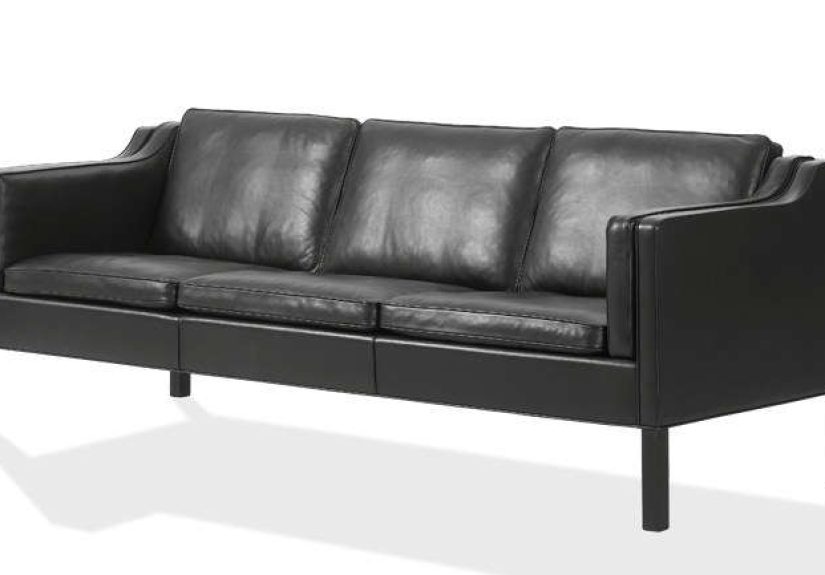
Today, the 2213 is often described as a defining piece of mid-century Danish designrecognizable for its composed proportions, tailored piping, and those subtly sculpted arms that rise slightly toward the back. It doesn’t scream. It doesn’t whisper either. It just… belongs.
2213 Specs: Size, Proportions, and the “Will It Fit Through My Door?” Reality Check
The 2213 is a true three-seater with a footprint that feels substantial without becoming a living-room aircraft carrier. Most current specifications land around:
- Width: about 87 inches (221 cm)
- Depth: about 31.9 inches (81 cm)
- Height: about 31.5 inches (80 cm)
- Seat height: about 16.9 inches (43 cm)
Practical note: these numbers are your best friend when you’re measuring doorways, elevator depths, and that one hallway turn that always ruins your confidence. If you’re shopping vintage, dimensions can vary slightly based on upholstery thickness, cushion replacement, or whether someone reupholstered it with enough padding to qualify as a duvet.
How the 2213 Compares to Other Mogensen “22” Sofas
The model numbers can look like a secret code, but the logic is straightforward in practice:
- 2212 is typically the two-seater sibling.
- 2213 is the classic three-seater.
If you love the look but don’t have the wall space, the 2212 delivers much of the same presence in a smaller package. If you want the “stretch out and pretend you’re a Victorian poet” experience, the 2213 is your move.
Materials and Construction: Why It Feels “Quietly Expensive”
A big reason the 2213 stays relevant decade after decade is that it’s not a visual gimmickit’s a construction story. The sofa is known for a hardwood internal frame with solid wood legs (commonly oak or walnut options), integrated into the structure rather than looking like an afterthought.
Upholstery details matter here. The 2213 is often described as fully upholstered with continuous piping that sharpens the silhouette and keeps the sofa looking tailored instead of slouchy. Under the seat, support is commonly built with traditional webbing approaches (including jute/rubber webbing in some specifications), which contributes to that “supportive but not stiff” sit.
Cushions: The Comfort Engineering You Actually Feel
Cushion construction is a major part of the 2213’s comfort identity. Many configurations describe a mix of foam structure paired with down or down wrapessentially a balancing act between shape retention and softness. The result is a sofa that can feel inviting without collapsing into a beanbag lifestyle.
Bonus: cushions are often described as separate seat/back/arm cushions, commonly with removable covers (varies by upholstery choice and spec). That matters because it makes maintenance more realistic, and it makes reupholstery less of a “burn it all down and start over” scenario.
Leather vs. Fabric: Picking Your Forever Outfit
Choosing upholstery for a 2213 is less about “Which looks nice?” and more about “Which version fits your actual life?” Both leather and fabric can look phenomenal on this frame because the design is inherently disciplined.
Leather: Patina, Personality, and the Long Game
Leather is the classic pairing, especially if you love Danish Modern’s warm, grounded vibe. A high-quality leather (often described by retailers in terms like “buttery,” “aniline,” or “full-grain”) will evolve over timedeveloping patina, softening in high-contact areas, and telling the story of every movie night and every “I’m just going to sit here for five minutes” that became an entire afternoon.
If you’re buying vintage, leather can be a win because it can age beautifully. It can also be a trap if it’s dried out, cracked, or “fixed” with heavy coatings that make it look shiny in the same way a laminated menu looks shiny. The best vintage leather on a 2213 usually reads as supple, matte-to-satin, and naturally wornnever plasticky.
Fabric: Softer Mood, More Color, Easier Everyday Living (Sometimes)
Fabric opens up a broader personality rangeespecially wools and textured weaves that feel calm and architectural. Some retailer listings highlight durable upholstery options (including wool blends) and performance metrics like Martindale abrasion ratings, which is basically the “how much life can this fabric survive?” score.
If you have pets who treat furniture like a personal brand, a tightly woven fabric may hide micro-scratches better than leather. On the other hand, if your household spills coffee like it’s an Olympic sport, leather may be easier to wipe down in the moment (though it still hates sharp claws).
How Comfortable Is the 2213, Really?
The 2213 has a reputation for being the kind of sofa that looks formal but lives casual. The seat depth and cushion build create a sit that supports conversation (upright enough) while still being nap-approved (soft enough). In fact, design-world stories about Mogensen pieces often land on the same theme: clean lines, comfortable feel, and the kind of lounging that turns “resting your eyes” into an accidental two-hour reset.
If you want a sink-in sectional that swallows you whole, the 2213 may feel a bit more composed. But if you want a sofa that looks sharp on Monday and still feels great on Sunday, that’s the 2213’s natural habitat.
Styling a Mogensen 2213: Danish Modern Without the Museum Vibes
The 2213 plays well with a lot of interior styles because it’s built on proportion, not decoration. Here are a few ways to make it look intentional instead of “I bought a famous sofa and now I’m scared to sit on it.”
1) Warm Minimalism
Pair leather upholstery with natural oak/walnut tones, a wool rug, and a low coffee table. Add one bold textile (a throw or a pillow) and keep the rest calm. The 2213 already provides structureyour job is to bring warmth.
2) Modern Eclectic
The 2213 can anchor a room full of more expressive pieces. Because it’s visually disciplined, it gives loud art, sculptural lighting, and funky vintage finds a stable “home base.” It’s basically the friend who shows up on time and keeps the group chat from falling apart.
3) Classic Mid-Century (Without Going Full Time Capsule)
If you love Danish Modern, pair the sofa with other honest-material pieces: wood, leather, wool, linen, and ceramics. Keep the palette warm and grounded. A few iconic pieces can feel elevated; too many can feel like you’re charging admission.
Buying Guide: New vs. Vintage (and How Not to Regret Your Life Choices)
Buying New: Made-to-Order, Customizable, Predictable
Buying a new 2213 through authorized retailers usually means a made-to-order process: you pick frame finish, upholstery group, and sometimes cushion construction options. Lead times vary (often measured in weeks, not days), and prices generally sit in the low-to-mid five figures depending on leather/fabric and wood selection.
What you get in exchange is clarity: official specs, current production standards, warranty support, and the confidence that you’re not buying a sofa that spent the 1990s in a smoking lounge (no judgment, but your nose will judge).
Buying Vintage: Character, Patina, and a Little Detective Work
Vintage 2213 sofas show up through high-end marketplaces and dealers. Listings often highlight details like leather upholstery, teak or other wood legs, and period dating (many examples are from mid-to-late 20th century). Dimensions are frequently listed in both inches and centimeters, which is helpful because the sofa remains remarkably consistent in proportion over time.
Vintage can be an amazing value if the frame is solid and the upholstery is in good shapeor if you’re comfortable with professional reupholstery. But you want to ask smart questions:
- Is the frame original and structurally sound? (No wobble, no cracks, no “creative carpentry.”)
- Have the cushions been replaced? If yes, with what materials?
- Is the leather original, restored, or replaced? “Restored” can mean careful conditioning… or heavy refinishing.
- Are there labels, stamps, or provenance details? Helpful for authenticity.
If you’re unsure, treat it like buying a used car: a reputable dealer is worth paying for, because it reduces the chance you’ll end up financing a mystery.
Care and Maintenance: Keeping the 2213 Looking Great for Decades
The 2213 is built for longevity, but every “forever piece” still needs basic care. The good news: maintenance is mostly simple and boring (the best kind of care).
Leather Care
- Keep it out of harsh direct sunlight to reduce uneven fading and drying.
- Dust and wipe gently; avoid aggressive cleaners unless recommended for your leather type.
- Condition occasionally (not weeklyyour sofa is not a salad).
- Blot spills quickly; don’t scrub like you’re trying to erase a mistake from your past.
Fabric Care
- Vacuum regularly with an upholstery attachment.
- Spot-clean fast using appropriate fabric-safe methods.
- Rotate cushions to distribute wear and maintain shape.
General Longevity Tips
- Rotate and fluff cushions (especially down mixes) to keep things even.
- Check and tighten leg hardware as needed over the years.
- Let the sofa breatheavoid pushing it flush against a heat source or radiator.
Is the 2213 Worth It?
If you’re purely optimizing for “cheapest way to sit,” absolutely not. A camping chair wins that battle. But if you’re optimizing for comfort + craftsmanship + longevity + timeless aesthetics, the Mogensen 2213 is one of those rare pieces where the reputation isn’t just hype.
It’s also a sofa that tends to hold cultural (and often resale) value because it sits at the intersection of designer legacy, consistent production, and enduring demand. In cost-per-sit terms: if you buy a sofa you truly love, keep it for decades, and actually use it every day, the math starts looking a lot less dramatic.
Final Take: The Sofa That Doesn’t Need to Prove Anything
The Borge Mogensen 2213 three-seater isn’t trying to be trendy, modular, or “TikTok-famous.” It’s trying to be a great sofa. And that’s exactly why it keeps winningyear after year, room after room, nap after nap.
If you want a piece that feels grounded, looks tailored, and quietly improves daily life without demanding constant attention, the 2213 is an easy yes. Just make sure you measure your doorway first. The only thing worse than a sofa you regret is a sofa you can’t physically get inside your house.
Real-World Experiences: Living With a Mogensen 2213 (The Part They Don’t Put in the Catalog)
Let’s talk about what it’s actually like to own (or spend serious time with) a 2213because the showroom version is always perfectly styled, perfectly lit, and suspiciously free of charging cables.
First: delivery is an event. A 2213 isn’t a “leave it on the porch” kind of purchase. White-glove delivery feels less like luxury and more like basic common sense when you’re moving a large, beautifully finished sofa through tight corners. The moment it’s placed, you understand why people obsess over proportions: it instantly “sets” the room. Even before you hang art or choose a rug, the 2213 creates an anchor point that makes everything else look more intentionallike your home suddenly got its act together.
Then comes the surprise: the 2213 is more livable than it looks. Visually, it reads structured and refined. In practice, it’s the kind of sofa that welcomes you in. The seat height feels natural, the depth is enough to relax without forcing you into slouch mode, and the arms are comfortable in that “I can lean here for hours” way. It’s excellent for conversation because it doesn’t swallow you. It’s excellent for lounging because the cushions don’t fight you. In other words, it behaves like a polite adult who still knows how to have fun.
If you choose leather, the big day-to-day experience is patina. The first small mark can be emotionally challenginglike watching someone crease fresh sneakers. But then something flips: you realize the 2213 looks better with life on it. The leather warms up, high-contact areas soften, and the sofa becomes more personal. It stops looking like a product and starts looking like a companion. (Yes, I know how dramatic that sounds. Welcome to furniture love.)
With fabric, the experience is different: it’s softer visually, and it changes the mood of the room. A wool blend can make the 2213 feel a touch more relaxed and modern, especially in lighter colors. The practical reality is maintenance: you’ll vacuum more often than you think, but you’ll also worry less about scratches. If you have pets, fabric can be a peace treatyprovided you choose something tight-woven and resilient.
The next real-life detail is cushion behavior. Any down mix (or down wrap) means the sofa will feel inviting, but it also means you’ll occasionally fluff and rotate. It’s not hardit’s just a ritual. You’ll do it while you’re on the phone, or while waiting for coffee, or while pretending you’re the kind of person who “resets the room” every evening. The upside is that the sofa stays handsome. The downside is that you may become mildly judgmental of flat cushions in other people’s homes.
Finally, there’s the social side: the 2213 is a magnet. People gravitate toward it because it looks comfortable and feels composed. Guests sit down, then stay. You’ll notice conversations linger longer. You’ll also notice the sofa becomes your default place for everythingreading, laptop work, post-dinner decompression, and yes, naps. And that’s the real magic: the 2213 isn’t a “special occasion” sofa. It’s a “this is where life happens” sofa that just happens to look like a design icon.