Table of Contents >> Show >> Hide
- What Was Recalled?
- Why Are People Calling Them “Spontaneously Exploding”?
- Which Bottles Are Affected?
- What Should Costco Shoppers Do?
- How Serious Is the Hazard?
- Why This Recall Matters Beyond One Bottle of Prosecco
- What This Means for Food and Beverage Recall Coverage
- Experiences Shoppers Can Relate To in a Recall Like This
- Final Takeaway
Normally, a bottle of Prosecco waits politely for a special occasion. This one, unfortunately, has been accused of creating its own. Certain bottles of Costco’s Kirkland Signature Valdobbiadene Prosecco DOCG have been recalled after reports that they could break or shatter unexpectedly, even before anyone tries to open them. That is not festive. That is a trip to the trash can with oven mitts and a healthy respect for physics.
The recall has drawn so much attention because it combines three things people rarely want in the same sentence: glass, pressure, and surprise. Add Costco’s massive customer base and the retailer’s wildly popular Kirkland label, and suddenly a budget bubbly becomes a national consumer safety story. The good news is that the guidance is fairly clear. The better news is that shoppers can identify the recalled bottles without needing a sommelier certificate or a magnifying glass.
This article breaks down what was recalled, where the bottles were sold, why spontaneous shattering is a serious hazard, what shoppers should do next, and what this whole messy episode says about product safety, private labels, and the risks hiding inside sparkling wine bottles.
What Was Recalled?
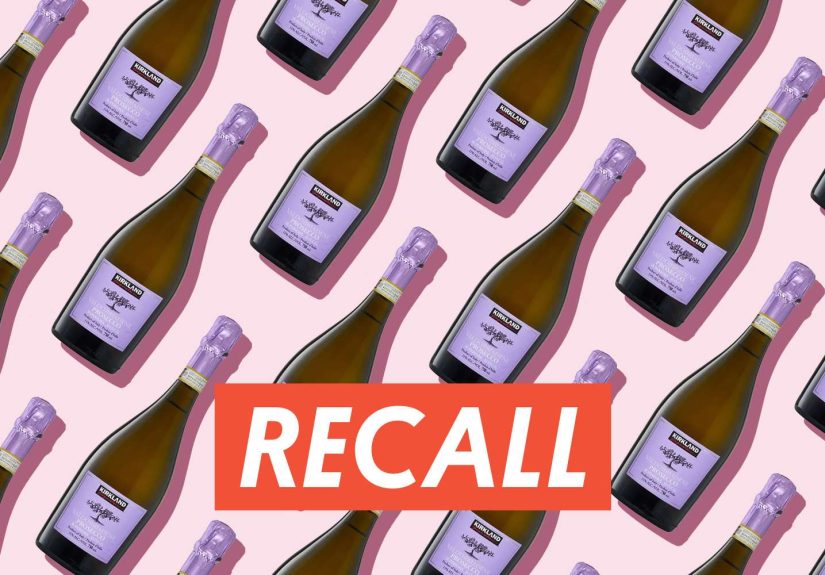
The recall involves certain bottles of Kirkland Signature Valdobbiadene Prosecco DOCG, sold at Costco in a green glass bottle with purple foil on top and a purple label identifying it as Kirkland Signature Valdobbiadene Prosecco Superiore DOCG. The affected product has been tied to a laceration hazard because some bottles were reported to have shattered or broken unexpectedly.
The formal federal recall notice said about 941,400 bottles were affected. That number is large enough to make this more than a quirky one-off issue. It also explains why the story spread quickly across consumer news, grocery coverage, food sites, health publications, and general news outlets. When nearly a million bottles are involved, this stops being a wine aisle footnote and becomes a real consumer safety event.
The recalled bottles were sold for about $8 each, which is part of why the product had such broad appeal in the first place. Costco shoppers tend to love a good bargain, and Kirkland’s wine and spirits-adjacent products have built a reputation for delivering decent quality at low prices. But affordability stops being charming the moment the bottle starts acting like it has unresolved anger issues.
Why Are People Calling Them “Spontaneously Exploding”?
The phrase sounds dramatic, but it gets at the central problem: some bottles reportedly broke or shattered without the normal trigger of opening them. In recall language, the hazard is simple. The glass can fail. In everyday language, that means a bottle sitting in storage may suddenly become dangerous.
For shoppers, the distinction matters. If a bottle only posed a risk when mishandled, the advice might focus on careful opening. That is not the case here. The public guidance has emphasized not attempting to open the bottle at all. That tells you the issue is not merely “be careful when uncorking.” It is “do not engage with this bottle like it is a normal bottle.”
Has the Exact Cause Been Confirmed?
One of the most interesting parts of the story is also the most frustrating: the recall notices made the hazard clear, but they did not publicly spell out a single confirmed root cause in detail. In other words, shoppers were told what could happen and what to do about it, but not given a neat science-class explanation of exactly why these particular bottles became unsafe.
That said, sparkling wine always lives under pressure. Prosecco is not still wine. It contains carbonation, and that means the bottle, closure, and production process all matter. If there is a problem involving pressure, fermentation, bottling conditions, glass integrity, or storage stress, a sparkling wine bottle can become hazardous fast. So while the public-facing recall has focused on the safety response rather than a technical autopsy, the broad lesson is easy to understand: pressurized glass is not something to gamble with.
Which Bottles Are Affected?
Shoppers who bought Costco Prosecco in 2025 should pay attention to the details. The recalled product is associated with Costco Item Number 1879870 and UPC 196633883742. It was sold at Costco locations in the following 12 states:
- Iowa
- Illinois
- Indiana
- Kentucky
- Michigan
- Minnesota
- Missouri
- North Dakota
- Nebraska
- Ohio
- South Dakota
- Wisconsin
The sales window most often cited runs from April 2025 through August 2025, with Costco member communications narrowing that purchase period to bottles bought between April 25, 2025 and August 26, 2025. That time frame matters because plenty of people buy sparkling wine long before they plan to use it. A bottle meant for a holiday, wedding shower, year-end dinner, or random Tuesday mood improvement may have remained in storage long enough for the recall letter to arrive later.
How to Spot the Bottle Fast
If you are scanning a pantry, wine rack, or basement shelf, look for the green bottle, purple foil, and the Kirkland Signature Valdobbiadene Prosecco DOCG labeling. If that description matches and the bottle was purchased at Costco in one of the affected states during the recall window, it should be treated as potentially recalled until confirmed otherwise.
This is not a good time for optimistic thinking. “Maybe mine is fine” is exactly the kind of sentence that ends with sweeping glass off the floor while wondering why a bottle of discount sparkling wine suddenly felt like a hostile household object.
What Should Costco Shoppers Do?
The guidance from the recall is direct: do not attempt to open the bottle. Do not test it. Do not chill it and “see what happens.” Do not bring it to a gathering and make it someone else’s problem. The official advice has been to stop using the bottle immediately and dispose of it safely.
Earlier consumer guidance circulated around the recall also advised wrapping the unopened bottle in paper towels, sealing it in a plastic bag, and placing it in the garbage to reduce risk from shattered glass. That is the kind of instruction that tells you this is no ordinary return-to-store situation. The bottle is considered risky enough that physically transporting it back to a crowded warehouse club is not the preferred move.
Do Not Return the Bottle to Costco
This is one of the most important details in the entire recall. Consumers were told that the bottles should not be returned to Costco. That may sound counterintuitive, because most recall stories involve taking the product back to the store. But here, the concern is that moving or handling the bottle could increase risk.
Instead, shoppers were instructed to discard the bottle and contact the importer, Ethica Wines, for refund instructions. Costco communications also indicated that shoppers could receive a refund upon verification of purchase and, in some cases, presentation of the recall letter. The practical takeaway is simple: this recall is about safety first, refund second.
Keep the Area Clear
If an affected bottle is still in your home, avoid casual handling. Keep children and pets away from it, and do not store it where it might be bumped. A wine fridge may sound safer than a countertop, but the key point is not location glamour. The key point is minimizing disturbance until the bottle is disposed of according to recall guidance.
How Serious Is the Hazard?
Very serious, even if the total number of reported incidents sounds relatively small compared with the number of bottles sold. The recall notice said there were 10 reports of bottles shattering or breaking, including one laceration injury. That is enough to move the issue out of “odd complaint” territory and into an official federal recall.
Glass failures are not minor annoyances. They can cause cuts to hands, wrists, legs, and feet. If the bottle breaks near a face or while someone is carrying it, the risk becomes even more concerning. And unlike a leaky package or stale snack, a pressurized glass bottle can fail suddenly and violently. That unpredictability is what makes the recall language sound so intense. In this case, the intensity is earned.
Why This Recall Matters Beyond One Bottle of Prosecco
On the surface, this is a narrow product recall. But the broader consumer lesson is bigger. Shoppers often assume that a well-known retailer, a popular house brand, and a low price point add up to a low-risk purchase. Usually, that is a fair assumption. Recalls like this remind people that private-label products are still part of complex supply chains involving importers, manufacturers, packaging systems, and quality control steps that can fail.
This episode also highlights the strange psychology of “warehouse trust.” Costco shoppers tend to feel confident buying in bulk and buying private label because the retailer has built a reputation around value and consistency. That reputation is powerful. It is also why recalls involving Kirkland products generate so much attention. Consumers are not just reacting to the specific hazard. They are reacting to a product category they assumed was safely boring.
And to be fair, sparkling wine is supposed to be boring in one important sense: the bottle should stay intact until an adult intentionally opens it. That is the entire deal.
What This Means for Food and Beverage Recall Coverage
There is also a media angle here. Food and drink recalls usually focus on contamination, allergens, labeling mistakes, or spoilage. This one crossed into product-safety territory because the packaging itself became part of the hazard. That makes it more similar to a consumer goods recall than a standard grocery warning.
In other words, this was not primarily about whether the Prosecco tasted wrong. It was about whether the bottle could physically injure someone. That distinction matters for how people respond. A mislabeled food product might cause people to read a label more carefully. A bottle-shattering recall tells people to step back and not treat the product like normal at all.
Experiences Shoppers Can Relate To in a Recall Like This
One reason this story landed so hard is that it feels weirdly personal. Plenty of shoppers can picture exactly where a bottle like this would be sitting right now: tucked into a wine fridge, wedged next to a pasta sauce haul, saved for a holiday brunch, or forgotten until someone decides to “open something nice but not too nice.” That is what makes the recall experience so jarring. People are not dealing with an abstract safety bulletin. They are thinking, “Wait, is that bottle in my kitchen right now?”
There is also the emotional whiplash. A Costco purchase usually feels routine and efficient. You buy paper towels the size of a small apartment, enough snacks to survive a weather event, and maybe a bottle of sparkling wine because it is affordable and seems handy to have around. Nobody expects that one of the least dramatic items in the cart will later show up in recall news with the words “shatter” and “laceration hazard” attached to it.
For many shoppers, the first “experience” of a recall is not the product failing. It is the letter, the news alert, or the article headline. That moment creates a weird little household investigation. You start checking shelves. You squint at item numbers. You suddenly care deeply about purple foil. You try to remember whether you bought that bottle for yourself, for a guest, or because it looked like a reasonable thing to keep on hand for the future. Recalls turn ordinary groceries into detective work.
Then comes the second layer: inconvenience mixed with caution. With many recalled items, the solution is simple. Put it in a bag, bring it back, get a refund, move on with your life. This situation is different because the advice not to return the bottle makes the whole thing feel more serious. A shopper is being told, in effect, “Please do not transport this glass pressure capsule through a parking lot, into a cart, through automatic doors, and past the giant pumpkin pies.” That changes the mood immediately.
There is also a trust issue that lingers after the bottle is gone. A recall involving a private-label Costco product can make people pause at the shelf the next time they shop. Not necessarily forever, and not necessarily dramatically, but enough to create that tiny mental speed bump. Consumers remember how a brand made them feel, and “had to bag the bottle carefully because it might explode” is not exactly classic brand romance.
At the same time, recalls can also reinforce trust when they are communicated clearly. In a strange way, shoppers do not expect perfection as much as they expect fast, visible action when something goes wrong. Clear identification details, refund instructions, and direct disposal guidance matter because they reduce confusion. When the product itself is unsafe to handle casually, clarity is not just good customer service. It is part of the safety response.
So the lived experience of this recall is not just about one bottle of Prosecco. It is about surprise, caution, inconvenience, and the uneasy comedy of realizing that the most dangerous thing in your pantry was supposed to be the easiest thing to ignore.
Final Takeaway
The Costco Prosecco recall is memorable because it sounds absurd, but the risk is real. Certain bottles of Kirkland Signature Valdobbiadene Prosecco DOCG were recalled after reports that they could shatter or break unexpectedly, creating a laceration hazard. If you bought one in the affected states during the recall period, the smartest move is not to inspect it like a hero in an action movie. It is to follow the official guidance, avoid opening it, dispose of it carefully, and pursue the refund process the safe way.
For shoppers, the lesson is simple: even familiar, low-cost, store-brand items can become serious safety issues when packaging and pressure are involved. For retailers and importers, the lesson is even simpler: when a sparkling wine bottle starts acting like a grenade with branding, the recall needs to move fast.
Note: Before publishing, it is smart to quickly confirm that the recall status and consumer contact details have not been updated since the latest official notice.