Table of Contents >> Show >> Hide
- Why Proper Eye Drop Technique Matters
- Before You Start: A Quick Pre-Drop Checklist
- How to Use Eye Drops: Step-By-Step Instructions
- If You Use More Than One Eye Drop
- How to Use Eye Drops With Contact Lenses
- Common Eye Drop Mistakes to Avoid
- Helpful Tips if Eye Drops Make You Nervous
- When to Call a Doctor
- Choosing the Right Eye Drops for the Job
- Final Thoughts
- Real-Life Experiences: What Using Eye Drops Is Actually Like
Using eye drops sounds easy until the tiny bottle floats over your face and your eyeball suddenly develops a dramatic personality. One second you are calm and responsible; the next, you are blinking like a strobe light and wondering how one drop ended up on your cheek, shirt, and possibly your soul. The good news is that using eye drops correctly is absolutely learnable, and a solid technique can make your medicine work better, feel less irritating, and waste fewer drops.
Whether you use artificial tears for dry eye, allergy drops during pollen season, or prescription medication for glaucoma or inflammation, the basics are the same: keep things clean, aim for the lower eyelid pocket, and give the drop time to stay in your eye instead of racing down your face like it is late for a meeting. This guide walks through exactly how to use eye drops step by step, plus what to do with contact lenses, how to handle multiple medications, and the mistakes that make eye care harder than it needs to be.
Why Proper Eye Drop Technique Matters
Eye drops are tiny, but they are not casual. If the tip touches your lashes, eyelid, or eye, the bottle can become contaminated. If you blink hard right after the drop lands, much of the medication may wash out before it has a chance to work. If you use two different drops back to back without waiting, the second one can dilute the first. And if you wear contact lenses and use the wrong product without removing them, you can irritate your eyes or interfere with the medicine.
In other words, good technique is not about looking graceful. It is about getting the right amount of medicine into the eye safely and giving it the best chance to do its job. That matters whether your goal is soothing dry eye, calming allergies, fighting infection, or lowering eye pressure.
Before You Start: A Quick Pre-Drop Checklist
1. Wash Your Hands
Start with soap and water. Dry your hands with a clean towel. This simple step cuts down the chance of getting extra germs into an already irritated eye.
2. Read the Label
Make sure you have the correct bottle, the correct eye, and the correct schedule. Morning drops and bedtime drops are not always interchangeable, and “one drop in the left eye” is not the same as “a little bit whenever I remember.” Close enough is not the vibe here.
3. Check the Bottle
Do not use a bottle if the seal is broken before first use, the liquid looks cloudy when it should be clear, the tip is chipped, or the bottle is expired. If a product has been recalled or your eye doctor told you to stop using it, retire it immediately.
4. Know Whether to Shake It
Some eye drops, especially suspensions, need to be shaken before use. If your label says “shake well,” obey it. Eye drops are one of those rare times when the bottle really does know best.
5. Remove Contact Lenses If Needed
Many medicated eye drops and some products with preservatives should not be used while soft contact lenses are in your eyes. A common instruction is to remove lenses first and wait 10 to 15 minutes before putting them back in, but always follow your specific label or your eye doctor’s directions.
How to Use Eye Drops: Step-By-Step Instructions
-
Get Into a Stable Position
Sit down, stand in front of a mirror, or lie flat on a bed or couch. Choose the position that makes you least likely to flinch. If you are new to eye drops, lying down can make the whole process feel easier because gravity starts working for you instead of against you.
-
Tilt Your Head Back and Look Up
Gently tilt your head back. Then look up toward the ceiling. Looking up moves the sensitive front surface of your eye out of the way a bit and makes room for the drop to land in the right place.
-
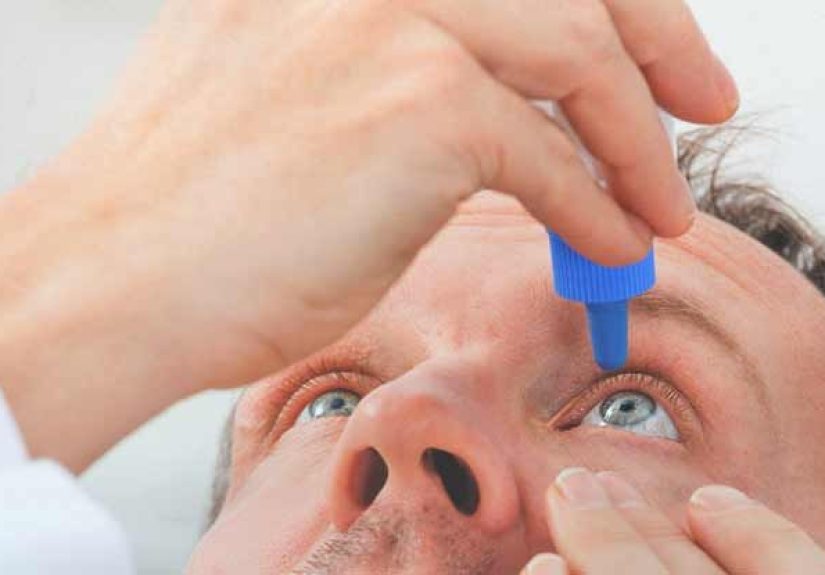
Pull Down the Lower Eyelid
With one hand, pull your lower eyelid down and away from the eyeball to create a small pocket. This pocket is the target. The drop should go there, not directly onto the center of the eye. Your cornea would like to thank you in advance.
-
Hold the Bottle Above the Eye Without Touching It
Hold the bottle upside down with the other hand. Rest your hand on your forehead or brow if that helps steady it. Bring the tip close to the eye, but do not let it touch your eye, eyelashes, eyelid, fingers, or any other surface.
-
Squeeze One Drop Into the Pocket
Gently squeeze out one drop unless your prescription says otherwise. In most cases, one drop is enough. A second drop usually just rolls away and auditions for a dramatic exit down your cheek.
-
Close Your Eye Gently
Let go of the lower eyelid and close your eye softly. Do not squeeze your eye shut. Do not blink rapidly. Think “calmly close” rather than “defend the castle.”
-
Press the Inner Corner of the Eye
Use a fingertip to apply gentle pressure to the inner corner of your closed eye, near the nose, for 1 to 2 minutes. This is called punctal occlusion. It helps keep the drop from draining too quickly through the tear duct and can help more medication stay where it is needed.
-
Blot Any Extra Liquid
If excess liquid spills onto the skin, wipe it away with a clean tissue. Then recap the bottle right away. Do not wipe or rinse the dropper tip unless your product instructions specifically say to do so.
-
Wash Your Hands Again
If any medication got on your fingers, wash it off. This is especially helpful with medicated drops that can irritate skin or should not accidentally end up somewhere else.
If You Use More Than One Eye Drop
Spacing matters. A safe general rule is to wait at least 5 minutes between different eye drops unless your doctor or label tells you to wait longer. Some prescription products specifically say 10 minutes, so always follow the product instructions if they are more specific than the general rule.
If you use both drops and a thicker product such as a gel or ointment, use the watery drops first and the thickest product last. Otherwise, the thicker product can block the thinner one from getting where it needs to go. Eye ointments are especially useful at bedtime, but they can blur vision for a while, so they are not ideal right before a highway drive or a spreadsheet marathon.
How to Use Eye Drops With Contact Lenses
If you wear contact lenses, do not assume every bottle is lens-friendly. Many medicated drops, and some lubricating or allergy products, should be used only after lenses are removed. A common label instruction is to wait 10 to 15 minutes before reinserting soft contacts, especially when the product contains preservatives such as benzalkonium chloride.
Preservative-free artificial tears are often a better choice for people who use lubricating drops frequently or who have sensitive eyes. Some lubricating drops are specifically made for contact lens wear, but the wording on the label matters. “Eye drops” and “contact lens rewetting drops” are not always the same thing.
Common Eye Drop Mistakes to Avoid
Touching the Dropper Tip
If the tip touches your eye, lashes, or fingers, the bottle can pick up germs. That is a contamination problem, not a tiny oops.
Putting in Too Many Drops
More is not always better. If your instructions say one drop, use one drop. The eye can only hold so much liquid at once.
Blinking or Squeezing Right Away
Hard blinking pushes the medicine out before it has time to settle. Gentle closure is the goal.
Forgetting to Wait Between Products
Back-to-back drops can wash each other out. This is one of the most common ways people accidentally reduce the benefit of their medications.
Using Someone Else’s Eye Drops
That is a no. Sharing bottles can spread infection and mix up prescriptions. Eye drops are personal, like toothbrushes and awkward browser history.
Using Old, Expired, or Recalled Products
If a bottle is expired, has changed appearance, or has been part of a safety alert, stop using it and replace it. Eye products need to be taken seriously because contamination can lead to real harm.
Helpful Tips if Eye Drops Make You Nervous
A lot of people are not “bad at eye drops.” They are just tense, and their eyes react like they are about to dodge a meteor. A few small adjustments can help:
- Use a mirror until the motion feels familiar.
- Lie down if standing makes you flinch.
- Rest the hand holding the bottle against your forehead for stability.
- Ask a trusted person to help if self-application is too stressful.
- Take one slow breath before the squeeze instead of rushing.
- Practice the steps once with a closed bottle so your hands know the routine.
If you still struggle, talk with your eye doctor or pharmacist. They can often demonstrate a better technique or suggest devices that help guide the bottle into position.
When to Call a Doctor
Seek medical advice if you have severe pain, major redness, worsening swelling, vision changes, discharge that looks like pus, signs of an allergic reaction, or symptoms that do not improve as expected. Get urgent help right away for a chemical splash, a serious eye injury, sudden loss of vision, or severe infection symptoms.
You should also check in with a professional if the dropper tip touched your eye and you are unsure whether the bottle is still safe, if your medication burns far more than expected, or if you are confused about the schedule. Prescription eye drops only work when used correctly, and guessing is a lousy long-term eye care strategy.
Choosing the Right Eye Drops for the Job
Artificial Tears
These lubricate the eye and are often used for dry eye, screen fatigue, wind exposure, and mild irritation. If you need them often, preservative-free products may be more comfortable.
Allergy Eye Drops
These are designed for itchy, watery eyes related to allergies. They are different from plain lubricating drops, so choose based on symptoms rather than bottle color or wishful thinking.
Prescription Eye Drops
These include glaucoma medications, anti-inflammatory drops, antibiotics, steroids, and other treatments that require close adherence to dosing instructions. With prescriptions, timing and technique matter a lot.
Redness-Relief Drops
These can temporarily make eyes look whiter, but they are not a long-term fix for ongoing irritation. If your eyes are frequently red, it is better to figure out why than to keep chasing the symptom with cosmetic rescue drops.
Final Thoughts
Learning how to use eye drops correctly is one of those small skills that pays off fast. Clean hands, one drop, lower-lid pocket, no touching the tip, gentle eye closure, and a minute or two of pressure at the inner corner can make a big difference. Once you have the rhythm down, the process becomes less awkward, less wasteful, and a lot more effective.
If eye drops still feel impossible, do not just suffer through it in silence. Ask your eye doctor, pharmacist, or care team to watch your technique. A 30-second demonstration can save weeks of frustration. Your eyes have enough to deal with already. They do not need a daily wrestling match with a plastic bottle.
Real-Life Experiences: What Using Eye Drops Is Actually Like
The first experience many people have with eye drops is pure overconfidence. They look at the bottle, look at the eye, and think, “How hard could this be?” Then the bottle hovers overhead, the eye senses incoming activity, and suddenly the body behaves as if it is dodging a snowball. A very common early experience is missing the eye entirely, then trying again too quickly, and somehow creating a small weather event around the face. That is normal. Not glamorous, but normal.
People with dry eye often describe a learning curve that has less to do with courage and more to do with routine. At first, the drops feel like a chore. After a while, they become part of a pattern: drops after waking up, maybe again during screen-heavy work, maybe once more at bedtime. The people who do best tend to set up their environment to make success easy. They keep the bottle where they actually use it, not in some heroic location that looks organized but is impossible to remember. They use a mirror until muscle memory develops. They learn that one calm drop works better than three panicked ones.
Contact lens wearers often have a different story. Their biggest surprise is usually that not every eye drop belongs anywhere near a contact lens. Many discover this only after their eyes feel filmy, irritated, or suddenly annoyed for mysterious reasons. Once they understand the difference between lens-safe rewetting drops, preservative-free artificial tears, and medicated products that require lens removal, life gets much easier. A lot of frustration disappears when the label is treated like instructions instead of decorative bottle poetry.
People using prescription eye drops for chronic conditions, such as glaucoma, often say the hardest part is not the drop itself. It is consistency. The challenge becomes remembering the right time, the right eye, and the right spacing when there is more than one medication involved. The most successful patients usually build a system: alarms, a checklist, a written schedule near the sink, or pairing the drops with a daily habit like brushing teeth. Precision beats memory when life gets busy.
Parents helping children with eye drops describe the experience as somewhere between nursing care and hostage negotiation. Children blink, twist, squirm, and become instantly suspicious of any adult holding a tiny bottle. What helps most is calm repetition, a simple explanation, and a predictable routine. Adults who stay matter-of-fact usually get better results than adults who turn it into a dramatic event. Kids notice panic. So do eyeballs, frankly.
There is also a mental shift that happens once people realize eye drop technique is not about bravery. It is about setup. Good lighting, a stable hand, a slower pace, and a practiced sequence solve most of the struggle. The bottle stops feeling like an enemy and starts feeling like a tool. That is the point where people usually say, “Oh, this is actually manageable.” And that is the real win: not perfection, but confidence.