Table of Contents >> Show >> Hide
Childhood memories are often fleeting, slipping through our minds like sand through fingers. But what if we could capture and preserve these moments in a tangible way that lasts a lifetime? That’s where the creative blend of art and technology comes in. Cast metal sculptures derived from prints or other childhood relics provide a unique way to memorialize memories, transforming fleeting moments into solid, lasting pieces of art. Let’s dive into the fascinating world of casting metal from prints to solidify those cherished childhood memories and how technology and craftsmanship bring these precious moments to life.
Why Cast Metal? The Power of Tangibility
There’s something special about having a physical representation of a moment in time. While photographs and videos serve their purpose, they can’t capture the same depth of texture and emotional connection as something you can hold in your hands. Metal casting takes this idea a step further. When a metal piece is cast, it’s a physical manifestation of a memory, offering an immersive experience that connects with the senses in a way that images and video cannot.
Imagine capturing the outline of your child’s handprint or a cherished toy’s shape in durable metal. These metal keepsakes don’t just look amazing; they’re permanent, and they have weight. They carry with them the weight of memories, the weight of years, and the weight of the emotions tied to those memories. Whether it’s a simple fingerprint, a footprint, or a more intricate item like a favorite toy or a beloved object, metal casting brings these items into the realm of the eternal.
The Process of Casting Metal from Prints
The process of turning prints into solidified memories begins with creating a mold of the object or print you wish to preserve. Here’s how it generally works:
Step 1: Choose the Print or Object
The first step is selecting the memory you want to preserve. It could be something as simple as a baby’s first footprint, the handprint of a growing child, or even the impression of a favorite stuffed animal. The object you select will determine how you approach the rest of the process, whether you’ll use traditional molds or 3D scanning technology.
Step 2: Create a Mold or Scan the Object
To create a mold, artisans typically use a non-toxic material like silicone or rubber to capture the detail of the print. This step requires precision to ensure that every contour and texture is accurately reflected. For more complex objects, 3D scanning technology can be employed. A 3D scanner captures the minute details of the object and creates a digital model, which can then be translated into a mold for casting.
Step 3: Pour the Metal
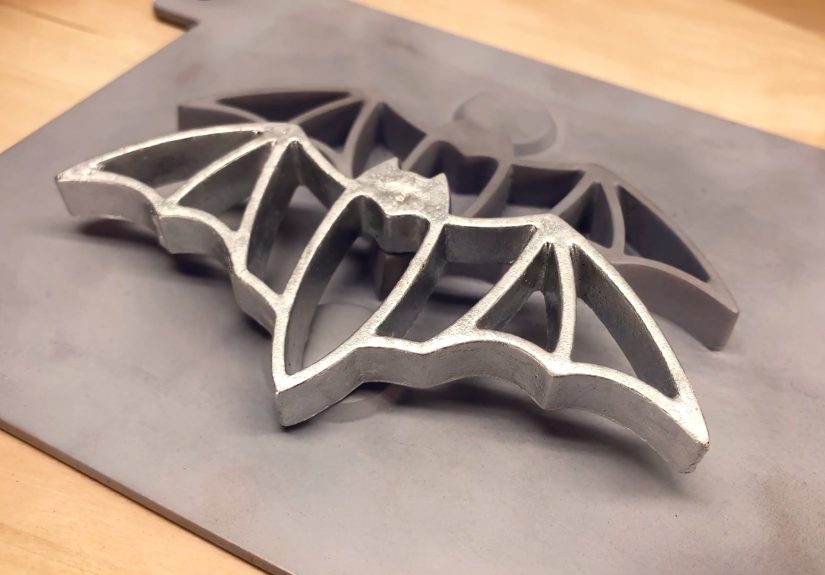
Once the mold is prepared, the next step is to select the metal that will bring the memory to life. Common metals used for casting include bronze, aluminum, or silver. The metal is heated to a molten state and carefully poured into the mold. The liquid metal then solidifies as it cools, capturing all the details of the print or object within it.
Step 4: Finishing Touches
After the metal cools, the final step involves finishing the piece. This can include polishing, adding patinas for an aged look, or even adding additional artistic elements to further personalize the piece. The result is a stunning, timeless piece of metal art that solidifies a moment from your past, making it something you can hold onto for years to come.
Real-World Examples: From Childhood Prints to Metal Masterpieces
Let’s explore some real-world applications where this technique has been used to preserve childhood memories:
Baby Handprints and Footprints
One of the most popular applications for casting metal from prints is creating keepsakes from a child’s handprints or footprints. Many parents choose to cast these prints in metal as a way to preserve their child’s tiny hands and feet as they grow. This could be something as simple as a small handprint plaque made of bronze or a full-body sculpture. It’s a sentimental item that becomes even more meaningful as time passes and the child grows older.
Favorite Childhood Toys
Another great example of casting metal to preserve memories is to turn a beloved childhood toy into a lasting tribute. Imagine turning a well-loved stuffed animal or a favorite action figure into a solid, metal sculpture. This technique captures the essence of the toy in its original form, allowing it to serve as a permanent reminder of the comfort and companionship it provided during childhood.
Special Milestones: Birthdays, Holidays, and More
Many people also choose to commemorate milestones like birthdays, holidays, or other important events by casting significant objects in metal. Whether it’s a birthday crown, a toy truck from a child’s first birthday, or a treasured family heirloom, the possibilities for using metal casting to solidify memories are endless. The ability to capture such moments in durable materials ensures that they can be passed down for generations.
Why This Process Resonates with So Many People
Metal casting to preserve memories resonates with many people because it combines the timeless nature of metal with the deeply personal significance of childhood memories. It offers a way to preserve not only the object but the feeling associated with it. Holding a metal sculpture of a beloved childhood toy can trigger vivid memories, bringing a sense of nostalgia and emotional connection that other forms of preservation simply cannot match.
Moreover, casting metal from prints provides a sense of permanence. Unlike photos or videos that can degrade over time or be lost in digital archives, a metal sculpture stands the test of time. It becomes a legacy, a family heirloom that can be passed down for generations, retaining its sentimental value throughout the years.
Conclusion: A Lasting Tribute to Childhood
Cast metal sculptures are a remarkable way to preserve childhood memories, allowing individuals to memorialize moments that might otherwise fade into the past. Whether it’s a handprint, a toy, or a cherished object, casting metal transforms these memories into permanent, tangible treasures. The process, which combines art, technology, and craftsmanship, not only preserves these memories but also adds an element of artistry and beauty to them, making them something truly special.
So, the next time you wish to hold onto a precious childhood memory, consider casting it in metal. It’s a creative, meaningful way to ensure that the memories you cherish will endure for years to come, providing future generations with a glimpse into the past through the artistry of metalwork.
Experiences and Reflections: Preserving Childhood Memories through Metal Casting
Metal casting has always been seen as a practice steeped in both artistry and tradition. The art of transforming a simple print or object into solid metal offers a deeply personal and meaningful way to preserve memories. I personally found the process of casting metal from prints to be incredibly moving. When I first saw a handprint transformed into a beautifully cast bronze sculpture, I realized that the memory had been elevated to something much more significant than just a snapshot or a fleeting moment. It had become a permanent piece of art, a solid representation of a time and place in my life that would never fade.
One of the most memorable experiences I had was during a family reunion, where we decided to create metal castings from the handprints of the children and grandchildren. The process itself was fascinating – watching the molds take shape and the metal being poured into the casts, knowing that the memory would endure long after the event was over. The excitement on the faces of the children as they saw their prints transformed into solid objects was priceless. It was a powerful reminder that, through art and craftsmanship, we can preserve the most precious moments of our lives in ways that go beyond the ordinary.
For me, casting metal from prints not only allowed me to capture a memory, but it gave me a deep appreciation for the permanence that metal can offer. It’s one thing to take a picture or video, but it’s another to create something that physically exists in the world and can be held, admired, and passed down. In a world where everything feels so transient, the act of solidifying a memory into metal gives us the chance to hold on to the past in a way that’s both tangible and timeless.