Table of Contents >> Show >> Hide
- What is cholinergic urticaria?
- Symptoms: What cholinergic urticaria looks and feels like
- What triggers cholinergic urticaria?
- Causes: What’s happening under the hood?
- Who’s at risk?
- How it’s diagnosed
- Treatment: What actually helps
- Practical strategies for daily life
- Cholinergic urticaria vs. heat rash vs. “regular” hives
- When to see a doctor
- Outlook: Does cholinergic urticaria go away?
- Frequently asked questions
- Real-life experiences with cholinergic urticaria (and what helped)
- SEO tags
Ever start a workout feeling like a hero… and end it feeling like a human scratch ticket? If your skin breaks out in
tiny, itchy hives when you get warm or start sweating, you might be dealing with cholinergic urticaria
(sometimes nicknamed “heat hives”). It’s common, it’s real, and it can be wildly annoyingespecially if your triggers
include “exercise” and “existing on planet Earth in summer.”
This article explains what cholinergic urticaria is, what it looks like, what causes it, and what treatments (and
practical strategies) can actually help. It’s educationalnot a substitute for medical careso if your symptoms are
severe or include breathing problems, treat that as urgent.
What is cholinergic urticaria?
Cholinergic urticaria is a type of inducible (physical) urticariameaning hives show up in response to a
specific trigger. In this case, the trigger is usually a rise in body temperature and the
start of sweating. For many people, it happens during exercise, hot showers, stress, spicy foods, or
stepping from a cool room into hot outdoor air.
The word “cholinergic” relates to acetylcholine, a chemical messenger involved in the body’s “rest and digest”
nervous system and sweating signals. Researchers still debate the exact mechanism, but the result is the same:
your immune system’s “alarm” goes off when your body heats up, and your skin reacts with hives.
Symptoms: What cholinergic urticaria looks and feels like
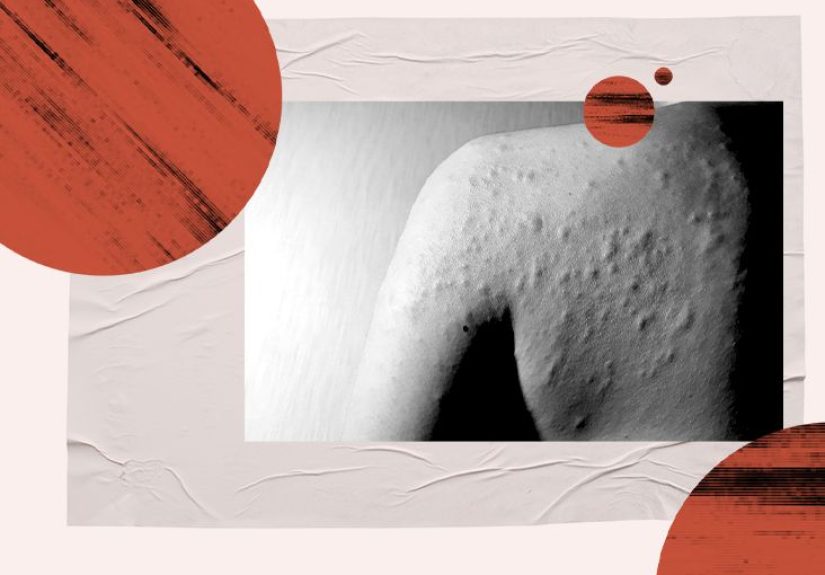
Cholinergic urticaria often has a signature look: many small, pinpoint bumps on a reddish background.
People describe it as looking like a “rash of tiny dots” that can merge into larger welts.
Common symptoms
- Small hives (often pinpoint-sized) that appear shortly after you begin sweating
- Itching, sometimes intense (the kind that makes you question your life choices)
- Burning, tingling, or warmth on the skin
- Redness around the bumps; welts may join together
- Usually shows up on the upper trunk, arms, neck, or face, but can occur elsewhere
- Often lasts 20–30 minutes, though it can hang around longer for some people
Less common (but important) symptoms
Most cases stay on the skin, but some people experience additional symptomsespecially during intense exertion or
extreme heat:
- Wheezing or shortness of breath
- Lightheadedness or fainting
- Heart palpitations
- Stomach upset or diarrhea
Emergency note: In rare cases, cholinergic urticaria can occur alongside
exercise-induced anaphylaxis. If you get hives plus trouble breathing, throat tightness, swelling of
the lips or tongue, fainting, or severe dizziness, seek emergency care immediately.
What triggers cholinergic urticaria?
Triggers are anything that raises your core temperature or makes you sweat. Many people have more than one trigger,
and the exact “dose” of heat or exertion needed can change day to day.
Common triggers
- Exercise (especially high intensity or in warm conditions)
- Hot showers, saunas, hot tubs, steam rooms
- Hot weather or moving from cold air-conditioning into heat
- Emotional stress, anxiety, anger (yes, your feelings can give you hivesrude, but true)
- Spicy foods and sometimes hot beverages
- Fever or illness that increases body temperature
Causes: What’s happening under the hood?
The short version: when your body warms up, chemical signals involved in sweating and temperature regulation
interact with immune cells in the skin (especially mast cells). Those cells can release
histamine and other inflammatory chemicals, which leads to hives and itching.
The longer (still human) version: experts don’t agree on one single cause for everyone. Research suggests there may
be different “flavors” of cholinergic urticaria, such as:
- Sweat-related immune reactions (some people may react to components of their own sweat)
- Sweat duct or gland involvement (where sweating triggers irritation/inflammation)
- Overactive cholinergic signaling (acetylcholine-related pathways may be more reactive)
- Atopic tendencies (people with allergic rhinitis, asthma, or eczema may be more prone)
In other words: it’s not “just sensitive skin.” It’s a real, physiologic reactionand it can be managed even if
we can’t always point to one tidy root cause.
Who’s at risk?
Cholinergic urticaria can affect anyone, but it commonly shows up for the first time in
adolescence through early adulthood. It may be more likely if you also have other allergic or
atopic conditions (like asthma, eczema, or hay fever), a tendency toward heavy sweating, or a family history of
similar symptoms.
How it’s diagnosed
Diagnosis usually starts with a detailed historybecause the “when” is often the biggest clue. A clinician will ask
questions like: How soon do the hives appear after sweating? How long do they last? Do hot showers trigger it? What
happens if you cool down?
Tests that may be used
- Exercise challenge (e.g., treadmill or bike) to trigger sweating under observation
- Passive warming (raising body temperature with a warm bath or heated room)
- Methacholine skin test in select cases (used by some specialists)
Testing isn’t always necessary, but it can help confirm the diagnosis and distinguish cholinergic urticaria from
other heat- or exercise-related reactions.
Treatment: What actually helps
There’s no one-size-fits-all cure, but most people can reduce symptoms significantly with a combination of
medications and smart trigger management. The goal is usually control, not perfection.
1) Antihistamines (usually first-line)
Second-generation H1 antihistamines (often called “non-drowsy” antihistamines) are commonly used.
Some people take them daily; others take them before expected triggers. If standard dosing isn’t enough, clinicians
sometimes recommend higher doses under supervision.
2) Add-on medications (case-by-case)
If antihistamines alone aren’t working, a clinician might consider add-ons depending on your symptoms and history.
Examples can include certain asthma medications, blood pressure medications used for symptom control in select cases,
or anticholinergic (sweat-reducing) medications when sweating is a major driver.
3) Biologic therapy for refractory cases
For severe, persistent symptoms that don’t respond to optimized antihistamines, specialists may consider
omalizumab (an anti-IgE biologic) based on evidence in chronic urticaria and reports/series in
inducible urticarias, including cholinergic urticaria. This is specialist territory, but it’s worth knowing the
option exists.
4) If there’s risk of anaphylaxis
If you’ve had systemic symptoms (like wheezing, fainting, or throat tightness) with exercise and hives, your clinician
may evaluate you for overlap with exercise-induced anaphylaxis and advise carrying an epinephrine auto-injector.
This is not the typical cholinergic urticaria experiencebut it’s an important safety line.
Practical strategies for daily life
Medications matter, but so does your “anti-itch game plan.” These strategies can reduce flare-ups without turning
your life into a bubble-wrapped museum exhibit.
Heat and sweat hacks
- Warm up gradually instead of going from zero to sprint (sudden heat spikes are common troublemakers)
- Exercise in cooler windows (early morning/evening) or in climate-controlled spaces
- Choose breathable, sweat-wicking fabrics and avoid tight, heat-trapping layers
- Keep a “cool-down kit”: cold water, fan, cool towel, or cooling spray
- Take warmnot hotshowers and end with a brief cool rinse if tolerated
- Watch spicy foods/alcohol before workouts or hot environments if they trigger you
Tracking triggers without becoming a detective full-time
If symptoms are frequent, a quick note in your phone can help you spot patterns:
heat level, exercise intensity, stress, foods, shower temperature, time of day, and what helped. Dermatologists often
recommend tracking flaresespecially if hives persist or interfere with sleep, work, or exercise routines.
Cholinergic urticaria vs. heat rash vs. “regular” hives
It’s easy to confuse cholinergic urticaria with other rashes. Here are simple distinctions:
- Cholinergic urticaria: rapid onset of small hives after sweating/temperature rise; often improves with cooling.
- Heat rash (miliaria): related to blocked sweat ducts and humidity; can linger and look more like prickly bumps than wheals.
- Acute allergic hives: may occur after foods, medications, infections, or unknown triggers; not necessarily tied to heat/sweat.
When to see a doctor
Make an appointment if your symptoms are frequent, worsening, or affecting daily activities. Seek urgent care if you have:
- Difficulty breathing, wheezing, or chest tightness
- Swelling of lips, tongue, or throat
- Fainting, severe dizziness, or confusion
- Hives plus vomiting or severe abdominal pain during exercise
Outlook: Does cholinergic urticaria go away?
For many people, cholinergic urticaria improves over timesometimes resolving after a few years, sometimes becoming
less intense with age. The timeline is unpredictable, but the condition is often manageable with a treatment plan
tailored to your triggers and lifestyle.
Frequently asked questions
Is cholinergic urticaria dangerous?
Most cases are not dangerousjust uncomfortable. The main safety concern is the rare overlap with exercise-induced
anaphylaxis, which is why breathing symptoms or fainting should be evaluated urgently.
Can I still work out if I have cholinergic urticaria?
Often, yes. Many people continue exercising by using pre-treatment (if recommended), adjusting workout intensity,
choosing cooler environments, and building in smart cool-down strategies.
Is it an allergy to sweat?
Some people may have immune reactivity related to sweating, but cholinergic urticaria isn’t always a classic “allergy”
in the way food allergies are. Think of it more as an immune-triggered hives response tied to heat and sweating signals.
Real-life experiences with cholinergic urticaria (and what helped)
The most frustrating part of cholinergic urticaria is how it can make normal, healthy thingslike exercise, a hot
shower, or a stressful dayfeel like a booby trap. People often describe a pattern: they start to warm up, then within
minutes they feel prickling or itching, and tiny hives pop up like an unwanted party confetti cannon.
One common experience is the “first-mile flare.” A runner might be fine walking to the gym, but once the pace picks up,
the itching starts on the chest and neck. The good news: many people learn that how they warm up matters
as much as that they exercise. Switching from an instant sprint to a slow, steady warm-upfive minutes of
easy movement before intensitycan reduce that sudden spike in body temperature that sets off hives. Some also find that
short breaks and deliberate cooling (fan, cold water, cool towel) can help the flare pass faster.
Another classic story is the “shower surprise.” You step into a hot shower thinking you’re doing self-care, and your skin
responds with: “Absolutely not.” People who succeed here usually don’t swear off showers (thankfully). Instead, they
adjust the temperature to warm rather than hot and keep showers shorter. Some finish with a quick cool rinsejust enough
to bring the skin temperature down without feeling like they’re training for a polar expedition.
Stress-triggered flares can feel especially unfair: you’re already anxious, and now your skin is also anxiousloudly.
People often notice flares during presentations, arguments, or high-pressure moments. What helps isn’t “just relax”
(deeply unhelpful advice), but practical tools: paced breathing, stepping into a cooler space, and wearing breathable
clothing that doesn’t trap heat. Over time, recognizing stress as a trigger can reduce the “mystery factor,” which itself
lowers stress. Yes, it’s annoyingly circularbut sometimes you can make the circle work for you.
Many people also experiment with food triggers, especially spicy meals before activity. Some find that spicy foods or
alcohol act like a “multiplier” when combined with heat or exercise. The workaround isn’t a joyless diet; it’s timing.
If you know you’re going to exercise in the afternoon, you might save the extra-spicy lunch for a rest day, or keep
your pre-workout meal simpler and cooler.
Perhaps the most empowering experience people report is this: once they get a clear diagnosis and a plan (often a
well-chosen antihistamine routine plus smarter cooling strategies), they stop fearing their own body’s thermostat.
Cholinergic urticaria can still flareespecially with heat waves, intense workouts, or stressful weeksbut it becomes
something you manage, not something that manages you. And that’s the real win: less scratching, more living.