Table of Contents >> Show >> Hide
- What Is Clé Guild New California Willow, Exactly?
- The “New California” Vibe: Why This Collection Feels Different
- Meet “Willow”: The Color That Can’t Decide (In the Best Way)
- Where Clé Guild New California Willow Looks Best
- Layouts That Make Willow Shine
- Grout: The Sneaky Design Decision That Changes Everything
- The Handmade Reality Check (A Love Letter, With Boundaries)
- Planning, Pricing, and Lead Times (The Grown-Up Section)
- So… Is Clé Guild New California Willow Worth It?
- Field Notes: Real-World Experiences With New California Willow (Extra )
If you’ve ever looked at a plain white wall and thought, “Nice… but could it feel more like a foggy morning on Highway 1 with a cappuccino in hand?”
then welcome. Clé Guild New California Willow is the kind of tile that makes “neutral” feel like a personality, not a compromise.
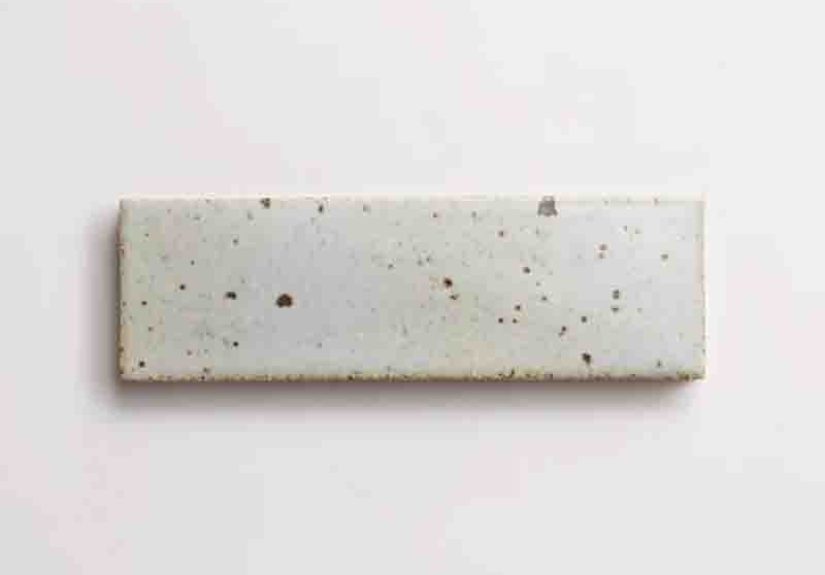
It’s a glazed thin brick with a satin-matte finish and soft, speckled movementsubtle enough for minimalists, interesting enough for people who
alphabetize their spice rack and still want drama.
In this guide, we’ll break down what Willow is, why designers keep reaching for it, where it works best (and where it can get moody),
plus the real-world planning detailslayout, grout, sealing, overage, and how to avoid that “why didn’t anyone tell me handmade tile is… handmade”
moment. Spoiler: it’s not a flaw; it’s the whole point.
What Is Clé Guild New California Willow, Exactly?
Clé Guild New California Willow is part of Clé’s New California collectionhandcrafted glazed brick tile that leans into
California’s landscape: cool coastal grays, warm earth notes, and organic variation that looks like nature did the glazing (then handed it to a kiln).
Willow, specifically, sits in that “not-quite-white, not-quite-gray” zone with speckling that can read silvery blue-gray, sandy tan, or both depending
on lighting and grout choice.
Quick Specs (The Stuff Your Installer Will Ask You About)
- Format: Thin brick / rectangular tile
- Size (nominal): 2.5" x 8" x 0.5" (expect natural size variation)
- Finish: Satin / satin-matte glazed surface
- Recommended grout joint: Traditionally wider (often around 3/8" for this brick look)
- Typical uses: Backsplashes, shower walls (including steam showers with proper detailing), fireplaces, interior floors (light residential), and morealways follow material guidelines for your specific application
Translation: it’s built to be a hardworking surface, but it’s also a “design object.” The kind you catch yourself staring at while your pasta boils.
The “New California” Vibe: Why This Collection Feels Different
Lots of tile brands can do “white subway.” New California is playing a different game: it’s about time and place. The collection pulls inspiration
from Northern California’s coastheadlands, beaches, woodsand the mid-century craft energy that made California design so influential in the first place.
The glazes are made to feel dimensional, with natural variation baked in. That’s why the surface can look calm from across the room, then richly complex
when you’re close enough to read the speckles like tea leaves.
It’s also why two installations can feel totally different. New California isn’t trying to be perfectly uniform; it’s trying to be alive.
Think of it like sourdough starter: predictable enough to trust, wild enough to keep things interesting.
Meet “Willow”: The Color That Can’t Decide (In the Best Way)
Willow is often described as a cool, light tone with warm, earthy spottinglike a pale fog-gray got freckles from a beach picnic.
In daylight, it can lean airy and coastal. Under warm bulbs, it can pick up more of the tan speckle and feel cozy.
Under cooler LEDs, it may look cleaner and slightly more silvery.
Why Designers Love Willow
- It’s a “soft white” without being boring. If pure white feels too crisp, Willow gives you a gentler landing.
- It plays well with both warm and cool palettes. Walnut? Oak? Painted cabinets? Brass? Chrome? Willow rarely picks a fight.
- It hides real life. A tile with movement is forgivingwater spots, daily splashes, and the occasional “How did marinara get up there?” moment.
Where Clé Guild New California Willow Looks Best
1) Kitchen Backsplash (The Classic Flex)
Willow is a backsplash power move for people who want something elevated but not loud. It adds texture behind open shelving, complements stone counters
without competing, and can soften modern kitchens that feel a bit too “showroom.”
Pairing idea: warm wood cabinets + Willow + simple hardware. Let the tile do the talkingquietly, like a confident adult.
2) Shower Walls (Spa Energy Without the Spa Invoice)
In bathrooms, Willow reads fresh and serene. It’s especially good in vertical or stacked layouts that emphasize height, or in classic running bond for a
more traditional brick feel. In wet areas, the details matter: proper waterproofing, grout choice, and sealing where needed are non-negotiable.
3) Fireplace Surrounds (Yes, Really)
This is where Willow can look spectacularits satin finish catches light without turning into a mirror, and the speckling adds depth around the hearth.
If you’ve ever wanted a fireplace that feels modern but not cold, Willow is a strong contender.
4) Light-Residential Floors (Texture That Ages Gracefully)
Brick-format tile on floors can develop a natural patina over timeespecially in high-traffic areas. That’s part of the charm. The key is choosing the
right grout, keeping cleaning gentle, and embracing that handcrafted look.
Layouts That Make Willow Shine
Running Bond (Brick Traditional)
The most familiar option, and for good reason: it looks timeless. If you want Willow to feel like it’s always belonged in the space, start here.
Vertical Stack (Modern, Taller, Sleeker)
Vertical stacking can make a shower feel taller and more architectural. It also puts grout decisions in the spotlight, so choose wisely.
Herringbone (Movement on Movement)
If your room needs visual energy, herringbone adds it. Willow’s speckling keeps the pattern from feeling flat, but it also means your installer needs to
take layout seriouslythis is not the moment for “close enough.”
Pro Tip: Dry Layout Isn’t Optional
With handmade tile, you’ll want to open multiple boxes, mix pieces, and lay them out before installing. This helps distribute variation naturally and avoid
“Oops, this corner got all the freckles.”
Grout: The Sneaky Design Decision That Changes Everything
Grout is not just the stuff that keeps tile from falling off the wall. It’s the frame around the artwork. With Willow, grout can either make the installation
feel seamless and calm, or crisp and graphic.
How to Choose Grout Color for Willow
- Light grout: Softer, more uniform, more “spa.” Great for small rooms where you want calm.
- Medium grout: Highlights the brick format and adds structuregood for transitional kitchens.
- Contrasting grout: Makes the pattern pop, but can emphasize variation and any surface crazing. Gorgeous when intentional. Risky when accidental.
And yeswide grout joints are part of the brick aesthetic. Just remember: grout width affects how many tiles you need, so planning and math matter
(and your future self will thank you).
The Handmade Reality Check (A Love Letter, With Boundaries)
Handmade tile is like a good indie band: the quirks are the point. With New California Willow, you should expect variation in color, shade, texture, and size.
You may also see features like iron spotting, occasional wire-cut grooves, and (depending on the glaze and batch) some surface crazing.
What That Means for Your Project
- Order more than you think. Standard overage is often at least 15%, but many homeowners go higher for handmade brick so an installer can select pieces for the most cohesive look.
- Samples are helpful, but not the whole story. Because batches vary, one sample can’t represent an entire order. Multiple samples give a truer read.
- Add-on orders can be tricky. If you run short later, the new batch may not match exactly. Buy enough up front when possible.
Do You Need to Seal Willow?
Sealing depends on the application and the look you’re going for. In wet areas, sealing grout lines and any visible crazing is commonly recommended as a final
step. If you’re using a contrasting grout or you notice crazing on the tile surface, many pros use a penetrating sealer or grout release before grouting to
keep cleanup manageable.
What About Trim Pieces?
Brick tile collections often skip traditional trim. Instead, installers may miter corners, run clean caulk or grout edges, paint exposed edges to match adjacent
surfaces, or build out drywall so the tile terminates flush. It’s a more architectural approachand when done well, it looks custom.
Planning, Pricing, and Lead Times (The Grown-Up Section)
New California Willow is a premium, small-batch tile. That usually means higher cost and longer timelines than mass-produced ceramic. Depending on availability,
it may be listed as restocking or made-to-order with lead times that can stretch weeks. If your project has a hard deadline (hello, holiday hosting), plan early.
Budgeting Tips That Actually Help
- Start with the area (sq ft), then add overage based on complexity and your tolerance for variation.
- Factor in installationhandmade brick takes time, and time is money.
- Don’t cheap out on prep in wet zones: waterproofing, correct setting materials, and proper sealing protect your investment.
So… Is Clé Guild New California Willow Worth It?
If you want perfectly uniform, factory-consistent tileprobably not. But if you want a surface that feels crafted, layered, and quietly special every single day,
Willow is a strong choice. It’s a neutral that behaves like a texture, and a brick tile that can read refined instead of rustic. Done well, it makes a room feel
designed without feeling “designed.”
The best way to know is to sample like you mean it (more than one piece), view it in your lighting, and decide whether you smile when you see
the speckles. If you do, congratulations: you’re a Willow person now.
Field Notes: Real-World Experiences With New California Willow (Extra )
People’s most common “first impression” experience with Clé Guild New California Willow is surpriseusually the pleasant kind. The tile often
looks quieter online, then shows up with more depth in person. Homeowners describe the speckling as the thing that makes it feel “not builder-basic,” especially
when it’s installed across a bigger surface like a shower or full-height backsplash. The second surprise is how much lighting changes the read. In a north-facing
bath, Willow can lean cooler and more misty; in a warm-lit kitchen, the tan notes come forward and everything feels a bit more sun-washed. A smart move many
designers recommend: tape sample tiles to a board and move them around the room over a full day. Yes, it’s slightly unhinged. It’s also cheaper than regret.
The most frequent “learning curve” experience is grout. People tend to underestimate grout’s visual power, then realizemid-installationthat grout is basically
eyeliner for tile. A light grout often gives Willow an easy, spa-like look. Medium grout can make the brick pattern feel more intentional. Contrasting grout?
That’s the espresso shot: bold, defined, and not for the faint of heart. Homeowners who love contrast usually love it forever. People who were “just trying
something fun” sometimes wish they’d kept it softer. If you’re torn, a practical strategy is to do a mini mock-up: set a handful of tiles with your top two grout
colors on a scrap board. It’s the tile equivalent of trying on outfits before a big eventno one wants to commit to a look that only works in theory.
Another widely shared experience is the “handmade moment”: opening boxes and noticing that pieces aren’t identical. Some folks panic; seasoned designers shrug
and say, “Yep, that’s why we’re here.” The best outcomes happen when installers blend tiles from multiple boxes, dry-lay sections, and distribute variation
evenly. Homeowners who take the time to do this often say the finished surface feels more natural and expensiveless like a repeating pattern, more like a
crafted field. People also talk about the satisfying tactility: the satin finish doesn’t scream for attention, but it has enough softness that you notice it
every time you wipe it down or catch light across the surface.
Maintenance experiences are usually positive, with two recurring themes: gentle cleaning wins, and sealing in wet areas is peace of mind. On backsplashes,
most people find mild, pH-neutral soap and a soft cloth do the job. In showers, homeowners tend to appreciate having a clear maintenance routinesqueegee when
you can, ventilate well, and reseal as needed based on your use and your installer’s guidance. The “patina factor” shows up most on floors: over time, a lived-in
softness can develop, which many people actually like because it feels authentic rather than pristine. In other words, Willow doesn’t demand that you live like a
museum curator. It rewards you for living like a personwith good taste and maybe a slight obsession with coastal light.