Table of Contents >> Show >> Hide
- What Evaporated Milk Actually Does in a Recipe
- The Best Evaporated Milk Substitutes, Ranked
- Quick Substitute Table
- The Best Substitute by Recipe Type
- What Not to Use as an Evaporated Milk Substitute
- How to Choose the Perfect Substitute Fast
- Final Thoughts
- Real Kitchen Experiences with Evaporated Milk Substitutes
- SEO Metadata
There are few kitchen plot twists more annoying than this one: you are halfway through a recipe, the onions are sizzling, the pie crust is waiting, and suddenly you realize the can of evaporated milk you thought was in the pantry is actually… tomato soup. Tragic. But not game over.
If you need the perfect substitute for evaporated milk, here is the honest answer: reduced regular milk is the closest overall match, half-and-half is the easiest 1:1 swap, and coconut milk is the best dairy-free alternative. Which one wins depends on what you are making. A pumpkin pie has very different needs than a creamy pasta bake, and your substitute should act accordingly.
This guide breaks down the best evaporated milk substitutes for cooking and baking, explains which options work best in specific recipes, and helps you avoid the classic mistake of confusing evaporated milk with sweetened condensed milk. Because nobody wants accidental dessert-flavored mac and cheese.
What Evaporated Milk Actually Does in a Recipe
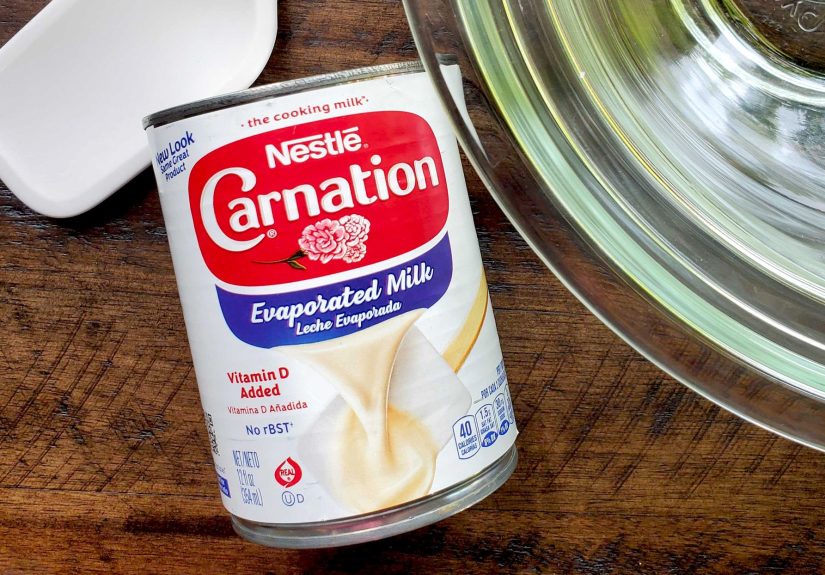
Before swapping ingredients, it helps to know why evaporated milk is there in the first place. Evaporated milk is simply milk with much of its water removed, which gives it a richer texture, a slightly cooked flavor, and a creamier body than fresh milk. It is unsweetened, shelf-stable, and designed to add body without being quite as heavy as cream.
That is why it shows up in so many comfort-food classics. In savory recipes, it makes soups, casseroles, mac and cheese, and sauces creamy without turning them into a dairy avalanche. In baking, it helps create smooth custards and rich fillings, especially in recipes like pumpkin pie, flan, fudge, and tres leches-inspired desserts.
So when you are looking for an evaporated milk replacement, you are not just replacing “milk.” You are replacing thickness, richness, and stability. That is the secret. Once you know that, the best substitute becomes much easier to choose.
The Best Evaporated Milk Substitutes, Ranked
1. Reduced Regular Milk: The Closest Overall Match
If you want the substitute that most closely mimics evaporated milk, use regular milk and reduce it on the stove. This is the best all-around option because you are essentially making your own homemade evaporated milk.
How to do it: start with about 2 1/4 cups of milk and gently simmer it until it reduces to 1 cup. Whole milk gives the best result, but 2% milk can work in a pinch.
This substitute is ideal for recipes where texture really matters, such as custard pies, creamy soups, baked pasta, and sauces. The flavor stays neutral, the consistency is close, and the recipe behaves the way it was meant to.
Best for: pumpkin pie, quiche, soups, casseroles, sauces, and baked desserts.
2. Half-and-Half: The Best No-Fuss 1:1 Substitute
If you do not have time to stand by the stove and watch milk reduce like it is a suspense thriller, half-and-half is your best friend. It can usually be swapped in at a 1:1 ratio and gives you the creamy richness most recipes need.
Half-and-half works especially well in savory dishes and baked custards. It is a little richer than evaporated milk, so the final result may be slightly more luxurious, but that is rarely a problem. In fact, most casseroles will say thank you.
Best for: mac and cheese, scalloped potatoes, quiche, creamy soups, and pies.
3. Heavy Cream Plus Milk: The Smart Custom Blend
Using heavy cream alone can be too rich for some recipes, but blending it with milk creates a solid stand-in for evaporated milk. A good shortcut is 1/4 cup heavy cream plus 3/4 cup milk for every 1 cup of evaporated milk.
This gives you a creamy texture without making the dish overly heavy. It is especially helpful when you want richness, but not the kind of richness that makes a casserole feel like it needs its own tax bracket.
Best for: creamy sauces, gratins, chowders, mashed potatoes, and custard-based desserts.
4. Powdered Milk: The Pantry Hero
Powdered milk is not glamorous. It will never star in a food commercial with soft piano music. But it is incredibly useful. If you have dry milk powder on hand, you can reconstitute it using less water than the package usually calls for to create a more concentrated milk closer to evaporated milk.
In practical terms, use about 60% of the normal water amount when mixing it. This creates a thicker liquid that works surprisingly well in cooking and some baking applications.
Best for: sauces, soups, casseroles, breads, and emergency baking situations.
5. Coconut Milk: The Best Dairy-Free Substitute
If you need a non-dairy substitute for evaporated milk, canned coconut milk is usually the strongest choice. It is naturally thick, creamy, and rich enough to mimic the body of evaporated milk in many recipes.
The only catch is flavor. Coconut milk can bring a subtle coconut note, which is lovely in many desserts and some savory dishes, but maybe not what you want in classic cheddar mac and cheese. Unless your kitchen is very adventurous.
Best for: pumpkin pie, curries, creamy soups, puddings, and dairy-free desserts.
6. Soy Milk and Other Plant-Based Milks
Soy milk is generally the best plant-based milk after coconut milk because it has a more balanced texture and a protein content that makes it behave better in cooking. Oat milk, almond milk, and cashew milk can also work, though thinner options may need to be reduced slightly or thickened with a little cornstarch if the recipe depends on structure.
Cashew milk tends to feel creamier than almond milk, and oat milk can be pleasantly mellow in baked dishes. Still, these are usually better for flexible recipes than for fussy custards.
Best for: soups, baked pasta, sauces, and some desserts where a tiny flavor shift is acceptable.
Quick Substitute Table
| Substitute | How to Use It | Best For | Watch Out For |
|---|---|---|---|
| Reduced whole milk | Simmer 2 1/4 cups down to 1 cup | Most recipes, especially baking | Takes extra time |
| Half-and-half | Use 1:1 | Soups, casseroles, pies | Slightly richer than evaporated milk |
| Heavy cream + milk | Mix 1/4 cup cream + 3/4 cup milk | Sauces, gratins, savory dishes | Can get too rich if you overdo the cream |
| Powdered milk | Mix with less water than usual | Pantry cooking, sauces, baking | Texture depends on brand |
| Coconut milk | Use 1:1 | Dairy-free desserts and creamy dishes | Adds coconut flavor |
| Soy or oat milk | Use as-is or reduce slightly | Flexible savory and sweet dishes | Often thinner than evaporated milk |
The Best Substitute by Recipe Type
For Pumpkin Pie and Custard Pies
Use reduced whole milk, half-and-half, or a cream-and-milk blend. These options provide the body and richness needed for a smooth filling. If all you have is plain milk, the pie can still work, but adding a little cornstarch can help the filling set more reliably.
For Mac and Cheese
Use half-and-half or milk plus a little cream. Evaporated milk is popular in stovetop and baked mac and cheese because it creates a smooth sauce that resists breaking. Your substitute should offer similar creaminess, not just liquid.
For Soups and Casseroles
Use half-and-half, reduced milk, or powdered milk mixed thick. These substitutes work well because soups and casseroles are forgiving. They want comfort, not perfection.
For Desserts and Fudge
Use reduced milk or coconut milk if dairy-free. Be careful with thin plant milks in candy-style recipes because the final texture may be softer than expected.
What Not to Use as an Evaporated Milk Substitute
Do Not Automatically Use Sweetened Condensed Milk
This is the big one. Sweetened condensed milk is not just thicker milk in a cute can. It is sweet, syrupy, and built for desserts. Using it in place of evaporated milk without adjusting the recipe can throw off sweetness, texture, and balance in a dramatic way.
In other words, if your savory casserole suddenly tastes like it has dessert ambitions, this is probably why.
Be Careful with Thin Plant Milks
Unsweetened almond milk or rice milk can work in some situations, but they are often much thinner than evaporated milk. If your recipe depends on body, these can leave you with a watery result unless you reduce them or thicken them slightly.
Do Not Assume All Cream Products Behave the Same
Sour cream, yogurt, and crème fraîche can add richness, but they are not direct substitutes for evaporated milk in most recipes. Their tang and thickness change the formula, and they can curdle or shift the flavor in ways you may not want.
How to Choose the Perfect Substitute Fast
If you only remember one section of this article, make it this one:
- Want the closest match? Reduce whole milk.
- Want the easiest swap? Use half-and-half.
- Want extra richness? Use milk and cream together.
- Want dairy-free? Use canned coconut milk first, soy milk second.
- Want a pantry backup? Use powdered milk mixed with less water.
The perfect substitute for evaporated milk is not one-size-fits-all. It is the one that matches your recipe’s needs: body, fat, flavor, and texture.
Final Thoughts
The best evaporated milk substitute is the one that keeps your recipe creamy, balanced, and believable. For the closest match, homemade reduced milk wins. For convenience, half-and-half is the all-star. For dairy-free cooking, canned coconut milk deserves a standing ovation.
So the next time you are mid-recipe and discover your pantry has betrayed you, do not panic. You do not need to abandon your pie, soup, casserole, or famous holiday mac and cheese. You just need the right backup singer. Evaporated milk may be the star on the label, but with the right substitute, the show still goes on.
Real Kitchen Experiences with Evaporated Milk Substitutes
Over time, the most useful lesson about evaporated milk substitutes is that cooking is less about strict obedience and more about understanding what an ingredient is supposed to do. I have seen people panic when they realize they are out of evaporated milk, as if the entire recipe has entered its villain era. In reality, the dish is usually still very salvageable.
One of the most common real-life scenarios is holiday baking. Someone starts making pumpkin pie, opens the pantry, and discovers everything except the one ingredient they need. In those moments, reduced whole milk tends to save the day. It takes a little patience, but the result is usually close enough that nobody at the table notices a thing. And let us be honest: if whipped cream is involved, most people are not conducting a forensic analysis of the dairy content.
In savory cooking, half-and-half is often the substitute people end up loving the most. It is easy, reliable, and forgiving. For baked mac and cheese, potato casseroles, and creamy soups, it usually slides into the recipe with almost no drama. In fact, some home cooks end up preferring it because it feels slightly richer and smoother. That is the sort of kitchen accident people rarely complain about.
Dairy-free cooking tells a different but equally interesting story. Coconut milk is often the substitute that surprises people. At first, some cooks worry the coconut flavor will take over everything, but in many recipes, especially spiced desserts and savory dishes with bold seasoning, it blends in beautifully. The trick is choosing the right recipe. Coconut milk in a curry? Fantastic. Coconut milk in a classic white gravy? That is a creative writing exercise.
Another practical lesson comes from plant-based milks like soy, oat, and almond. These can work, but they reward a cook who pays attention. If the milk seems thin, reduce it a little. If the final mixture looks loose, a small thickener can help. The people who succeed with substitutes are usually not the ones following rigid rules. They are the ones looking at texture, tasting as they go, and adjusting with confidence.
Powdered milk deserves its own redemption arc. It may not be glamorous, but it has rescued plenty of weeknight dinners and last-minute baking projects. It is the kind of ingredient people ignore until the exact moment it becomes a hero. There is something deeply satisfying about making a recipe work with what is already in the pantry instead of rushing to the store for one can of milk and returning with chips, cookies, and three things you never meant to buy.
The broader experience here is simple: the best substitute is usually the one that respects the role of evaporated milk without making the recipe feel strange. When cooks understand that evaporated milk brings creaminess, concentration, and stability, substitutions become much less intimidating. That is when kitchen confidence grows. You stop asking, “Can I get away with this?” and start asking, “What will work best here?”
And that is really the sweet spot of home cooking. Not perfection. Not ingredient panic. Just knowing enough to pivot, trust your instincts, and keep dinner moving. Preferably without muttering at the pantry.