Table of Contents >> Show >> Hide
- What Are Cocoa Butter and Shea Butter, Really?
- Cocoa Butter vs. Shea Butter: Side-by-Side Benefits
- Which Butter Is Better for Your Skin Type?
- Safety, Allergies, and Sensitivities
- How to Use Cocoa Butter and Shea Butter in Your Routine
- Common Myths About Cocoa Butter and Shea Butter
- Real-Life Experiences: How Cocoa Butter and Shea Butter Fit into Everyday Routines
- Final Verdict: So Which Butter Wins?
If you’ve ever stood in the skincare aisle debating between a cocoa butter lotion that smells like dessert
and a shea butter cream that promises to fix your dry elbows forever, you’re not alone. Both plant butters
have loyal fan clubs, glowing reviews, and about a million TikToks claiming they’re the ultimate cure for
dry skin, stretch marks, and everything in between. But when it comes to cocoa butter vs. shea butter,
which is actually better for your skin type and skin goals?
Let’s break it down in a way your skin (and your shopping cart) will appreciate: ingredients, benefits,
comedogenic ratings, stretch-mark reality checks, and real-life use casesminus the hype, plus a little humor.
What Are Cocoa Butter and Shea Butter, Really?
Cocoa Butter: The Chocolate-Scented Classic
Cocoa butter comes from cocoa beansthe same beans that give us chocolatewhich explains that rich,
chocolatey scent you either adore or find a little overwhelming. It’s a hard, waxy butter at room temperature
that softens with body heat, which is why so many body bars and thick creams use it as a base.
On a chemical level, cocoa butter is rich in saturated fats, especially stearic acid and
palmitic acid, with a decent amount of oleic acid, a monounsaturated fat.
These fatty acids help form a protective, occlusive layer on the skin, locking in moisture and leaving the
surface feeling smooth and conditioned.
Cocoa butter also contains vitamin E and plant compounds (like polyphenols) that act as antioxidants, helping
protect skin from environmental stressors and supporting a healthier-looking skin barrier.
Shea Butter: The Soothing Moisture Powerhouse
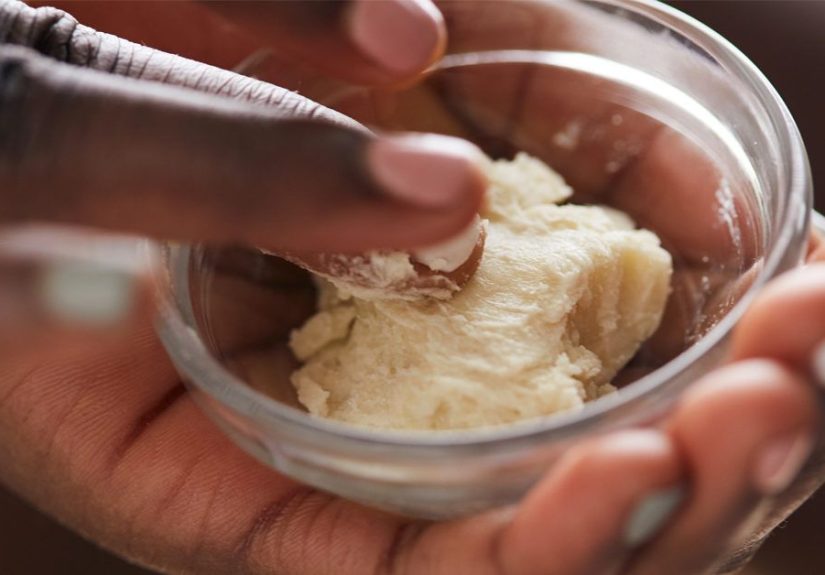
Shea butter is extracted from the nuts of the African shea tree (Vitellaria paradoxa). In its raw form,
it’s off-white to pale yellow with a soft, creamy texture and a mild, nutty scent. Compared with cocoa butter,
it’s usually less hard, more spreadable, and easier to work into the skin.
Shea butter is loaded with oleic acid and stearic acid, along with smaller
amounts of linoleic acid and other fatty acids. It also contains vitamins A, E, and F, plus
anti-inflammatory compounds that help calm irritation and support skin repair. That’s why it’s often recommended
for dry, sensitive, and eczema-prone skin.
In other words: cocoa butter is the thick, glossy bodyguard sitting on top of your skin, while shea butter
is the nurturing therapist who actually goes deeper and helps your skin heal and rebalance.
Cocoa Butter vs. Shea Butter: Side-by-Side Benefits
1. Hydration and Barrier Support
Both butters are excellent emollients, but they behave a little differently:
-
Cocoa butter forms a strong occlusive layer that seals in moisture. It’s great for
very dry, rough, or flaky skin, especially on the bodythink legs, knees, elbows, and heels. -
Shea butter not only seals in moisture but also helps improve the skin barrier thanks to its
fatty acid profile and anti-inflammatory properties. It’s especially helpful if your skin is dry,
irritated, or compromised, as in eczema-prone areas.
If your main concern is locking in hydration on already-moist skin (for example, right after a shower),
both will workbut shea butter tends to feel more flexible and less “waxy” on the skin.
2. Texture and Scent
-
Cocoa butter: Hard and solid at room temperature, melts on contact with skin; strong chocolate
scent that many people love (and a few really don’t). -
Shea butter: Softer, creamier, easier to spread; mild nutty or earthy scent that’s usually
less intense and easier to layer with other fragrances.
If you want your moisturizer to double as dessert for your nose, cocoa butter wins. If you’re scent-sensitive
or prefer subtlety, shea butter is the safer bet.
3. Comedogenic Rating (Will It Clog Pores?)
This is where the two really pull apart, especially if you’re worried about breakouts:
-
Cocoa butter typically has a comedogenic rating around 3–4, meaning it’s more
likely to clog pores, especially on the face or on naturally oily areas. -
Shea butter is generally rated around 0–2, which puts it in the
low to mildly comedogenic range; many people can use it even on the face without issues, though
acne-prone skin should still patch test.
Translation: if you have oily or acne-prone skin, cocoa butter on your face is usually a bad idea.
Shea butter may be okay in a well-formulated product, but pure shea butter can still be heavy for some people.
4. Stretch Marks, Scars, and Firmness
Cocoa butter has a long reputation as the “pregnancy belly” butter for preventing stretch marks. However, clinical
research hasn’t really backed up the idea that cocoa butter can prevent or erase stretch marks. It can keep the
skin hydrated and more comfortable, but it won’t magically stop stretch marks from forming or make deep ones vanish.
Shea butter is often included in modern stretch-mark creams alongside other active ingredients like hyaluronic acid,
retinol (for non-pregnant users), or peptides. In those formulas, shea butter supports hydration and barrier repair,
which may help the skin tolerate stretching better, even if it can’t fully prevent stretch marks on its own.
Bottom line: for stretch marks and scars, both butters can help the feel and comfort of the skin,
and may subtly improve texture and appearance over timebut they’re not a replacement for targeted treatments or
professional procedures.
Which Butter Is Better for Your Skin Type?
Dry or Dehydrated Skin
If your skin is dry, tight, and maybe even a little flaky, both cocoa butter and shea butter can help. But:
-
Cocoa butter is ideal for very dry body skinlegs in winter, cracked heels,
ashy knees, or wind-chapped arms. -
Shea butter is slightly more versatile, working well for both dry and sensitive skin,
especially in areas that need soothing as well as moisture (like shins, hands, or eczema-prone spots).
If you had to pick one butter to keep around for all-over body hydration, shea butter usually wins for flexibility.
Oily or Acne-Prone Skin
If breakouts are part of your daily life, tread carefully with both:
-
Cocoa butter: Generally a no for the face and acne-prone areas. Its higher
comedogenic rating means it’s more likely to clog pores. -
Shea butter: May work in small amounts, especially below the neck, but pure shea on the face
can still feel heavy. Look for “non-comedogenic” formulas that use shea butter as one of several ingredients,
not the only star.
For oily or acne-prone skin, if you want that butter-level moisture, it’s usually safer to use these on the body
and choose lighter, non-comedogenic moisturizers for your face.
Sensitive or Eczema-Prone Skin
Here, shea butter tends to shine. Its anti-inflammatory and barrier-supporting properties make it a favorite in
products formulated for eczema-prone and very dry skin. Many people find that shea-based balms
help soften rough patches and reduce itching when used consistently.
Cocoa butter can still be helpful for sensitive skin, especially when it’s part of a gentle formulabut it’s less
famous for calming redness or inflammation and more known for its rich occlusive feel.
Normal or Combination Skin
If your skin is pretty balanced, you can have some fun experimenting:
- Use shea butter-based lotions as your daily body moisturizer.
-
Reserve cocoa butter for extra-dry areas or as a special “body mask” during colder months,
especially overnight.
Safety, Allergies, and Sensitivities
Both cocoa butter and shea butter are generally considered safe for most people, but there are a few things to know:
-
Nut allergies and shea butter: Shea butter comes from a tree nut, but reported allergic reactions
are rare, especially with refined shea butter, which contains very low levels of proteins. Still, if you have a
known tree nut or latex allergy, talk with your allergist or dermatologist and patch test before slathering it on. -
Scent sensitivity: If strong smells give you headaches, raw cocoa butter might be too intense.
Shea butter is usually milder, and both butters come in refined, lower-scent versions. -
Patch testing: Any time you try a rich new productespecially one you’ll use all over your body
it’s smart to patch test on a small area first.
How to Use Cocoa Butter and Shea Butter in Your Routine
Best Practices for Body Care
- Apply either butter on damp skin right after a shower to trap in water.
- For maximum softness, layer a lighter, water-based lotion first, then seal with a small amount of butter.
- Use richer butters at night to avoid feeling too greasy during the day.
Using Them on the Face (With Caution)
The face is where things get tricky:
-
Many people do well with shea butter on dry, non-acne-prone facial skinespecially in cold or windy
climatesbut it’s still heavy, so proceed slowly. -
Cocoa butter is usually too occlusive for most faces, especially if you’re
prone to clogged pores or breakouts.
A safer approach: look for moisturizers and creams that include cocoa butter or shea butter in balanced formulas
rather than using pure butters directly on your face.
Mixing the Two: The Best of Both Worlds
You don’t actually have to choose just one. Many body butters blend cocoa and shea together so you get:
- The long-lasting occlusive power of cocoa butter
- The comforting, barrier-supportive benefits of shea butter
- A texture that’s rich but not rock-hard
If you’re DIY-inclined, you can melt equal parts cocoa butter and shea butter with a lightweight oil (like jojoba
or grapeseed), let it cool, and whip it into a fluffy butter. Just remember to keep everything clean and store it
in a cool, dry place.
Common Myths About Cocoa Butter and Shea Butter
Myth 1: “Cocoa Butter Prevents Stretch Marks 100%.”
Sadly, no. Genetics, hormones, and how quickly the skin stretches play bigger roles than any cream or butter.
Cocoa butter can keep your belly feeling comfortable and moisturized during pregnancy, but it can’t guarantee
a stretch-mark-free experience.
Myth 2: “Shea Butter Can’t Clog Pores at All.”
Shea butter is often described as “non-comedogenic,” but no ingredient is completely risk-free for everyone. Some
acne-prone individuals still break out from heavy butters. Listen to your skin and patch test instead of trusting
labels blindly.
Myth 3: “Natural Always Means Better.”
Natural butters can be amazing, but they’re not automatically superior to lab-created moisturizers. Many modern
formulas combine butters with humectants, ceramides, and soothing ingredients to deliver better, more balanced
results. Think of cocoa and shea butters as powerful toolsnot the entire toolbox.
Real-Life Experiences: How Cocoa Butter and Shea Butter Fit into Everyday Routines
When you look past marketing claims and focus on real-world use, a clearer picture starts to emerge of how people
actually use cocoa butter and shea butterand where each one shines.
Imagine someone with classic “winter skin”: tight, itchy legs, flaky shins, and hands that crack if they even
look at a sink full of dishes. For this kind of dryness, cocoa butter can feel like a comforting blanket.
Used right after a warm shower, a cocoa butter–rich cream or solid body bar can lock in moisture so well that the
skin still feels soft the next morning. The chocolatey scent turns the nightly moisturizing routine into something
that feels a little bit like self-care dessert.
Now picture another person with dry but reactive skinmaybe they have patches that flare up with redness whenever
the weather swings or they try a new fragrance-heavy lotion. In those cases, shea butter–based formulas often end
up being the hero. A simple cream with shea butter, glycerin, and minimal fragrance can help soften rough patches
on the arms, legs, and hands without creating that tight or burning sensation some people get from harsher
products. Over time, consistent use of shea butter can make skin feel less “angry” and more resilient.
Stretch marks are another area where experiences vary. Many people use cocoa butter products faithfully throughout
pregnancy, and while the science doesn’t support cocoa butter as a magic stretch-mark eraser, users often report
that their skin feels less itchy and more comfortable as their belly grows. Others gravitate toward shea butter
blends that feel slightly lighter but still rich, appreciating how easily they sink in before getting dressed. In
both cases, the biggest win tends to be comfort and hydration rather than total prevention of stretch marks.
People with combination or acne-prone skin often discover through trial and error that location matters. They may
swear off cocoa butter for anything above the neck after a few clogged pores, but happily keep a cocoa butter stick
near the bed for softening heels and cuticles. Shea butter might find a place in their routine as a targeted body
treatment: great on dry knees and elbows, but used very cautiouslyor not at allon the face and upper back.
Then there are the DIY fans. For them, whipping together cocoa butter, shea butter, and a lightweight oil feels
like skincare alchemy. They can customize the texture: more cocoa butter for a firm balm, more shea for a soft,
fluffy cloud, plus a few drops of essential oil (used safely and sparingly) for scent. Over time, they learn how
their skin responds: maybe their legs love a 50/50 mix, while their hands prefer something with more shea and less
cocoa so it absorbs faster.
One of the most common experiences people report is simply feeling more connected to their skincare routine when
they use butters. Unlike a quick squirt of lotion, scooping out a pea-sized amount of shea butter or gliding a
cocoa butter bar over the skin encourages you to slow down, massage, and pay attention. That alone can make a big
differencenot just in how your skin looks, but in how you feel in your skin.
In the end, real-world use shows that neither cocoa butter nor shea butter is “perfect” for everyone. Instead,
each has a sweet spot:
cocoa butter as a deeply occlusive, indulgent treat for very dry body skin, and shea butter as a calming,
barrier-loving staple for dryness and sensitivity. The best choice often depends not only on your skin type, but
also on your climate, your tolerance for heavy textures, and how committed you are to massaging buttery goodness
into your skin every day.
Final Verdict: So Which Butter Wins?
If we’re talking strictly “Which is better for your skin?”, the honest answer is:
it depends on your skin type and your goals.
-
Choose shea butter if you have dry, sensitive, or eczema-prone skin, want
something more versatile, and prefer a milder scent with a slightly lighter feel. -
Choose cocoa butter if your body skin is very dry or rough, you love a rich
occlusive feel, and that chocolate-like scent makes you happy. -
Avoid using either one in heavy layers on acne-prone facial skin, and stick to balanced formulas instead of pure
butters if you’re breakout-prone. - When in doubt, patch test, start small, and adjust based on how your own skin responds.
Think of cocoa butter and shea butter as two different friends in your skincare circle: one is the luxe,
dessert-scented comfort blanket, and the other is the calm, barrier-repairing problem-solver. When you use each
one where it shines, your skin gets the best of both worlds.