Table of Contents >> Show >> Hide
- Why Counter-Space's Oak Stools Stand Out
- The Case for Oak: Warm, Durable, and Endlessly Adaptable
- Design Language: Quiet, Clean, and Smarter Than It Looks
- How to Style Counter-Space's Oak Stools
- What to Know Before Buying a Stool Like This
- Who Will Love Counter-Space's Oak Stools Most?
- Why These Stools Still Matter
- Experience: What Living With Counter-Space's Oak Stools Feels Like
- Conclusion
Some furniture pieces shout for attention. Others just stand there quietly, looking useful, handsome, and a little smug about how effortlessly they pull a room together. Counter-Space’s oak stools belong in the second camp. They are the kind of objects that make you pause and think, “Wait, why does this simple stool have more personality than half the furniture in my house?” The answer is not magic. It is material, proportion, craftsmanship, and restraint.
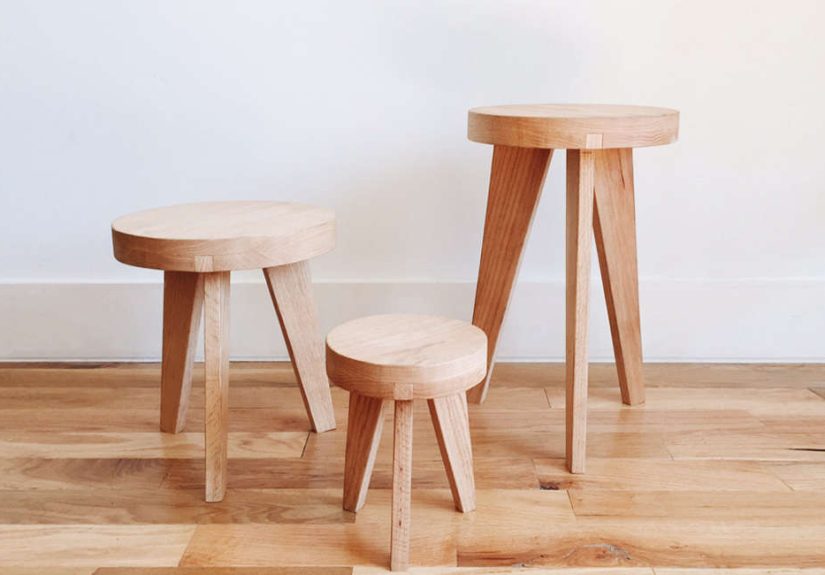
At first glance, Counter-Space’s oak stools seem almost disarmingly straightforward. They are wooden stools. Round top. Honest legs. No theatrical flourishes. No unnecessary chrome. No “look at me, I was designed in a brainstorming session with twelve mood boards and a fog machine.” But that is exactly why they work. Their appeal lives in the details: solid oak, traditional joinery, useful scale, and a shape that feels equally at home in a kitchen, beside a sofa, or next to a stack of books you keep pretending you will finish this month.
Why Counter-Space’s Oak Stools Stand Out
The story of these stools is part of their charm. Counter-Space built its name around a curated, California-minded approach to living: practical pieces, warm materials, and design that feels thoughtful rather than overstyled. The original oak stools were positioned as handmade pieces crafted from solid red oak, with traditional joinery doing the structural heavy lifting instead of obvious hardware. That alone tells you a lot about the product philosophy. This was never a stool trying to masquerade as a sculpture. It was a real working object made with old-school methods and modern restraint.
That combination matters. In a market flooded with mass-produced seating that often relies on veneers, thin profiles, or trendy gimmicks, a simple oak stool with proper joinery feels refreshingly grounded. It signals permanence. It tells you the piece was meant to live in a real home, take some wear, and still look good when your decorating obsessions have moved on to something else.
There is also the matter of versatility. A stool this simple is never stuck with one job. It can seat a person, hold a tray, support a plant, display a ceramic vase, or work as a nightstand in a small bedroom where every square inch is doing overtime. That kind of flexibility is not just useful; it is quietly luxurious. Good design is often the thing that earns its keep without asking for applause.
The Case for Oak: Warm, Durable, and Endlessly Adaptable
Oak brings warmth without fuss
Oak has a way of warming up a room without making it feel rustic in a costume-drama sense. It can lean Scandinavian, farmhouse, modern organic, minimalist, or quietly traditional depending on what surrounds it. In an all-white kitchen, oak stools soften the sharpness. In a darker room, they keep the palette from feeling heavy. In a home full of mixed materials, they act like the diplomatic friend who gets along with everyone.
That adaptability is one reason oak remains such a favorite in American interiors. It offers grain, depth, and natural variation, but it rarely overwhelms the rest of the room. It is expressive without being dramatic. Think of it as the best kind of dinner guest: interesting, reliable, and unlikely to knock over a wine glass while telling a story.
Oak is built for real life
Another reason these stools resonate is durability. Hardwood furniture has staying power because it is made for use, not just admiration from three feet away. Oak can handle everyday friction better than many lighter, softer woods. That matters for stools, which are among the most abused pieces in a home. People drag them, kick them, climb on them, pile clothes on them, and occasionally use them in wildly optimistic attempts to reach a top shelf.
And unlike materials that look worse with every passing year, wood tends to tell a more appealing story as it ages. It picks up subtle shifts in color, develops a lived-in character, and reflects the room’s light differently over time. A good oak stool does not simply survive use. It often becomes more attractive because of it.
Natural wood plays well with trends without depending on them
Design trends come and go with the emotional stability of a caffeinated squirrel, but wood remains stubbornly relevant. That is especially true in kitchens and multipurpose living spaces, where people want warmth, texture, and materials that do not feel sterile. Counter-Space’s oak stools fit into that broader return to tactile, natural interiors without looking like they were engineered specifically to chase a trend report.
Design Language: Quiet, Clean, and Smarter Than It Looks
The genius of Counter-Space’s oak stools is not that they reinvent the stool. It is that they understand the classic form and refine it. The round top softens the geometry of cabinetry and counters. The solid wood construction adds substance. The backless silhouette keeps the piece visually light, which is especially useful in smaller kitchens where bulky seating can make the whole room feel crowded.
Traditional joinery adds another layer of appeal. Even people who cannot identify joinery techniques by name tend to recognize the difference between furniture that feels intentional and furniture that feels assembled in a hurry. Joinery communicates care. It suggests the stool was designed as an object with integrity, not as a temporary placeholder until something better comes along.
There is also a strong argument for the stool’s restraint. In design, restraint is often harder than spectacle. It is easy to add curves, colors, metal accents, or exaggerated forms. It is much harder to make a simple oak stool feel complete. Counter-Space’s version succeeds because the proportions are doing the talking.
How to Style Counter-Space’s Oak Stools
At the kitchen island
This is the most obvious setting, and for good reason. Oak stools are ideal for counter seating because they provide warmth where kitchens often risk feeling too sleek or too cold. If your island is painted in a deep color, oak stools bring balance. If your cabinetry is white, oak keeps the room from veering into laboratory territory. If your counters are stone, wood seating introduces a softer, more tactile counterpart.
Backless stools are especially useful when you want them to tuck under an overhang and disappear neatly when not in use. That keeps sightlines open and cuts down on visual clutter. In compact kitchens, that is not a minor perk; it is a sanity-saving feature.
As side tables and accent pieces
The best stools do not panic when asked to become occasional tables. Counter-Space’s oak stools seem especially suited to that role. Place one beside a lounge chair with a book and a mug. Use one in a bathroom for folded towels. Drop one in an entryway as a perch for a bag, hat, or heroic pile of mail you swear you will sort later. Because the design is clean and the footprint is modest, the stool can move around the house without ever looking misplaced.
In small spaces
Small apartments and compact homes benefit the most from furniture with a dual identity. A stool that functions as seating, display surface, and side table is basically pulling the workload of three lazy cousins. For renters or frequent rearrangers, that flexibility is gold. You can buy one without needing to assign it a permanent destiny on day one.
What to Know Before Buying a Stool Like This
Get the height right
Even a beautiful stool becomes mildly tragic if the proportions are wrong. For standard 36-inch counters, counter-height stools are usually the right fit. You also want enough breathing room between seats so people are not elbowing each other like commuters on a delayed train. As a rule, a stool should make the kitchen more comfortable, not turn toast-making into a contact sport.
Backless means streamlined, but not lounge-like
Backless stools look cleaner and tuck away better, but they are not always the best choice for long, leisurely sitting sessions. If your island doubles as a homework station, remote-work perch, or full-blown dinner zone, some people may prefer a backed stool. But if your goal is flexible seating with a lighter visual footprint, the backless form wins on elegance and practicality.
Wood wants basic care, not a dramatic spa routine
Oak furniture is durable, but it still appreciates common sense. Wipe spills promptly. Avoid prolonged moisture. Use felt pads if the stool moves across delicate floors. And remember that wood is alive enough to respond to light, humidity, and time. That is part of the beauty, not a flaw. Furniture made from real wood tends to evolve, and that evolution is often exactly what makes a piece feel beloved rather than merely owned.
Who Will Love Counter-Space’s Oak Stools Most?
These stools are a strong fit for people who like their interiors warm, edited, and unfussy. They suit homeowners who appreciate craftsmanship but do not want their rooms to feel precious. They work for minimalists who need texture, for traditionalists who want cleaner lines, and for small-space dwellers who need flexible furniture that earns its footprint.
They also make sense for anyone tired of disposable furniture. There is a growing appetite for pieces that feel slower, steadier, and more materially honest. Counter-Space’s oak stools tap into that mood beautifully. They are not trying to be viral. They are trying to be good. Honestly, that is more impressive.
Why These Stools Still Matter
The original listing may belong to an earlier moment, but the design logic still feels current. In fact, it may feel even more relevant now. People want homes that feel human again. They want natural materials, furniture that can move between uses, and objects that show evidence of thoughtful making. Counter-Space’s oak stools check those boxes without falling into cliché.
That is the real reason they remain memorable. They are not loud enough to dominate a room, but they are well made enough to anchor one. They are simple enough to be useful every day, but refined enough to feel intentional. In a home filled with distractions, that kind of calm competence has real value.
Experience: What Living With Counter-Space’s Oak Stools Feels Like
Living with a stool like this is less about a dramatic “before and after” reveal and more about a steady accumulation of good moments. On Monday morning, it is pulled to the kitchen island for coffee and toast. By afternoon, it has migrated to the window because the sunlight makes the grain look especially beautiful and someone decided it was the perfect place for a trailing plant. By evening, it is carrying a stack of magazines, a candle, and one remote that everyone in the house somehow loses every night.
That is the experience these stools seem designed for: ordinary life, but better edited. They do not demand special handling, and they do not scream for compliments, yet they collect them anyway. Guests notice them because they feel sturdy when they sit down. They notice the wood because it softens the room. They notice the shape because it looks considered. And then someone inevitably asks where the stool came from, which is usually how you know a quiet design object is secretly winning.
In a kitchen, the experience is especially strong. A backless oak stool slides under the counter when you need space, then reappears when someone wants to chat while dinner is cooking. It encourages the kind of casual gathering that makes kitchens feel like the center of a home. A huge upholstered bar stool can sometimes feel formal or overcommitted. An oak stool feels more spontaneous. Sit, stand, move, repeat. It keeps up.
There is also something satisfying about the tactile side of it. Real wood has a visual temperature and a physical presence that plastic, powder-coated metal, or cheap laminates just cannot fake. Even when the design is minimal, the material keeps the piece from feeling cold. Over time, small signs of use make the stool feel more personal rather than less polished. A slight shift in color, a softened edge, a mark that becomes part of the story instead of a catastrophethose are the details that make a home feel lived in.
And then there is the flexibility. One week, the stool lives in the kitchen. The next, it becomes a bedside table because you are rearranging furniture after watching far too many design videos online. Later, it lands in the entryway to hold a tote bag and a pair of sunglasses. This kind of object adapts to the house instead of forcing the house to adapt to it. That may be the most appealing experience of all. It never feels obsolete.
Ultimately, living with Counter-Space’s oak stools is about appreciating a piece that does a lot without making a lot of noise. It supports daily routines, blends into multiple rooms, and quietly improves the atmosphere through material, proportion, and craftsmanship. It is not flashy. It is not gimmicky. It is just very, very good at being the kind of furniture you keep using for years. In a world full of design that tries too hard, that kind of effortless usefulness feels almost luxurious.
Conclusion
Counter-Space’s oak stools prove that small furniture can carry big design value. Their appeal is not built on trend-chasing or elaborate styling tricks. It comes from solid oak, thoughtful craftsmanship, flexible use, and a silhouette that feels timeless in kitchens, living rooms, and compact spaces alike. Whether you view them as seating, side tables, or quiet sculptural accents, they represent the kind of design that earns long-term affection. In other words, they do what the best furniture always does: they make everyday life look a little better and feel a little easier.