Table of Contents >> Show >> Hide
- What Is a CPAP Cleaning Machine, Exactly?
- Cleaning vs. Sanitizing vs. Disinfecting: The Words Matter
- Why CPAP Hygiene Matters (Beyond the “Ick” Factor)
- The Gold Standard: Manual CPAP Cleaning (Still the MVP)
- Ozone CPAP Cleaners: How They Work (and Why People Buy Them)
- UV CPAP “Sanitizers”: Helpful Box or Overhyped Flashlight?
- Effectiveness: What Do CPAP Cleaning Machines Actually Accomplish?
- Safety: What to Consider Before You Add a Cleaning Machine
- So… Should You Use a CPAP Cleaning Machine?
- How to Shop Smarter (If You’re Shopping at All)
- A No-Drama CPAP Cleaning Schedule You Can Actually Keep
- FAQs People Ask (Because You’re Not the Only One)
- Real-World Experiences (500+ Words): What People Actually Notice
- Experience #1: The “I’m trying to be consistent” phase
- Experience #2: Convenience… with a side of “wait, what’s that smell?”
- Experience #3: The “it didn’t replace washing like I hoped” realization
- Experience #4: Travel and “good enough” hygiene
- Experience #5: Peace of mind (and the placebo effect isn’t always bad)
- Conclusion
Your CPAP works hard. Night after night, it bravely pumps air through a mask while you sleep, like a tiny HVAC system dedicated to keeping your airway open.
And in return? It gets face oils, humidity, dust, and the occasional “did I drool or did the humidifier leak?” mystery. So it’s no surprise people start
googling CPAP cleaning machines and wondering: Can a gadget clean my CPAP for me?
Let’s talk about what CPAP cleaning machines actually do, how effective they are, what safety questions matter (a lot), and how to build a cleaning routine
that keeps your therapy comfortable without turning your bathroom into a science lab. Spoiler: the best cleaning method is still shockingly low-tech.
(Yes, it involves soap. No, it’s not sponsored by Big Sponge.)
What Is a CPAP Cleaning Machine, Exactly?
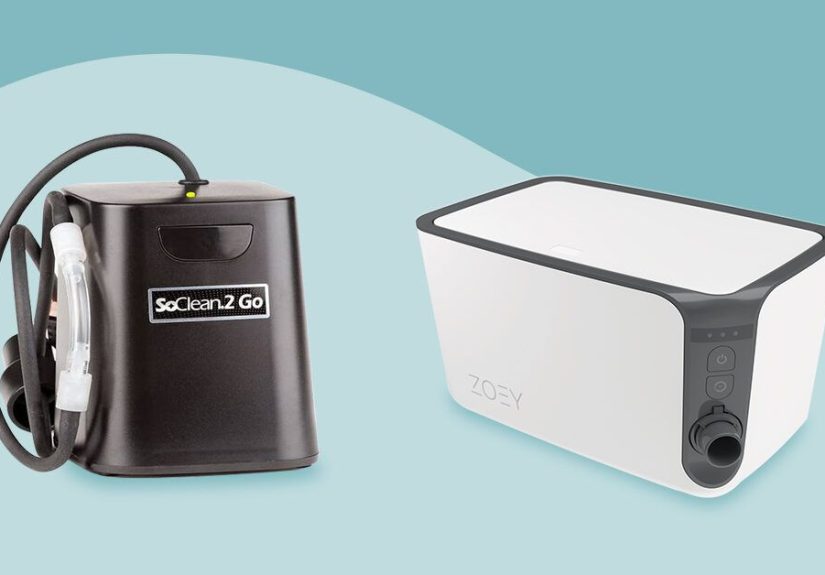
The phrase “CPAP cleaning machine” can mean a few different things, and this is where marketing gets… creative. In the real world, devices in this category
usually fall into two buckets:
1) Ozone-based CPAP cleaners
These devices generate ozone gas and circulate it through a chamber and/or attached CPAP mask and hose. Ozone is a strong oxidizer, which means it can
reduce bacteria on surfaces under certain conditions. The catch is that ozone is also a known respiratory irritant, and it’s not something you want lingering
in equipment you breathe through for 6–9 hours straight.
2) UV light “sanitizers”
These use ultraviolet light in a closed box or chamber to expose parts like a mask cushion or water tank to UV. UV can reduce microbes on exposed surfaces,
but it has limitations: light doesn’t bend around corners, and it’s not great at cleaning the inside of long, narrow tubing where shadows and distance
reduce exposure.
You may also see automated “washers,” drying boxes, or heated drying systems. Those can be helpful for drying or for hands-off rinsing, but they still
don’t magically remove oils and grime without some manual prep.
Cleaning vs. Sanitizing vs. Disinfecting: The Words Matter
Here’s the key distinction many product pages blur:
- Cleaning means removing visible residue (oils, dust, film, and debris). Soap and water are great at this.
- Sanitizing / bacterial reduction means reducing the number of microbes on a surface to a safer level.
- Disinfecting means killing a wider range of germs to a higher standardusually with specific chemicals and contact times.
Most CPAP problems start with “not clean,” not “needs a hospital-grade disinfection protocol.” Oils from your skin can break mask seals, water chambers can
grow slime if neglected, and damp tubing can develop odor or (in worst cases) mold. That’s why manufacturer instructions focus on regular cleaning and
thorough drying, not blasting your gear with the energy source from a superhero origin story.
Why CPAP Hygiene Matters (Beyond the “Ick” Factor)
A clean CPAP setup supports therapy in practical ways:
- Better mask seal: Face oils left on the cushion can make leaks worse, which can wake you up and reduce comfort.
- Fewer odors: Tubing and humidifier chambers can develop a “wet towel” smell when moisture sits too long.
- Lower irritation risk: Dust, residue, and buildup can contribute to nasal or skin irritation in some people.
- Protects equipment: Regular gentle cleaning can extend the life of cushions, frames, and water chambers.
And yes, you’re breathing air that passes through this system. So cleaning is not just aestheticit’s part of keeping CPAP therapy comfortable and consistent.
The Gold Standard: Manual CPAP Cleaning (Still the MVP)
If you take nothing else from this article, take this: warm water + mild soap + regular drying is still the baseline that most clinicians
and manufacturers recommend. CPAP cleaning machines, when used at all, are typically considered an add-onnot a replacementfor basic maintenance.
A simple routine that actually works
Daily (or most days): Mask cushion
- Wash the part that touches your face (cushion/pillows) with mild soap and warm water.
- Rinse thoroughly so you’re not “aromatherapying” dish soap all night.
- Air dry away from direct sunlight.
Weekly: Tubing, humidifier chamber, and frame/headgear (as directed)
- Disassemble: mask parts, hose, humidifier tank (if you use one).
- Wash in warm, soapy water; gently swirl, don’t scrub like you’re sanding a deck.
- Rinse extremely wellsoap left behind can irritate skin or airways.
- Hang tubing to dry so water drains out completely (a shower rod works great).
- Let the humidifier chamber air dry fully.
Filters: Check the schedule
Some filters are disposable, some are washable, and some are “please don’t rinse me, I’m paper.” Follow the instructions for your model. A dirty filter can
reduce airflow and increase dust in the systemtwo things nobody asked for.
Pro tip: Drying is half the battle
Many “CPAP funk” complaints come down to moisture lingering in tubing. If you wake up and immediately toss your hose into a heap like a garden snake that
lost a fight, it may stay damp longer. Hanging it so it drains and dries can make a noticeable difference.
Ozone CPAP Cleaners: How They Work (and Why People Buy Them)
Ozone cleaners usually involve a sealed box or bag that generates ozone gas. The ozone circulates around (and sometimes through) CPAP hoses and masks during
a cleaning cycle. The pitch is convenience: press a button, walk away, come back to “sanitized” equipment.
Why they’re appealing
- Time-saving vibe: People who struggle to keep up with weekly washing like the idea of automation.
- Germ anxiety relief: If you’re worried about microbes, the idea of “gas cleaning” feels thorough (even when it isn’t).
- Travel convenience: Some users want a portable routine without a sink-and-soap setup.
The big concerns
Ozone is a lung irritant. If ozone remains in tubing or a maskand you use it right after a cycleyou could inhale residual gas. Some people report
irritation symptoms like coughing, headaches, or breathing discomfort after using ozone-based products. That risk can matter even more for people with
asthma or other respiratory conditions.
Another concern is material compatibility. CPAP gear contains plastics, silicone, foams, and seals. Strong oxidizers can potentially
degrade certain materials over time, which could shorten the lifespan of parts or affect performance. And if the equipment doesn’t seal well, your therapy
can sufferno matter how “sanitary” the mask is.
UV CPAP “Sanitizers”: Helpful Box or Overhyped Flashlight?
UV devices typically look like a small chamber or box where you place items like a mask, cushion, or water chamber. UV can reduce microbes on surfaces that
are directly exposed to the light for a certain time.
Where UV can be useful
- Small parts: Mask cushions, nasal pillows, or water chambers where surfaces are reachable by light.
- Quick add-on step: Some users like UV after washing and drying, not instead of it.
Where UV struggles
- Tubing interiors: Long hoses have curves and shadows. UV doesn’t easily reach deep, shaded surfaces.
- Shadows and angles: Any area not directly exposed may get minimal benefit.
- Plastic aging: UV exposure can contribute to material wear over time, depending on intensity and frequency.
Bottom line: UV may help reduce microbes on exposed surfaces, but it is not a substitute for removing oils, film, and debrisbecause light doesn’t remove
“stuff.” It just shines on it.
Effectiveness: What Do CPAP Cleaning Machines Actually Accomplish?
The most honest answer is: it depends on the device, the part, and how you define success.
What we know in plain English
-
Many devices have limited real-world evidence: Some products promote strong-sounding claims, but clinical outcomes (like fewer infections
or fewer CPAP-related health issues) aren’t always proven. -
“Bacterial reduction” is not the same as “no germs”: Reducing bacteria on certain surfaces can be real, but it doesn’t magically remove
skin oils, dust, or mineral buildup in water chambers. - Technique matters: If a hose is wet, dirty, or coated in oils, any add-on method is working on top of grimenot through it.
A key regulatory reality
In the U.S., regulators have raised concerns about ozone and UV products marketed as CPAP cleaners. Importantly, the FDA has emphasized that most ozone and
UV CPAP cleaning claims have not been cleared or authorized as “cleaning” or “disinfecting” CPAP devices. One notable exception is that the FDA has
authorized marketing for a specific device intended as an adjunctmeaning it’s used after regular cleaningto reduce
bacteria on certain compatible masks and hoses. That’s a much narrower claim than “this cleans your CPAP for you.”
So if your goal is “I want to skip washing,” these machines won’t deliver that safely or reliably. If your goal is “I already wash, and I want an extra
step for specific parts,” you’re closer to how these devices (when authorized) are intended to be used.
Safety: What to Consider Before You Add a Cleaning Machine
CPAP therapy is literally about breathing better, so any cleaning method that could irritate your airway deserves extra scrutiny.
Ozone risks to keep on your radar
- Airway irritation: Ozone can trigger coughing, shortness of breath, or worsen asthma symptoms in some people.
- Residual ozone: Ozone can remain in enclosed spaces or equipment after a cycle if not adequately ventilated.
- Equipment wear: Strong oxidizers may affect certain materials over time, depending on exposure and compatibility.
UV risks to keep on your radar
- Exposure hazards: UV light can harm eyes and skin if safety mechanisms fail or the unit is misused.
- Incomplete coverage: Shadows and tubing interiors may not receive adequate exposure.
- Material aging: Repeated UV exposure can contribute to wear in some plastics and silicone components.
If you have asthma, COPD, or sensitive airwaysor if you’ve ever had a “new plastic smell” trigger a sneeze attackyou may want to be especially cautious
with ozone-based systems. And no matter what, it’s smart to discuss changes to your CPAP maintenance routine with your sleep clinician or durable medical
equipment (DME) provider.
So… Should You Use a CPAP Cleaning Machine?
Think of this as a decision tree, not a moral test of your cleanliness.
You probably don’t need one if:
- You can follow a basic soap-and-water routine most weeks.
- Your equipment stays odor-free and you’re not dealing with buildup.
- You’re mainly hoping to “avoid cleaning” rather than add a step.
You might consider one (carefully) if:
- You already clean regularly, but want an extra add-on step for specific parts.
- You’re immunocompromised and your clinician supports an additional hygiene step (with safe, compatible equipment).
- You understand the limitations and choose a device with appropriate authorization and clear instructions.
Even then, the best approach is: manual cleaning first, and treat any machine as an optional extranot your main plan.
How to Shop Smarter (If You’re Shopping at All)
If you’re determined to buy a CPAP cleaning machine, use this checklist to avoid expensive regret:
Ask these questions before you spend money
- What’s the exact claim? “Bacterial reduction on specific masks/hoses” is not the same as “cleans and disinfects your CPAP.”
- Is it authorized for that use? Look for clear regulatory language, not vague “lab-tested” marketing.
- Which parts are compatible? Many systems don’t effectively treat tubing interiors and may not be intended for water chambers.
- Does it require ventilation time? If ozone is involved, airing out may be essential.
- Will it affect warranties? Some manufacturers have cautioned that ozone exposure can damage equipment or impact warranty coverage.
- What’s your real pain point? If the problem is “I hate drying,” a drying setup might help more than a sanitizer.
A No-Drama CPAP Cleaning Schedule You Can Actually Keep
Here’s a realistic schedule that prioritizes comfort and cleanliness without demanding you become a part-time CPAP dishwasher:
Daily (2 minutes)
- Quick wash of mask cushion/pillows with mild soap, rinse well, air dry.
- Empty humidifier water each morning (don’t let it sit like a science project).
Weekly (15–25 minutes, mostly drying time)
- Wash tubing, humidifier chamber, mask frame.
- Hang tubing so it drains fully.
- Wipe down the exterior of the machine with a slightly damp cloth (never soak it).
Monthly
- Check filters; replace or wash based on your model’s instructions.
- Inspect for cracks, yellowing, stiffness, or persistent odorsigns a part may need replacement.
FAQs People Ask (Because You’re Not the Only One)
Can I just use CPAP wipes and call it a day?
Wipes can be a convenient short-term tool for the mask cushion, especially when traveling, but they don’t replace regular soap-and-water cleaning for tubing,
humidifier chambers, and deeper residue.
Is vinegar safe for the humidifier chamber?
Many instructions and patient-education materials mention diluted vinegar solutions as an option for soaking a water chamber to help with mineral buildup.
The key is dilution, thorough rinsing, and making sure the part is compatible with that method.
Do CPAP cleaning machines prevent infections?
There isn’t strong proof that add-on cleaners reduce infections for the average user. What does help is keeping equipment clean, dry, and replaced on an
appropriate schedule. If you have a special medical situation, your clinician can guide you.
What’s the biggest mistake people make?
Two classics: not rinsing soap thoroughly (hello, irritation) and not drying tubing completely (hello, “wet towel” smell).
Real-World Experiences (500+ Words): What People Actually Notice
The most interesting part of the CPAP cleaning machine debate isn’t the marketingit’s what users report once the box shows up and real life happens.
Based on common themes from patient education, clinic conversations, product reviews, and CPAP communities, here’s what the “lived reality” often looks like
(without pretending any single experience applies to everyone).
Experience #1: The “I’m trying to be consistent” phase
Many people start with big intentions: daily washes, weekly deep cleans, perfectly dried tubing hanging like a minimalist art installation. Then work gets
busy, travel happens, kids get sick, and suddenly it’s been… a while. This is where cleaning machines feel tempting. Users often describe buying an ozone or
UV system because they want a routine that survives real life, not just a perfect Sunday afternoon.
Experience #2: Convenience… with a side of “wait, what’s that smell?”
Ozone-based devices, in particular, have a reputation for a distinct odor. Some users say they notice it immediately; others say it’s faint but annoying.
A common pattern is: they run a cycle, then realize they need to let equipment air out longer than expected. That can defeat the “quick and easy” promise.
People who are sensitive to smellsor who already struggle with CPAP comfortsometimes report that any leftover odor becomes a new reason to skip therapy.
In other words, the cleaning method can accidentally become a compliance problem.
Experience #3: The “it didn’t replace washing like I hoped” realization
This is the big one. Users often discover that even if a device reduces bacteria on a surface, it doesn’t remove facial oils, makeup residue, pet hair, or
mineral scale in a humidifier chamber. Those are “cleaning” problems, not “sanitizing” problems. So people end up back at the sink anywaysometimes with a
bit of frustration because they expected the machine to eliminate hands-on maintenance. The happiest users tend to be the ones who treat a cleaning machine
as an add-on step, not a substitute for soap-and-water basics.
Experience #4: Travel and “good enough” hygiene
Travelers often describe the real win as simplifying the routine: a small bottle of mild soap, a collapsible basin, and a habit of wiping and drying the mask
cushion daily. When someone adds a portable cleaner, they usually still need a plan for drying and for regular washing. In hotel bathrooms, drying becomes the
real challengetubing and headgear can stay damp if there’s no airflow. Some users say a simple drying strategy (hanging tubing, turning on airflow briefly to
push out water, or packing a spare hose) is more impactful than any sanitizer.
Experience #5: Peace of mind (and the placebo effect isn’t always bad)
Some users genuinely feel calmer when they add an extra stepespecially if they’re worried about germs or caring for a family member who is medically fragile.
Even when the measurable benefit is uncertain, peace of mind can make it easier to stick with therapy. The best versions of this story are when users keep the
basics first: wash, rinse, dry, replace parts when needed, and only then use an add-on method for compatible components.
In short, people tend to do best when they aim for consistent, realistic maintenance rather than chasing a “perfectly sterile CPAP.”
A routine you can keep beats an expensive gadget you resent.
Conclusion
CPAP cleaning machines can sound like a dream: push a button and your equipment is “good as new.” But in practice, the most reliable foundation is still the
simplest oneregular hand washing with mild soap, thorough rinsing, and complete drying. Ozone and UV-based products come with real limitations, and ozone
adds extra safety considerations because it’s a respiratory irritant. If you’re considering a device, focus on what it’s actually authorized to do, whether
it’s compatible with your specific CPAP parts, and whether it fits your routine without creating new comfort issues.
If you’re unsure, ask your sleep clinic or DME provider for guidance. The goal isn’t to win a cleanliness competition; it’s to keep your CPAP therapy
comfortable, safe, and easy to stick withnight after night.