Table of Contents >> Show >> Hide
- What the Quiz Revealed (and Why It Matters)
- Credit Scores: The Simple Definition People Forget
- What Actually Makes a Credit Score Go Up or Down
- Why People Miss These Questions (Even Smart People)
- The “Acing the Quiz” Playbook: What to Do in Real Life
- Quick Mini Credit Score Quiz (No Pressure, No Gradebook)
- What a “Good” Credit Score Really Means (And Why It’s Not a Personality Test)
- Why This Knowledge Gap Keeps Happening
- 500-Word Experiences: Real-World Moments That Feel Like a Credit Score Quiz
- Conclusion
If you’ve ever felt personally attacked by the phrase “soft pull,” welcomeyou are among friends. Credit scores are one of those adulting topics that everyone is supposed to understand, yet somehow the details live in a foggy place between “taxes” and “why does my phone plan have a 14-page contract.”
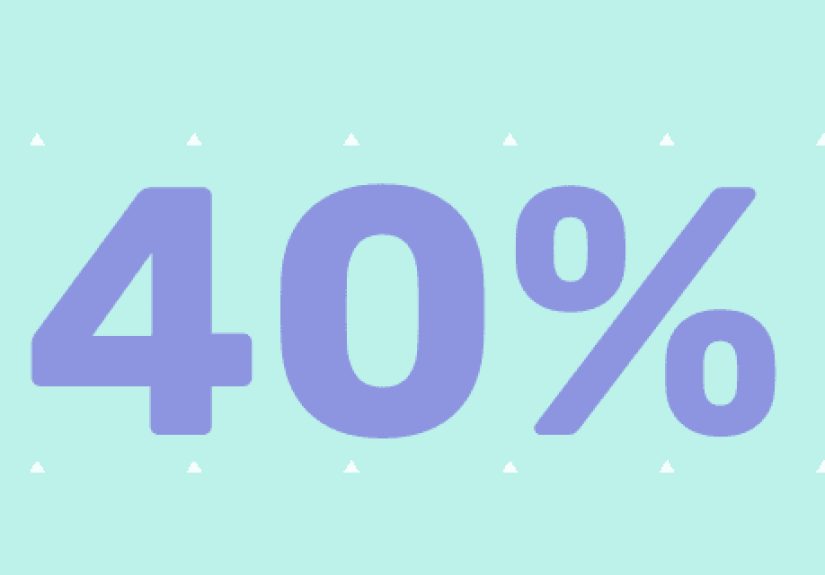
And it’s not just a vibe. In a widely cited credit score quiz run for Zillow’s research arm, the average American scored a failing 40%getting only two out of five questions correct. The tricky part? The questions weren’t deep-cut finance trivia. They were the kind of practical scenarios that show up when you’re trying to buy a home, finance a car, or avoid paying “congrats on being alive” interest rates.
This article breaks down why that quiz was so hard, what the questions actually teach, and how to build a credit-score “cheat sheet” that’s legal, ethical, and far less stressful than learning it the hard way at a dealership.
What the Quiz Revealed (and Why It Matters)
The Zillow-related quiz asked five questions and revealed a pattern: people generally know credit scores are important, but many don’t know what actually moves the number or how long lenders keep watching it during big purchases. The average score was 40%, and knowledge gaps showed up across agesnot just among young adults who haven’t had much time to build credit.
That matters because credit scores don’t just influence whether you qualify for a loan. They can affect the interest rate you get and how much borrowing costs over time. They can also show up in places people don’t expect, like tenant screening or certain insurance pricing and employment-related checks (depending on state rules and the type of decision being made).
The five quiz questions (and the life lessons hiding inside them)
- Which doesn’t typically impact your credit score?
Correct answer: the amount of money you have invested in the stock market.
Translation: your credit score cares about your credit behavior, not your investing glow-up. - When buying a house, your credit can affect your mortgage up until…
Correct answer: the day of closing.
Translation: “pre-approved” is not “permanently immune to consequences.” - How long should you wait to buy a house after taking out a car loan?
Correct answer: six months.
Translation: big new debt can change what you qualify for, and timing matters. - How high does your credit score need to be for a conventional mortgage?
Correct answer: 620.
Translation: you don’t need perfection to qualify, but stronger credit usually means better pricing. - Rank what matters most in your score.
Correct order: payment history → amount of credit you’re using → length of credit history.
Translation: paying on time and keeping balances reasonable beats obsessing over “credit age hacks.”
Credit Scores: The Simple Definition People Forget
A credit score is essentially a predictionbased on your credit reportsof how likely you are to repay borrowed money on time. Lenders and other companies use it to make decisions: approve/deny, set interest rates, determine credit limits, and sometimes decide the terms for services that involve risk.
Two important clarifications that reduce a lot of panic:
- Your income is not a line item in your credit score formula. Lenders may ask for income, but the score itself is built from credit-report data.
- Your credit score is not “one number forever.” You can have multiple scores because different models and versions exist, and different lenders pull different ones.
What Actually Makes a Credit Score Go Up or Down
Most mainstream credit scores evaluate similar categories. In the FICO model commonly referenced by consumers, the classic weighting looks like this:
- Payment history (about 35%): on-time vs. late payments, how late, how recent.
- Amounts owed / utilization (about 30%): how much of your available revolving credit you’re using.
- Length of credit history (about 15%): age of accounts, average age, how long since accounts were used.
- New credit (about 10%): recent applications and new accounts.
- Credit mix (about 10%): variety of account types (cards, auto, mortgage, student loans, etc.).
A practical way to remember this without memorizing percentages: pay on time, keep card balances modest compared to limits, and avoid opening a bunch of new accounts right before a major loan.
Why “payment history” wins
A missed payment is one of the clearest signals of risk, so scoring models tend to treat it seriouslyespecially when it’s recent. That’s why the last quiz question trips people up: folks often assume “utilization” or “credit age” is the top dog. In reality, on-time payment behavior is the foundation.
Credit utilization: the sneaky score-killer
Utilization is basically the “how hard are you leaning on your credit lines?” question. If you have a $10,000 limit and you regularly report $8,500 in balances, lenders may read that as straineven if you pay on time. Lower utilization tends to look safer.
Example: If your card reports a balance right after a spending-heavy month (say, a new laptop, travel, or a surprise car repair), your utilization may spike temporarily. Even if you pay it off a few days later, the snapshot that got reported can still influence the score. (This is why timing paymentswithout doing anything shadycan help.)
Why People Miss These Questions (Even Smart People)
Here’s the twist: Americans aren’t clueless. Many are actively trying to manage credit and avoid mistakes. The problem is that credit scoring is full of half-true phrases that spread like glitter in a carpet.
Myth #1: “Checking my credit score will hurt it.”
A lot of people confuse checking your own score with a lender pulling your credit for a new application. In surveys, sizable shares of consumers wrongly believe frequent score-checking damages their credit. In reality, checking your own credit is generally treated as a “soft” inquiry and doesn’t carry the same impact as a “hard” inquiry tied to applying for new credit.
Myth #2: “Carrying a balance helps my score.”
This one refuses to retire. You do not need to carry a credit card balance and pay interest to build credit. What matters is how the account is managed: on-time payments and reasonable utilization. Carrying a balance can actually raise utilization and cost you moneyan impressive combo of “lose/lose.”
Myth #3: “Once I’m pre-approved for a mortgage, I’m done.”
Mortgage timelines are long enough to tempt anyone into celebrating early. But the quiz nails an important reality: credit can be monitored up to closing. If you take out a car loan, open a new card, or run up balances mid-process, the lender may reassess.
The “Acing the Quiz” Playbook: What to Do in Real Life
If you want to do better than the national average on the next credit score quizor more importantly, in your financial lifefocus on a few moves that have an outsized impact.
1) Automate the boring stuff (because willpower is not a budget line)
- Set autopay for at least the minimum payment on each account.
- Add calendar reminders a week before due dates, so you can pay more than minimum when possible.
- Use alerts for balances and due dates through your bank or card issuer.
2) Keep utilization from accidentally ballooning
- If you can, pay down balances before the statement closes (so the reported balance is lower).
- Spread big purchases across time instead of stacking them in one billing cycle.
- Ask for a credit limit increase only when your finances are stable (and only if you won’t use it as permission to spend more).
3) Don’t speedrun new credit right before a major purchase
The quiz’s “six months after a car loan” question is really about spacing out major credit events. A new loan can change your debt-to-income picture and add a new account and inquiry to your credit profile. If you’re planning to buy a home, it’s smart to avoid new credit unless it’s truly necessary.
4) Review your credit reports like you review your photos before posting
You have rights to free credit reports through the official channel, and you can review them for accuracy, unfamiliar accounts, and errors. Your reports are the raw material that scores are built fromso it’s hard to improve what you never look at.
Quick Mini Credit Score Quiz (No Pressure, No Gradebook)
Consider this a low-stakes warm-uplike stretching before you lift something heavy, except the heavy thing is “adult financial decisions.”
Question 1
True or false: Paying interest on a credit card helps build credit faster.
Answer: False. Paying on time matters; interest is optional and expensive.
Question 2
Which is more likely to hurt your score? (A) Checking your own score weekly (B) Applying for three new credit cards in one weekend
Answer: B. Multiple new applications can trigger hard inquiries and reduce average account age.
Question 3
What’s usually smarter for your score: maxing out one card or spreading balances across multiple cards while keeping overall utilization low?
Answer: Keeping overall utilization low is generally healthier than maxing out a card.
What a “Good” Credit Score Really Means (And Why It’s Not a Personality Test)
Many U.S. scores fall on a 300–850 scale, and “good” often starts somewhere in the upper 600s in common score ranges. But the bigger point is this: a score is context. Lenders use it alongside income, employment, assets, debt obligations, and the specifics of the loan you’re requesting.
Also: one person’s 720 can behave differently than another person’s 720 depending on what’s in the credit report. A thin credit file (few accounts, short history) can be more sensitive to changes than a thick file.
Why This Knowledge Gap Keeps Happening
Credit scoring is a weird mix of math, policy, and human behavior. It changes over time as scoring models evolve, and it differs based on which score a lender uses. Add in the fact that most people weren’t taught credit fundamentals in school, and you get a predictable outcome: people learn credit through “oops” moments.
The quiz is basically a mirror held up to that system. It’s not that Americans can’t learn itit’s that the rules aren’t presented in plain English until someone is already applying for a major loan and sweating through the process.
500-Word Experiences: Real-World Moments That Feel Like a Credit Score Quiz
You don’t truly understand credit scoring until it shows up uninvited in a normal life situationlike a pop quiz you didn’t know you signed up for. Here are common experiences people describe that map almost perfectly to the questions that stumped the average quiz-taker.
The “I’m Pre-Approved!” Celebration… and the Store Card Trap
A buyer gets pre-approved for a mortgage and starts shopping for furniture. A helpful salesperson offers 10% off if they open a store credit card. It feels harmless: one small card, one small discount. But that application can create a hard inquiry and a new account, and the buyer may also put a big purchase on the new linespiking utilization. Suddenly the mortgage process isn’t just paperwork; it’s a suspense movie. The lesson is the quiz’s second question: lenders can keep an eye on credit until closing, so it’s smart to keep your credit profile steady during that window.
The Car Loan Timing Lesson (a.k.a. “Why Is My Lender Side-Eyeing Me?”)
Someone buys a car because the old one finally gave up. Two months later, they decide it’s time to buy a home. The surprise isn’t that buying a car is “bad” it’s that new debt changes the picture. A fresh auto loan can affect monthly obligations, and the credit report now shows a new installment account plus the inquiry. Even with solid income, the timing can tighten what the mortgage lender is comfortable approving. That’s the quiz’s third question in real life: spacing out major credit moves can reduce surprises.
The “I Pay the Minimum, So I’m Fine” Misunderstanding
Another person pays the minimum payment on time every month and assumes they’re doing everything right. Technically, they are meeting the requirementbut the balance remains high relative to the credit limit. Their score doesn’t climb the way they expected, and they feel like the system is rigged. What’s actually happening is utilization: high revolving balances can weigh down the score even when payments are on time. The fix isn’t magic; it’s a plan: pay more than the minimum when possible, reduce balances strategically, and aim to keep utilization from living in the “danger zone.”
The Rent Application Surprise
A renter with steady pay applies for an apartment and is shocked when the application mentions credit. They assumed credit scores only mattered for loans. In many places, landlords and property managers use screening tools that can include credit-related information. The renter’s confusion mirrors the quiz’s first question: people often don’t know what affects credit and where it shows up. The practical move here is to review your credit reports regularly and address errors earlybecause it’s much easier to dispute a mistake when you’re not trying to move in ten days.
The “I’ll Just Close Old Accounts” Accident
Finally, there’s the well-meaning person who decides to “clean up” by closing older credit cards. But closing an old card can reduce available credit and potentially raise utilization, and it may affect the age profile of the credit file over time. The lesson is the quiz’s fifth question: payment history and utilization are heavy hitters, and length of history still mattersso “simplifying” should be done carefully, not emotionally, and definitely not five minutes after watching a decluttering video.
If these stories feel familiar, that’s the point: credit score knowledge isn’t academic. It’s everyday lifejust with more acronyms. The good news is that once you learn the rules, you can make decisions with fewer surprises and a lot less “wait, why did my score do that?”
Conclusion
The credit score quiz didn’t stump Americans because everyone forgot how to do math. It stumped them because credit scoring is full of hidden rules, timing traps, and myths that sound reasonable until they cost you money. The fastest way to beat the confusion is to focus on the fundamentals: pay on time, keep revolving balances in check, avoid unnecessary new credit during big financial moves, and review your credit reports for accuracy.
You don’t need to become a credit-score superfan. You just need enough knowledge to stop getting surprised by the same three things: late payments, high utilization, and bad timing. And honestly, that’s a passing grade worth aiming for.