Table of Contents >> Show >> Hide
- Why Mattresses Get So Dirty (Even If You’re Clean)
- Invisible Roommates: Dust Mites and Allergens in Your Mattress
- Germs, Bacteria, and Mold: When Your Mattress Turns Into a Microbial Motel
- Bed Bugs: Itchy Bites, Sleepless Nights, and Stress
- How a Dirty Mattress Affects Breathing, Skin, and Sleep Quality
- Who’s Most at Risk From Dirty Mattress Health Hazards?
- Signs Your Mattress Might Be a Health Problem
- How to Reduce Dirty Mattress Health Hazards Without Replacing It Today
- Real-Life Experiences With Dirty Mattress Health Hazards
If you’ve ever thought, “It’s fine, nobody sees my mattress,” I have some slightly gross news for you: your mattress sees everything.
Sweat, dead skin, crumbs from that “just one” late-night snack, pet hair, spilled coffee it all sinks in, hangs out, and invites a whole
microscopic ecosystem to move in. And that dirty mattress isn’t just a little icky; it can actually affect your health in surprising ways.
Before you start eyeing the guest room in fear, take a deep breath (ideally not directly into your dusty pillow). Let’s break down the real
dirty mattress health hazards, who’s most at risk, and what you can do to make your bed a healthier place to sleep without immediately spending
thousands of dollars on a brand-new setup.
Why Mattresses Get So Dirty (Even If You’re Clean)
You spend about a third of your life in bed. During that time, your body quietly sheds skin cells, produces sweat and body oils, and sometimes
tracks in pollen, pet dander, and outdoor dirt. Add in makeup you forgot to wash off, hair products, lotion, and the occasional food crumb,
and your mattress becomes a giant sponge for organic material.
This build-up doesn’t just stay inert. It becomes food and habitat for:
- Dust mites and their allergenic droppings
- Bacteria from sweat, skin, and any respiratory droplets
- Fungi and mold, especially in humid environments
- Bed bugs if they hitch a ride from travel or secondhand furniture
You might not see any of it on the surface, but that doesn’t mean it’s not there and your nose, lungs, and skin often notice before your eyes do.
Invisible Roommates: Dust Mites and Allergens in Your Mattress
Dust mites are tiny arachnids (yes, they’re cousins of spiders) that live in household dust and feast happily on the dead skin cells you drop
on your mattress and bedding. They don’t bite, but their bodies and droppings are major indoor allergens.
For people who are allergic or have asthma, dust mite allergens can trigger:
- Stuffy or runny nose, sneezing, and postnasal drip
- Itchy, watery eyes
- Nighttime cough and wheezing
- Flare-ups of asthma, eczema, or year-round (perennial) allergic rhinitis
Because you spend so much uninterrupted time in bed, your mattress is one of the biggest sources of exposure. Studies and allergy organizations
consistently highlight the bed as a critical place to control dust mites, especially for kids and adults with asthma or chronic allergies.
The longer a mattress goes without cleaning or protective covers, the more dust, skin cells, and humidity build up all things dust mites
adore. That’s why allergists often recommend:
- Encasing mattresses and pillows in allergen-proof covers
- Washing bedding weekly in hot water (around 130°F / 54°C)
- Keeping humidity around 30–50% with air conditioning or dehumidifiers
Skip these steps for months or years, and your mattress can quietly transform from “cozy” to “allergen factory.”
Germs, Bacteria, and Mold: When Your Mattress Turns Into a Microbial Motel
A dirty mattress doesn’t just host allergens it can also harbor bacteria and fungi. Sweat and body oils create a slightly damp, warm
environment that helps microbes thrive. Over time, lab testing of old bedding has found a variety of bacteria that may include strains of
Staphylococcus and Streptococcus, which are capable of causing skin infections and respiratory illnesses in some circumstances.
Then there’s mold. If your bedroom is humid, you live in a damp climate, your mattress is on the floor, or spills weren’t dried properly,
mold spores can colonize the interior of the mattress or grow on the surface. Certain molds can irritate the airways and trigger coughing,
congestion, and asthma-like symptoms especially in people with allergies, asthma, or weakened immune systems.
Potential health effects of a very dirty or moldy mattress include:
- Persistent stuffy nose, sore throat, or nighttime cough
- Worsening asthma symptoms or shortness of breath in sensitive individuals
- Skin irritation, rashes, or folliculitis from constant contact
- In rare cases, more serious lung infections in immunocompromised people
To be clear: simply having an older mattress doesn’t mean you’ll get sick. But if your mattress is heavily soiled, smells musty, or has visible
mold spots or water damage, cleaning or replacement becomes more than a cosmetic issue it’s a health priority.
Bed Bugs: Itchy Bites, Sleepless Nights, and Stress
Bed bugs get a lot of attention, and not in a good way. While health agencies note that bed bugs are not known to spread infectious diseases,
that doesn’t mean they’re harmless. They feed on blood, usually at night, leaving clusters of itchy welts that may drive you half crazy.
Scratching these bites can break the skin, raising the risk of secondary infections like impetigo or cellulitis. Some people also have more
intense allergic reactions to the bites and need medical attention. On top of that, living with bed bugs can significantly impact mental health
think anxiety, embarrassment, insomnia, and the constant stress of trying to eradicate them.
A dirty or cluttered mattress doesn’t “cause” bed bugs, but it can make them harder to detect and easier for them to hide. If your mattress is
stained, worn, or covered in piles of stuff, you’re less likely to notice the telltale signs:
- Rusty or dark spots (bed bug droppings) on seams and edges
- Tiny shed skins or eggs in folds and crevices
- A sweet, musty odor in heavy infestations
Once again, basic mattress hygiene and regular inspection can help you catch a problem early before it turns into a full-blown infestation.
How a Dirty Mattress Affects Breathing, Skin, and Sleep Quality
Even if you never see a bug or visible mold, a dirty mattress can still undermine your health in more subtle ways. The combination of dust,
mite allergens, bacteria, and odors can:
- Make allergies or asthma worse at night, when you’re closest to the mattress
- Lead to chronic nasal congestion or a “morning cough” you can’t quite explain
- Trigger or aggravate eczema and other skin conditions where the skin touches the mattress
- Disrupt sleep with itching, tickling sensations, or general discomfort
- Increase stress and anxiety if you’re constantly worried that your bed is making you sick
Poor sleep then creates its own ripple effect: low energy, irritability, daytime sleepiness, and difficulty concentrating, which may make
existing health issues feel worse.
Who’s Most at Risk From Dirty Mattress Health Hazards?
Not everyone reacts the same way to a dirty mattress. Some people can snooze anywhere and feel fine. Others notice symptoms quickly. You’re
more likely to be affected if you:
- Have asthma, especially if it’s triggered by allergens or dust
- Live with allergic rhinitis (year-round “indoor” allergies)
- Have eczema or other chronic skin issues
- Are very young, older, pregnant, or have a weakened immune system
- Sleep with pets in the bed, which adds hair, dander, and outdoor allergens
- Live in a humid climate or poorly ventilated home
For these groups, mattress hygiene isn’t just about feeling fresh it’s genuinely part of managing their overall health.
Signs Your Mattress Might Be a Health Problem
So how do you know if your mattress is just “well-loved” or a low-key health hazard? Look for:
- Persistent odors even after you change the sheets
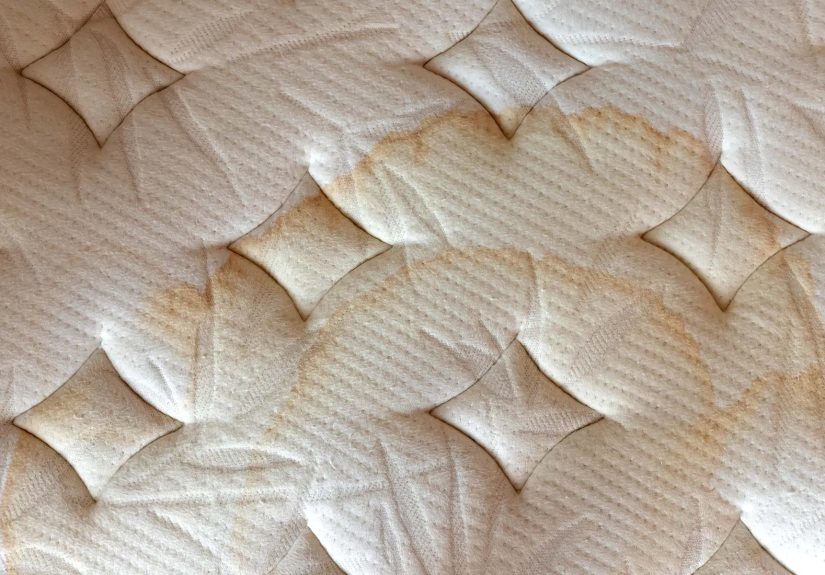
- Visible stains from sweat, spills, or water damage
- Musty smell that suggests mold or mildew
- Worsening allergies or asthma at night or first thing in the morning
- Increased itching or rashes on skin that touches the mattress
- Bite marks in clusters or lines, or signs of bed bugs
- Sagging or lumps that interfere with spinal alignment and comfort
If you’re noticing several of these at once, especially along with health symptoms, it’s time to either deep clean or seriously consider
replacing the mattress.
How to Reduce Dirty Mattress Health Hazards Without Replacing It Today
Good news: you don’t have to throw out your mattress this afternoon to lower health risks (unless it has heavy mold, severe water damage, or a
major bed bug infestation in those cases, replacement is usually best). For most people, consistent cleaning and protection make a huge
difference.
1. Use an Allergen-Proof Mattress Protector
A zippered, allergen-blocking mattress encasement is one of the simplest, most effective ways to reduce exposure to dust mites and other
allergens. These covers create a barrier, trapping existing mites inside the mattress and preventing new ones from moving in. Look for
tightly woven fabric labeled “allergen-proof” or “dust-mite-proof.”
Don’t forget your pillows: they also collect dust mites and should be covered and washed regularly.
2. Wash Bedding Weekly in Hot Water
Toss sheets, pillowcases, and duvet covers in hot water every week. Aim for about 130°F (54°C) or higher if your fabric care labels allow it;
this temperature helps kill dust mites and many microbes. Dry on a hot cycle for added protection.
If you’ve been sick, sweat heavily at night, or sleep with pets, stepping up to more frequent washing can be a smart move.
3. Vacuum and Spot-Clean the Mattress
At least once a month, vacuum the mattress surface with an upholstery attachment, paying extra attention to seams and tufting where dust, hair,
and crumbs accumulate. For stains, lightly clean with a fabric-safe cleaner or a mix of mild detergent and water. Always let the mattress dry
completely before remaking the bed to avoid trapping moisture inside.
4. Control Humidity and Airflow
Dust mites and mold both love humidity. Keeping bedroom humidity between about 30–50% can help. Use an air conditioner or dehumidifier in damp
climates, open windows when weather permits, and avoid pushing the mattress directly against a cold, exterior wall where condensation can form.
5. Think Twice Before DIY Chemical Overload
If you’re dealing with bed bugs or heavy mold, it’s tempting to drench everything in harsh chemicals. The problem: misusing pesticides or
random household chemicals can create new health risks, from respiratory irritation to fire hazards. For serious infestations, work with
reputable pest control professionals and follow safety guidelines instead of going full “mad scientist” with sprays and powders.
6. Know When It’s Time to Say Goodbye
Even with good care, mattresses don’t last forever. Many experts suggest replacing them around every 7–10 years, but that number shortens if
your mattress:
- Has visible mold, mildew, or water damage
- Smells bad even after cleaning
- Is heavily stained or harboring bed bugs
- Is causing you pain, poor sleep, or allergy flare-ups
If you consistently sleep better and breathe easier away from home at a hotel or on a guest bed your mattress might be quietly telling you
it’s time to move on.
Real-Life Experiences With Dirty Mattress Health Hazards
It’s one thing to read about dust mites and bacteria in theory. It hits differently when you see how a dirty mattress affects real people’s
everyday lives. Here are a few common experiences that show how mattress hygiene can become a health issue and how simple changes can help.
The Kid Who Always Coughed at Night
Picture a seven-year-old who seems fine during the day but coughs and wheezes every night. His parents assume it’s just “seasonal allergies”
or a lingering cold. Eventually, an allergist tests him and finds he has a significant dust mite allergy. The biggest exposure? His bed.
Their cleaning routine changes: weekly hot-water washing of all bedding, a dust-mite-proof cover on the mattress and pillows, less stuffed
animals on the bed, and a dehumidifier to keep humidity in check. Within weeks, his nighttime cough improves. He still has allergies, but the
intensity and frequency of flare-ups go down because the main trigger a dirty, unprotected mattress is finally under control.
The “Mysterious Rash” Adult
Then there’s the adult who wakes up every morning with red, itchy patches on their arms and legs. They swap soaps, change detergents, and
eliminate half the skincare products on their nightstand. Nothing works. Finally, a dermatologist asks a simple question:
“How old is your mattress, and how often do you clean it?”
The truth: the mattress is over a decade old, never vacuumed, and doesn’t have a protector. After vacuuming, adding an encasement, and washing
bedding more frequently, the morning rash gradually fades. In this case, a combination of sweat, friction, and possibly irritants from dust
and bacteria on the mattress had been aggravating already sensitive skin.
The Traveler Who Brought Home Bed Bugs
Another all-too-common story: someone stays at a hotel, doesn’t think twice, and later notices small bites and tiny dots on their sheets at
home. A closer look reveals the nightmare: bed bugs. The stress, the intense cleaning, and the repeated treatments can take a serious toll on
sleep and mental health.
In the process of dealing with the infestation, they learn more about mattress hygiene than they ever wanted to know. They start inspecting
hotel mattresses, using protective covers at home, and keeping clutter away from the bed. The experience is awful, but it permanently changes
how they approach their sleeping environment and they’re far quicker to spot problems in the future.
The “I Didn’t Realize My Mattress Was the Problem” Moment
Many people don’t connect their symptoms morning congestion, scratchy throat, restless sleep, or unexplained skin irritation with the
mattress under them. It’s easy to blame pollen, stress, or screens instead. Only when they visit family or sleep on a newer mattress and feel
noticeably better do they have that lightbulb moment: “Maybe the problem is my bed.”
That realization can be motivating. Instead of viewing mattress cleaning as a fussy extra chore, it becomes part of a bigger self-care routine:
protecting your lungs, your skin, and your sleep so you’re not starting every day at a disadvantage.
Turning Your Mattress From “Mystery Hazard” Into a Health Ally
The good news is that you don’t need a perfect, hotel-style bedroom to reduce dirty mattress health hazards. You just need consistency:
wash bedding weekly, use protective covers, vacuum the mattress regularly, manage humidity, and know when a mattress is truly past its prime.
Those simple habits can cut down on allergens, microbes, and stress and turn your bed back into what it’s supposed to be: a place where your
body rests, recovers, and wakes up ready for the day instead of fighting through another night of hidden irritants.
Your mattress will never be completely germ-free. That’s not realistic, and it’s not necessary. But with a little attention and routine care,
it can be clean enough that the only thing you bring to bed is yourself, your favorite pajamas, and maybe a good book not a
microscopic party of allergens and bugs.