Table of Contents >> Show >> Hide
If your home has ever whispered, “I would like to be a guest room, an office, a reading nook, and a stylish lounge all at once,” the Duet Daybed may be the furniture equivalent of a peace treaty. It is one of those rare pieces that manages to look calm, modern, and grown-up while quietly hiding a practical superpower: it can shift from laid-back seating to serious sleeping space without turning your room into a bulky furniture obstacle course.
That is exactly why the Duet Daybed has gained attention in the world of smart interiors. On the surface, it reads as a sleek upholstered daybed with Scandinavian restraint. Underneath that tidy silhouette is a flexible design that works for people who need their square footage to hustle. In a small apartment, a home office, a guest room, or even a studio that has to do absolutely everything except file your taxes, the Duet Daybed makes a strong case for multifunctional living without looking like a compromise.
This is where the Duet Daybed becomes more interesting than a generic “space-saving bed” search result. It is not merely about fitting a mattress into a room. It is about how a room feels when the furniture is working with you instead of against you. A good daybed should create comfort, support easy styling, and blend into everyday life. The Duet Daybed tries to do all three, and for many homes, it does so with impressive confidence.
What Is the Duet Daybed?
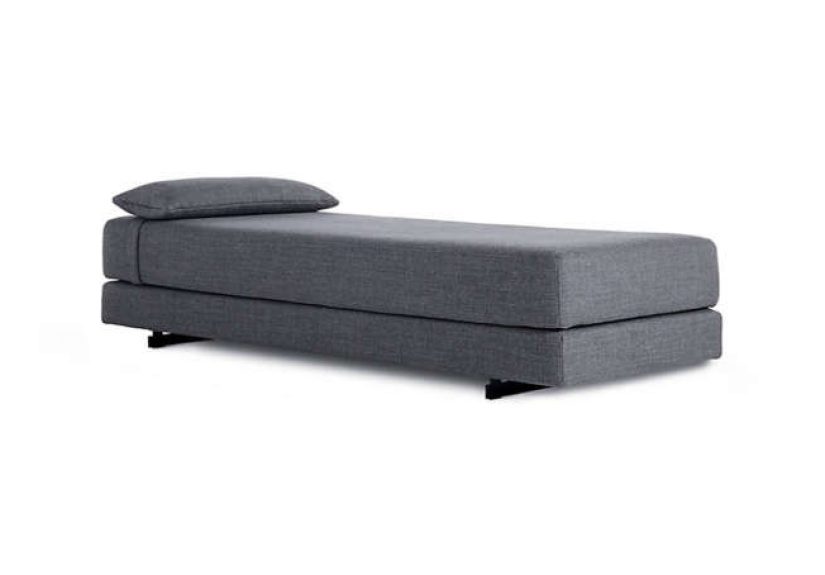
The Duet Daybed is a modern convertible daybed by Softline, a Danish brand known for streamlined, multifunctional furniture. At first glance, it looks like a refined upholstered bench-bed hybrid: simple lines, soft edges, and a profile that does not visually crowd the room. But its biggest strength is its flexibility. Instead of acting like a decorative backup bed that only looks good in photos, the Duet is designed to function as a sofa, a daybed, a single bed, or a larger sleep surface when opened up.
That versatility matters. Plenty of daybeds look nice but feel like a one-trick pony in a stylish coat. The Duet Daybed offers something better: it gives homeowners a way to keep a room useful all day long and guest-ready at night. In practical terms, that means a home office can still host visitors. A studio apartment can still feel like a living room. A spare room can avoid becoming the sad, forgotten chamber of unfolded laundry and mystery cables.
Its dimensions also support this compact-luxury appeal. The piece is sized to feel substantial enough for lounging, but not so oversized that it immediately dominates the room. That makes it especially appealing for urban living, smaller homes, or anyone who values furniture that earns its footprint.
Why the Duet Daybed Stands Out
A true convertible design, not just a pretty perch
The strongest selling point of the Duet Daybed is its transformation. Many daybeds are basically twin beds dressed up as seating. The Duet goes further. It can function as a daybed during the day, then convert into a larger sleeping arrangement when guests stay over. That dual-purpose design gives it a major advantage over furniture that only looks multipurpose in product copy and then behaves like a glorified bench in real life.
For households that host occasional overnight guests, this is a very practical feature. You are not forced to dedicate a whole room to a bed that sits unused most of the time. Instead, the room stays visually open and useful. That is especially valuable in homes where every square foot has to justify itself.
Minimalist style that feels current
The Duet Daybed works because it does not scream for attention. Its appeal is more subtle. The clean silhouette, upholstered body, and restrained shape make it feel contemporary without being cold. That balance is harder to achieve than it looks. Some modern furniture becomes so minimal it feels clinical, like it belongs in a stylish waiting room where everyone is afraid to wrinkle the pillows. The Duet avoids that trap by keeping the lines neat while still looking inviting.
Its visual lightness is another advantage. In smaller rooms, chunky sleeper sofas can make everything feel boxed in. The Duet Daybed usually reads as softer and less imposing, which helps a room maintain a relaxed, breathable look. That matters in spaces where furniture does not just occupy the floor plan; it also affects the mood.
Useful in more than one kind of room
One reason daybeds continue to appeal to designers and home editors is that they are not locked into a single role. The Duet Daybed follows that tradition well. It can make sense in a guest room, a reading corner, a sunroom, a home office, or a multipurpose living area. If your room has identity issues, this piece is very understanding.
That flexibility also makes the Duet a strong option for renters and people whose needs may change. Today it may be in a small office. Next year it might move into a den, a first apartment, or a guest room in a new house. Furniture with that kind of long-term adaptability tends to feel like a smarter purchase because it can evolve with your lifestyle.
Where the Duet Daybed Works Best
Home office plus guest room
This is probably the Duet Daybed’s most natural habitat. If your office only becomes a guest room once in a while, a full-time bed may feel wasteful. The Duet gives you daytime seating and nighttime function without forcing the room to commit to one identity. Add a side table, a wall sconce, and a soft throw, and the space suddenly feels intentional instead of temporary.
Studio apartment or small living room
In compact homes, furniture has to pull double duty. The Duet Daybed fits that requirement nicely because it can behave like a lounge piece by day and a bed by night. It also works for people who do not love the usual futon look or the bulk of a traditional sleeper sofa. Its profile feels more curated, more design-forward, and frankly less likely to make your guests say, “Ah, yes, I see we are sleeping on a mechanism.”
Reading nook or rest corner
Another reason the Duet Daybed feels timely is that more people want spaces devoted to rest, reading, and quiet downtime. A daybed naturally supports that kind of room styling. It can become the anchor of a calm corner with layered pillows, a throw blanket, a lamp, and a small table for books or coffee. In other words, the Duet is not just a place to sleep. It can also become the best seat in the house for pretending you will read literary fiction while actually scrolling for 27 minutes.
What to Consider Before Buying a Duet Daybed
Room clearance matters
A convertible daybed only works well if you have enough room to open it comfortably. The Duet Daybed is compact in its closed position, but buyers should still think carefully about surrounding clearance. Measure the wall, the open floor area, nearby side tables, rugs, and how traffic moves through the room. A convertible piece loses some of its charm if opening it requires the graceful relocation of half your furniture.
It is best for occasional to regular guest use, not every sleeper
The Duet Daybed can be a strong sleeping solution, but it is important to match expectations with lifestyle. For occasional guests, weekend visitors, or multipurpose-room living, it makes excellent sense. For people who want a very traditional sofa feel or a permanently large primary bed, a different furniture type may be a better match. The Duet succeeds because it sits at the intersection of design and flexibility, not because it tries to replace every bed and every couch for every person on Earth.
Styling makes a big difference
Like many daybeds, the Duet Daybed looks best when styled with intention. The right pillows can make it feel sofa-like. A quilt and folded throw can make it guest-ready. A slim side table and a floor lamp can turn it into a polished lounge zone. This is good news for design lovers, because the piece gives you room to shift the vibe seasonally or as your needs change.
That said, if you prefer a furniture piece that looks perfectly “finished” with zero styling effort, you may need to do a little decorating homework here. Nothing dramatic. Just enough to keep it from looking like a mattress that wandered into a fashionable room and hoped no one would notice.
Think about your priorities
The best buyers for a Duet Daybed usually have a few clear goals: save space, maintain style, and keep a room versatile. If that describes you, the piece makes a lot of sense. If you need hidden storage drawers, a classic three-sided traditional daybed frame, or the sink-in feel of a large sectional, then the Duet may not be your perfect match. This is a refined, multifunctional design piece. It is not trying to be an overstuffed nap fortress.
How to Style a Duet Daybed Beautifully
For a living-room look
Use a tighter arrangement of pillows in varied sizes, a textured throw, and a nearby coffee or side table. Keep bedding minimal and let the Duet read more like a lounge piece. Neutral fabrics, soft earth tones, or muted stripes tend to reinforce its Scandinavian-modern personality.
For a guest-room look
Layer in practical comfort: a lightweight quilt, two sleep-friendly pillows, a folded blanket at the foot, and a small table that can function as a bedside surface. If the room also serves as an office, a wall-mounted light or compact lamp helps the daybed feel more hospitality-minded when guests arrive.
For a design-forward nook
Pair the Duet Daybed with artwork, a sculptural lamp, a textured rug, and a small stack of books. The goal here is not just comfort. It is atmosphere. A well-styled daybed can soften a hard corner, warm up a minimal room, and add personality without clutter.
Everyday Experiences With a Duet Daybed
Living with a Duet Daybed is less about dramatic transformation and more about subtle daily usefulness. That is part of its charm. On a Monday morning, it may function as a calm perch in a home office while you answer emails and pretend your inbox is not plotting against you. At midday, it becomes the perfect spot to stretch out for ten minutes with a podcast, a laptop, or a cup of coffee that you swear you will not spill. By evening, it turns into the kind of relaxed seating area that makes a room feel more inviting, even if no one ends up sitting there because the dog claimed it first.
One of the best experiences associated with the Duet Daybed is how naturally it fits into a routine. It does not ask you to rearrange your whole lifestyle around it. Instead, it quietly supports whatever the room needs that day. In a work-from-home setup, it gives the room softness and humanity. Offices can sometimes feel a little too task-oriented, a little too fluorescent-in-spirit even when the lighting is nice. A Duet Daybed breaks that energy. It says this room is for productivity, yes, but also for breathing, reading, thinking, and occasionally staring into the middle distance while reconsidering every calendar invite.
When guests stay over, the experience becomes even more valuable. There is a difference between offering someone “a place to crash” and offering them a room that still feels considered. The Duet Daybed helps create the second experience. With fresh bedding, a throw, and a small bedside setup, it can make overnight visitors feel welcomed rather than merely accommodated. That matters more than people sometimes realize. Good guest furniture is not only about dimensions and mechanics. It is about hospitality.
There is also a visual experience to consider. Some convertible furniture looks fine only in one mode. The Duet Daybed tends to hold its dignity better than that. Closed, it feels composed and minimal. Styled well, it reads as intentional furniture, not an emergency backup plan. Open, it offers the practical flexibility that justifies its place in a small home. That balance is what makes the experience of owning it feel smart rather than sacrificial.
Another everyday pleasure is how adaptable the piece feels through the seasons. In warmer months, lighter textiles and a breezier pillow arrangement can make it look crisp and casual. In cooler months, a knit throw, deeper tones, and layered cushions can turn it into an inviting retreat. The Duet Daybed responds well to styling changes, which keeps it from feeling static over time.
Most importantly, the Duet Daybed supports a lifestyle that values flexibility without giving up aesthetics. It is for people who want a home to function hard but still look soft. It is for rooms that need to multitask gracefully. And it is for anyone who has ever wished one piece of furniture could do more without looking like it was trying too hard. In daily life, that is the real luxury: a design that feels useful, calm, and easy to live with.
Final Thoughts
The Duet Daybed succeeds because it understands modern living. It offers a compact footprint, a polished look, and the kind of flexibility that makes sense in real homes. Rather than choosing between style and practicality, it gives you a believable version of both. That is why it stands out in a crowded world of small-space furniture and convertible seating.
If you need a piece that can lounge beautifully, support guests comfortably, and help a room serve more than one purpose, the Duet Daybed is a strong contender. It is not for everyone, and that is fine. The best furniture never is. But for design-conscious homeowners, renters, and multitasking rooms, it makes a very persuasive argument. Elegant by day, useful by night, and refreshingly free of gimmicks, the Duet Daybed proves that smart furniture does not have to look like it is trying to solve a puzzle. It can simply look good and get the job done.