Table of Contents >> Show >> Hide
- What Makes Filmore Clark Different?
- Why Art Tile Still Has Such a Strong Pull
- How Filmore Clark Fits Into the Countertop Conversation
- Should You Put Tile on the Countertop Itself?
- How to Pair Filmore Clark Art Tiles With Countertops Successfully
- Where Filmore Clark-Style Surfaces Shine the Most
- Maintenance: The Glamorous Topic Nobody Wants but Everybody Needs
- Is Filmore Clark Worth Considering?
- Extended Experiences: What Living With Art Tiles and Countertops Actually Feels Like
- Final Thoughts
If plain white subway tile is the little black dress of home design, Filmore Clark is the dramatically tailored jacket that makes the whole outfit memorable. This Los Angeles artisan tile studio has built its reputation around curated, U.S.-made ceramic, glass, and mosaic surfaces that feel less like commodity materials and more like design decisions with a pulse. In other words, these are not the tiles you choose because you gave up after three exhausting hours in a fluorescent showroom. These are the tiles you choose because you want your kitchen, bath, or bar to have a point of view.
That matters because tile and countertop choices do more than finish a room. They set the mood, control maintenance, influence resale appeal, and quietly announce whether your taste leans minimalist, Mediterranean, historic, modern, or gloriously impossible to label. Filmore Clark sits in a particularly interesting corner of that conversation. Official brand materials position it as an artisan tile studio focused on handmade, American-made collections, while design coverage has long highlighted its carefully edited assortment and its appeal to both trade professionals and retail customers. The result is a brand identity that feels curated rather than mass-produced, expressive rather than generic, and deeply interested in craftsmanship.
What Makes Filmore Clark Different?
At its core, Filmore Clark is about surfaces with soul. The studio describes itself as an artisan tile destination centered on U.S.-made ceramic, glass, and mosaic collections. That may sound simple on paper, but in practice it creates a very specific design language: handmade variation, layered glaze, tactile finishes, historical references, and collections that feel edited by someone who actually cares what happens when sunlight hits a wall at 4 p.m.
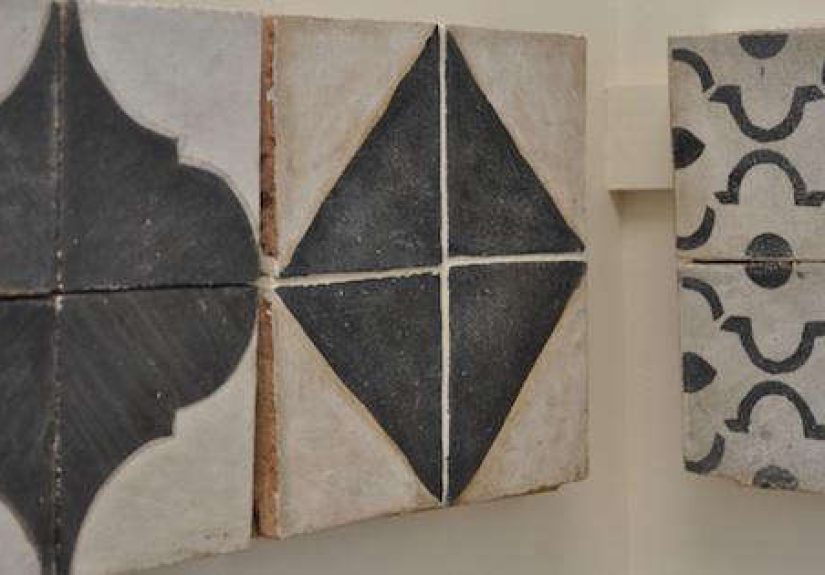
That curatorial instinct shows up in the breadth of the studio’s offerings. Current and past collection pages reference names such as Andalusian, Bread + Butter, MakuMade, Marsala, Sevilla, Mediterra, and KJ Patterson. Even the collection descriptions suggest a wide creative range: hand-painted patterns inspired by Morocco, Italy, Spain, and Tunisia; neutral and candy-colored glazes in matte and glossy finishes; hand-formed stoneware that balances organic and geometric qualities; and Spanish-inspired historic tile methods reimagined for contemporary homes. That is a fancy way of saying Filmore Clark does not appear interested in boring rooms.
Early design coverage helped define the brand’s public image. Remodelista’s reporting described Filmore Clark as a tile showroom near Melrose and the Pacific Design Center in Los Angeles, run by Lee Harris Nicholson and focused on American artisan tile. Those features spotlighted hand-painted terra-cotta work from Maison Artistry and watercolor-like field tile from Tempest Tileworks, reinforcing the idea that Filmore Clark functions as a design-minded source for expressive materials, not just a seller of square things you grout to a wall.
Why Art Tile Still Has Such a Strong Pull
There is a reason handmade and art-forward tile never fully leaves the design conversation: it softens perfection. Machine-made surfaces can be beautiful, but artisan tile introduces a visual rhythm that feels more human. Slight variation in size, color, glaze, sheen, thickness, or edge profile gives the installation movement. That is not a flaw. In the handmade tile world, that is the whole romance.
Manufacturers across the U.S. surface industry make the same point in different words. Handmade tile often includes natural variation from piece to piece and batch to batch, including subtle differences in color, warpage, crazing, and glaze application. Some brands explicitly grade variation levels, while others recommend blending tiles during installation to make the most of tonal range. This means a Filmore Clark-style installation works best when you treat the material like an art form rather than wallpaper. You do not force every tile to behave identically. You let the field develop character.
That is also why these surfaces photograph so well. A flat, uniform backsplash may look clean. A handcrafted backsplash can look alive. Think of a shower wall with painterly blues, a kitchen alcove finished in softly irregular cream crackle tile, or a mudroom floor with an old-world pattern that looks as though it has been there for a century even when it was installed last Tuesday.
How Filmore Clark Fits Into the Countertop Conversation
The title “Filmore Clark Art Tiles & Countertops” invites an important question: is this mainly a tile story, a countertop story, or both? The honest answer is both, but not always in the same way. Filmore Clark is most clearly identified with artisan tile, yet tile choices and countertop choices are inseparable in real rooms. A backsplash never lives alone. It lives next to quartz, marble, granite, quartzite, butcher block, porcelain slab, or some other hardworking surface that gets coffee rings, lemon juice, and the occasional pan dropped in a fit of weeknight cooking chaos.
That is why the smartest design approach is usually not “pick a beautiful tile and hope for the best.” It is “build a conversation between the tile and the countertop.” If one surface is loud, the other often benefits from being calm. If the countertop has dramatic veining, the tile may need to echo tone instead of compete with pattern. If the tile is richly handmade, the countertop may need a quieter finish so the room does not start arguing with itself.
Quartz Countertops
Quartz remains popular for good reason. Major U.S. brands describe quartz as nonporous, nonabsorbent, stain resistant, and generally easy to care for with warm water, a soft cloth, and mild soap. It does not require sealing, which immediately makes it attractive for busy households, rental updates, and clients who love beautiful kitchens but do not want a chemistry exam every time tomato sauce splashes. Paired with Filmore Clark-style art tile, quartz can play the role of the dependable supporting actor: elegant, clean, and happy to let the backsplash steal the scene.
Natural Stone Countertops
Marble, quartzite, soapstone, and granite appeal to people who prefer natural variation over manufactured consistency. Natural stone can be stunning with artisan tile because the room ends up layered with two kinds of character: the geological and the handmade. The trade-off is maintenance. Natural stone typically benefits from proper sealing and gentle, pH-balanced care. If you are the type who wants your kitchen to age with patina and personality, that trade may feel worthwhile. If you panic when olive oil lands somewhere uninvited, you may prefer quartz.
Porcelain and Other Seamless Surfaces
There is also a strong trend toward seamless countertop materials, including large-format porcelain surfaces. Industry sources point out that tile countertops have lost ground to more seamless options for both aesthetic and practical reasons. Grout lines are the main culprit. They can add charm, but they can also add upkeep. So while tile countertops can look warm, distinctive, and Mediterranean in the best possible way, many homeowners now prefer to use art tile on backsplashes, shower walls, fireplace surrounds, wet bars, powder rooms, and feature zones, while keeping the actual countertop surface more continuous and easy to wipe down.
Should You Put Tile on the Countertop Itself?
Here is the non-dramatic truth: you can, but you should know what you are signing up for. Tiled countertops are stylish, budget-flexible, and wonderfully expressive, but they usually require more upkeep than slab materials because grout lines can collect dirt and need regular care. They are not wrong. They are just a commitment.
That means a Filmore Clark-inspired kitchen often works best with one of two strategies. Strategy one: use art tile as the backsplash, niche, or statement panel, then pair it with quartz or stone on the countertop for easier daily maintenance. Strategy two: embrace tile on the counter in a deliberate old-world or eclectic design, keeping grout color thoughtful and upkeep realistic. Either route can be beautiful. The key is honesty. Choose the look you will still love on an ordinary Wednesday, not just in a perfectly staged photo.
How to Pair Filmore Clark Art Tiles With Countertops Successfully
1. Let One Surface Lead
If the tile carries hand-painted pattern, crackle glaze, or obvious texture, let the countertop relax a little. A quiet quartz, honed stone, or restrained porcelain slab often gives handmade tile space to breathe. On the flip side, if you have a highly dramatic quartzite or veined marble countertop, consider a field tile with subtle movement rather than a busy motif.
2. Match Tone Before You Match Color
Many people obsess over exact color matching and miss the bigger issue: tone. Warm cream tile rarely feels right beside icy white quartz. Dusty green handmade tile may sing next to warm limestone but feel slightly confused beside blue-gray concrete-look quartz. Filmore Clark’s edited aesthetic makes the best case for tonal harmony over perfect sameness.
3. Respect Finish
Glossy tile next to polished stone can look glamorous, but too much shine can make a room feel slippery in spirit. Matte tile against honed or softly textured surfaces often feels more grounded and architectural. If you want sophistication rather than sparkle overload, mixing sheen levels thoughtfully is your friend.
4. Grout Is Not an Afterthought
Grout color changes everything. A close match can make a wall read more seamless and serene. Contrast grout can make shape and pattern more graphic. Industry advice repeatedly emphasizes that grout choice is both a technical and aesthetic decision, especially around kitchen surfaces where cleaning and visual rhythm matter. In short, grout is not the side character. Grout is the plot twist.
5. Always Sample Like a Sensible Adult
Handmade tile has variation by nature, and countertops can shift dramatically under different lighting. View samples together in the actual space. Morning light, under-cabinet lighting, and evening shadows can all change your read. A pairing that looks poetic at noon may look oddly beige by dinner.
Where Filmore Clark-Style Surfaces Shine the Most
Kitchens: The obvious star. Use art tile for backsplashes, coffee stations, hood walls, or open-shelf back panels. Pair with quartz for easy care or natural stone for layered richness.
Bathrooms: Handmade tile is especially strong here because baths reward mood. Soft variation, luminous glaze, and historical pattern can turn even a small powder room into the most memorable room in the house.
Wet Bars and Butler’s Pantries: These are ideal places to be a little bolder. A richly glazed backsplash behind moody cabinetry can look custom without requiring a full-house commitment.
Fireplace Surrounds: Tile with visible depth and variation can make a fireplace feel architectural rather than merely functional.
Entry Floors and Stair Risers: Patterned artisan tile can bring immediate personality to transitional spaces, especially when you want a historic or globally inspired feel.
Maintenance: The Glamorous Topic Nobody Wants but Everybody Needs
Handmade tile is charming, but charm likes proper care. U.S. tile care guidance generally recommends mild, neutral-pH cleaning products, warm water, soft cloths, and quick cleanup of spills. Abrasive scrubbers, strong acids, and the “I used whatever was under the sink” method are not the heroes of this story. Depending on the specific tile, glaze, finish, and grout, sealing may also matter, particularly for certain crackle or porous products.
Countertops have their own rules. Quartz is typically the low-drama option: no sealing, mild soap, soft cloth, and sensible caution with harsh chemicals and extreme heat. Natural stone is more nuanced. It rewards proper care, but it asks for respect in return. This is why a practical renovation mindset often pairs expressive artisan tile with a countertop material that matches the household’s real maintenance tolerance. Design should flatter your lifestyle, not scold it.
Is Filmore Clark Worth Considering?
Absolutely, especially if your taste runs toward craftsmanship, curation, and surfaces that do not look copied from every flipped house on the block. Filmore Clark makes sense for homeowners, designers, and renovators who want handmade character, historically informed pattern, and materials with a strong point of view. It may be less ideal for someone who wants extreme uniformity, the lowest possible maintenance across every surface, or a purely builder-basic look. But then again, builder-basic has never been known for causing happy gasps.
The bigger value of Filmore Clark is not just the tile itself. It is the design attitude behind it. The studio represents an argument that surfaces can be functional and still feel personal; that kitchens and baths deserve texture, history, and artistry; and that “practical” does not have to mean “personality-free.”
Extended Experiences: What Living With Art Tiles and Countertops Actually Feels Like
One of the most interesting things about a Filmore Clark-style space is that the experience changes after installation. In the showroom, you notice the color. In daily life, you notice the mood. Handmade tile has a way of becoming more beautiful the less you stare at it directly. You catch it in passing while making coffee, while brushing your teeth, while rinsing a wineglass at the sink, and suddenly the room feels richer than it did when everything was flat, predictable, and painfully “safe.”
People often expect art tile to feel formal or precious, but well-chosen handmade tile usually does the opposite. It softens a room. The slight variation from piece to piece keeps walls from reading like giant printed stickers. A cream crackle backsplash can make a kitchen feel lived-in even when the cabinets are brand new. A hand-painted powder room wall can make guests pause for half a second longer than usual, which is the universal sign that your material choices are doing something right. Nobody pauses for generic beige laminate unless they are looking for the light switch.
The countertop side of the experience is more practical and just as important. If you pair expressive tile with quartz, daily life feels easy. Wipe, cook, repeat. You get the visual richness of handmade surfaces without having to negotiate with every splash of lemon juice. If you pair art tile with marble or another natural stone, the room can feel incredibly layered and luxurious, but the experience becomes more tactile and more aware. You use a trivet. You wipe spills faster. You start to understand the surface as something that lives with you rather than something that merely resists you.
That distinction matters in family homes, too. In a busy kitchen, a bold backsplash can become part of the house memory. Kids remember the green tile wall. Guests remember the patterned bar nook. Friends taking photos somehow drift toward the powder room mirror because the wall behind them looks far better than it has any right to. These experiences sound small, but they are exactly what separate a renovated room from a memorable one.
There is also a psychological side to handmade materials that people do not always talk about. Rooms finished with artisan tile often feel calmer because the surfaces are visually active in a gentle way. The variation is subtle enough to create depth without demanding constant attention. That can make a kitchen feel warmer, a bath feel more restorative, and a small space feel more intentional. It is design doing emotional work without waving a giant flag about it.
Of course, there are trade-offs. Grout requires cleaning. Samples matter. Lighting can surprise you. A tile that looks sandy and soft online may look more golden in your actual home. Handmade variation means you have to surrender a tiny bit of control, and not everyone enjoys that. But for the people who do, the reward is significant. The room feels composed, not manufactured. Personal, not copied. Finished, but still alive.
That may be the best way to understand Filmore Clark and the larger appeal of art tiles and thoughtful countertops. The goal is not perfection in the sterile sense. The goal is atmosphere. It is a kitchen that feels collected instead of assembled, a bathroom that feels designed instead of merely tiled, and a home that quietly suggests somebody with excellent taste lives there. Even if that somebody is still wearing socks that do not match while making toast. Real life, after all, deserves beautiful surfaces too.
Final Thoughts
Filmore Clark Art Tiles & Countertops represents more than a product category. It represents a design philosophy: choose surfaces that do the job, yes, but also choose surfaces that say something. Handmade tile, curated collections, thoughtful countertop pairings, and realistic maintenance planning can turn a kitchen or bath from functional to unforgettable. When the balance is right, you get the best kind of room: one that works hard, looks beautiful, and never feels like it came from a template.