Table of Contents >> Show >> Hide
- Why Watercolor Flower Tattoos Stand Out
- The Flowers People Choose Most Often
- What Makes a Good Watercolor Flower Tattoo
- Placement Matters More Than People Think
- Do Watercolor Tattoos Fade Faster?
- How To Choose the Right Artist
- Aftercare: The Unsexy Part That Saves the Pretty Part
- Why This Style Resonates So Strongly
- Design Ideas That Work Beautifully in Watercolor
- Experience Section: What It Feels Like To Get and Wear a Watercolor Flower Tattoo
- Conclusion
Some tattoos whisper. Some tattoos shout. And watercolor flower tattoos? They glide in like a breeze through an open studio window, carrying a little color, a little romance, and just enough drama to make people stop mid-sentence and say, “Wait, let me see that again.”
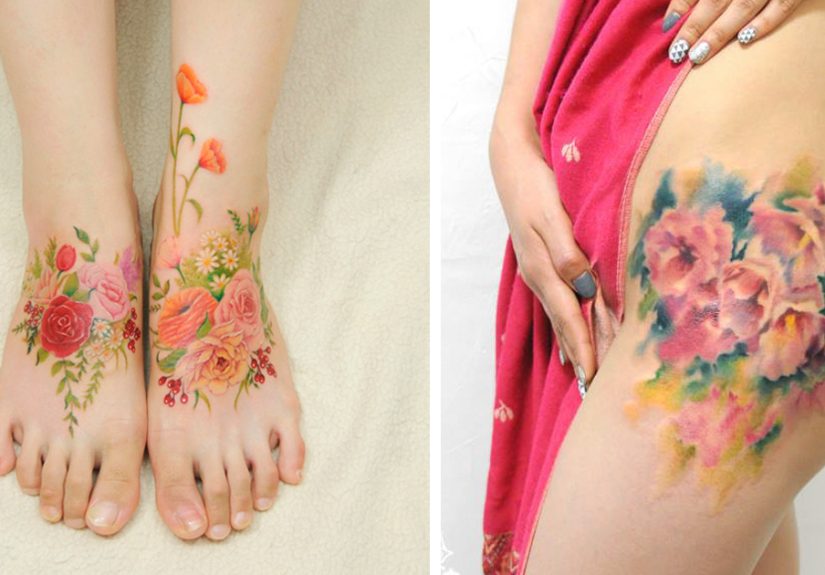
That is the magic of flower watercolor tattoos. They borrow the softness of paint on paper and translate it into body art that looks airy, expressive, and wonderfully alive. Instead of relying only on crisp outlines and heavy shading, this style leans into blurred edges, layered pigment, delicate splashes of color, and painterly transitions that make petals look as if they were brushed onto the skin with a wet paintbrush five minutes ago.
Of course, the look is dreamy, but the appeal goes deeper than aesthetics. Floral tattoos already carry emotional weight: roses for love, peonies for prosperity, lotus flowers for rebirth, lilies for devotion, wildflowers for freedom, and sunflowers for warmth and loyalty. Add the watercolor effect, and suddenly the design feels less like a standard tattoo and more like a tiny gallery wall that happens to live on your arm.
In a world full of trends that burn bright and vanish faster than your willpower in a bakery, watercolor flower tattoos have held attention because they are both artistic and personal. They can be bold or delicate, sentimental or purely decorative, modern or slightly whimsical. They also photograph beautifully, which certainly does not hurt in the age of camera rolls and social feeds. But their staying power comes from something more important: they allow people to wear emotion in color.
Why Watercolor Flower Tattoos Stand Out
Traditional tattoo styles are built around structure. Strong linework, clear contrast, and deliberate shading do a lot of the heavy lifting. Watercolor tattoos play a different game. They aim to capture movement, softness, and spontaneity. Instead of looking carved into the skin, they can appear painted across it, which gives floral designs an especially natural advantage.
Flowers are already associated with softness, growth, and visual detail. Their petals, stems, and layered forms lend themselves beautifully to gradients, diluted tones, and splashes of pigment. A peony can bloom in pink and coral washes. A lavender sprig can drift across the wrist in violet haze. A poppy can glow with a burst of red that feels half botanical illustration, half modern art experiment gone gloriously right.
The best versions of this style do not look messy. That is a common misunderstanding. A strong watercolor tattoo is controlled chaos. The artist still needs composition, balance, skin flow, and color theory. The piece may look effortless, but it is built with intention. Think of it as the tattoo equivalent of “I woke up like this,” except somebody absolutely spent a lot of time making it look that natural.
The Flowers People Choose Most Often
Not every flower says the same thing, and that is part of the fun. The floral tattoo category is broad enough to match almost any personality, memory, or mood board. Some people choose blooms for symbolism. Others choose them because the shape fits the body well. And yes, some choose them because they simply look gorgeous, which is a perfectly respectable life philosophy.
Rose Tattoos
Roses remain a favorite because they are endlessly adaptable. In watercolor form, a rose can feel softer and more contemporary than a classic black-and-gray design. Pink and red washes add romance, while blue or mauve tones create something moodier and more editorial.
Lotus Tattoos
The lotus is often chosen for themes of renewal, resilience, and spiritual growth. In watercolor styling, it becomes especially striking because the petals naturally welcome layered color. Soft blues, purples, and blush tones can make the design feel calm, balanced, and elegant.
Peony Tattoos
Peonies are ideal for people who want volume and lush detail. They look luxurious without being stiff. A watercolor peony can feel rich and airy at the same time, like a bouquet and a painting had a very successful collaboration.
Sunflower Tattoos
Sunflowers bring brightness and optimism. Their golden tones translate beautifully into watercolor, especially when paired with loose splashes or abstract backgrounds. These tattoos tend to feel cheerful without becoming childish, which is a tricky and admirable balance.
Wildflowers and Botanical Sprigs
For a lighter, more minimal result, many people choose wildflowers, daisies, lavender, or small botanical clusters. These designs work well on wrists, forearms, collarbones, ankles, and behind the ear. They are subtle, expressive, and easy to personalize.
What Makes a Good Watercolor Flower Tattoo
A pretty idea is not enough. A watercolor flower tattoo succeeds when art and technique work together. Because the style can be softer and less outline-heavy, the artist has to think carefully about readability over time. Petals need separation. Color transitions need intention. Placement matters. So does scale.
Small watercolor tattoos can look lovely, but they need breathing room. If too many details are crammed into a tiny space, the design may lose clarity as the tattoo settles and ages. On the other hand, larger placements like the forearm, shoulder, thigh, upper arm, and back give the artist more room to let the “painted” effect breathe.
Many experienced artists also combine watercolor effects with fine black linework or subtle structure beneath the color. That approach gives the tattoo an anchor. The result still feels painterly, but the image remains readable. In other words, it is the visual equivalent of wearing sneakers with a tailored coat: stylish, balanced, and less likely to regret itself later.
Placement Matters More Than People Think
Placement is not just about aesthetics. It affects visibility, wear, and how well color holds over time. Areas that experience a lot of friction, heavy sun exposure, or frequent washing may show fading sooner. Hands and fingers, for example, can be beautiful but high-maintenance. Wrists and inner arms often offer a better balance of visibility and longevity. The shoulder, upper arm, thigh, and back are also popular because they provide a relatively stable canvas.
When choosing placement, think about the shape of the flower and the direction of movement. A single stem may follow the forearm elegantly. A bouquet can sit beautifully on the shoulder blade. A crescent-shaped arrangement of blooms may complement the collarbone. Great tattoos do not just sit on the body; they move with it.
Do Watercolor Tattoos Fade Faster?
This is the question everyone asks, usually right after saying, “Wow, that looks like a painting.” The honest answer is that all tattoos fade over time, but color-heavy tattoos, especially those with softer saturation and less dense linework, can require more maintenance than bold black designs. That does not make watercolor tattoos a bad idea. It just means expectations should be realistic.
Sun exposure is one of the biggest enemies of color tattoos. UV light can dull pigment, and that matters even more when a design depends on soft pinks, purples, blues, and yellow washes. Proper aftercare during healing is essential, and long-term care matters too. Once healed, sunscreen is not optional if you want that bloom to keep blooming instead of looking like it got tired halfway through summer.
Touch-ups are sometimes part of the journey, especially for colorful work. The right artist will talk about this honestly rather than pretending your tattoo will look brand new forever. That is not how skin works. Skin is not archival watercolor paper, unfortunately. If it were, half of us would be less stressed.
How To Choose the Right Artist
A watercolor flower tattoo is not the time for random optimism. You want an artist with a portfolio that shows healed work, strong color sense, and clean floral composition. Fresh tattoos can look amazing in almost any studio lighting. Healed tattoos tell the real story.
Look for artists who understand petal structure, contrast, and flow. If every flower in the portfolio looks like a decorative cloud with commitment issues, keep scrolling. You want someone who can create softness without sacrificing form. It also helps to choose an artist who is honest about what will and will not age well on your skin tone, in your chosen placement, and at your preferred size.
A consultation matters here. Bring references, but leave room for interpretation. The best tattoos are not copy-paste jobs. They are collaborative pieces shaped by your meaning, the artist’s skill, and the reality of how tattooing works on human skin rather than in fantasy land.
Aftercare: The Unsexy Part That Saves the Pretty Part
Fresh tattoos need care, and watercolor flower tattoos are no exception. During healing, keep the area clean, follow your artist’s instructions, avoid picking, avoid soaking, and keep it out of direct sun. Once the tattoo is healed, moisturize regularly and use broad-spectrum sunscreen. Color tattoos especially benefit from consistent protection.
It is also smart to pay attention to warning signs. Some redness, tenderness, and peeling can be normal during healing, but worsening pain, excessive swelling, unusual drainage, or a rash should not be ignored. A beautiful tattoo should not come with a side quest into preventable skin drama.
Why This Style Resonates So Strongly
There is something emotionally intelligent about a watercolor flower tattoo. It can carry memory without becoming heavy-handed. It can feel feminine without being fragile, expressive without being loud, artistic without trying too hard. The style gives people room to tell stories in a softer visual language.
For some wearers, the flower marks a life change: a birth, a loss, a move, a recovery, a new season. For others, it is simply a celebration of beauty. That is enough too. Not every tattoo needs a dramatic backstory involving tears, thunder, and an ex who “just did not understand your creative spirit.” Sometimes a flower tattoo exists because color brings joy. That is a perfectly solid reason to put art on your body.
Design Ideas That Work Beautifully in Watercolor
If you are considering this style, a few design approaches tend to work especially well. A single large bloom with soft pigment bleeding beyond the petals creates a statement piece without overcrowding the skin. A bouquet of birth flowers adds personal meaning and visual variety. Botanical stems paired with light splatter effects feel modern and graceful. A floral half-sleeve with layered washes can look like a painter’s sketchbook opened across the arm.
You can also mix watercolor florals with other elements. Butterflies, moons, birds, script, geometric frames, and abstract brushstrokes all pair well when used thoughtfully. The trick is restraint. Watercolor already brings movement. Floral shapes already bring detail. You do not need to invite the entire visual universe to the same party.
Experience Section: What It Feels Like To Get and Wear a Watercolor Flower Tattoo
The experience of getting a watercolor flower tattoo is often different from what people expect. Before the appointment, there is usually a strange mix of excitement and overthinking. You may start by confidently saying you want a delicate pink peony on your forearm, then spend three evenings comparing twelve shades of blush like you are casting a prestige period drama. This is normal. Tattoos are permanent, and color choices suddenly make people act like art directors under pressure.
At the consultation stage, many people realize the tattoo becomes more interesting once an artist starts adapting the design to the body. A flower that looked perfect on a phone screen may need to be rotated, stretched, simplified, or enlarged so it flows with the arm, shoulder, or leg. This is usually the moment when the tattoo stops being just “an idea” and starts becoming a personal piece of art.
On appointment day, the emotional atmosphere is surprisingly memorable. There is the sound of setup, the stencil check, the last-minute decision about whether the blue should be softer or moodier, and the tiny internal speech every tattooed person gives themselves before the needle starts. Something along the lines of: I am calm, I am brave, I absolutely chose this, and wow that machine is louder than expected.
The actual sensation varies by placement, but many people describe watercolor floral tattoos as mentally easier once the session gets going. The nerves before the first few minutes are often worse than the tattoo itself. Once the outline and color begin, attention shifts. You start noticing the process, the artist’s concentration, the way the flower gradually appears on skin, and the oddly satisfying transformation from blank space to visible art.
Then comes the healing stage, which is less glamorous but deeply part of the experience. A fresh watercolor flower tattoo can look extremely vivid at first, then slightly duller or cloudier while healing, which causes mild panic in people who have forgotten that skin is not a laminated poster. As peeling settles and the tattoo finishes healing, the colors soften into place and the design starts to look more integrated with the skin.
Wearing the tattoo over time becomes its own experience too. People often report that watercolor flower tattoos feel more personal than expected because they attract a different kind of attention. Instead of “What does that symbol mean?” the reaction is often “That looks like a painting.” It invites curiosity about style, color, and artistry. For many wearers, that makes the tattoo feel less like decoration and more like a portable creative identity.
There is also a quiet emotional effect. A flower tattoo can become part of how someone sees themselves in everyday life. Catching a glimpse of a painted iris on the wrist while typing, or a soft rose blooming across the shoulder in the mirror, can feel grounding, joyful, or simply beautiful. That matters. Good body art does not only change appearance. It changes familiarity. It gives the body another layer of story.
And perhaps that is why this style continues to resonate. Watercolor flower tattoos are not just trendy because they are colorful. They work because they blend softness and permanence, spontaneity and structure, personal meaning and visual charm. They feel like art you live with, not art you only look at. That is a powerful thing to wear.
Conclusion
Flower tattoos that mimic watercolor paintings on skin remain compelling because they merge beauty with emotion and technique with imagination. When done well, they look luminous, expressive, and deeply personal. They can celebrate growth, mark a memory, or simply bring a little color into everyday life. The key is choosing the right artist, the right placement, and the right expectations. Do that, and your tattoo can feel less like a trend and more like a lasting piece of wearable art.