Table of Contents >> Show >> Hide
- There Is No Single Right Age to Start Wearing Makeup
- What Experts and Parents Usually Mean by “Age-Appropriate” Makeup
- How to Tell If Your Child Is Actually Ready for Makeup
- Why Young Skin Needs a Lighter Touch
- The Best Way to Let Kids Start Wearing Makeup Safely
- How Social Media Changes the Makeup Conversation
- Good Family Rules for Makeup
- When Parents Should Hit Pause
- So, What’s the Best Age to Start Wearing Makeup?
- Real-Life Experiences Parents and Kids Often Share
- Conclusion
Few parenting questions arrive with as much drama packed into one sentence as this one: “Can I start wearing makeup?” Sometimes it’s asked sweetly. Sometimes it’s asked while standing in a store aisle holding a glitter palette that looks like it was designed by a disco ball with a PhD in marketing. Either way, many parents freeze, and many kids feel like the answer matters a lot more than adults realize.
Here’s the honest answer: there is no magic birthday when makeup suddenly becomes appropriate. No siren goes off at age 12. No beauty fairy appears at 13 with a starter kit and a lecture on blending. The “right” age depends on maturity, skin sensitivity, family values, school rules, and the reason a child wants to wear makeup in the first place.
For some kids, makeup is creative play. For others, it is about fitting in, covering acne, feeling older, or copying what they see online. That is why the better question is not just, “How old should a kid be to wear makeup?” It is also, “Why do they want it, and are they ready to use it safely?”
This guide walks parents and kids through a balanced approach. No pearl-clutching. No “absolutely never.” No pressure to turn a fifth grader into a Sephora intern. Just practical advice about age, readiness, safety, skin care, and family boundaries.
There Is No Single Right Age to Start Wearing Makeup
If you were hoping for one official number, I regret to inform you that parenting has once again refused to become a spreadsheet. In real life, the right age varies from child to child. One 11-year-old may be responsible enough to use tinted lip balm and wash it off before bed. Another 14-year-old may leave mascara on for three days and loan eyeliner to half the soccer team. Age matters, but readiness matters more.
A healthy rule of thumb is this: makeup should match the child’s maturity level, not just their interest level. Wanting something and being ready for it are cousins, not twins.
In general, lighter and more occasional makeup tends to make sense earlier than full-face routines. There is a big difference between a tween wearing lip gloss at a birthday party and a child feeling pressure to contour their face before homeroom. One is experimentation. The other is a stress hobby with a ring light.
What Experts and Parents Usually Mean by “Age-Appropriate” Makeup
Ages 5 to 9: Play, Costumes, and Special Occasions
For younger kids, makeup is usually pretend play. Think face paint at Halloween, a dance recital, or dressing up at home. At this age, regular daily makeup is generally unnecessary. Kids this young do not need adult beauty routines, and their skin is more sensitive than adult skin. If makeup enters the picture at all, it should be simple, short-term, supervised, and removed gently.
This is also the age when parents should teach a few basic truths: makeup is not required to be pretty, products are not toys just because the packaging looks adorable, and nothing that goes near the eyes should be shared. Ever.
Ages 10 to 12: The Common “Starter” Years
For many families, the tween years are when the makeup conversation gets real. A child may ask for tinted lip balm, clear mascara, a little concealer for a school event, or light blush for fun. This is often a reasonable age to allow very light makeup if the child can follow rules and handle skin care responsibly.
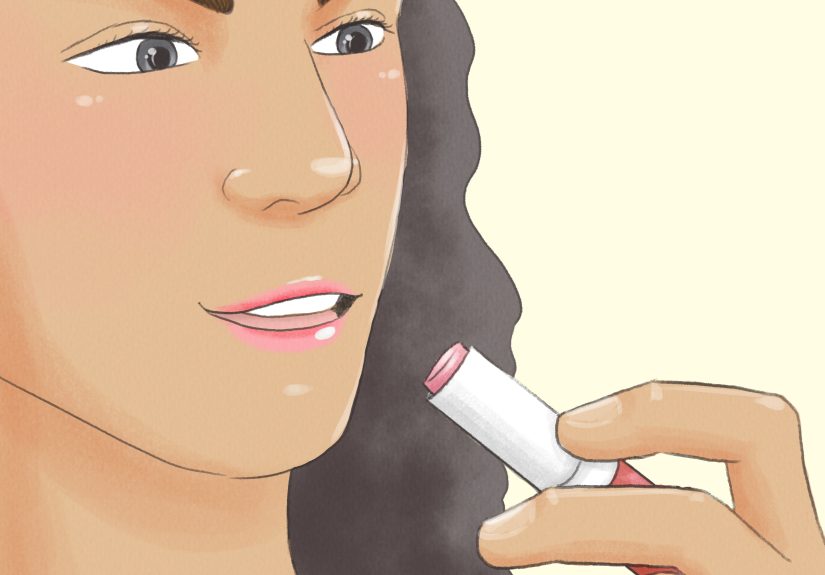
Starter makeup at this age should look more like “fresh and simple” than “ready for a season finale.” A tinted lip balm, sheer gloss, or a small amount of noncomedogenic concealer can be enough. The goal is not transformation. The goal is learning.
Ages 13 to 15: More Independence, More Responsibility
Teens often want more control over how they look, and that is normal. Puberty can bring acne, oiliness, and self-consciousness. At this stage, makeup may become part of self-expression or confidence-building. It can also become tangled up with comparison, social media, and appearance pressure. Parents should not panic, but they should stay involved.
Teen makeup use works best when it comes with a few non-negotiables: remove it every night, choose products that suit acne-prone or sensitive skin, do not share products, and do not let beauty content on social media become the family’s loudest parenting voice.
Ages 16 and Up: Freedom With Good Habits
Older teens can usually handle more experimentation, but the same rules still apply. More products do not automatically equal better results. In fact, too many products can irritate young skin, clog pores, and turn “just trying stuff” into breakouts, redness, or dryness. Even for older teens, the smartest beauty routine is usually the simplest one that works.
How to Tell If Your Child Is Actually Ready for Makeup
Readiness is not about how dramatically your child sighs when you say no. It is about behavior. A child may be ready for makeup if they can:
- follow hygiene rules without constant reminders,
- wash their face gently and remove makeup at night,
- use a small amount instead of treating their face like a blank wall in need of repainting,
- handle “not for school” or “only on weekends” boundaries without turning every discussion into a courtroom drama,
- understand that makeup is optional, not a requirement for beauty or acceptance.
A child may not be ready if they are obsessed with looking older, hiding flaws in a distressed way, copying adult beauty routines they do not understand, ignoring skin irritation, or refusing basic cleanliness. When makeup starts to feel less like play or self-expression and more like pressure, it is time to slow down.
Why Young Skin Needs a Lighter Touch
Parents often think of makeup as harmless because it is sold everywhere and marketed with suspicious levels of sparkle. But younger skin is more sensitive, and kids do not need complicated adult routines. Trendy anti-aging products, heavy foundations, harsh exfoliants, and highly active ingredients can irritate skin that is still developing and already going through normal hormonal changes.
If a child or teen has acne, eczema, or easily irritated skin, product choices matter even more. Makeup can be used on acne-prone skin, but it should be chosen carefully. Look for labels such as noncomedogenic, oil-free, or won’t clog pores. In plain English: the product is less likely to turn a small breakout into an entire weather system.
Parents should also watch for redness, stinging, itching, bumps, swelling, or a sudden flare of acne or eczema. If a product seems to cause a problem, stop using it. Do not let wishful thinking become a skin-care strategy.
The Best Way to Let Kids Start Wearing Makeup Safely
Start Small
The safest way to introduce makeup is gradually. Start with one or two simple items instead of a full kit. Tinted lip balm, clear brow gel, or a light concealer is usually plenty for beginners. Heavy eye makeup, contouring, long-wear matte formulas, and products with strong fragrance are not where most kids need to begin.
Build a Simple Routine First
Before a child gets makeup, they should learn the routine that comes with it:
- wash hands before applying products,
- start with a clean face,
- use clean brushes or sponges,
- remove makeup at the end of the day,
- follow with a gentle cleanser and moisturizer.
That may not sound glamorous, but neither is an irritated eyelid. Skin care is the backstage crew that makes the show possible.
Choose Products Carefully
Look for age-appropriate, fragrance-light or fragrance-free options when possible, especially for sensitive skin. Eye products should be intended specifically for the eye area. Do not use lip products around the eyes, do not revive dried mascara with water, and do not keep old makeup forever like it is a family heirloom. Makeup expires, especially eye makeup.
Teach Makeup Hygiene Like It Is Part of the Product
This part matters more than many kids realize. Do not share mascara, eyeliner, lip products, brushes, or sponges. Clean tools regularly. Replace old or dried products. If a child has an eye infection, toss the eye makeup used around that time. Makeup is personal, not communal. It is not chips and salsa.
How Social Media Changes the Makeup Conversation
Today’s makeup question is not happening in a vacuum. Kids are growing up in a world of filtered faces, beauty tutorials, “get ready with me” videos, and trends that suggest a normal school day requires the preparation level of an awards show. That can create pressure fast.
This is why the makeup conversation should also be a media literacy conversation. Parents can ask:
- Do you want makeup because it is fun, or because you feel like you need it?
- How do you feel after watching beauty videos online?
- Do certain accounts make you feel creative, or just not good enough?
These questions are not anti-makeup. They are pro-self-awareness. Makeup can be playful and artistic. It can also become a shortcut to “I only look okay if I fix my face first.” That is the emotional line parents should watch most carefully.
Good Family Rules for Makeup
Every family will land in a slightly different place, but clear rules make life easier. Here are a few that work well:
- Start with a few basic products, not a giant collection.
- Weekend or special-occasion makeup may come before school makeup.
- No sharing products with friends.
- All makeup comes off before bed.
- If skin gets irritated, the product is paused.
- If school or team rules say no, the answer is no.
- Makeup is for expression, not for hiding who you are.
The best family rules are firm but not dramatic. You do not need a 19-page contract. You just need consistency.
When Parents Should Hit Pause
Sometimes the right answer is, “Not yet.” That does not make a parent strict. It makes a parent observant. Consider slowing down if your child is:
- showing signs of distress about their appearance,
- trying to use makeup to look much older,
- using products in unsafe ways, especially around the eyes,
- reacting badly to products,
- getting pulled into an expensive, complicated routine far beyond what their skin needs.
If a child has persistent acne, eczema, rashes, or swelling, it is smart to talk with a pediatrician or dermatologist. Sometimes what looks like a makeup problem is really a skin-condition problem with a concealer on top.
So, What’s the Best Age to Start Wearing Makeup?
The best age is not a number. It is a combination of curiosity, maturity, safety, and context.
For many families, very light makeup begins around the tween years, often somewhere between 10 and 12, because that is when interest commonly starts and kids can usually begin learning the routines that go with it. But that does not make it right for every child, and it definitely does not mean a younger child should be using adult-level products or complicated beauty routines.
A simple way to think about it is this: if your child is old enough to use makeup, they are old enough to learn how to use it safely, lightly, and without tying their worth to it. If they are not ready for that part, they are not ready for the makeup part either.
And for kids reading this: wearing makeup does not make you more grown-up, more beautiful, or more important. It is just one way to play with style. Your face is not a problem to solve. Makeup should be an accessory, not a rescue mission.
Real-Life Experiences Parents and Kids Often Share
In many families, the first makeup request starts small. A daughter wants lip gloss because her friends have it. A son wants concealer for a breakout before picture day. A tween asks for a little shimmer for a school dance. The request may sound tiny, but for parents it can feel like it opens the door to a much bigger question: Is my child growing up too fast? In reality, the experience is often less dramatic and more manageable than parents fear.
One common experience is the “starter compromise.” A parent says yes to tinted lip balm and no to eyeliner. The child is thrilled for about a week, then forgets where the lip balm went, which is honestly the most age-appropriate outcome possible. Another family allows makeup only on weekends, and the child quickly learns that putting on concealer is the easy part; washing it off before bed is the real test of maturity.
Some kids discover they like makeup for creative reasons. They enjoy color, style, and experimenting in front of the mirror. These kids often do well when parents frame makeup as art rather than necessity. The tone changes from “You need this” to “You can play with this.” That shift matters. It keeps makeup in the category of choice rather than pressure.
Other kids approach makeup because of insecurity, especially around acne. A middle schooler with breakouts may feel relieved by a little concealer, and that can be understandable. In these cases, families often find the healthiest path is a two-part approach: treat the skin gently and talk openly about confidence. Makeup may help them feel more comfortable, but it should not carry the whole emotional burden.
Parents also frequently report that the hardest part is not the product itself. It is the social comparison. A child says, “Everyone else is wearing it,” and suddenly the conversation is no longer about mascara. It is about belonging. Many families find that listening first helps. When parents ask, “What do you like about it?” or “What do you hope it will do for you?” they usually get better answers than when they jump straight into a lecture.
Kids, for their part, often say they want parents to trust them, not tease them. A joking comment about “painting your face” may sound harmless to an adult, but it can make a self-conscious kid shut down fast. The most productive experiences happen when parents stay calm, set limits, and avoid turning makeup into a moral crisis.
Over time, many families settle into a rhythm. A few basic products. A few clear rules. A few mistakes, including at least one unfortunate shade mismatch that will live forever in family photos. That is normal. Learning what works, what irritates skin, and what feels comfortable is part of the process.
The best experience is usually not the one where a child starts makeup the earliest or the latest. It is the one where the child feels guided, not judged; where the parent feels involved, not steamrolled; and where makeup stays in its proper place: a tool for expression, not a requirement for self-worth.
Conclusion
If you are a parent, you do not need to pick between “absolutely not” and “do whatever you want.” The smartest middle ground is often the best one: start later rather than earlier, begin lightly, teach skin safety, and keep the conversation bigger than beauty.
If you are a kid or teen, remember this: makeup can be fun, creative, and confidence-boosting, but it does not get to decide your value. The right age to start wearing makeup is the age when you can use it responsibly and still know you look like yourself without it. That is the goal. Everything else is just lip gloss.