Table of Contents >> Show >> Hide
- What Is a French Cotton Net Bag, Exactly?
- Why People Keep Falling in Love With It
- How to Choose a Good French Market Bag
- How to Use a Cotton Net Bag Without Losing Your Grapes
- Care, Cleaning, and the Unsexy Truth About Reusable Bags
- Sustainability: The Nuanced Reality (No Lecture, Promise)
- Style and Everyday Scenarios
- Common Questions About French Cotton Net Bags
- Experiences With a French Cotton Net Bag (The Part You Only Learn by Using One)
There are two kinds of “iconic” accessories: the kind that look amazing but hold approximately one lip balm, and the kind that look simple but somehow carry your entire life (plus three avocados you definitely didn’t plan to buy). The French cotton net bagoften called a French market bag, string bag, or filetbelongs proudly in the second category.
It’s lightweight, stretchy, breathable, and oddly charming in that “I just strolled out of a seaside market with a baguette” way. But it’s not just a vibe. This bag is a practical workhorse with a long history, and it fits modern life surprisingly wellespecially if you’re trying to cut down on disposable packaging without turning grocery shopping into a moral panic.
What Is a French Cotton Net Bag, Exactly?
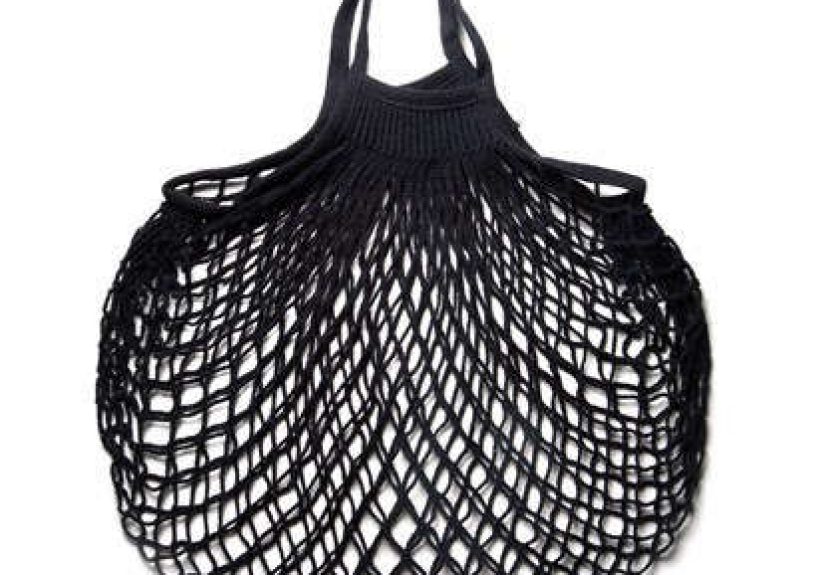
A French cotton net bag is a knitted mesh tote made from cotton cord. The netting looks delicate, but the structure is designed to stretch and distribute weight. In France, you’ll hear it referred to as a filet (a net) or filet à provisions (a provisions net). In the U.S., it’s typically marketed as a French market bag or cotton mesh shopping bag.
The classic version has long handles, a soft-but-sturdy knit, and a square-ish body that expands like it’s doing magic tricks. Folded up, it can fit in a small purse, glove compartment, or coat pocket. Opened up, it can hold a surprising amount of produce, a bottle of sparkling water, and the emotional baggage you picked up in aisle seven.
A quick origin story (with a salty breeze)
These bags are closely associated with Normandy and coastal traditionsnet-making know-how that migrated from fishing and household utility into everyday market life. Over time, the net bag became a familiar staple for shopping trips because it was durable, flexible, and easy to carry. In other words: it earned its place, decades before “reusable” became a checkout-lane buzzword.
Why People Keep Falling in Love With It
1) It expands like a cartoon
The #1 “first impression” experience is how small it looks… and how huge it becomes. The knit stretches around oddly shaped itemscabbages, loaves, boxed snacks, that one melon that feels like a bowling ballwithout requiring you to play tote-bag Tetris.
2) It’s breathable (your produce will thank you)
Mesh means airflow. That matters for fruits and vegetables that can sweat inside sealed plastic bags. A cotton net bag won’t trap moisture the same way, which can help keep produce from getting funky on the ride home.
3) It’s lightweight and packable
A structured tote is greatuntil you realize it’s taking up half your trunk. A French cotton net bag folds down to almost nothing, which makes it the kind of reusable shopping bag you’ll actually have with you when you need it.
4) It has that effortless “market morning” look
Let’s be honest: part of the appeal is aesthetic. The net bag looks casual and intentional at the same time, like you know where to buy cheese that doesn’t come in a neon wrapper.
How to Choose a Good French Market Bag
Not all cotton mesh totes are created equal. Some are tightly knitted and sturdy; others are loose and snag-prone. If you want a French cotton net bag that lasts, focus on a few practical details.
Handle length and comfort
Long handles are the classic choice because you can sling the bag over your shoulder. But pay attention to how the handle is finished. A thicker knit or reinforced handle area will feel better when the bag is loaded.
Knit density and stretch
A looser mesh stretches more, but it can also snag more easily and let smaller items poke out. A slightly denser knit can feel more secure for mixed shopping runs (think: produce + pantry items).
Seams and finishing
Look for clean stitching where handles join the body. This area takes the most stress. If the join looks flimsy, it probably won’t enjoy hauling sweet potatoes.
Dyes and standards
Many shoppers prefer bags dyed with certified standards (often labeled with textile safety certifications). This is especially relevant if you’re frequently carrying unpackaged produce.
How to Use a Cotton Net Bag Without Losing Your Grapes
The net design is both the superpower and the plot twist. It stretches beautifully, but it also means small items can slip through, and pointy packaging can poke out like it’s auditioning for a prison break movie.
Use it for produce, bread, and bulky items
- Great: apples, oranges, onions, avocados, squash, baguettes, leafy greens (with care), jars, and boxed goods.
- Not ideal: tiny loose items (garlic cloves, small limes), anything sharp-edged, or “mystery leakage” items.
The “inner bag” trick
If you want to carry smaller items, drop a lightweight cloth pouch, produce bag, or even a small paper bag inside. The net bag becomes the carrier, and the inner bag becomes your containment unit. Think of it like a stylish outer shell for your groceries’ personal boundaries.
Balance the load
Because the bag stretches, heavier items sink. Put your heaviest items in first, then layer lighter produce on top. If you’re carrying bottles, keep them centered to reduce swinging.
Care, Cleaning, and the Unsexy Truth About Reusable Bags
Here’s the part everyone forgets until they find a sticky banana situation: reusable bags need cleaning. Food safety experts and public health researchers have repeatedly pointed out that reusable grocery bags can pick up bacteriaespecially if raw meat juices, spilled dairy, or unwashed produce ride along for the journey.
How often should you wash it?
A good rule: wash after any spill, after carrying raw meat packaging, and routinely if it’s your go-to grocery companion. Some cleaning guidance recommends washing bags after each use (especially if you use them for food).
Machine wash vs. hand wash
Many cotton net bags can be machine washed. Use a gentle cycle when you want to protect the knit (especially if your bag is looser or dyed). Warm or hot water may be recommended for cotton in some cleaning guidance, but always follow any care tag if your bag has one.
Drying: line-dry is your friend
High heat can shrink cotton or stress the knit. Air-drying helps preserve shape and elasticity. If you want to avoid handle stretching while drying, hang it so the weight is distributed (or lay it flat).
A quick hygiene checklist
- Keep one bag dedicated to groceries/produce (not gym shoes, not beach towels, not mystery trunk items).
- Wash routinely, and immediately after spills.
- Let it dry fully before folding and storing.
- If you carry raw meat, consider using a separate washable liner or dedicated bag.
Sustainability: The Nuanced Reality (No Lecture, Promise)
The French cotton net bag is often framed as an eco-friendly alternative to single-use plastic. And yesreusability is a win when it actually happens. The complication is that cotton can have a higher environmental footprint to produce than thin plastic bags, which means the “break-even” point depends on how many times you reuse the bag.
The practical takeaway is refreshingly simple: the most sustainable bag is the one you already haveand actually reuse. A net bag helps here because it’s light, packable, and durable enough to become a habit instead of a good intention.
Why a net bag can be a smart middle ground
Compared with thick canvas totes, a cotton mesh tote is typically lighter and uses less material by design. That doesn’t make it magically impact-free, but it does make the “use it a lot” strategy easier. If it lives in your purse or car and shows up to the store every single time, you’re doing the thing that matters most.
Policy and cultural momentum in the U.S.
Bag rules vary widely across the United Statessome areas use fees, some use bans, and some rely on voluntary behavior shifts. The broader trend is clear: many shoppers are moving toward bring-your-own systems, and the humble reusable shopping bag is becoming standard equipment instead of a niche lifestyle accessory.
Style and Everyday Scenarios
Farmers market classic
This is the natural habitat of the French market bag. A baguette poking out is optional, but it does increase your odds of feeling like the main character.
Beach day carryall
The mesh lets sand fall through instead of moving into your home permanently. (Sand is basically glitter’s outdoorsy cousin.)
Errand bag that doesn’t hog space
Keep one tucked in your backpack or car. It’s perfect for unexpected stopscorner store runs, a quick pharmacy pickup, or the classic “I was only going to buy one thing” lie.
Gift wrap alternative
For a small gift, the bag itself can become part of the present. Add tissue paper or a cloth scarf inside so it feels intentional, not like you accidentally handed someone groceries.
Common Questions About French Cotton Net Bags
Are they actually strong?
A well-made cotton net bag can handle serious weight because the knit distributes load across many strands. That said, strength depends on the density of the knit and the quality of the handle joins. If you routinely carry heavy items, choose a sturdier knit and avoid overloading with sharp corners.
Will it stretch out permanently?
It will stretch during usethat’s the point. Most cotton mesh bags recover well after washing and drying, but leaving it loaded for long periods can encourage handle stretching. Treat it like a good sweater: don’t hang it full of potatoes for a week and expect it to bounce back instantly.
Is it good for produce storage at home?
For some produce, yesespecially items that benefit from airflow. But for long-term storage, follow best practices for each fruit or vegetable. The bag is best for transport and short-term holding, not as a universal produce preservation system.
Experiences With a French Cotton Net Bag (The Part You Only Learn by Using One)
The first time you use a French cotton net bag, you’ll probably underestimate it. You’ll hold it up, squint a little, and think, “This is adorable, but it’s basically a sock with handles.” Then you’ll put three apples in it and watch the bag quietly expand like it’s been waiting for this moment its whole life. By the time you add onions, a lemon, and a loaf of bread, you’ll realize you’ve been trickedin the nicest possible way.
A common early lesson: the bag is stronger than your fear, but your fear is not totally irrational. The mesh makes everything visible, which can feel oddly exposed at first. You may find yourself arranging groceries like you’re curating a tiny exhibit: “Here we have locally grown oranges, presented in their natural habitat.” The upside is you can see what you bought without digging, which means fewer surprise “Oh no, I forgot the cilantro and now it’s sad” moments.
The second lesson is about small items. The day you buy cherries (or anything similarly escape-prone) is the day you become an inventor. People quickly develop a system: tossing a small cloth pouch inside, using a reusable produce bag as a liner, or even placing delicate items in a paper bag first. The net bag becomes the sturdy carrier; the liner becomes the bouncer that keeps the tiny troublemakers from leaving early.
You’ll also learn that weight distribution matters. Put a heavy jar on one side and it will swing like a pendulum as you walk, gently tapping your leg as if reminding you that you’re not in charge here. Center heavy items, keep bottles upright, and if you’re carrying something sharp-edged (like a boxed item with stiff corners), rotate it so it doesn’t poke at the netting.
Another real-life detail: the handles. Long handles are greatuntil you’re wearing a slippery jacket and the bag slides off your shoulder in slow motion. The fix is simple: loop a handle around your wrist for stability, or carry it cross-body by shortening the handle with a quick knot. Yes, you may feel like a sailor. No, that’s not a bad thing.
Cleaning becomes part of the routine sooner than you expect. The bag doesn’t just hold food; it collects life: a little dirt from potatoes, a bit of moisture from greens, the occasional mystery smudge from “something.” The good news is cotton net bags are typically easy to wash and quick to dry. Once you’ve run it through a wash and hung it up, it comes back refreshedlike it took a tiny spa day and returned ready for more groceries.
The most satisfying experience, though, is how it changes your habits without forcing a personality makeover. You don’t need to become the kind of person who makes their own kombucha in a hand-thrown ceramic jar (unless you want tono judgment). You just keep a bag that takes up almost no space, and you use it. Over time, it becomes automatic: grab keys, grab phone, grab net bag. It’s the quiet kind of sustainableless performative, more practical.
Final takeaway
A French cotton net bag is one of those rare items that’s charming and useful. Choose a well-made cotton mesh tote, use it often, wash it regularly, and let it earn its keep. If it becomes your default reusable shopping bagfarmers market, quick errands, beach days, and everything in betweenyou’ll get the best of both worlds: everyday convenience and fewer disposable bags floating around your life.