Table of Contents >> Show >> Hide
- Why Squats Can Trigger Hip Pain
- Common Causes of Hip Pain While Squatting
- 1) Femoroacetabular Impingement (FAI): The Classic “Pinch”
- 2) Hip Labral Tear: The “Catching, Clicking, or Giving Way” Feeling
- 3) Hip Flexor Strain or Tendinopathy: Pain in the Front, Especially on the Way Up
- 4) Adductor Strain or Groin Tendon Pain: The “Inner Thigh Complainer”
- 5) Greater Trochanteric Pain Syndrome (GTPS) / Trochanteric Bursitis: Side-of-Hip Ache
- 6) Osteoarthritis of the Hip: Stiffness + Deep Ache + Reduced Range
- 7) Snapping Hip Syndrome: The “Pop” That’s (Sometimes) Just Noisy… Until It Isn’t
- 8) Referred Pain: Low Back, Sacroiliac Joint, or Nerve Irritation
- 9) Less Common but Important: Stress Fracture, Infection, or Avascular Necrosis
- Quick Self-Check: Where Does It Hurt?
- Diagnosis: How Clinicians Figure Out What’s Going On
- Red Flags: When to Stop “Testing It” and Get Checked
- Treatment: What Actually Helps Hip Pain While Squatting
- Squat-Specific Fixes: Practical Adjustments You Can Try
- A Sample “Hip-Friendly” Mini Routine (10–15 Minutes)
- Return-to-Squat Progression: Getting Back Without Re-Irritating It
- Real-World Experiences: What Squatters Report (and What It Usually Means)
- Conclusion
Squats are the “king of exercises” until your hip decides to stage a royal protest halfway down. One minute you’re feeling strong,
the next you’re bargaining with gravity like: “Okay… just let me stand up and we’ll never speak of this again.”
If you get hip pain while squattingwhether it’s a sharp pinch in the front, an ache on the outside, or a weird catching sensationyou’re not alone.
The good news: most cases are fixable with the right diagnosis and a smart plan. The not-so-fun news: “just stretch it” is rarely the full answer.
This article breaks down the most common causes of hip pain during squats, what clinicians look for during diagnosis, and the treatments that actually help
(from form tweaks and physical therapy to imaging, injections, andonly when neededsurgery). It’s educational, not a substitute for personalized medical care.
If your pain is severe, worsening, or comes with red-flag symptoms, get evaluated by a licensed healthcare professional.
Why Squats Can Trigger Hip Pain
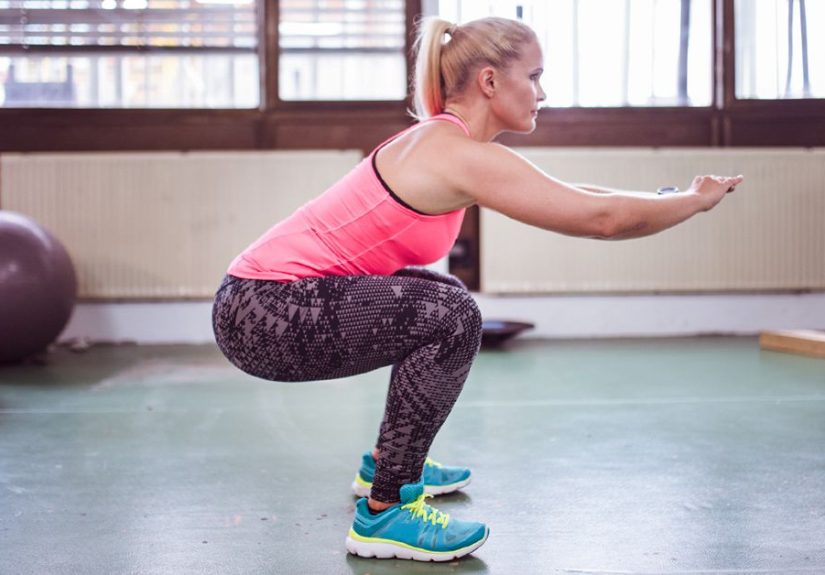
A squat demands deep hip flexion (hip bending), plus rotation and stability under load. That’s a lot of work for one joint that’s trying to be both a
powerhouse and a precision instrument. Hip pain while squatting usually comes from one (or a combo) of these issues:
- Mechanical pinch in the joint (common with hip impingement).
- Cartilage or labrum irritation (the “seal” around the socket can get cranky).
- Tendon overload (glutes, hip flexors, adductors doing overtime).
- Inflammation around the hip (bursa irritation, tendinopathy).
- Arthritis or degeneration (less “gym problem,” more “joint history”).
- Referred pain from the low back, pelvis, or nerves.
Common Causes of Hip Pain While Squatting
1) Femoroacetabular Impingement (FAI): The Classic “Pinch”
If your hip pain feels like a sharp pinch in the front of the hip or deep in the groinespecially at the bottom of a squatFAI is a prime suspect.
In FAI, the ball-and-socket shapes don’t glide as smoothly as they should, and deep flexion (hello, squat depth) can cause the bones and soft tissues to
“impinge,” leading to pain, stiffness, and sometimes catching.
Clues: Groin/anterior hip pain, worse with deep squats, twisting, or long sitting; limited hip internal rotation; a “stuck” feeling.
Common pairing: Labral irritation or tears (they often travel together like an annoying duo).
2) Hip Labral Tear: The “Catching, Clicking, or Giving Way” Feeling
The labrum is a ring of cartilage that helps seal and stabilize the hip socket. Tears can happen from trauma, repetitive stress, or structural issues like FAI.
Pain may be sharp or dull and often lives in the groin or front of the hip. Some people report clicking, catching, or a sensation that the hip isn’t moving
“cleanly.”
Clues: Groin pain, clicking/catching, pain with pivoting or deep flexion; symptoms may flare after heavy squat days or deep range work.
Many labral tears improve with conservative care; surgery is typically reserved for persistent, function-limiting cases.
3) Hip Flexor Strain or Tendinopathy: Pain in the Front, Especially on the Way Up
The hip flexors (including the iliopsoas group) help lift your thigh and stabilize your trunk. Overuse, sudden volume spikes, or technique changes
(like aggressive depth with an upright torso) can overload them. A strain is more “acute,” while tendinopathy is the slow-burn, grumpy version.
Clues: Pain or pulling in the front of the hip, tenderness, discomfort when lifting the knee, climbing stairs, or sprinting;
sometimes a limp in the early phase.
4) Adductor Strain or Groin Tendon Pain: The “Inner Thigh Complainer”
Wide-stance squats, sumo deadlifts, lateral lunges, and sudden increases in training load can irritate the adductors (inner thigh muscles).
Pain may show up near the groin crease or inner thigh and can spike at the bottom of a squat or during the drive upward.
Clues: Inner thigh/groin soreness, pain with squeezing the knees inward, side-to-side movements, or wide stance depth.
5) Greater Trochanteric Pain Syndrome (GTPS) / Trochanteric Bursitis: Side-of-Hip Ache
Lateral (outside) hip pain that’s tender to touch and worse with lying on that side often points to GTPSa broad label that can include irritation of
the gluteal tendons and/or the bursa near the greater trochanter. Squats can flare it if hip stability is poor (think: knees collapsing inward,
pelvis dropping, glutes under-recruited).
Clues: Pain on the outer hip, tenderness, pain with side-lying, walking hills, stairs, or prolonged standing; squats may feel “achy”
rather than sharp.
6) Osteoarthritis of the Hip: Stiffness + Deep Ache + Reduced Range
Hip osteoarthritis can cause groin or thigh pain, stiffness, and reduced range of motion. Symptoms often flare with vigorous activity and may come with
a grinding or “sticking” sensation. Squats may feel limited, stiff, or painful at depthespecially if the joint space is already irritated.
Clues: Morning stiffness, reduced hip motion, deep ache with activity, pain that can radiate toward the thigh, buttocks, or knee.
Not everyone with arthritis should avoid squatsmany do better with smart load management and modified range.
7) Snapping Hip Syndrome: The “Pop” That’s (Sometimes) Just Noisy… Until It Isn’t
If you feel or hear snapping in the hip during movement, you might have snapping hip syndrome. It can be external (tendons sliding over bone on the outside),
internal (often iliopsoas-related in the front), or intra-articular (inside the jointmore concerning).
Snapping alone can be harmless; snapping plus pain is your cue to investigate.
Clues: Audible/feelable snapping with hip motion; if pain, consider tendon irritation or intra-articular causes (like a labral issue).
8) Referred Pain: Low Back, Sacroiliac Joint, or Nerve Irritation
Sometimes the hip is innocent, and the pain is being “forwarded” from elsewherelike the lumbar spine, sacroiliac (SI) joint region, or nerve irritation.
Burning, tingling, numbness, or pain that travels can suggest a nerve component rather than a pure hip-joint problem.
Clues: Burning/tingling, numbness, pain that shoots down the leg, symptoms that change with back position,
or hip pain that doesn’t match hip motion patterns.
9) Less Common but Important: Stress Fracture, Infection, or Avascular Necrosis
These are not the most likely causes in a typical gym scenario, but they matter because they require prompt medical attention.
A stress fracture can cause deep pain that worsens with weight-bearing. Infection may include fever and severe pain.
Avascular necrosis involves reduced blood supply to bone and can cause progressive pain.
Quick Self-Check: Where Does It Hurt?
Pain location doesn’t give a guaranteed diagnosis, but it’s a strong hintlike the hip’s version of a spoiler alert.
| Where it hurts | Common suspects | How it often feels |
|---|---|---|
| Front / groin | FAI, labral issue, hip flexor/adductor strain, arthritis | Pinch at depth, sharp with twisting, deep ache after lifting |
| Outside (lateral hip) | GTPS/trochanteric pain, glute tendon overload, bursitis | Ache or burn, tender to touch, worse lying on that side |
| Buttock / back of hip | Referred pain (back/SI), posterior soft tissue strain | Deep ache, sometimes radiating, changes with back position |
Diagnosis: How Clinicians Figure Out What’s Going On
A proper diagnosis starts with a story (history), then a hands-on exam, and sometimes imaging. In other words:
your hip gets interviewed, then tested, then photographed (only if needed).
History: The Questions That Matter
- Onset: Sudden (strain/trauma) vs. gradual (overuse, impingement, arthritis).
- Location: Groin vs. lateral hip vs. buttock.
- Triggers: Depth, stance width, toe angle, tempo, long sitting, stairs, running.
- Mechanical symptoms: Catching, locking, giving way, painful clicking.
- System clues: Fever, night pain, unexplained weight loss, severe pain at rest.
- Training context: Recent increases in volume/intensity, new shoes, new program, mobility changes.
Physical Exam: Movement Clues
Clinicians often assess range of motion, strength, gait, and specific provocative maneuvers. Certain tests can reproduce pain patterns consistent with
intra-articular hip issues (like FAI) or suggest alternative sources (like SI involvement).
Imaging: When Pictures Help (and Which Ones)
- X-ray: Common first step to evaluate bone structure, arthritis, or bony morphology.
- MRI: Looks at soft tissues, cartilage, tendons; useful for many causes of hip pain.
- MR arthrogram (MRA): MRI with contrast in the joint can make labral tears easier to detect.
- Ultrasound: Can help assess bursitis or guide injections in some settings.
- CT: Sometimes used for detailed bone anatomy planning.
Imaging is most valuable when it changes the plan. Plenty of people have “findings” on scans that don’t match symptomsso clinicians aim to connect
the picture to your actual pain pattern.
Red Flags: When to Stop “Testing It” and Get Checked
Some symptoms shouldn’t be coached through with willpower and a foam roller.
Seek urgent care or prompt medical evaluation if you have:
- Inability to bear weight, major limp, or severe pain after a fall/trauma
- Fever, chills, or the hip is hot/swollen (possible infection)
- Night pain that’s intense or worsening, or pain at rest that’s escalating
- Numbness/weakness, progressive radiating symptoms, or loss of bowel/bladder control
- Persistent pain beyond a few days that limits daily life or training despite reducing load
Treatment: What Actually Helps Hip Pain While Squatting
The best treatment depends on the cause, but most successful plans follow the same logic:
calm the irritation, restore movement options, then rebuild strength and tolerancewithout poking the bear every session.
Step 1: Calm It Down (Short-Term Relief)
- Modify the aggravating range: If pain hits at rock-bottom, temporarily squat to a pain-free depth.
- Deload intelligently: Reduce intensity/volume (often both) for 1–2 weeks instead of quitting completely.
- Ice or heat: Ice can help in early flare-ups; heat may help stiffnesschoose what feels best.
- OTC pain relief: Some people use NSAIDs (if safe for them). Always follow label guidance and personal medical advice.
- Sleep positioning tweaks: For lateral hip pain, avoid compressing the painful side; a pillow between knees can help.
Step 2: Fix the “Why”: Physical Therapy and Targeted Rehab
For many squat-related hip pain problemsFAI symptoms, GTPS, strains, or early arthritis irritationphysical therapy is the MVP.
Typical goals include improving hip control, strengthening glutes and trunk, and addressing mobility limitations that force the hip to compensate.
What rehab often focuses on:
- Glute strength/endurance: Especially glute med/min for pelvic control and knee tracking.
- Hip rotation control: Better control can reduce pinching and unwanted motion.
- Gradual tendon loading: Tendons like progressive work, not surprise marathons.
- Movement retraining: Squat mechanics, stance, tempo, and bracing.
Step 3: Medical Options When Needed
- Injections: Corticosteroid injections may reduce inflammation in certain conditions (often used selectively).
- Procedures/surgery: Hip arthroscopy for significant labral tears/FAI correction may be considered when conservative care fails and symptoms
meaningfully limit function. - Arthritis management: Ranges from exercise-based therapy to injections, and in advanced cases, joint replacement discussions.
Squat-Specific Fixes: Practical Adjustments You Can Try
Not every hip pain problem is “your form,” but technique adjustments can reduce irritation while you rebuild capacity.
The goal isn’t a perfect squatit’s a squat your hip will stop complaining about.
1) Adjust Stance Width and Toe Angle
Hip anatomy varies. Some people feel better with a slightly wider stance and toes turned out; others feel relief with a more moderate stance.
If you get a front-of-hip pinch, experiment with:
- Turning toes out a little more (and letting knees track that direction)
- Widening stance slightly
- Reducing depth temporarily
2) Use a Range of Motion “Budget”
If your pain is sharp at the bottom, don’t keep spending your entire budget on the most provocative range. Try box squats or pin squats to a pain-free depth.
You can earn deeper range back over time.
3) Consider Heel Elevation
Limited ankle motion can force compensations that stress the hips. A small heel wedge or weightlifting shoes can help some people stay balanced
without collapsing into uncomfortable hip positions. It’s not cheatingit’s engineering.
4) Slow Down the Descent (Temporarily)
A controlled tempo can improve positioning and reduce “dive-bombing” into a painful pinch. Try a 3-second descent for a few weeks while symptoms calm down.
5) Use a Simple Pain Rule
- 0–2/10 pain: Usually acceptable if it doesn’t worsen during or after.
- 3–4/10 pain: Proceed cautiously; reduce load/range and watch next-day symptoms.
- 5+/10 pain or sharp catching: Stop and reassess; consider professional evaluation.
A Sample “Hip-Friendly” Mini Routine (10–15 Minutes)
This is not a one-size-fits-all prescription, but it reflects the kinds of drills commonly used to improve hip control and tolerance.
If anything spikes pain, skip it and get individualized guidance.
Warm-Up (5 minutes)
- 90/90 hip switches: 2 sets of 6 slow reps per side
- Glute bridge hold: 2 x 20–30 seconds
- Bodyweight box squat to pain-free depth: 2 x 8
Strength Prep (5–10 minutes)
- Side-lying hip abduction or band walks: 2 x 10–15 per side
- Split squat (short range if needed): 2 x 6–8 per side
- Dead bug (core control): 2 x 6–8 slow reps per side
Return-to-Squat Progression: Getting Back Without Re-Irritating It
- Start with pain-free patterns: box squat, goblet squat, or split squat.
- Build volume before intensity: increase sets/reps gradually, then load.
- Add depth last: especially for pinch-type anterior hip pain.
- Track next-day response: soreness is okay; sharp joint pain that ramps up is a red flag.
- Keep hip strength work in: glute and trunk stability often prevent relapse.
Real-World Experiences: What Squatters Report (and What It Usually Means)
Let’s talk about the stories people bring into gyms and clinicsbecause hip pain while squatting has a few recurring “characters.”
One common experience is the front-of-hip pinch that only shows up at depth. Lifters often say it feels fine on the way down,
then suddenlybamthere’s a sharp pinch right at the bottom. Many describe it like the hip “runs out of room.”
That pattern frequently points toward a mechanical irritation (like impingement-style symptoms), especially if the pinch eases when they reduce depth,
adjust stance, or stop forcing a narrow, toes-forward squat that their hips clearly didn’t RSVP to.
Another frequent report is clicking or catching. Some people notice a click that’s painlessjust a weird internal soundtrack.
Others get a click that comes with a sharp jab or a momentary “catch,” like the hip hesitates.
Painful clicking tends to raise suspicion for intra-articular involvement (like labral irritation), but context matters:
if clicking improves with warm-up and better control, it can also be a tendon-related “snap” that’s manageable with load adjustments and rehab.
The big takeaway from real-life cases: noise without pain is often just noise; noise plus pain deserves attention.
Lateral hip pain has its own storyline: “It hurts on the outside, and sleeping on that side is miserable.”
Squats may feel achy rather than pinchy, and symptoms can flare during phases of high training volume, lots of hill walking, or poor recovery.
Many people notice their knee drifting inward or their pelvis shifting during squatssubtle mechanics that can overload the gluteal tendons.
The experience here is usually less about one dramatic moment and more about accumulating irritation.
Folks often improve when they temporarily reduce volume, strengthen hip abductors, and stop testing their pain tolerance like it’s a sport.
Then there’s the “tight hip flexor” experience. People will often say, “It feels tight in the front, so I stretch it nonstop,”
but the tightness keeps returningsometimes worse. In many cases, what feels like tightness is actually a sensitized tendon or muscle guarding.
Overstretching can irritate it further. A common turning point is when someone swaps endless stretching for graded strengthening
(for the hip flexors, trunk, and glutes), plus smarter squat volume management. The hip often calms down when it finally trusts you again.
Finally, a lot of squatters share a frustrating pattern: “It’s fine during the workout, but the next day it’s angry.”
That delayed flare-up often suggests the joint or tendons tolerated the session in the moment but didn’t love the total dose (load × volume × depth).
People do best when they treat pain like data: keep a simple log of what worsens symptoms (deep sets, wide stance, high volume, heavy singles),
then adjust one variable at a time. In real-world success stories, the winning strategy is rarely dramatic.
It’s usually boringbut effective: reduce irritation, rebuild strength, and progress gradually until squats feel like training again, not a negotiation.
Conclusion
Hip pain while squatting is common, but it’s not something you should ignoreor “stretch away” forever. The most frequent culprits include hip impingement,
labral irritation, tendon overload (glutes, flexors, adductors), lateral hip pain syndromes, and arthritis-related stiffness.
A good diagnosis looks at pain location, triggers, physical exam findings, and imaging when appropriate. Treatment usually works best when it combines
smart training modifications, targeted strengthening, movement retraining, and medical care when symptoms persist or red flags appear.
Your hips don’t need perfection. They need a plan. And maybe a small apology for that one time you maxed out on no sleep and called it “discipline.”