Table of Contents >> Show >> Hide
- What Counts as a Home Accessory (And Why It Matters)
- The Three “Don’t Make It Weird” Rules of Accessorizing
- Start With Anchor Accessories (They Do the Heavy Lifting)
- How to Style Surfaces Without Creating Clutter
- Room-by-Room Home Accessory Ideas
- Budget-Friendly Accessory Upgrades That Look Expensive
- Trends vs. Timeless: How to Use “Now” Without Regretting It Later
- Common Accessory Mistakes (And Quick Fixes)
- A 10-Minute Home Accessory Refresh You Can Do Today
- Real-World Accessory Lessons (From Everyday Homes)
- Conclusion
Home accessories are the “finishing touches” of a roomthe little (and sometimes not-so-little) details that make a space feel lived-in, loved, and
intentionally put together. They’re also the easiest way to refresh your home without knocking down walls, taking out a loan, or developing a close
personal relationship with a paint roller.
The trick is using accessories like a designer, not like a stressed-out shopper who just discovered free two-day shipping. This guide will show you how to
choose, place, and edit home decor accessories so your rooms feel cohesive, functional, and fully “you”without looking like a craft store exploded.
What Counts as a Home Accessory (And Why It Matters)
“Home accessories” covers a lot of ground. In plain English, these are the items that aren’t built into your house (like flooring) and aren’t your major
furniture pieces (like a sofa), but still shape how your home looks and works.
Common home accessories
- Textiles: pillows, throws, curtains, rugs, table linens
- Lighting: table lamps, floor lamps, sconces, decorative bulbs
- Wall pieces: art, mirrors, clocks, shelves, wall baskets
- Decor accents: vases, bowls, trays, candles, books, sculptures
- Greenery: houseplants, branches, fresh flowers, realistic faux (used sparingly)
- Organization items: baskets, bins, hooks, catchall dishes
- Sensory accessories: scented candles, diffusers (subtle is the goal)
Accessories do three jobs at once: they add style (color, texture, personality), create function (light, storage,
organization), and build comfort (softness, warmth, coziness). When a room feels “unfinished,” it’s usually missing one of those.
The Three “Don’t Make It Weird” Rules of Accessorizing
If accessories ever feel random, it’s not because you lack taste. It’s because the room needs a few guardrails. These three rules are the fastest way to
get a pulled-together lookwithout buying 47 more things.
1) Repeat a color story (aka stop freestyling)
Pick a simple palette and repeat it around the room. You don’t need a design degreejust choose:
one main neutral (white, cream, warm gray, taupe),
one supporting color (olive, navy, terracotta),
and one accent pop (brass, warm yellow, rust, teal).
Then echo those colors in at least three placeslike a pillow, a piece of art, and a vase. Repetition is what makes a room feel intentional rather than
“I got this on sale and panicked.”
2) Vary height and scale (the “tiny clutter” trap is real)
A bunch of small items reads as clutter, even if they’re cute. Mix in at least one larger statement pieceoversized art, a tall lamp, a big bowl, a large
plantso the eye has somewhere to land. As a general rule, fewer bigger items beat many small ones.
3) Mix textures like you mean it
Texture is what keeps a room from looking flat. Try a simple “texture trio”:
something soft (linen, boucle, velvet),
something shiny (brass, glass, glossy ceramic),
and something natural (wood, rattan, stone).
Even if your color palette is calm, layered textures make the space feel rich and cozynot bland.
Start With Anchor Accessories (They Do the Heavy Lifting)
Some accessories function like supporting actors; others are the lead. If you want the most impact with the fewest items, start with these “anchors.”
Rugs: the fastest way to make a room feel finished
Rugs define zones, add softness, reduce echo, and pull colors together. The most common mistake is going too small. A good rule: in living rooms, aim for
front legs of key furniture on the rug. In dining rooms, make sure chairs stay on the rug even when pulled out.
Example: In a neutral living room, a rug with subtle pattern (cream + warm gray) plus hints of navy can instantly guide your pillow and art choices.
Lighting: layer it or regret it
Overhead lighting alone can make even a beautiful room feel like a waiting room. A cozy, functional space usually needs a mix of:
ambient (overall light), task (reading/cooking), and accent (highlighting decor).
Simple upgrade: add a table lamp on a console or side table, and a floor lamp near seating. Bonus points for warm bulbs that don’t make everyone look like
they’re auditioning for a vampire movie.
Art and mirrors: the “instant personality” category
Big art makes a room feel more elevated than lots of tiny frames scattered like confetti. Mirrors amplify light and can visually expand small spacesgreat
in entryways, narrow hallways, and darker rooms.
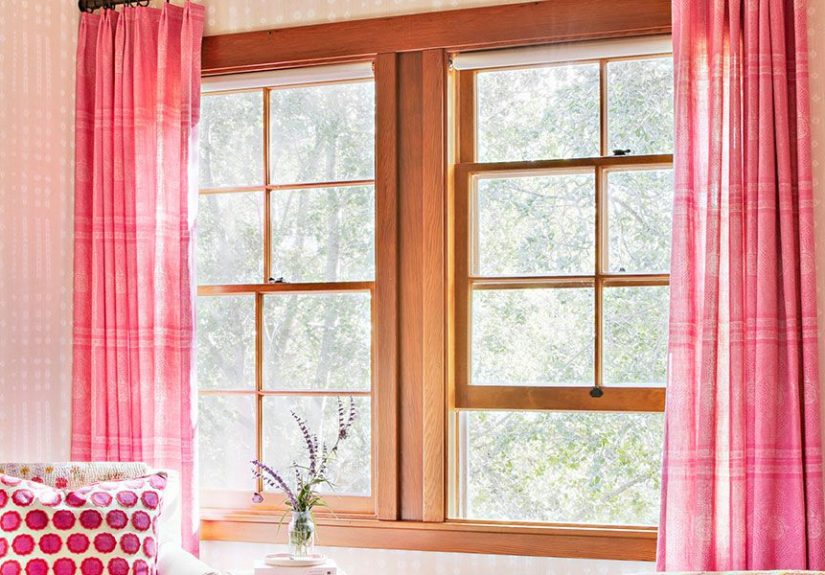
Window treatments: the secret to “designer” vibes
Curtains and shades soften hard lines, add texture, and make rooms feel complete. Hang curtain rods higher than you think to create height, and choose
fabrics that complement the room’s textures (linen for airy, velvet for cozy, woven for natural warmth).
How to Style Surfaces Without Creating Clutter
Accessories live on surfacestables, shelves, counters. The goal is to make those surfaces look styled and stay useful. The magic formula is:
grouping + breathing room + one functional item.
The tray trick (your clutter’s new container)
A tray turns “random stuff” into a deliberate vignette. Put remotes, matches, a candle, and a small bowl on a tray and suddenly you’re not messyyou’re
“curated.”
Use odd-number groupings (but don’t worship the rule)
Groups of three (or five) often look more natural than pairs. The key is variety: mix heights and shapeslike a tall vase, a medium stack of books, and a
low bowl. This works on coffee tables, end tables, mantels, and shelves.
Leave negative space (yes, empty space is allowed)
A surface doesn’t need to be filled to be finished. Empty space gives the eye a break and makes your chosen accessories feel more important. Think:
“gallery,” not “garage sale.”
Bookshelves: layer, lean, and edit
Great shelf styling usually includes a mix of vertical and horizontal stacks, a little art leaned against the back, and a few meaningful objects grouped
together. Avoid repeating the same formula on every shelfvariation keeps it interesting.
Room-by-Room Home Accessory Ideas
Living room: cozy, layered, and functional
- Pillows + throw: choose 2–3 pillow fabrics (like linen + velvet) and one throw for contrast.
- Coffee table vignette: tray + candle/diffuser + book + small bowl (leave space for actual life).
- Lighting: at least one lamp per seating area if possible.
- Art: one larger piece can beat a wall of tiny framesunless you’re doing a true gallery wall on purpose.
- Greenery: a medium plant or vase of branches adds height and softness.
Example combo: neutral sofa + textured cream rug + two olive pillows + one warm yellow accent pillow + brass lamp + black-and-white art with a warm wood
frame.
Bedroom: calm, soft, and not overly precious
- Nightstand styling: lamp + book + catchall dish (for jewelry, glasses, or the hair tie you’ll lose otherwise).
- Textile layering: quilt/duvet + throw at the foot + a couple of shams for structure.
- Wall accessory: art above the bed or a mirror across from a window for light.
- Scent: keep it subtlebedrooms should feel fresh, not like a candle store.
Kitchen and dining: accessories that earn their keep
- Countertop restraint: keep daily items grouped (tray for oils, salt, pepper) and store the rest.
- Cutting boards: wood boards leaned against the backsplash add warmth and are actually useful.
- Dining table: simple centerpiece (bowl, vase, or low arrangement) + candles for evenings.
- Textiles: cloth napkins and a runner can elevate a table fastno fancy china required.
Bathroom: small changes, big payoff
- Upgrade towels: fluffy white or a coordinated color set instantly looks hotel-like.
- Swap the basics: matching soap dispenser, toothbrush holder, and a small tray for neatness.
- Add art: yes, bathrooms deserve art. It’s a room, not a punishment.
- Storage accessories: baskets, bins, and drawer dividers keep counters clean.
Entryway: the “finished home” handshake
A simple entryway formula that works in almost any space:
mirror + place to set items + place to sit (or at least a hook).
- Mirror: reflects light, checks hair, makes space feel larger.
- Catchall: bowl or tray for keys and small items.
- Hooks: vertical storage for bags, jackets, and dog leashes.
- Baskets: hide shoes, scarves, or reusable bags without visual chaos.
- Runner rug: adds warmth and protects floors.
Outdoor spaces: treat them like real rooms
- Textiles made for outdoors: pillows, rugs, and throws designed for weather.
- Lanterns or string lights: instant atmosphere.
- Planters: varying heights makes the space feel styled.
- One “statement” piece: a bold door mat, oversized planter, or sculptural side table.
Budget-Friendly Accessory Upgrades That Look Expensive
You don’t need a massive budgetjust a smart plan. Try these high-impact, low-drama upgrades:
- Swap pillow covers: keep inserts, change covers seasonally.
- Thrift for character: vintage frames, ceramics, baskets, and lamps often look more unique than new.
- Change hardware: knobs and pulls can make furniture feel brand-new.
- Use paint strategically: one painted wall or refreshed trim can make accessories pop.
- Go big with one item: a larger art print or rug can be more effective than many small purchases.
- Shop your own home: “new” decor can be as simple as moving items between rooms.
Trends vs. Timeless: How to Use “Now” Without Regretting It Later
Trends are funlike a new haircut. But you don’t want to redesign your whole identity every season. The safest way to use trends is to keep your bigger,
pricier items (sofa, bed, large rug) relatively timeless, then play with accessories that are easy to swap.
Easy ways to test trends
- Add trend color in textiles: a warm yellow throw, patterned pillows, or new curtains.
- Update metals: warm-toned hardware or brass accents can soften a space.
- Try “collected” styling: a few meaningful objects grouped together can feel maximalist without feeling messy.
- Bring in pattern carefully: start small with a rug, cushions, or a single bold piece of art.
Common Accessory Mistakes (And Quick Fixes)
Mistake: Everything is the same size
Fix: Add one taller item (lamp, large vase, plant) and one low item (tray, bowl) to create a more dynamic mix.
Mistake: Too many small knick-knacks
Fix: Edit down. Keep the most meaningful or visually strong pieces, and group what’s left on a tray or in a bowl.
Mistake: Matchy-matchy overload
Fix: Mix materials and finishes. If everything is chrome and glass, add wood, linen, or ceramic. If everything is beige, add one deep,
grounding color (navy, forest green, charcoal).
Mistake: Accessories block function
Fix: Leave space for real lifecoasters accessible, a clear spot for drinks, open shelf room for books you actually use.
A 10-Minute Home Accessory Refresh You Can Do Today
- Clear one surface (coffee table, console, nightstand).
- Put back one functional item (lamp, tray, catchall bowl).
- Add one tall item (vase with branches or a lamp if it’s not already there).
- Add one personal item (photo, travel find, book you actually love).
- Add one soft touch (small plant, candle, or textured object).
- Stop before it’s fullleave breathing room.
Do this in two or three spots and your home will feel noticeably more polishedwithout buying anything new.
Real-World Accessory Lessons (From Everyday Homes)
Let’s talk about what really happens once the Pinterest board meets reality: backpacks multiply, pets claim the throw blankets, and your “minimalist”
coffee table becomes a parking lot for snacks and chargers. The good news? Accessories can handle real lifeif you style them with real life in mind.
Lesson #1: The entryway wins the whole house. In many homes, the entry is tiny, which means chaos shows up there first. The fix isn’t more
decorit’s the right kind of accessories: a tray or bowl for keys, hooks at a height everyone can reach, and baskets that hide shoes fast. The best-looking
entryways are usually the ones that work. If your accessories reduce friction (finding keys, dropping bags, storing umbrellas), they’ll also reduce
visual clutter.
Lesson #2: Small spaces need fewer, bigger accessories. In apartments and smaller rooms, tiny decor tends to make everything feel busier.
One large mirror can do more than five small frames. One bold lamp beats three small knick-knacks. One great rug anchors the room so the rest of your
accessories don’t have to work overtime. If a space feels “crowded,” try removing half the small items and replacing them with one statement piece that has
presence.
Lesson #3: Families need “pretty storage.” If you live with other humans (especially the fast-moving, sticky-fingered variety), your
accessories should include attractive organization. Lidded baskets, decorative boxes, and trays are not boringthey’re survival tools. A basket on the
bottom shelf that holds toys is both functional and visually calming. A stylish box for remotes keeps the coffee table from looking like a tech support
desk. When accessories help you reset a room in two minutes, the room stays nicer more often.
Lesson #4: Dust is a design constraint. Open shelving and lots of small objects can look amazing in photos. In real life, they demand
cleaning. If dusting is not your hobby (no judgment), choose fewer objects with smoother surfaces, and group them so you can lift and wipe in one motion.
A single sculptural bowl and a framed print leaned on a shelf are easier to maintain than a dozen tiny figurines. The best accessories are the ones you’ll
still like after cleaning them twice.
Lesson #5: The “collected” look works best when it’s edited. Many people love the idea of a cozy, layered homebooks, art, meaningful
souvenirs, vintage finds. That look is absolutely achievable, but the secret is curation: group similar items, vary heights, and leave negative space so it
feels intentional. A cluster of three framed photos reads as a story; twelve scattered photos reads as an accident. If you want a lived-in vibe, aim for
“display,” not “storage.”
The most helpful mindset shift is this: accessories aren’t just decoration. They’re tools. The right rug makes a room feel grounded. The right lamp
makes a corner usable. The right basket makes your home easier to live in. When you choose accessories that serve your habits (not an imaginary version of
your life where nobody owns a charger), your space will look betterand stay that way.
Conclusion
Home accessories are where style meets everyday living. Start with anchor pieces like rugs, lighting, and art, then layer in texture and personality with
pillows, throws, greenery, and a few meaningful objects. Use grouping and negative space to keep things polished, and don’t be afraid to editgreat rooms
aren’t filled, they’re composed.
If you remember one thing, make it this: the best accessories aren’t the most expensive ones. They’re the ones that repeat your color story, add comfort,
and make your home easier to use. Beautiful and practical? That’s the dream.