Table of Contents >> Show >> Hide
- What an Air Fryer Actually Is
- How Do Air Fryers Work? The Step-by-Step Version
- Why Air Fryers Make Food Taste Fried-ish
- Air Fryer vs. Deep Fryer vs. Oven
- What Foods Work Best in an Air Fryer?
- Why the Basket Should Not Be Overcrowded
- Do Air Fryers Need Oil?
- Are Air Fryers Healthier?
- Air Fryer Food Safety Matters Too
- Common Air Fryer Mistakes
- Do You Need to Preheat an Air Fryer?
- What Using an Air Fryer Feels Like in Real Life
- Final Thoughts
- SEO Tags
Air fryers are the kitchen world’s favorite magic trick. You put in frozen fries, leftover chicken, or a handful of vegetables, and somehow they come out crisp, golden, and suspiciously smug. But despite the name, an air fryer does not actually fry food in the same way a deep fryer does. There is no bubbling vat of oil, no dramatic restaurant-style hiss, and thankfully, no need to play dodgeball with splattering grease.
So, how do air fryers work? In simple terms, an air fryer is a compact countertop convection oven that cooks food by blasting it with very hot, fast-moving air. That rapid airflow helps brown the outside, cook the inside, and create the crunchy texture people associate with fried food. Add a tiny amount of oil, and you can get even better color and crispness without turning your kitchen into a county fair.
This article breaks down exactly how air fryers work, why they crisp food so well, what they do better than a regular oven, where they fall short, and how to use one without turning dinner into a science experiment. If you have ever stared at your air fryer basket and thought, “What kind of tiny wizard oven is this?” you are in the right place.
What an Air Fryer Actually Is
An air fryer is best understood as a small, high-powered convection cooker. Traditional ovens heat a large cavity of air and then cook food over time. Air fryers do the same basic job, but in a much smaller space and with much more aggressive airflow. That smaller chamber matters. It heats up quickly, keeps heat concentrated around the food, and moves hot air efficiently over the surface.
Most basket-style air fryers have three main parts working together:
- A heating element, usually near the top, that generates heat.
- A fan that blows and circulates the hot air rapidly.
- A perforated basket or tray that lets air move around the food from multiple directions.
That is the whole secret sauce. Or rather, the whole secret lack of sauce. Because the goal is not to soak food in oil. The goal is to expose as much of the food’s surface as possible to hot moving air.
How Do Air Fryers Work? The Step-by-Step Version
1. The heating element gets hot fast
When you turn on the air fryer, electricity powers the heating element. This element quickly raises the temperature inside the cooking chamber, often to somewhere between 300°F and 400°F, depending on the recipe and setting.
2. The fan circulates that heat at high speed
Once the air is hot, the fan pushes it around the chamber. This is where the air fryer earns its reputation. The hot air is not just sitting there politely. It is moving fast, repeatedly hitting the food’s surface and helping moisture evaporate more quickly than it would in a regular oven.
3. The food’s surface dries out and browns
Crispy food is often about moisture management. If the outside of food stays wet, it steams. If the outside dries out while the inside continues cooking, it can brown and crisp. Air fryers excel at this because the moving hot air strips away surface moisture efficiently. That helps trigger browning reactions that create flavor, color, and crunch.
4. A little oil can improve texture
Even though air fryers use far less oil than deep fryers, a small amount of oil still helps. Lightly coating fries, vegetables, or breaded foods can improve heat transfer and support better browning. Think of it as a supporting actor, not the star of the show.
5. The basket design helps all sides cook more evenly
Because the basket or tray is perforated, hot air can reach more of the food’s surface. That is why air fryer recipes often tell you to shake the basket, flip the food, or cook in batches. Good airflow equals better texture. Crowding the basket blocks that airflow and turns “crispy” into “oddly damp.”
Why Air Fryers Make Food Taste Fried-ish
Let us be honest: air-fried food is not exactly the same as deep-fried food. Deep frying surrounds food in hot oil, which transfers heat very efficiently and creates a distinctive crust. An air fryer cannot perfectly copy that. If it could, every fast-food chain in America would already be running on countertop appliances and optimism.
What air fryers can do very well is mimic some of the texture and flavor experience people want from fried food:
- A browned, crisp exterior
- Fast cooking times
- Good texture on breaded and starchy foods
- Less added oil than deep frying
That is why foods like French fries, chicken wings, breaded cutlets, Brussels sprouts, and leftover pizza tend to do so well in an air fryer. The machine is great at reviving texture. It is less about “frying” in the classic sense and more about turbocharged dry heat.
Air Fryer vs. Deep Fryer vs. Oven
Air fryer vs. deep fryer
A deep fryer cooks food by submerging it in hot oil. An air fryer cooks with circulating hot air and only a little oil, if any. That means air fryers usually create less mess, less odor, and less added fat from oil absorption. Deep fryers still win when you want the ultra-shattery crust of restaurant-style fried chicken or doughnuts, but air fryers are much easier to use for everyday cooking.
Air fryer vs. conventional oven
A regular oven can roast and crisp food, but it usually takes longer to preheat and cook because the cooking cavity is larger. Air fryers concentrate heat in a smaller space and use stronger airflow around the food. That often means faster cook times and better crisping for smaller batches.
Air fryer vs. convection oven
This is the closest comparison because air fryers and convection ovens use the same core idea: moving hot air. The difference is scale and intensity. Air fryers are smaller, usually faster, and better at crisping modest portions. Convection ovens are more versatile for big meals, sheet pans, and holiday-level chaos.
What Foods Work Best in an Air Fryer?
Air fryers shine with foods that benefit from dry heat and exposed surface area. The best candidates usually have one thing in common: they want to be crispy.
Great foods for air frying
- Frozen fries, tater tots, and nuggets
- Chicken wings and tenders
- Roasted vegetables like broccoli, cauliflower, carrots, and Brussels sprouts
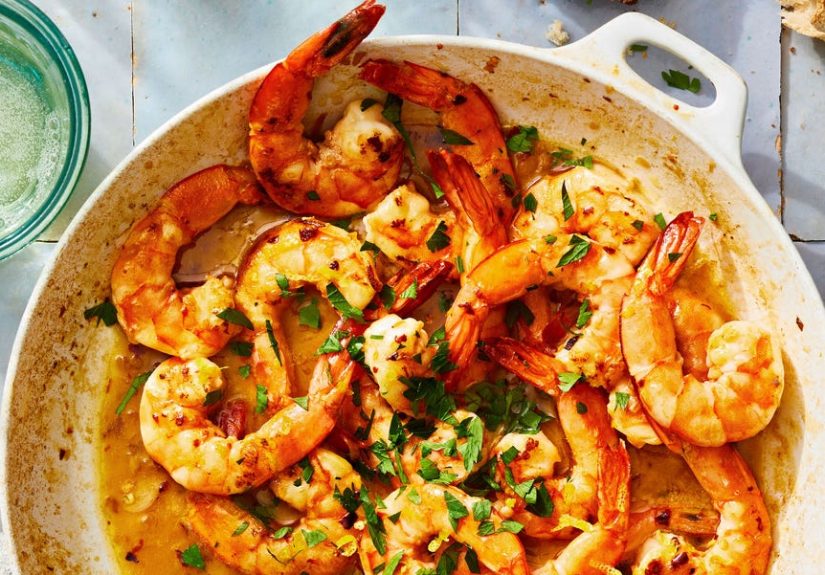
- Salmon fillets and shrimp
- Reheated pizza, fried foods, and leftovers that need their crunch back
- Breaded foods, especially when sprayed lightly with oil
Foods that are trickier
- Wet batter: It can drip before it sets, making a mess instead of a crust.
- Leafy greens: Very light foods can fly around because of the fan.
- Large roasts: Some models can handle them, but many baskets are too small.
- Cheese-heavy items: Melted cheese can ooze through grates and create cleanup drama.
In short, the air fryer loves structure. If the food can hold itself together and expose a lot of surface area to hot air, the air fryer is ready to do its thing.
Why the Basket Should Not Be Overcrowded
If there is one air fryer rule that deserves its own parade, it is this: do not overcrowd the basket. Yes, it is tempting. Yes, you are hungry. Yes, it seems rude that dinner has to happen in two batches. But piling food on top of itself traps steam and blocks airflow, which defeats the whole purpose of the appliance.
When food is arranged in a single layer, hot air can reach more of the surface. That gives you better browning, more even cooking, and fewer disappointing “why is this still pale?” moments. Shaking the basket halfway through also helps expose new surfaces and prevent hot spots.
Do Air Fryers Need Oil?
Usually, not much. Some foods already contain enough fat to brown well on their own, like chicken wings or certain frozen snacks. Other foods, especially vegetables or homemade potatoes, often benefit from a light coating of oil. We are talking teaspoons, not cups.
Oil helps in three main ways:
- It promotes browning and crispness.
- It helps seasonings stick.
- It can improve texture on foods that might otherwise dry out.
That said, more oil does not automatically mean better results. Too much can make food greasy, smoke more easily, and leave puddles in the drawer. The air fryer is a minimalist. It likes a light touch.
Are Air Fryers Healthier?
They can be, depending on what you cook and what you are comparing them to. If your baseline is deep frying in a lot of oil, air frying often reduces the amount of added fat and calories. That can make familiar comfort foods a little lighter without making them feel like punishment.
But an air fryer is not a halo machine. It does not magically transform mozzarella sticks into kale. If you cook heavily processed foods every day, they are still processed foods. The healthier angle comes from the cooking method and the ingredient choices: less oil, more vegetables, leaner proteins, and more control over what goes into the meal.
Air Fryer Food Safety Matters Too
An air fryer may look futuristic, but food safety rules are gloriously old-school. You still need to cook meat and poultry to safe internal temperatures, use a food thermometer when needed, and refrigerate leftovers promptly.
For example, chicken should reach 165°F internally. Breaded frozen chicken products should also be checked carefully because “golden brown” is not the same thing as “safely cooked.” In other words, trust the thermometer more than the vibes.
Also, clean the basket and drawer regularly. Grease buildup can affect performance, create smoke, and increase safety risks. If your appliance model has been recalled, stop using it and follow the manufacturer or retailer instructions. A crispy dinner is nice. An avoidable kitchen fire is not.
Common Air Fryer Mistakes
Using too much food at once
More food does not equal more efficiency if the results are soggy. Batch cooking often produces better texture.
Skipping a flip or shake
Not every recipe requires it, but many do. Turning food helps expose new surfaces to the airflow and improves even cooking.
Expecting it to work exactly like deep frying
Air fryers are excellent, but they are not mind readers and they are not oil vats. Adjust your expectations slightly and you will like them much more.
Ignoring cleanup
Crumbs, grease, and sauce drips can burn over time. Regular cleaning keeps flavors fresh and helps the machine perform better.
Forgetting the smoke factor
Fatty foods can smoke, especially at high temperatures. Keeping the appliance clean and avoiding excess oil helps. Good ventilation does not hurt either.
Do You Need to Preheat an Air Fryer?
Sometimes yes, sometimes no. Many air fryers heat so quickly that preheating is brief or optional, especially for frozen foods. But for foods where texture matters, like breaded cutlets, steak, or roasted vegetables, a short preheat can help the outside start crisping immediately.
The best approach is wonderfully unglamorous: check your model’s instructions and test what works best for the foods you cook most often. Your machine may have opinions, and unlike your toaster, it is not shy about them.
What Using an Air Fryer Feels Like in Real Life
Here is the practical truth: most people do not fall in love with an air fryer because of engineering. They fall in love because it saves a Tuesday night. You come home tired, hungry, and about two emails away from ordering expensive takeout. Then the air fryer steps in like a tiny countertop superhero wearing a basket for a cape.
One of the most common real-life experiences with air fryers is the speed. Foods that feel sluggish in a regular oven suddenly move along with purpose. Frozen fries go from solid little ice batons to crispy side dish. Leftover pizza loses the sad, floppy microwave energy and comes back with actual texture. Vegetables that were once “fine, I guess” become caramelized enough that people voluntarily eat them. That last part may be the appliance’s greatest miracle.
There is also the learning curve, and yes, it is real. Many first-time users make the same mistakes: packing the basket too full, setting the temperature too high, or assuming every recipe from a regular oven can simply teleport into the air fryer unchanged. Then comes the second attempt. The basket is less crowded. The food gets flipped halfway through. Suddenly the machine seems smarter, but really the cook just stopped fighting physics.
Another common experience is realizing the air fryer is less of a one-trick pony and more of a weeknight utility player. People buy it for fries and chicken wings, then end up using it for salmon, broccoli, quesadillas, baked potatoes, reheated leftovers, and late-night snacks that probably did not need to be that good. It becomes the appliance that gets used because it is fast, easy, and does not heat up the whole kitchen.
Cleanup is part of the experience too, and this is where reality keeps things humble. An air fryer is easier to manage than a pot of hot oil, but it is not magically self-cleaning. If you let grease and crumbs pile up, it will remind you with smoke, smells, or crusty residue that looks like a science fair project. Users who rinse or wash the basket soon after cooking tend to stay happily loyal. Users who ignore it for a week tend to develop a more complicated relationship.
Then there is the emotional side of air fryer ownership, which is surprisingly dramatic for a small appliance. Some people become evangelists. They start saying things like, “You can air fry that,” with the confidence of someone giving life advice. Others stay cautious, using it for a few reliable foods and treating it like a specialized assistant rather than the ruler of the countertop. Both camps are correct. The best air fryer experience usually comes when you stop expecting miracles and start appreciating consistency.
In everyday life, that consistency is what makes the appliance useful. It gives you repeatable results, faster than a big oven, with less mess than deep frying, and with enough crispness to make dinner feel intentional instead of improvised. No, it is not magic. But when your leftovers come back crunchy instead of rubbery, it certainly knows how to fake it.
Final Thoughts
So, how do air fryers work? They use a heating element, a powerful fan, and a compact cooking chamber to circulate very hot air around food. That rapid airflow helps dry the surface, encourage browning, and create crisp texture with little to no added oil. In other words, they are less like deep fryers and more like extra-efficient mini convection ovens with a flair for crunch.
Air fryers are not perfect for every food, and they are not a replacement for every cooking method. But for quick meals, crispy textures, smaller portions, and easier cleanup, they earn their place on the counter. Treat them well, do not overcrowd the basket, use a light hand with oil, and remember that a thermometer is still smarter than guesswork. Do that, and your little hot-air machine will reward you with golden food and the occasional undeserved feeling that you have your life together.