Table of Contents >> Show >> Hide
- Eyestrain vs. Glaucoma: Same Neighborhood, Different Addresses
- So… Does Eyestrain Cause Glaucoma?
- How Eyestrain Can Matter If You Have Glaucoma
- Practical Tips: Reduce Eyestrain Without Overthinking Your Glaucoma
- When Eyestrain Is “Normal” vs. When It’s a Red Flag
- FAQs People Google at 1:00 AM
- Real-World Experiences With Eyestrain and Glaucoma (500+ Words)
- Conclusion: Eyestrain Isn’t Glaucoma, But It Still Deserves Respect
If you’ve ever finished a long day of screens and felt like your eyeballs were quietly filing a complaint with HR, you’re not alone. “Eyestrain” (especially digital eye strain, aka computer vision syndrome) is incredibly common in modern life. Glaucoma, meanwhile, is a serious eye disease that can silently steal vision over time. So it’s natural to wonder: Can eyestrain cause glaucoma? Or if you already have glaucoma, can eyestrain make it worse?
Here’s the reassuring headline: eyestrain does not cause glaucoma. But eyestrain can still matter if you’re at risk for glaucoma or already managing itbecause symptoms can overlap, screen habits can affect comfort, and certain situations may temporarily influence intraocular pressure (IOP), the “eye pressure” your doctor monitors. Let’s unpack what’s real, what’s myth, and what’s just your eyes begging you to blink once in a while.
Eyestrain vs. Glaucoma: Same Neighborhood, Different Addresses
What “eyestrain” actually is
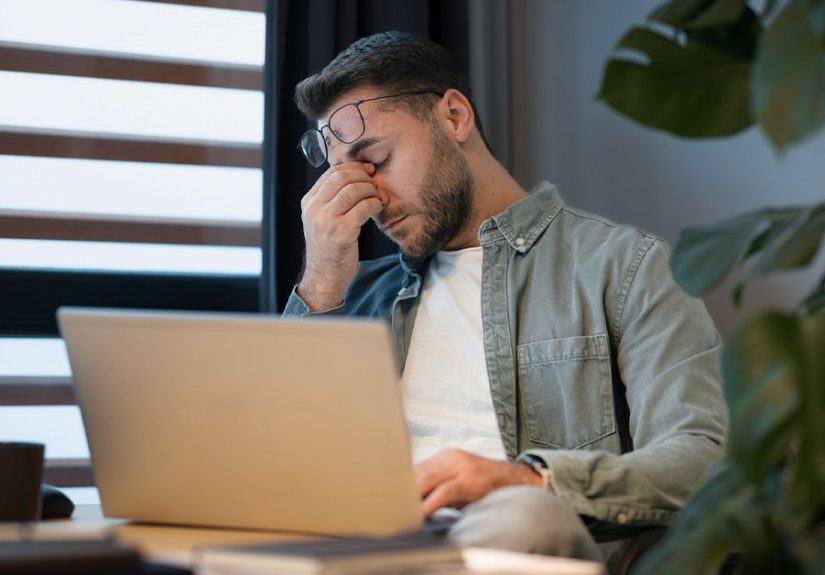
Eyestrain is a cluster of symptoms that can show up after intense visual tasksthink prolonged screen time, reading tiny text, driving long distances, or doing detailed work. Digital eye strain often includes: dry or watery eyes, burning/itching, blurry vision, headaches, light sensitivity, and sometimes neck/shoulder tension (because apparently your trapezius muscles also like to join the drama).
What glaucoma actually is
Glaucoma is a group of diseases that damage the optic nervethe “data cable” sending visual information from your eye to your brain. Many types are associated with elevated eye pressure, but glaucoma can also occur even when eye pressure is in a normal range. The tricky part: the most common form (primary open-angle glaucoma) often has no early symptoms. That’s why regular comprehensive eye exams matter, even if you feel fine.
So… Does Eyestrain Cause Glaucoma?
In plain American English: No. Prolonged screen use can make your eyes feel uncomfortable, but it does not permanently damage your eyes in the way glaucoma does. Eyestrain is typically temporary and improves with rest, better screen habits, and treating dryness or vision issues.
However (and this is an important “however”), eyestrain can still affect your glaucoma journey in indirect ways: it can mask symptoms that prompt an eye exam, reduce comfort and adherence to treatment, and create situations that may nudge eye pressure up or down temporarily.
How Eyestrain Can Matter If You Have Glaucoma
1) Symptom overlap can delay the right diagnosis
People often label any visual discomfort as “eyestrain.” But persistent blurry vision, frequent headaches, or trouble seeing at night may also signal an uncorrected prescription, dry eye, medication side effects, or other eye conditions. And because glaucoma can be symptom-free early on, assuming “it’s just screen fatigue” can delay a comprehensive eye exam that might catch glaucoma sooner.
2) Dry eye is the “side quest” nobody asked for
Digital eye strain is strongly linked to reduced blinking during screen use, which dries out the ocular surface. Add glaucoma eye dropssome of which can cause redness, irritation, or drynessand you can end up with a double whammy: dryness from screens plus dryness/irritation from treatment. When eyes feel gritty and angry, it’s easier to skip drops, rub your eyes, or avoid screens in ways that disrupt work and life.
3) Near work and screens may temporarily influence eye pressure
Glaucoma progression is closely tied to eye pressure and pressure fluctuation. Research on how near work (reading, focusing up close) affects IOP is mixedsome studies show small transient increases during reading, others show decreases with certain accommodative tasks, and effects can differ between healthy eyes and glaucoma eyes. The key word is transient: short-term changes are not the same as sustained elevation that drives glaucoma damage.
What does this mean in real life? It doesn’t mean “your laptop is giving you glaucoma.” It means that if you already have glaucoma, your clinician may care about your overall pattern of eye pressure, your medication timing, and your habitsespecially if you do long, uninterrupted near work and then wonder why your eyes feel “tight” or your vision seems smeary.
4) Stress and tension can be part of the picture
Stress doesn’t cause the most common type of glaucoma. But stress can affect the body in ways that may temporarily influence eye pressure for some people. If your screen day is also a stress day (and let’s be honestthat Venn diagram is practically a circle), managing stress and taking breaks can help comfort and may support better overall management.
Practical Tips: Reduce Eyestrain Without Overthinking Your Glaucoma
Screen habits that help almost everyone
- Use the 20-20-20 rule: every 20 minutes, look 20 feet away for 20 seconds.
- Make text bigger: if you’re squinting, your eyes are basically lifting weights all day.
- Keep screens at a comfortable distance: roughly arm’s length for monitors is a good start.
- Improve lighting and reduce glare: glare makes focusing harder and can worsen headaches.
- Blink like you mean it: intentional blinking helps dryness more than “I forgot blinking was a feature.”
Dry-eye-friendly habits (especially helpful for glaucoma patients)
- Ask your eye doctor about preservative-free options if drops irritate you.
- Use lubricating artificial tears if recommended (separate from glaucoma drops by a few minutes).
- Consider a humidifier if your environment is dry (office HVAC is notoriously eye-hostile).
- Warm compresses and lid hygiene may help if you have meibomian gland dysfunction (common with dryness).
Vision optimization: stop “working through” blur
If your glasses prescription is outdatedor you have uncorrected astigmatism or presbyopiayour eyes will fight harder to focus, increasing strain. For people with glaucoma, clear and comfortable vision also supports safety and quality of life. Updating your prescription and discussing specialty options (like anti-glare coatings) can be surprisingly impactful.
When Eyestrain Is “Normal” vs. When It’s a Red Flag
Usually normal (but still annoying)
- Symptoms that improve with breaks: mild dryness, mild headaches, intermittent blur that clears after resting
- Discomfort after long screen sessions that resolves overnight
- Eyes feeling tired, heavy, or “done with today”
Get urgent care immediately if you have
- Sudden severe eye pain (especially with nausea/vomiting)
- Sudden vision loss or dramatic new blur
- Halos around lights plus significant pain/redness
- A rapidly worsening headache with eye symptoms
Those can be signs of serious problems, including acute angle-closure glaucoma, which is a medical emergency.
FAQs People Google at 1:00 AM
Can eyestrain raise eye pressure?
Eyestrain itself is a symptom, not a pressure-setting machine. But certain conditions often tied to eyestrainlong periods of near focus, poor posture, stress, and sometimes low-light smartphone readinghave been associated in some studies with temporary IOP changes. These shifts are typically small and short-lived, and they’re not the same as chronic elevation that increases glaucoma risk.
Does blue light cause glaucoma?
Current mainstream guidance does not support the idea that blue light from screens causes glaucoma. Blue light can affect comfort and sleep in some people, but glaucoma is primarily about optic nerve damage and eye pressure dynamics.
If screen time doesn’t cause glaucoma, why do my eyes feel worse?
Because digital eye strain is real. Less blinking + more focusing effort + glare + dryness = symptoms. If you have glaucoma, you may also notice dryness from medications, sensitivity to contrast changes, or more fatigue with visual tasks.
Real-World Experiences With Eyestrain and Glaucoma (500+ Words)
Below are common experiences people report when digital eye strain collides with glaucoma care. These aren’t “one-size-fits-all,” but they’re relatable patterns that show why comfort and habits mattereven when screens aren’t the villain behind glaucoma itself.
The Spreadsheet Marathon
A classic scenario: someone with early glaucoma works a job that demands hours of close focusspreadsheets, code, design files, or nonstop email triage. By late afternoon, their eyes feel gritty and their vision gets intermittently blurry. They worry: “Is my glaucoma getting worse today?” In many cases, the blur is from dryness and sustained focusing, not sudden glaucoma progression. The giveaway is that it improves with blinking, artificial tears (if recommended), and breaks. Still, the fear is understandable, because glaucoma has a reputation for being sneakyand it is. The solution is often a mix: keep regular glaucoma monitoring, but also treat the day-to-day strain like the legitimate quality-of-life issue it is.
The “It’s Just Eye Strain” Delay
Another common experience: someone notices more headaches and fuzzy vision after screens and assumes they just need better sleep, less screen time, or a stronger coffee (the American trinity). They push off an eye exam because the symptoms come and go. Months later, they finally get checkedsometimes because they failed a vision screening or realized their peripheral vision seems “off.” That’s where the overlap becomes risky: not because eyestrain turns into glaucoma, but because the label “eyestrain” can become a convenient explanation that delays a comprehensive exam that might catch glaucoma earlier.
The Glaucoma-Drop + Dry-Eye Double Whammy
Many glaucoma patients describe a frustrating loop: eye drops are essential, but the eyes feel irritated afterward. Then screens make dryness worse because blinking slows down. The result can be burning, fluctuating blur, and the temptation to skip drops. Some people notice they’re fine on weekends (less screen time) but miserable during workdays. This pattern is a clue that ocular surface care matters: discussing preservative-free formulations, adjusting drop timing, adding doctor-recommended lubricating tears, and optimizing workstation ergonomics can make treatment easier to tolerateand that can help adherence in the long run.
The Night-Mode Trap
A lot of people try to “fix” eyestrain by turning brightness way down and using a phone in a dark room. It feels gentleruntil their eyes start fighting to focus. Some report more headaches or a sense of visual fatigue after low-light scrolling. The eyes are working harder in dim conditions, and the phone is often held close. For people managing glaucoma, the worry becomes, “Am I spiking my eye pressure?” The best middle ground tends to be: keep ambient lighting on, increase text size, hold the device farther away, and take breaks. Comfort improves, and you spend less time doomscrolling, which is a public health intervention in its own right.
The Anxiety Spiral Before the Pressure Check
Some patients notice that on appointment daysespecially if they’re anxious about resultstheir whole body is tense. They may sleep poorly, clench their jaw, and show up already stressed. Afterward, they wonder if stress affected the reading. While day-to-day IOP fluctuates naturally, it’s helpful to remember that a single number is just one snapshot. Clinicians look for trends over time, optic nerve appearance, and visual field testing. If you’re anxious, consider building a calmer routine before visits: hydrate, arrive early, breathe, and avoid sprinting from the parking lot like you’re auditioning for an action movie.
Conclusion: Eyestrain Isn’t Glaucoma, But It Still Deserves Respect
Eyestrain doesn’t cause glaucoma, and screens aren’t secretly plotting against your optic nerve. But eyestrain can still affect people with glaucoma (or glaucoma risk) by worsening dryness, creating fluctuating blur, and muddying the waters between “temporary discomfort” and “something I should get checked.” The smartest approach is wonderfully unglamorous: get routine eye exams, follow your glaucoma treatment plan, and build screen habits that keep your eyes comfortable. Your future selfand your eyeballswill thank you.