Table of Contents >> Show >> Hide
- The Quick Answer: How Much Water Should You Drink Daily?
- Why Your Body Needs Water Every Day
- Does the “8 Glasses a Day” Rule Still Work?
- What Counts Toward Daily Water Intake?
- How to Tell If You Are Drinking Enough Water
- Factors That Increase How Much Water You Need
- Can You Drink Too Much Water?
- Who Should Ask a Doctor About Water Intake?
- A Simple Daily Hydration Plan
- Best Drinks for Hydration
- Common Hydration Mistakes
- Personal Experiences and Real-Life Hydration Lessons
- Conclusion: So, How Much Water Should You Drink?
Ask five people how much water you should drink, and you may get five different answers: eight glasses, half your body weight in ounces, “until your water bottle becomes your personality,” or the ever-helpful “just listen to your body.” The truth is simpler and more flexible than most hydration rules make it sound: your ideal water intake depends on your body size, activity level, climate, diet, health, medications, and even how much you sweat.
Water is not a trendy wellness accessory. It is the quiet behind-the-scenes worker that helps regulate body temperature, move nutrients, support digestion, cushion joints, protect organs, and keep your brain from feeling like an old laptop with too many tabs open. But drinking enough water does not mean forcing down gallons every day. It means giving your body the fluid it needsconsistently, comfortably, and sensibly.
The Quick Answer: How Much Water Should You Drink Daily?
For most healthy adults, a practical starting point is about 11.5 cups of total water per day for women and about 15.5 cups of total water per day for men. “Total water” includes plain water, other beverages, and the water naturally found in foods such as fruit, vegetables, soup, yogurt, and oatmeal.
Because food often contributes around 20% of daily water intake, many people do not need to drink the full amount as plain water. A more realistic daily target for beverages may be around 9 cups of fluids for women and 13 cups of fluids for men, with adjustments based on lifestyle and health needs.
Still, these numbers are not magic. They are averages, not commandments carved into a reusable stainless-steel bottle. A smaller person sitting in an air-conditioned office may need less. A runner training in August heat may need much more. The best hydration plan starts with a baseline, then adjusts to real life.
Why Your Body Needs Water Every Day
Water is involved in nearly every major function in the body. It helps maintain blood volume, supports kidney function, assists digestion, lubricates joints, regulates body temperature through sweating, and helps transport nutrients. Even mild dehydration can affect how you feel, especially your energy, focus, mood, and physical performance.
Think of water as your body’s internal delivery service, cooling system, cleaning crew, and traffic controller. When you are well hydrated, everything tends to run more smoothly. When you are not, the body starts prioritizing essentials. That is when headaches, fatigue, dry mouth, dizziness, constipation, darker urine, and muscle cramps may start waving little red flags.
Does the “8 Glasses a Day” Rule Still Work?
The classic advice to drink eight 8-ounce glasses of water per day equals 64 ounces, or about 2 liters. It is easy to remember, which is probably why it became so popular. As a general habit, it is not a bad place to begin. For some people, it is enough. For others, it is too little. For a few, it may be more than they need.
The biggest problem with the eight-glass rule is that it treats everyone the same. A 120-pound person working indoors and a 210-pound landscaper working in hot weather do not have identical fluid needs. The rule also ignores water from food and beverages like tea, milk, sparkling water, and coffee. Yes, coffee counts toward fluid intake for most people. Your morning cup is not a hydration villain wearing a tiny cape.
What Counts Toward Daily Water Intake?
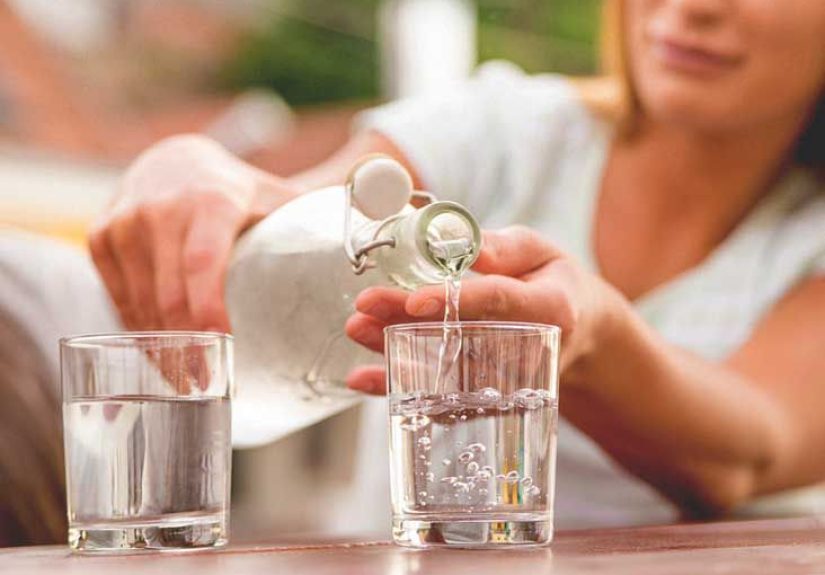
Plain water is the easiest and most calorie-free way to hydrate, but it is not the only source of fluid. Your total daily water intake can come from several places.
Plain Water
This is the gold standard: no sugar, no calories, no complicated ingredient list, no drama. Tap water, filtered water, bottled water, and mineral water all contribute to hydration.
Other Beverages
Milk, unsweetened tea, coffee, seltzer, and flavored water can contribute to your fluid intake. Drinks with lots of added sugar can hydrate you, but they also add extra calories and may not be the best everyday choice. Alcohol is different because it can increase fluid loss and is not a hydration strategy.
Water-Rich Foods
Many foods contain a surprising amount of water. Cucumbers, lettuce, tomatoes, watermelon, strawberries, oranges, soups, smoothies, yogurt, and cooked grains all add to your daily fluid total. If your plate regularly includes fruits and vegetables, your water bottle does not have to do all the heavy lifting alone.
How to Tell If You Are Drinking Enough Water
You do not need a laboratory, a spreadsheet, or a hydration app that congratulates you every 12 minutes. Your body gives useful clues.
Check Your Urine Color
For most healthy people, pale yellow urine is a good sign of hydration. Dark yellow or amber urine may mean you need more fluids, especially if it comes with thirst, dry mouth, fatigue, or dizziness. Completely clear urine all day long may mean you are drinking more than necessary.
Pay Attention to Thirst
Thirst is a built-in signal, and for many healthy adults, it works well. However, thirst can become less reliable during intense exercise, hot weather, illness, older age, or very busy days when you ignore your body because your inbox is yelling louder.
Notice Energy, Focus, and Headaches
Low fluid intake can contribute to sluggishness, headaches, difficulty concentrating, and mood changes. Of course, these symptoms can have many causes, but if they show up with dark urine and a dry mouth, hydration deserves a look.
Factors That Increase How Much Water You Need
Your daily water needs are not fixed. They change with your environment, routine, and health status.
Exercise and Sweating
If you exercise, you lose water through sweat and breathing. A short walk may not require much extra fluid, but a long run, soccer practice, gym session, hike, or cycling workout can significantly increase your needs. For longer or sweat-heavy exercise, especially beyond an hour, electrolytes may also matter because sweat contains sodium and other minerals.
Hot or Humid Weather
Hot weather raises fluid needs because your body sweats to cool itself. Humidity makes sweat less effective at evaporating, which can make you feel even hotter. If you work or exercise outdoors, sip water regularly rather than waiting until you feel extremely thirsty.
High Altitude
At higher altitudes, breathing can become faster and fluid loss may increase. Travelers, hikers, and athletes may need more fluids than usual.
Illness
Fever, vomiting, and diarrhea can cause fluid loss quickly. During illness, hydration becomes more important, and oral rehydration solutions may be useful in some cases. Severe dehydration symptomssuch as confusion, fainting, very little urination, rapid heartbeat, or inability to keep fluids downneed medical attention.
Pregnancy and Breastfeeding
During pregnancy, fluid needs increase. A common recommendation is about 8 to 12 cups of water per day. Breastfeeding can also increase fluid needs because the body uses water to produce milk. A simple habit is to drink a glass of water whenever you sit down to nurse or pump.
Diet
Salty foods, very high-protein diets, and lots of ultra-processed snacks can increase thirst. On the other hand, a diet rich in fruits, vegetables, soups, and other water-containing foods can contribute meaningfully to hydration.
Can You Drink Too Much Water?
Yes, although it is uncommon for healthy people during normal daily life. Drinking excessive amounts of water in a short time can dilute sodium in the blood, a dangerous condition called hyponatremia. This risk is more likely during endurance events, extreme exercise, certain medical conditions, or situations where someone forces fluids far beyond thirst.
The goal is not to drink the most water. Hydration is not a competitive sport, and there is no trophy for turning your stomach into a backyard pool. The goal is steady, appropriate fluid intake that matches your needs.
Who Should Ask a Doctor About Water Intake?
Most healthy people can follow general hydration guidance without much fuss. However, some people should get personalized advice. Talk with a healthcare professional if you have kidney disease, heart failure, liver disease, adrenal problems, a history of low sodium, or if you take medications such as diuretics. People on dialysis or with advanced chronic kidney disease may need to limit fluids rather than increase them.
This matters because “drink more water” is not safe advice for everyone. For some medical conditions, too much fluid can worsen swelling, blood pressure, breathing difficulty, or electrolyte problems.
A Simple Daily Hydration Plan
If you want a realistic plan, skip perfection and build a rhythm. Start your day with water. Drink with meals. Keep a bottle nearby while working or studying. Sip before, during, and after exercise. Add water-rich foods to your meals. Use urine color and thirst as feedback.
Here is an easy example for a typical day:
- Morning: Drink a glass of water after waking up.
- Breakfast: Have water, tea, coffee, or milk with your meal.
- Midday: Sip water while working, studying, or commuting.
- Lunch: Include a beverage and water-rich foods like fruit or vegetables.
- Afternoon: Drink more if you feel thirsty, tired, or notice darker urine.
- Exercise: Hydrate before and after; sip during longer sessions.
- Evening: Drink enough to stay comfortable, but avoid chugging right before bed if nighttime bathroom trips ruin your sleep.
Best Drinks for Hydration
Water is usually the best everyday drink. Unsweetened tea, coffee, milk, and sparkling water can also fit into a healthy hydration routine. If you dislike plain water, add lemon, cucumber, mint, berries, orange slices, or a splash of 100% fruit juice. Your water does not need to taste like a mountain spring personally blessed by a nutritionist. It just needs to be something you will actually drink.
Sports drinks are useful in specific situations: long workouts, heavy sweating, hot outdoor work, endurance sports, or illness with fluid and electrolyte loss. For everyday sitting, scrolling, studying, emailing, or pretending to clean the kitchen, plain water is usually enough.
Common Hydration Mistakes
Waiting Until You Are Extremely Thirsty
Thirst is helpful, but do not turn it into an emergency alarm. If you often realize at 5 p.m. that you have had only coffee and ambition, build water into your routine earlier.
Ignoring Sweat Loss
If your clothes are soaked after exercise or outdoor work, you need to replace fluid. For long or intense sweating, consider electrolytes along with water.
Assuming More Is Always Better
Hydration has a sweet spot. Drinking far beyond your needs can be uncomfortable and, in rare cases, dangerous. More water is not automatically better water.
Counting Only Plain Water
Foods and other beverages matter. A salad, soup, fruit bowl, or cup of tea can contribute to your daily total.
Personal Experiences and Real-Life Hydration Lessons
One of the biggest hydration lessons is that the “perfect” water goal often fails because it does not match real life. Many people start with a huge bottle, a heroic plan, and the confidence of someone who just watched three wellness videos. By lunch, they are either floating internally or they forgot the bottle in the car. A better approach is smaller and more consistent: drink a glass in the morning, sip with meals, and keep water within reach.
For office workers and students, dehydration often sneaks in quietly. You sit down, open your laptop, answer messages, jump between tasks, and suddenly your mouth feels dry and your brain feels wrapped in bubble wrap. A simple fix is pairing water with existing habits. Drink when you check your morning schedule. Drink when you start a study session. Drink before your next meeting. Habit stacking works because it removes the need to “remember” hydration from scratch.
For active people, experience teaches that hydration is not just about the workout itself. If you start exercise already low on fluids, you may feel tired earlier, sweat less efficiently, or develop a headache afterward. Drinking a reasonable amount before activity and sipping afterward often feels better than trying to rescue yourself with a giant bottle later. Your stomach also appreciates not being treated like a water balloon.
Hot weather is another excellent teacher. On a cool day, you may feel fine with your usual routine. On a humid summer day, the same routine may leave you drained. People who work outdoors, play sports, garden, hike, or spend time at the beach often learn that hydration needs rise quickly when the sun is doing its best impression of a toaster oven. In those situations, regular sipping beats occasional chugging.
Parents and caregivers often discover that kids may need reminders, especially during play, sports, or school days. Children may ignore thirst because fun is more interesting than fluids. Offering water breaks, packing a bottle, and including fruit with snacks can help without turning hydration into a lecture series.
Travel creates its own hydration problems. Air travel, long car rides, busy schedules, salty restaurant meals, and unfamiliar routines can all reduce fluid intake. A practical travel habit is drinking water when leaving home, when arriving at the airport or station, with meals, and before heading out for the day. It is not glamorous, but neither is getting a dehydration headache halfway through a vacation.
Another real-world lesson: taste matters. Some people do not drink enough water simply because they find it boring. That is fixable. Add citrus, berries, herbs, ice, or carbonation. Use a bottle you like. Keep cold water in the fridge. Try herbal tea. The best hydration routine is not the one that sounds impressive; it is the one you repeat without needing a motivational speech.
Finally, hydration works best when it is flexible. Some days you need more. Some days you need less. Your body gives feedback through thirst, urine color, energy, sweat, and comfort. Use the general guidelines as a map, not a cage. You are not failing because your intake changes from day to day. You are adapting, which is exactly what a smart hydration routine should do.
Conclusion: So, How Much Water Should You Drink?
Most healthy adults can start with the general guideline of about 11.5 cups of total water per day for women and 15.5 cups for men, remembering that food and beverages both count. From there, adjust based on activity, weather, sweat, diet, pregnancy, breastfeeding, illness, and medical conditions.
The best answer to “How much water should I drink?” is not a single number for everyone. It is a personal range guided by science, common sense, and body signals. Drink regularly, choose water most often, eat water-rich foods, watch for signs of dehydration, and avoid forcing extreme amounts. Hydration should make your life easiernot turn you into a full-time bottle manager.
Note: This article is for general educational purposes and should not replace medical advice. People with kidney disease, heart disease, fluid restrictions, pregnancy-related concerns, or medication-related fluid changes should ask a qualified healthcare professional for personalized guidance.