Table of Contents >> Show >> Hide
- Why Build Your Own Drying Rack?
- Pick Your Build: 3 Popular Drying Rack Styles
- The Main Project: Build a Fold-Down Wall-Mounted Drying Rack
- Materials and Tools
- Step-by-Step: How to Build the Rack
- Mounting It Safely: The Part That Matters More Than Looking Cute
- Design Upgrades (Because You’ll Immediately Think of “Just One More Thing”)
- How to Use a Drying Rack for Faster Drying (and fewer weird smells)
- Troubleshooting: Common DIY Drying Rack Problems
- Real-World Experiences: What It’s Like Living With a DIY Drying Rack (About )
- Conclusion
If your dryer had a personality, it would be the loud roommate who “borrows” your favorite sweater and returns it two sizes smaller.
A drying rack is the calm, responsible friend who lets your clothes air-dry gentlysaving energy, reducing wear, and keeping delicates from turning into doll outfits.
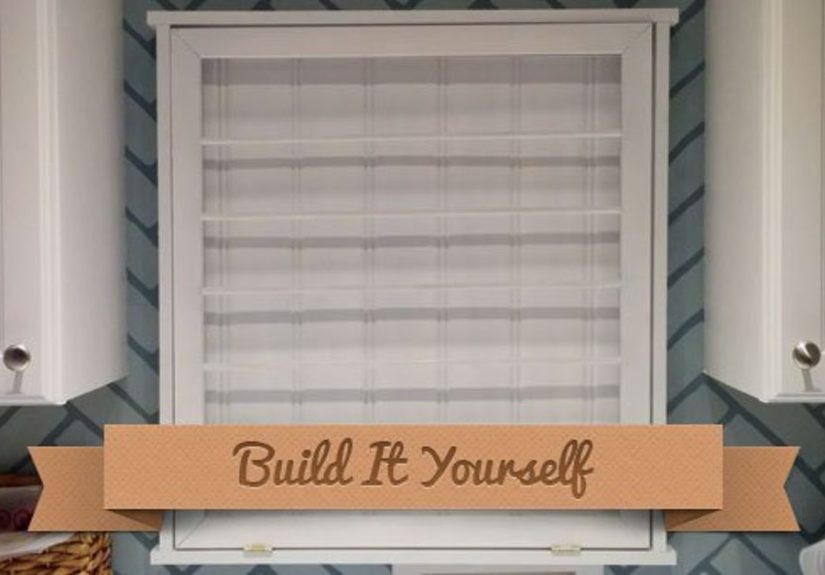
In this guide, you’ll learn how to build a sturdy DIY drying rack (with a space-saving fold-down wall-mounted plan as the main project),
plus design tips, material options, and real-world lessons that keep your laundry room from becoming a swampy sock museum.
Why Build Your Own Drying Rack?
Store-bought racks can be flimsy, wobbly, or sized for someone who only owns two T-shirts and a dream. Building your own lets you control:
- Size: Fit your laundry room, closet, balcony, or that awkward wall nobody knows what to do with.
- Strength: Wet jeans aren’t “heavy,” they’re “small angry sandbags.” You’ll build for the real load.
- Style: Paint, stain, or keep it naturalyour rack doesn’t have to look like it came from the “sad metal triangle” aisle.
- Function: Add hooks for hangers, a sweater shelf, or a fold-down design that disappears when not in use.
Pick Your Build: 3 Popular Drying Rack Styles
1) Fold-Down Wall-Mounted Drying Rack (Best for small spaces)
Hinges let the rack swing up when in use and fold flat against the wall when you’re done.
Perfect for laundry rooms, mudrooms, or hall closetsespecially if your home has the square footage of a shoebox with ambition.
2) Freestanding Folding A-Frame Rack (Best for portability)
Classic “accordion” styleeasy to move near a sunny window or out on a covered porch.
It’s great if you rent or don’t want to mount into studs.
3) Ceiling-Mounted Pulley Rack (Best for saving floor space)
Old-school and elegant: a rack that lifts up and down on pulleys. It’s awesome in tall laundry roomsjust make sure the ceiling structure can handle it.
The Main Project: Build a Fold-Down Wall-Mounted Drying Rack
This plan is designed to be simple, strong, and customizable. You’ll build a rectangular frame with wooden dowels (the “rungs”),
then mount it with hinges and folding supports.
Recommended Dimensions (Easy to customize)
- Overall rack size: about 24″ wide × 30″ tall (good for everyday loads)
- Dowel length: 18″–22″ (depends on your frame width and wall space)
- Dowel spacing: roughly 3″–4″ apart (enough airflow so clothes dry faster)
Materials and Tools
Materials
- Lumber for the frame: 1×3 or 1×2 boards (poplar, pine, or hardwood)
- Dowels: 1/2″ or 3/4″ hardwood dowels (poplar, oak, birch)
- Wood glue
- Fasteners: wood screws (and/or pocket-hole screws if you use a jig)
- Hinges: 2 sturdy hinges (strap hinges or heavy-duty butt hinges)
- Fold-down support: 2 folding shelf brackets (or chain supports)
- Wall mounting hardware: screws long enough to reach studs (preferred)
- Finish: paint, stain, and/or a protective clear coat (water-based polyurethane is a common choice)
- Optional: hooks for hangers, a top “sweater shelf,” or a small catch/lock to keep it folded
Tools
- Measuring tape, pencil, square
- Stud finder (for safe mounting)
- Drill/driver + bits
- Saw (miter saw, circular saw, or hand saw)
- Clamps (helpful, not mandatory)
- Sander or sandpaper (120 and 220 grit)
- Level
Step-by-Step: How to Build the Rack
Step 1: Measure Your Space (and your laundry reality)
Before you cut anything, decide where the rack will live and how it will be used.
Ask yourself:
- Will it fold down into a walkway (and bonk somebody carrying a basket)?
- Do you want room for hangers beneath the dowels?
- Will it be near a vent, window, or fan for faster drying?
- Do you need clearance above a washer/dryer?
Mark the intended rack footprint with painter’s tape on the wall. It’s a low-commitment way to preview size.
Step 2: Create a Cut List
For a 24″ wide × 30″ tall rack, a simple frame might look like this (adjust as needed):
- 2 vertical stiles: 30″ long (1×3)
- 2 horizontal rails: 24″ long (1×3)
- Dowels: 6–8 pieces, each 18″–22″ long
If you want the rack to feel more “furniture-grade,” choose poplar (smooth and paint-friendly) or a hardwood.
Pine is cheaper and totally workablejust use a decent finish so it doesn’t look like it got into a fight with humidity.
Step 3: Mark Dowel Locations
Lay the two vertical stiles side by side. Measure and mark the centerline where each dowel will sit.
Aim for even spacing (about 3″–4″ between dowels). Keep the top dowel a few inches down from the top rail so you have space for screws and rigidity.
Pro move: mark one stile, then clamp the stiles together and transfer marks so everything matches.
Symmetry isn’t just prettyit prevents the rack from twisting like it’s trying to escape.
Step 4: Drill Dowel Holes
Drill straight holes where your dowels will seat. Depending on your design, you have two common options:
- Through-holes: drill all the way through and run dowels across (strong, easy alignment)
- Stopped holes: drill a partial-depth hole so dowel ends are hidden (cleaner look, slightly fussier)
Use a drill bit sized to your dowels (or just slightly larger if your dowels are “enthusiastically sized”).
Test with a scrap piece firstwoodworking is mostly avoiding regret.
Step 5: Cut and Sand Everything
Cut your dowels to length and lightly sand the ends so they slide in cleanly.
Sand boards with 120 grit, then finish with 220 grit for a smooth surface. Round over sharp edges a bityour sweaters will thank you later.
Step 6: Dry Fit, Then Glue and Assemble
Assemble the frame without glue first:
- Attach top and bottom rails to the stiles (screws, pocket holes, or simple butt joints with screws).
- Insert dowels into the drilled holes.
If everything lines up, disassemble and reassemble with wood glue on dowel ends (and at frame joints if desired).
Clamp while glue cures, then add screws for strength if your joinery needs it.
Step 7: Add the Folding Hardware
Now you’re turning “wood rectangle” into “functional laundry wizardry.”
- Hinges: Attach hinges along the top edge (or side edge, depending on how you want it to fold).
- Folding supports: Install two folding shelf brackets beneath the rack so it stays level when open.
- Optional latch: Add a simple magnetic catch or hook-and-eye to keep it closed when folded.
Brackets make the rack feel solid and user-friendly. Chains are a good budget alternative, but brackets are less “pirate ship” and more “built-in laundry room upgrade.”
Step 8: Finish (Paint, Stain, Seal)
Drying racks live near moisture, so a protective finish is smart.
If you paint, use a good primer first (especially on pine). If you stain, finish with a clear topcoat.
Let everything cure fully before hanging wet clothingfresh finish + damp laundry can equal sticky sadness.
Mounting It Safely: The Part That Matters More Than Looking Cute
Here’s the truth: a drying rack is basically a lever. When it’s loaded with wet clothes, it’s trying to peel itself off the wall.
For best results:
- Mount into studs whenever possible. Use a stud finder and confirm with a small pilot hole.
- Use a level. A crooked rack isn’t “rustic,” it’s “gravity’s prank.”
- Pre-drill pilot holes. Prevent splitting and improve screw grip.
- If studs aren’t available: use heavy-duty anchors rated for the load, but understand that studs are still the gold standard.
Design Upgrades (Because You’ll Immediately Think of “Just One More Thing”)
Add a sweater shelf
A flat, ventilated top shelf is perfect for sweaters and items that shouldn’t hang. You can add slats or a wire insert.
Include hanger space
Add a lower rail or hooks so shirts can dry on hangers (fewer wrinkles, less ironing, more time for literally anything else).
Make it laundry-room smart
Put the rack near airflow: a window, vent, or ceiling fan helps drying time.
If your indoor air tends to be humid, a dehumidifier can be a game-changer.
How to Use a Drying Rack for Faster Drying (and fewer weird smells)
- Don’t overcrowd. Air needs space. If items touch, they stay damp longer and can smell musty.
- Shake garments before hanging. This reduces wrinkles and helps fibers “open up” for airflow.
- Use the right spot. Warmer, ventilated rooms work better than cold corners.
- Rotate thicker items. Flip jeans or hoodies halfway through if they’re taking forever.
- Leave a gap from cold exterior walls. It reduces condensation risk and helps prevent moisture problems.
Troubleshooting: Common DIY Drying Rack Problems
“My rack feels wobbly.”
Check that your wall screws are hitting studs and that your brackets are installed evenly.
Also confirm your hinges are rated for the load and not tiny decorative hinges pretending to be helpful.
“My dowels spin or loosen over time.”
That usually means the hole is slightly oversized or glue coverage was light.
You can remove the dowel, add wood glue (or a thin shim), and re-seat it.
For future builds, test-fit dowels so they seat snugly.
“The wood looks rough or swells.”
Humidity and unfinished wood can be a messy combo. Sand lightly and add a durable clear coat.
Hardwood dowels also tend to hold up better than softwood in damp conditions.
“My laundry room is getting humid.”
Add airflow: crack a window, run a bathroom/laundry exhaust fan, or use a dehumidifier.
A drying rack works best when moisture can actually leave the room instead of throwing a house party in the air.
Real-World Experiences: What It’s Like Living With a DIY Drying Rack (About )
The first “experience” most people report after building a drying rack is emotional whiplash: you go from “Why did I wait so long?” to “Oh wow, wet towels are basically portable weather systems.”
A well-built drying rack changes how you do laundrynot in a dramatic movie montage way, but in a steady, quality-of-life upgrade way.
One common lesson is that placement matters more than you think. Many DIYers mount the rack wherever it fits, then realize the rack needs breathing room.
If it’s too close to a wall (especially an exterior wall in cooler months), moisture can hang around longer than invited.
Moving the rack a few inches, adding a small fan, or choosing a warmer room often makes drying times noticeably better.
Another frequent experience: the rack becomes a “temporary” landing zone for clothing… which can become a “semi-permanent” lifestyle if you’re not careful.
The fix is simplebuild in good habits. If you air-dry delicates, set a routine: load the rack, and when items are dry, fold immediately or hang them in the closet.
A drying rack is a tool, not a new piece of furniture for your clean laundry to move into rent-free.
People also learn quickly that dowel spacing is a quiet hero. When dowels are too close, clothes overlap and stay damp; too far apart and small items slip through or sag.
That middle zonearound a few inches apartcreates enough airflow while still being practical for socks, tees, and lightweight knits.
If you’re drying larger items like bath towels or sweatshirts, you may find fewer bars with more spacing feels better than packing in maximum dowels.
Finish choice becomes a big deal after a few weeks of real use. Unsealed wood can look tired fast in a humid laundry room.
DIYers often report that a simple protective topcoat (especially on dowels) keeps things looking cleaner and makes wiping dust or lint easier.
Paint looks crisp, but a sealed natural wood rack can feel more “intentional” and less “I built this during a power outage.”
The most satisfying moment tends to be the first time you pull a favorite shirt off the rack and it’s not over-dried, stiff, or shrunk.
Air-drying isn’t just about saving electricity; it’s about fabric care.
Athletic wear, bras, sweaters, and anything with stretch generally holds up better when it’s not repeatedly blasted with heat.
Over time, many people notice fewer “mystery holes,” less pilling, and less fading.
Finally, there’s the unexpected bonus experience: once you have a rack, you’ll use it for more than laundry.
It becomes a drip-dry station for rain gear, a gentle drying zone for hand-washed shoes, and a “please dry peacefully” spot for anything that shouldn’t be cooked in a dryer.
If you build it sturdy, you’ll wonder how you ever lived without itlike discovering pockets after buying a dress with pockets.
Conclusion
Building a drying rack is one of those rare DIY projects that’s genuinely practical, easy to customize, and satisfying every single week.
A fold-down wall-mounted drying rack saves space, protects your clothes, and helps you air-dry smarterespecially when you mount it securely and give it good airflow.
Start with a simple frame and dowels, upgrade with brackets and hooks, and you’ll have a laundry room tool that feels like it came with the house (in the best way).