Table of Contents >> Show >> Hide
- What Is Santa Lucia Day (and Why Does Sweden Go All-In)?
- The Star of the Show: The Lucia Procession (Luciatåg)
- Plan a Traditional Lucia Celebration at Home
- What to Eat and Drink on Santa Lucia Day
- Lucia Music: What to Sing (Without Needing a Choir Degree)
- Set the Scene: Swedish Lucia Decor and Details
- Celebrate Like a Community (the Swedish-American Way)
- Common Mistakes (and How to Avoid Them)
- Santa Lucia Day FAQ
- Conclusion: Bring the Light, Bake the Buns, Keep It Human
- Experience Add-On: What Santa Lucia Day Feels Like in Real Life
- 1) The early-morning quiet that feels almost magical
- 2) The first bite of lussekatter: buttery sunshine in bread form
- 3) The procession: sweet, slightly awkward, and strangely moving
- 4) The candle crown experience (a.k.a. balancing confidence on your head)
- 5) The afterglow: when the day stays cozy even after the singing ends
- SEO Tags
If December had a “most wholesome main character” award, Santa Lucia Day would win itcrown, candles, and all.
Celebrated on December 13, this beloved Swedish Christmas tradition is basically Sweden’s way of saying,
“Yes, it’s dark at 3:47 p.m., but we brought snacks and a choir.”
Santa Lucia Day (also called Saint Lucia Day) is a festival of light in the middle of winter’s deep gloom.
The vibe is simple and powerful: white robes, warm candlelight, sweet saffron buns, and music that somehow makes even a sleepy hallway feel like a cathedral.
This guide walks you through the traditional Swedish way to celebratewithout turning your kitchen into a flour-blizzard disaster zone (no promises, but we’ll try).
What Is Santa Lucia Day (and Why Does Sweden Go All-In)?
Santa Lucia Day honors St. Lucia (Lucia of Syracuse), a Christian martyr associated with bringing light in darkness.
In Sweden, her feast day blended with older seasonal customsso the celebration became a bright, musical marker of the holiday season.
Historically, December 13 was linked to the darkest time of year in pre-modern calendars, which helped the “light wins” symbolism stick.
In modern Swedenand in Swedish-American communitiesLucia is less about a single strict script and more about a shared mood:
gentleness, generosity, and warmth (plus caffeine). Some families keep it religious, some keep it cultural,
and many keep it delicious. All are welcome under the glow of a candle crown.
The Star of the Show: The Lucia Procession (Luciatåg)
The centerpiece is the Lucia procession, called a luciatåg in Swedish.
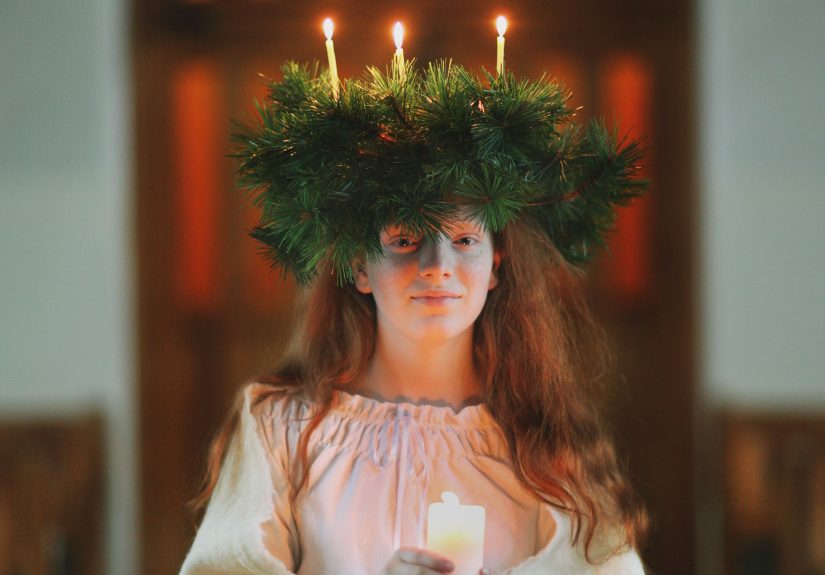
Traditionally, a “Lucia” leads a small parade of singersoften childrenthrough a home, school, church, or community space.
The group sings Lucia songs while carrying candles, bringing light into the winter darkness.
Traditional roles and costumes
- Lucia: Wears a white gown and a red sash, and carries (or wears) lightsoften a crown with candles.
- Handmaidens (tärnor): Wear white gowns and usually hold candles.
- Star boys (stjärngossar): White gowns, tall cone hats, and a star on a stick. Yes, it looks charmingly theatricaland that’s the point.
- “Tomte” or holiday helpers: Sometimes little ones join as elves/gnomes with lanterns, because nobody wants a toddler left out of a parade.
Candle safety (because tradition shouldn’t involve the fire department)
Historically, real candles were common. Today, many families use battery-operated candles for safetyespecially with kids, pets,
curtains, or anyone in the household who moves like a pinball when excited.
If you do use real candles, keep hair secured, use a stable wreath base, and have water nearby.
Tradition is beautiful; singed eyebrows are optional.
Plan a Traditional Lucia Celebration at Home
A classic at-home Santa Lucia Day celebration is a pre-dawn surprise:
Lucia (often the eldest child in older family customs, but it can be anyone) wakes up early, dresses in white, and serves a special breakfast
while the rest of the household pretends they’re not crying from happiness and sleep deprivation.
A simple Lucia timeline you can copy
- Night before (Dec 12): Set out costumes, prep dough or bake treats, and arrange a tray with mugs, napkins, and candles (real or electric).
- Early morning (Dec 13): Lucia gets dressed, the procession forms, and the group quietly gathers in the kitchen.
- Procession moment: Walk into the bedroom or living room singing softly, carrying candles, and serving breakfast.
- Breakfast + fika: Eat saffron buns, ginger cookies, and drink coffee or hot chocolate. Take photos. Pretend you don’t love it. Fail.
- Later that day: If you want the full Swedish feel, add an afternoon fika (coffee break) with more treats and maybe glögg.
Pro tip: keep the mood “soft”
Swedish Lucia celebrations aren’t usually loud, chaotic, or frantic. The charm is in the contrast: calm singing + winter darkness + warm light.
Think “cozy reverence,” not “birthday party at a trampoline park.”
What to Eat and Drink on Santa Lucia Day
Food is not an “extra” here. It’s basically the supporting actor that steals the scene.
A traditional Lucia spread is built around saffron, spice, and strong coffeebecause Scandinavia does winter with strategy.
Lussekatter (Lucia saffron buns)
The iconic treat is lussekatter (also called lussebullar): golden saffron buns often shaped into an “S”
and typically dotted with raisins. Saffron gives them their sunny color and subtle floral aromalike edible candlelight.
- Classic flavor notes: saffron, butter, sometimes cardamom
- Classic shape: an “S” curl (spirals at each end)
- Serving style: warm or room temp, often with coffee
If you want to keep it traditional, don’t overcomplicate it: a soft enriched dough, saffron-infused milk, careful proofing,
and a gentle bake so they stay tender. If your buns come out dry, don’t panicjust call them “rustic” and serve with extra butter.
Confidence is a seasoning.
Pepparkakor (Swedish ginger cookies)
Pepparkakor are thin, crisp, warmly spiced cookiesginger, cinnamon, clove vibes. They’re perfect for nibbling during singing,
gifting to neighbors, or bribing children into a polite procession formation.
Coffee, hot chocolate, and the holy concept of fika
Lucia morning typically includes coffee (strong, because winter) or hot chocolate for kids.
Add a little fika energy by setting a pretty tray, using simple linens, and sitting down togethereven if only for 15 minutes.
The “pause” is part of the tradition.
Glögg (Swedish mulled wine) for later in the day
Glögg is a Scandinavian spiced mulled wine that’s warmed with aromatics like cinnamon, cloves, ginger, orange zest,
and often cardamom. Traditionally, it’s served with raisins and blanched almonds in the cup.
For a family-friendly version, use a nonalcoholic base (like juice or dealcoholized wine) with the same spices.
Optional Swedish additions (if you want to go full holiday mode)
- Rice porridge (often served in winter across Scandinavia)
- Lingonberry jam (tart-sweet and festive)
- Open-faced sandwiches for a simple later meal
Lucia Music: What to Sing (Without Needing a Choir Degree)
Lucia celebrations are famous for singing. The songs are typically gentle and processionalperfect for early morning.
Many Swedes recognize classic Lucia melodies immediately, and Swedish-American celebrations often keep the same repertoire.
If you’re new to it, you have options:
- Keep it traditional: Choose a well-known Lucia song and learn the melody (even humming counts).
- Keep it accessible: Use a simple holiday tune and focus on the procession atmosphere.
- Keep it communal: One person starts, everyone else joins in on the chorusno solo pressure.
The goal isn’t perfection. The goal is that cozy, candlelit feeling where the hallway suddenly becomes magical.
Set the Scene: Swedish Lucia Decor and Details
You don’t need a magazine-worthy house. In fact, Lucia works best when it feels intimate.
A few intentional touches go a long wayespecially when it’s still dark outside.
Easy, traditional-inspired decor
- Soft lighting: candles (or electric) in safe holders
- Evergreen accents: a simple wreath or garland
- White + red: nod to the traditional gown and sash
- A tray moment: mugs, napkins, and a neat stack of buns and cookies
How to make a Lucia crown (quick and safe)
- Use a sturdy wreath base (real greenery or faux).
- Attach electric taper candles designed for wreaths, or small LED lights tucked into the greenery.
- Secure everything tightly so it doesn’t wobble during the procession.
- Add ribbon only if it won’t trail near flames (if you’re using real candles, keep it minimal).
Celebrate Like a Community (the Swedish-American Way)
One of the most beautiful parts of Santa Lucia Day is how often it’s celebrated beyond the home.
Swedish-American museums and cultural organizations across the U.S. host Lucia concerts, processions, and holiday markets.
These events commonly include singing, costumes, and plenty of Swedish treatsbecause joy loves a snack table.
If you want to celebrate traditionally and socially, consider:
- Attending a Lucia concert or procession at a local Swedish-American organization.
- Volunteering or donating to a community group around December 13.
- Sharing treats with neighbors, teachers, or coworkerssmall gestures match Lucia’s “bring light” spirit.
Common Mistakes (and How to Avoid Them)
- Starting too late: Lucia is a morning tradition for many families. Prep the night before so you’re not kneading dough at sunrise like a zombie.
- Overbaking saffron buns: Pull them when they’re just golden. Dry buns are the enemy of holiday peace.
- Unsafe candles: Use electric candles if there’s any doubt. The tradition is “light,” not “small household emergency.”
- Forgetting the mood: Keep it calm, gentle, and cozy. Lucia is not a sprint; it’s a glow.
Santa Lucia Day FAQ
Is Santa Lucia Day only for Swedish people?
Not at all. Anyone can celebrate respectfully. Focus on the core themeslight, generosity, music, and togethernessand you’re doing it right.
Does Lucia have to be a girl?
Many modern celebrations are flexible about roles. What matters is the procession spirit, not assigning parts by old rules.
Plenty of communities welcome a variety of participants in different roles.
Is it religious or cultural?
It can be either (or both). Some people emphasize Saint Lucia and church music; others treat it as a seasonal cultural tradition.
You can celebrate in a way that fits your home.
Conclusion: Bring the Light, Bake the Buns, Keep It Human
The traditional Swedish way to celebrate Santa Lucia Day isn’t about expensive decor or flawless singing.
It’s about showing up for each otherin the dark, in the cold, with warm food and a little light.
If you manage a simple procession, a tray of saffron buns, and a few gentle songs, you’ve captured the heart of Lucia.
And if your candle crown tilts slightly to the left like it’s questioning your life choices? Congratulations.
You’ve just made a real family memorywhich is, honestly, the most traditional thing of all.
Experience Add-On: What Santa Lucia Day Feels Like in Real Life
Reading about Santa Lucia Day is one thing. Living iteven in a small apartment with a questionable smoke detectoris another.
Here’s what the celebration tends to feel like, moment by moment, when you try it the traditional Swedish way.
Consider this your “emotional user manual.”
1) The early-morning quiet that feels almost magical
Lucia morning starts when the rest of the world is still asleep. The kitchen light stays off, and you work by soft glowLED candles, a tiny lamp,
or the light from the oven clock that’s always a little too bright. There’s a special kind of silence at that hour:
not “nothing is happening,” but “something gentle is happening.” You warm the coffee, arrange the buns, and suddenly you’re acting like a calm, capable person.
(This will pass the second someone asks where the raisins are.)
2) The first bite of lussekatter: buttery sunshine in bread form
When saffron buns are fresh, they taste like winter comfort with a golden glowsoft, lightly sweet, and fragrant in a way that’s hard to describe
without sounding dramatic. The saffron isn’t loud; it’s warm and floral, like the idea of sunlight remembered.
If you add cardamom, it’s a little extra Scandinavian winksubtle spice that makes your kitchen smell like a holiday bakery.
Paired with coffee, it’s the kind of snack that makes you pause mid-bite and think, “Oh. This is why people do this.”
3) The procession: sweet, slightly awkward, and strangely moving
Here’s the truth: a home luciatåg can be both beautiful and mildly chaotic. Someone will walk too fast.
Someone will whisper-sing. Someone will forget the words and hum like a benevolent bee. And yetwhen you step into a dark room with soft singing,
white robes, and candlelight, it hits you. The point isn’t a performance. The point is a gentle interruption of winter’s heaviness.
Even skeptical adults tend to soften when a child offers a warm bun on a tray like it’s a sacred treasure.
4) The candle crown experience (a.k.a. balancing confidence on your head)
Wearing a Lucia crownespecially one that’s DIYteaches humility. It may tilt. It may pinch.
An electric candle may blink at exactly the wrong time and make your Lucia look like she’s sending Morse code.
But it also gives you a weird little thrill: you’re literally carrying light. In the most literal way.
And that’s the symbol at the heart of Santa Lucia Day: you don’t wait for winter to be over; you bring something bright into it yourself.
5) The afterglow: when the day stays cozy even after the singing ends
The best Lucia celebrations don’t stop at breakfast. They linger.
Maybe you set aside a few pepparkakor for later and discover that cookies taste better when you’ve earned them by waking up at dawn.
Maybe you make a pot of glögg in the afternoon and let the spices do their slow, fragrant work.
Maybe you share extra buns with a neighbor or bring treats to work and casually become everyone’s favorite person for the day.
Santa Lucia Day has a way of turning ordinary spaces into warm onesif not for a whole season, then at least for a day.
And honestly? In December, that’s a pretty heroic accomplishment.