Table of Contents >> Show >> Hide
- What Is TSP, and Why Do People Use It on Paint Brushes?
- When TSP Makes Sense for Brush Cleaning
- When TSP Is Not the Best Option
- What You Need Before You Start
- How to Clean Paint Brushes With TSP: Step by Step
- Step 1: Remove as much paint as possible first
- Step 2: Put on safety gear
- Step 3: Mix the TSP solution
- Step 4: Dip and work the brush through the solution
- Step 5: Use a brush comb
- Step 6: Repeat if needed
- Step 7: Finish with soap and warm water
- Step 8: Reshape the bristles
- Step 9: Dry it the right way
- How Long Should You Soak a Brush in TSP?
- TSP vs. TSP Substitute: Which Should You Use?
- Common Mistakes to Avoid
- How to Keep Paint Brushes From Getting That Bad Again
- Real-World Experiences Cleaning Paint Brushes With TSP
- Final Thoughts
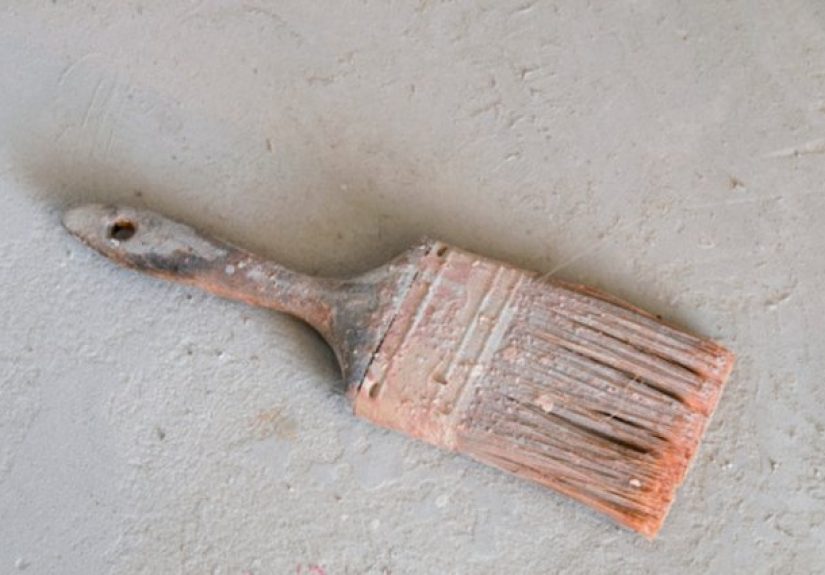
If you have ever picked up a paint brush the day after a project and discovered it has the texture of a breadstick, welcome. You are among friends. A good paint brush can survive a surprising amount of abuse, but only if you clean it the right way. That is where TSP comes in.
TSP, short for trisodium phosphate, has long been a favorite among painters and serious DIYers because it cuts through grime, softens stubborn residue, and helps restore tools that are drifting from “trusted helper” into “modern art exhibit.” But there is a catch: TSP is strong stuff. Used well, it can rescue brushes and extend their life. Used carelessly, it can dry bristles, irritate skin, and leave you wondering why your workshop smells like a chemistry class.
This guide breaks down exactly how to clean paint brushes with TSP, when it makes sense, when it does not, and how to avoid the classic mistakes that turn a routine cleanup into a tiny household tragedy. If your brush is loaded with semi-dried latex paint, greasy residue, primer buildup, or mystery gunk from a project you started sometime around the last election cycle, this is for you.
What Is TSP, and Why Do People Use It on Paint Brushes?
TSP is a heavy-duty cleaner and degreaser. Painters often use it to prep walls, trim, cabinets, and other surfaces before repainting because it cuts through grease, soot, chalky residue, and built-up grime. That same strength is why some people use it to help clean paint brushes, especially when the brush is dirtier than a standard soap-and-water rinse can handle.
Here is the plain-English version: TSP is not magic, but it is excellent at loosening stubborn messes. On brushes, that means it can help remove sticky paint residue, dried latex buildup near the ferrule, and greasy contaminants that stop a brush from fanning out properly. It is also useful when a brush has been used for messy prep work and needs a deeper cleaning than a quick rinse.
However, TSP is not the best first choice for every brush. For fresh latex paint, mild soap and warm water usually do the job just fine. For oil-based paints, mineral spirits or the cleanup method listed on the paint can is usually the better route. Think of TSP as the strong backup singer, not always the lead vocalist.
When TSP Makes Sense for Brush Cleaning
You will usually get the best results from TSP in these situations:
1. The brush has latex paint that started drying
If you waited “just ten minutes” and somehow that turned into overnight, TSP can help break down the mess after you remove as much paint as possible manually.
2. There is heavy buildup near the ferrule
That hardened ring of paint near the metal ferrule is often what ruins a brush. TSP can help loosen it so you can work it out with a brush comb.
3. The brush picked up grease, dust, or prep residue
If the brush was used around cabinets, trim, or dirty surfaces, TSP is helpful because it is designed to cut greasy grime that ordinary soap may leave behind.
4. You are restoring a brush, not just rinsing it
For routine cleaning, mild soap may be enough. For rehab duty, TSP earns its paycheck.
When TSP Is Not the Best Option
Before you march toward the bucket like a confident home-improvement hero, know when not to use TSP as your main cleaner.
Fresh water-based paint
If the brush is still wet with latex or acrylic paint, wash it first with mild soap and warm water. That is faster, gentler on the bristles, and usually all you need.
Oil-based coatings
If the brush was used with oil-based paint, alkyd, varnish, shellac, or similar coatings, start with the proper solvent recommended by the manufacturer. TSP can help with final degreasing later, but it should not replace the correct solvent cleanup method.
Delicate or expensive natural-bristle brushes
TSP is powerful, which means it can be rough on fine natural bristles if overused. If you are cleaning a premium natural-bristle brush, keep the contact time short and be extra careful with rinsing, reshaping, and drying.
Pre-1978 paint residue
If the brush was used on older painted surfaces, especially in a pre-1978 home, assume lead dust could be involved until proven otherwise. In that case, follow lead-safe practices and handle cleanup with far more caution than your average Saturday paint project.
What You Need Before You Start
- TSP or a TSP substitute, mixed according to the package directions
- A bucket or disposable container
- Rubber or chemical-resistant gloves
- Safety goggles
- Warm water
- Mild dish soap
- A brush comb or sturdy plastic comb
- Paper towels or clean rags
- A second container for rinsing
If you are using traditional powdered TSP, make sure it is fully dissolved before the brush goes in. If traditional phosphate TSP is hard to find in your area, a TSP substitute may be easier to buy. It is commonly sold for similar heavy-duty cleaning jobs, though formulas vary, so always read the label rather than assuming every bottle plays by the same rules.
How to Clean Paint Brushes With TSP: Step by Step
Step 1: Remove as much paint as possible first
Do not throw a fully loaded brush into TSP and expect a miracle. Scrape excess paint back into the can, wipe the brush on scrap cardboard or paper, and work out what you can with your fingers or a brush comb. The less paint left in the bristles, the easier the cleaning job becomes.
Step 2: Put on safety gear
TSP is not something you want splashed in your eyes or sitting on your skin. Wear gloves, use eye protection, and work in a well-ventilated area. Also, use a bucket or work container instead of cleaning directly in a kitchen sink. Your future self, your plumbing, and anyone hoping to wash lettuce later will appreciate that choice.
Step 3: Mix the TSP solution
Follow the product label for the correct dilution. If the brush is only moderately dirty, start with the lighter cleaning ratio rather than going straight to “industrial-strength regret.” Stronger is not always better, especially for brush fibers.
Step 4: Dip and work the brush through the solution
Submerge only the bristles, not the whole handle. Swirl the brush gently in the TSP solution and press the bristles against the side or bottom of the container to help loosen paint trapped inside. Avoid aggressive smashing unless your long-term goal is to make the brush look like a frightened porcupine.
Step 5: Use a brush comb
Comb from the ferrule toward the tip of the brush. This is where the real progress happens. The comb helps pull softened residue out from the dense center of the brush, which is exactly where dried paint likes to hide and ruin everything.
Step 6: Repeat if needed
If the water gets murky or paint is still coming out in clumps, refresh the solution and repeat the process. For especially stubborn brushes, it is better to do two or three shorter cleaning rounds than one long soak that overstresses the bristles.
Step 7: Finish with soap and warm water
Once the heavy residue is gone, wash the brush with mild dish soap and warm water. This final wash helps remove leftover cleaner and fine paint particles. Keep rinsing until the water runs clear and the brush no longer feels slippery or chalky.
Step 8: Reshape the bristles
Gently squeeze out excess water with a rag or paper towel, then use your fingers to reshape the brush to its original profile. This small step makes a big difference. A brush that dries bent or splayed will paint bent or splayed. Paint brushes, unlike toddlers, do remember bad habits.
Step 9: Dry it the right way
Lay the brush flat or hang it with the bristles pointing downward. Do not let it dry standing on the bristles. That is a fast way to turn a perfectly good angled sash brush into abstract sculpture.
How Long Should You Soak a Brush in TSP?
Not very long. TSP works best when you actively clean with it rather than marinate the brush for ages. A brief soak or a few rounds of swirling and combing are usually enough for light to moderate buildup. Prolonged soaking can weaken adhesive, distort the shape, and dry out the fibers.
If the brush is truly hardened, start with a gentler rescue method such as loosening buildup manually, using the paint-appropriate cleaner, or trying a dedicated brush cleaner. TSP is excellent for deep cleaning, but it is not a universal replacement for every restoration product on the shelf.
TSP vs. TSP Substitute: Which Should You Use?
This is where many DIY articles get a little fuzzy, so let us make it simple. Traditional TSP is the stronger, old-school option. TSP substitute is commonly sold as a phosphate-free alternative and is often easier to find because some areas restrict phosphate cleaners.
If your brush is heavily gunked up with greasy residue and you have real TSP on hand, it will usually clean more aggressively. If you want something a bit easier to manage or that is more widely available locally, TSP substitute can still be useful for cleanup. The label matters here. Different brands make different promises, and a cleaner marketed for surface prep may not behave exactly like another one marketed for tools and brushes.
The smart approach is simple: use what you can legally buy in your area, read the directions, and start with the mildest effective method.
Common Mistakes to Avoid
Using TSP as the first and only solution
Fresh latex paint usually does not need the heavy artillery. Start with soap and water when appropriate.
Ignoring the paint type
Latex, acrylic, oil-based, shellac, stain, and primer do not all clean up the same way. Match the cleanup method to the coating first, then use TSP as a deep-cleaning helper when needed.
Letting the brush soak forever
Long soaks are rough on brush shape and construction. Short, active cleaning sessions are better.
Skipping the rinse
If cleaner stays in the bristles, your next paint job may suffer. Rinse thoroughly and then rinse again like you have trust issues.
Drying the brush upright on its bristles
That is one of the quickest ways to ruin a brush you just spent twenty minutes rescuing.
Disposing of leftovers carelessly
Leftover paint, solvent, sludge, and strong cleaning products may require special disposal depending on local rules. Let usable paint dry only when allowed locally, keep liquids out of the trash, and check your area’s household hazardous waste or paint stewardship rules before dumping anything questionable.
How to Keep Paint Brushes From Getting That Bad Again
The best brush restoration trick is not needing brush restoration in the first place. Clean the brush as soon as you finish painting. During short breaks, wrap the brush so it does not start drying out. Do not leave it sitting in liquid for long stretches. Use a brush comb regularly, especially near the ferrule, and store the brush in its keeper or wrapped so the bristles keep their shape.
If you paid good money for a quality brush, treat it like a tool, not a disposable snack wrapper. A little care saves a lot of frustration.
Real-World Experiences Cleaning Paint Brushes With TSP
One of the most useful lessons people learn with TSP is that brush cleaning is usually won or lost in the first five minutes. The projects that end well are the ones where the painter stops, scrapes out excess paint, and deals with the brush before the bristles start hardening around the ferrule. The disaster stories almost always begin with, “I figured I’d clean it tomorrow.” Tomorrow, of course, arrives with a brush stiff enough to butter toast.
A common experience is using TSP after a kitchen or trim project where the brush picked up more than paint. Cabinets, baseboards, and old woodwork often carry cooking grease, dust, old cleaner residue, or a bit of sanding mess. In those cases, a basic soap wash can leave the brush looking cleaner without actually feeling cleaner. TSP tends to make a noticeable difference because it strips away the greasy film that keeps the bristles clumped together. Many DIYers describe that moment as the point where the brush finally “opens back up” and starts to feel usable again.
Another real-world pattern is that people often overdo the cleaner and underdo the combing. They assume the solution alone will dissolve everything. In practice, the brush comb is the unsung hero. Once TSP loosens the buildup, combing from the ferrule outward is what actually removes the trapped paint. Anyone who has restored a brush with dried paint packed into the center knows the strange satisfaction of watching ugly little flakes slide out one pass at a time. It is not glamorous, but it is weirdly rewarding.
There is also a big difference between synthetic and natural bristles in real use. Synthetic brushes tend to bounce back better after a TSP deep clean, especially if they were used with latex paint. Natural-bristle brushes can absolutely be cleaned, but they are less forgiving if you use a mix that is too strong or leave them wet too long. Experienced painters often talk about the cleanup stage as brush maintenance rather than just brush washing, because what you do after the paint is gone matters almost as much as the cleaning itself. Reshaping, drying properly, and storing in a keeper are what decide whether the brush is truly saved or only temporarily less terrible.
And then there is the lesson nearly everyone learns once: TSP is excellent, but it is not a hall pass for neglect. It can rescue a brush, but it cannot always restore one that has been abused beyond reason. When people get the best results, they use TSP as part of a process, not as a miracle cure. They remove excess paint first, use the right cleaner for the paint type, deep-clean only when necessary, and rinse thoroughly. That combination is what turns a crusty, grumpy brush back into a useful tool. In other words, the real experience of cleaning paint brushes with TSP is less about brute force and more about smart cleanup with a strong helper on your side.
Final Thoughts
If you want to know how to clean paint brushes with TSP, the short answer is this: use TSP as a deep-cleaning assistant, not a lazy substitute for basic brush care. It is excellent for stubborn residue, semi-dried latex paint, greasy buildup, and general brush rehab. But it works best when you pair it with the correct cleanup method for the paint type, a brush comb, a thorough rinse, and proper drying.
Done right, TSP can save quality paint brushes, stretch your tool budget, and make your next project go a lot smoother. Done wrong, it can leave you with a sad brush, a messy bucket, and a very motivational trip to the hardware store. Choose wisely.