Table of Contents >> Show >> Hide
- Why Sports Bar Wings Are GoodBut Not Untouchable
- The Real Secret: Dry Wings Win
- Baking Powder, Cornstarch, and Other Crispness Tricks
- Choose Your Weapon: Best Ways to Cook Chicken Wings
- The Temperature Rule Most People Miss
- How to Season Wings So They Taste Like More Than Salt and Regret
- Best Sauces for Wings That Beat the Bar
- A Foolproof Wing Method for Home Cooks
- Mistakes That Ruin Chicken Wings
- How to Serve Wings Like You Mean It
- From the Wing Trenches
- Conclusion
- SEO Tags
There are two kinds of chicken wings in this world: the ones you eat because they are nearby, and the ones you remember because they are outrageously good. Your local sports bar may do a respectable job, but home cooks have a secret advantage: you are not trying to serve a hundred baskets during a playoff game while somebody yells for extra ranch. You can focus on what actually makes wings greatcrackly skin, juicy meat, balanced seasoning, and sauce that clings instead of sliding off like it is late for another table.
If you have ever bitten into a wing that looked promising but turned out rubbery, greasy, or suspiciously soggy under the sauce, welcome. We are fixing that today. The truth is that better chicken wings are not about one magic ingredient. They are about managing moisture, heat, and timing like a tiny, delicious science project. Do that right, and your kitchen turns into the best wing spot in townminus the sticky laminated menu and the TV blaring a game you did not ask to watch.
Why Sports Bar Wings Are GoodBut Not Untouchable
Sports bars win on convenience, not always on precision. Great wings need a crisp exterior and juicy interior, but those two goals can clash if the wings are rushed, crowded, or held too long before serving. At home, you can make smarter choices: dry the wings properly, cook them in a single layer, use a wire rack, and sauce them at the exact moment when the skin is still crisp but ready to absorb flavor. That is how you beat the average bar wing without needing a commercial fryer or a neon beer sign.
The biggest difference is control. At home, you decide whether you want classic Buffalo, lemon pepper, garlic Parmesan, hot honey, or a dry-rub masterpiece that leaves your fingers gloriously orange. You also get to decide whether your wings will be baked, air-fried, or deep-fried. Each method can produce fantastic results when done correctly. The key is understanding the rules.
The Real Secret: Dry Wings Win
Here is the first commandment of better chicken wings: dry skin equals better skin. Moisture is the enemy of crispness. When wet wings hit heat, they steam before they brown, and steaming is the fast lane to soft, floppy skin. Pat the wings very dry with paper towels. Then, if time allows, leave them uncovered on a rack in the refrigerator for at least 1 hour and preferably overnight. This air-dries the surface and gives you a major head start on crisping.
This one step separates average wings from “wait, you made these?” wings. It also gives seasoning a chance to stick more evenly. Think of it as giving your wings a little spa treatment before the glorious chaos begins.
Baking Powder, Cornstarch, and Other Crispness Tricks
Yes, a small amount of baking powder can help. It raises the pH of the skin and encourages browning while helping the surface dry out during cooking. The result is a blistered, crunchy exterior that tastes suspiciously like deep-fried wings, even when it came from your oven. Cornstarch can also help by forming a thin, dry coating that turns crisp in hot air.
The important word here is small. You are not dredging the wings into a chemistry set. Use just enough to lightly coat them. Too much baking powder, and the flavor can turn oddly metallic or alkaline. A smart formula for 2 pounds of wings is:
- 1 tablespoon aluminum-free baking powder
- 1 to 2 teaspoons cornstarch
- 1 1/2 teaspoons kosher salt
- 1 teaspoon black pepper
- 1 teaspoon garlic powder
- 1 teaspoon smoked paprika
Toss that mixture with the wings until lightly and evenly coated. You are aiming for “seasoned and dusty,” not “I accidentally breaded these.”
Choose Your Weapon: Best Ways to Cook Chicken Wings
1. Oven-Baked Wings: Best for Most Home Cooks
If you want maximum payoff with minimum mess, the oven is your best friend. Arrange the wings in a single layer on a wire rack set over a rimmed baking sheet. The rack matters because it lets hot air circulate around the wings instead of trapping steam underneath. Also, do not crowd the pan. If the wings are touching too much, they roast poorly and sulk.
A great oven strategy is to start at a moderate temperature to render fat, then finish hotter for color and crackle. Another excellent approach is a straight high-heat roast if your wings are very dry. Either way, the principle is the same: render first, crisp second. Flip once during cooking for even browning.
Best for: easy cleanup, reliable crispness, feeding a crowd, and keeping your stovetop from smelling like a fry shack for two days.
2. Air Fryer Wings: Best for Small Batches and Extra Crunch
The air fryer is basically a tiny wind tunnel for chicken. It circulates hot air aggressively, which means crisp skin with less oil and faster cook times. Preheat it if your model allows. Place the wings in a single layer. If you stack them like laundry, they will punish you with uneven cooking.
The air fryer shines for weeknight wings, smaller households, and anyone who wants that shattering bite without deep-frying. If you are cooking for game day, do it in batches and keep finished wings warm in a low oven until it is sauce time.
Best for: fast cooking, extra-crispy skin, small kitchens, and people who enjoy kitchen gadgets that sound vaguely like jet engines.
3. Deep-Fried Wings: Best for Classic Sports Bar Texture
If you want the most traditional wing-shop result, deep-frying still rules. Heat a neutral oil to about 350°F. That temperature gives you enough time to cook the meat through while crisping the exterior without scorching the skin. Fry in batches so the oil temperature does not crash. Overloading the pot is how optimism turns into pale, greasy sadness.
For even more crunch, some cooks use a double-fry method: fry once to cook through, rest briefly, then fry again at higher heat for a final crisp-up. It is extra work, yes, but so is greatness.
Best for: classic bar-style wings, ultra-crisp skin, and home cooks who are comfortable working with hot oil.
The Temperature Rule Most People Miss
Chicken wings must reach a safe internal temperature of 165°F. That is the food-safety baseline. But if you stop there mechanically without paying attention to texture, you might miss their full potential. Wings are dark meat, which means they often taste even better a bit higher than the minimum once connective tissue softens and the meat turns juicier and more tender. In practical terms, use 165°F as your safety floor and texture as your finish line.
The smartest move is to use an instant-read thermometer in the thickest part of the flat or drumette without touching bone. No guessing. No cutting into three wings like a detective at a crime scene.
How to Season Wings So They Taste Like More Than Salt and Regret
Wings need two layers of flavor: seasoning on the meat and a finish on the outside. If all your flavor comes from sauce, the inside can taste flat. Salt the wings before cooking, then add a dry rub or finishing sauce after crisping.
Great Dry Rub Ideas
- Classic Bar Rub: kosher salt, black pepper, garlic powder, onion powder, smoked paprika
- Lemon Pepper: black pepper, lemon zest powder, garlic powder, a pinch of sugar
- Sweet Heat: brown sugar, chili powder, cayenne, paprika, garlic powder
- Savory Garlic Parm Base: salt, black pepper, garlic powder, dried parsley
For sauce, toss the wings while they are hotbut not so drenched that you murder the crispness you worked so hard to build. Sauce should coat, not baptize.
Best Sauces for Wings That Beat the Bar
Classic Buffalo
This is the king for a reason. Melted butter plus cayenne hot sauce makes a glossy, spicy coating that hits all the right notes. Add a little garlic powder and a dash of Worcestershire sauce if you want more depth. If your Buffalo sauce tastes sharp but one-dimensional, it usually needs more butter or a tiny pinch of salt.
Garlic Parmesan
Toss hot wings with melted butter, fresh garlic, grated Parmesan, parsley, and black pepper. This flavor wins every time because it tastes rich, salty, and vaguely like you have your life together.
Lemon Pepper Butter
Use melted butter, lots of cracked black pepper, lemon zest, lemon juice, and a touch of hot sauce. Bright, punchy, and dangerously snackable.
Hot Honey
Warm honey with chili flakes, hot sauce, a splash of apple cider vinegar, and a little butter. The sweet-spicy balance is excellent, and it makes people think you are more sophisticated than someone making wings on a Tuesday probably needs to be.
A Foolproof Wing Method for Home Cooks
Ingredients
- 2 pounds chicken wings, split into flats and drumettes
- 1 tablespoon aluminum-free baking powder
- 2 teaspoons cornstarch
- 1 1/2 teaspoons kosher salt
- 1 teaspoon black pepper
- 1 teaspoon garlic powder
- 1 teaspoon smoked paprika
- 2 tablespoons neutral oil
For the Buffalo Sauce
- 1/2 cup cayenne hot sauce
- 4 tablespoons unsalted butter, melted
- 1/2 teaspoon garlic powder
- 1 teaspoon Worcestershire sauce
Method
- Pat the wings very dry. If possible, refrigerate them uncovered on a rack for several hours or overnight.
- Heat the oven to 425°F. Line a rimmed baking sheet with foil and place a wire rack on top.
- Toss wings with baking powder, cornstarch, salt, pepper, garlic powder, smoked paprika, and oil.
- Arrange in a single layer with space between pieces.
- Bake 20 minutes, flip, then bake 20 to 30 minutes more until browned, crisp, and cooked through.
- Whisk the sauce ingredients together in a large bowl.
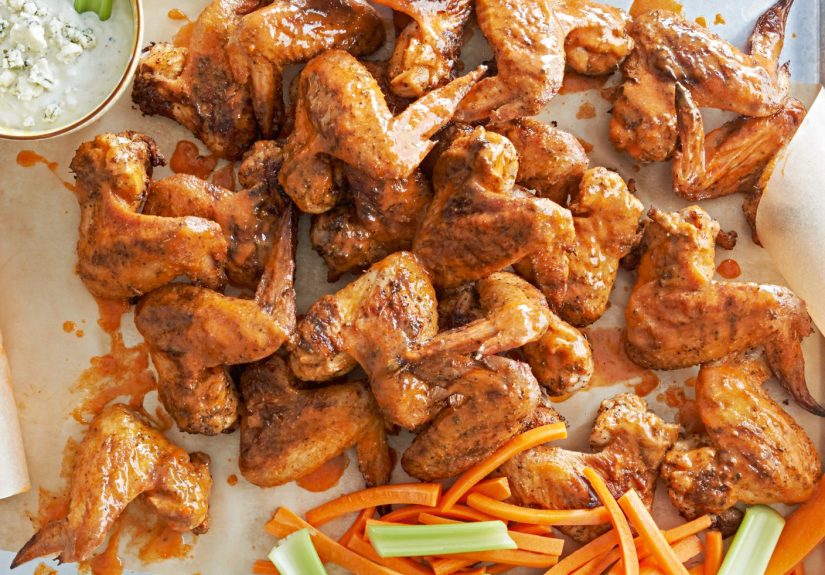
- Toss the hot wings lightly in sauce. Serve immediately with celery, carrots, ranch, or blue cheese.
This method gives you the crispy shell of a good bar wing with the seasoning control of a smart home cook. It is also flexible. Swap the sauce, change the rub, and make it yours.
Mistakes That Ruin Chicken Wings
- Not drying the wings: wet skin steams instead of crisps.
- Overcrowding the pan or basket: crowded wings trap moisture and cook unevenly.
- Too much sauce: a pool of sauce is not the same thing as flavor.
- Skipping the rack: direct pan contact can make the bottoms soft.
- Using too much baking powder: crispness is great; weird flavor is not.
- Serving late: wings wait for nobody. Crispness fades fast.
How to Serve Wings Like You Mean It
Serve wings right after tossing. Put the dip on the side, not directly on the wings, unless your goal is to recreate a swamp. Keep the vegetables cold, the napkins plentiful, and the sauce options varied. A platter with one spicy, one buttery, and one dry-rub version makes you look like the kind of host people text on Sundays.
If you are serving a crowd, crisp the wings first and hold them in a warm oven. Sauce each batch just before it hits the table. That way, every tray arrives hot and crunchy instead of lukewarm and damp. It is a small move with a big payoff.
From the Wing Trenches
Anyone who has chased the perfect chicken wing has probably lived through the same dramatic little arc. First comes confidence. You buy the wings, grab the hot sauce, maybe even set out the ranch with the swagger of someone who absolutely has this under control. Then comes the first batch. They look good in the oven. They smell incredible. You bite in, expecting restaurant-level glory, and instead you get skin with the texture of a raincoat. This is the humbling moment when wings teach you that flavor alone is not enough. Texture is the whole party.
The breakthrough usually happens after a few small changes that seem almost too boring to matter. Dry the wings better. Give them space. Use a rack. Stop drowning them in sauce like you are trying to hide evidence. Suddenly the result changes. The skin crackles. The meat stays juicy. The sauce clings instead of pooling in the bottom of the bowl. It is the kind of kitchen win that makes you walk back to the tray “just to check one more,” and then somehow five wings are gone and nobody saw a thing.
There is also something weirdly satisfying about realizing that the best wings are not necessarily the most complicated ones. You do not need a twelve-spice rub mixed under moonlight or a fryer setup that looks like a commercial kitchen. What you need is patience in a few key places. Let the wings dry. Let the heat do its work. Let the crispness develop before the sauce steps in. Home cooking loves drama, but wings reward restraint.
The most memorable wing nights are rarely the fancy ones. They happen during football games, movie marathons, or random Friday evenings when somebody says, “Should we make wings?” and suddenly the whole house starts smelling like garlic, pepper, and ambition. People gather near the kitchen pretending not to hover. Someone asks if they can “taste one for quality control,” which is a bold phrase for “I want the crispiest one before the platter goes out.” Then the wings hit the table and everything gets gloriously quiet except for crunching, approving nods, and the occasional request for more napkins.
What makes homemade wings better than sports bar wings, in the end, is not just crispier skin or fresher sauce. It is the feeling of customization and timing. You can make them spicier, smokier, saltier, more buttery, more lemony, more garlicky. You can toss half the batch in Buffalo, leave half dry-rubbed, and create a tiny wing democracy. You can serve them the second they are ready, when the skin is at its peak and the aroma still feels like a victory lap.
And once you nail your method, something funny happens: bar wings stop being the standard. They become the backup plan. You order them when you are out because they are convenient, not because they are better. At home, you know the trick now. You know that great wings are built on dry skin, hot air, smart seasoning, and good timing. That knowledge changes a person. At the very least, it turns them into the kind of person who quietly judges soggy wings from across the room. Fairly, of course. But still.
Conclusion
If you want chicken wings better than your local sports bar, do not chase gimmicks. Master the fundamentals: dry the wings thoroughly, cook them with enough airflow, season them well, and sauce them with restraint. Whether you bake, air-fry, or deep-fry, the goal is the samecrisp skin, juicy meat, and flavor in every bite. Once you learn that formula, the rest is just choosing your favorite sauce and pretending you meant to make enough for leftovers.