Table of Contents >> Show >> Hide
- Why Lentils Deserve a Permanent Spot in Your Pantry
- The Golden Rules for Cooking Lentils Perfectly
- Basic Stovetop Lentil Recipe
- How to Cook Brown Lentils
- How to Cook Green Lentils
- How to Cook French Green Lentils
- How to Cook Black Beluga Lentils
- How to Cook Red Lentils
- How to Cook Yellow Lentils
- How Much Water Do You Need for Lentils?
- Should You Salt Lentils Before or After Cooking?
- How to Add Flavor Without Overcomplicating Dinner
- How to Cook Lentils in an Instant Pot
- How to Store Cooked Lentils
- Common Lentil Cooking Mistakes
- Quick Lentil Texture Guide
- My Real-Life Lentil Cooking Experience: What Actually Works
- Conclusion: Tender Lentils Are All About Choosing the Right Type
Lentils are the pantry hero that never asks for applause but somehow saves dinner at 6:17 p.m. on a Tuesday. They are inexpensive, full of plant-based protein and fiber, quick to cook, and flexible enough to become soup, salad, curry, veggie burgers, taco filling, grain bowl toppings, or a cozy side dish that tastes like you planned your life better than you actually did.
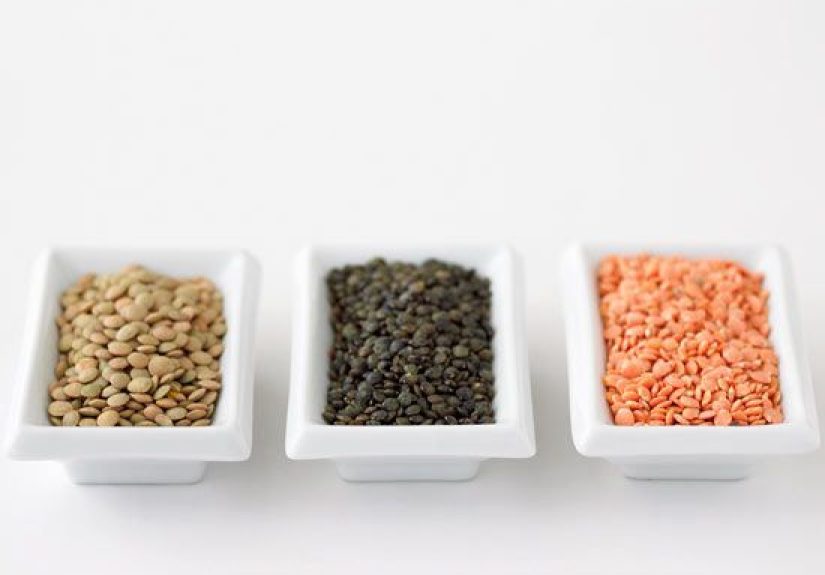
But here is the catch: not all lentils cook the same way. Red lentils melt into creamy comfort. French green lentils stay firm and elegant. Brown lentils are the reliable middle child. Black beluga lentils hold their shape like tiny edible pearls. Cook them all the same way, and you may end up with either crunchy pebbles or lentil pudding. Delicious? Sometimes. Intended? Not always.
This guide explains how to cook lentils of every type for the exact tender texture you wantsoft, creamy, firm, brothy, or salad-ready. No drama. No overnight soaking. No mysterious kitchen sorcery. Just a pot, water, lentils, and a little common sense wearing an apron.
Why Lentils Deserve a Permanent Spot in Your Pantry
Lentils are small edible legumes, often called pulses, and they cook much faster than dried beans because they are thinner and do not usually need soaking. They are naturally rich in fiber, plant protein, complex carbohydrates, folate, potassium, iron, and other nutrients that make them a smart choice for everyday meals.
They also absorb flavor beautifully. Add garlic, onion, bay leaf, cumin, thyme, curry powder, tomato paste, lemon juice, olive oil, or broth, and lentils respond like a polite dinner guest: “Wonderful, I’ll become whatever you need.”
The Golden Rules for Cooking Lentils Perfectly
1. Always Rinse and Sort First
Before cooking lentils, place them in a fine-mesh strainer and rinse under cool running water. Pick through them quickly to remove any tiny stones, shriveled pieces, or bits of debris. This step takes less than a minute, but it prevents the unpleasant experience of biting into something that is definitely not dinner.
2. Do Not Soak Unless You Want To
Unlike many dried beans, lentils do not require soaking. However, a short soak of 20 to 30 minutes can help some varieties cook a little more evenly, especially if the lentils have been sitting in the pantry for a long time. If you soak them, drain and rinse before cooking.
3. Use Enough Liquid
Lentils are often best cooked like pasta, especially when you want firm, separate grains for salads or bowls. Use plenty of water or broth, simmer until tender, then drain. For soups, stews, and dals, use less liquid and allow the lentils to become part of the dish.
4. Simmer Gently
A hard boil can split lentils and make them mushy on the outside before they are tender inside. Bring the liquid to a boil, then reduce the heat to a gentle simmer. A few lazy bubbles are perfect. A rolling boil is a lentil hot tub gone wrong.
5. Taste Early and Often
Cooking times vary depending on the age, type, and size of the lentils. Start checking a few minutes before the suggested time. A perfectly cooked lentil should be tender but not chalky. For salads, it should hold its shape. For soups, it can be softer. For dal, creamy is the goal.
Basic Stovetop Lentil Recipe
Ingredients
- 1 cup dried lentils, rinsed and sorted
- 3 to 4 cups water or broth
- 1 bay leaf, optional
- 1 garlic clove, optional
- 1/2 teaspoon salt, or to taste
- 1 tablespoon olive oil or butter, optional
Instructions
- Add rinsed lentils and liquid to a medium saucepan.
- Add aromatics such as bay leaf, garlic, onion, celery, carrot, or herbs if desired.
- Bring to a boil over medium-high heat.
- Reduce heat to low and simmer gently.
- Cook until the lentils reach your preferred texture.
- Drain excess liquid if cooking for salads or bowls.
- Season with salt, pepper, olive oil, lemon juice, vinegar, or fresh herbs.
How to Cook Brown Lentils
Brown lentils are the everyday workhorse. They are affordable, easy to find, earthy in flavor, and ideal for soups, stews, casseroles, veggie burgers, and simple side dishes.
Best Texture
Brown lentils can be cooked until tender but still intact, or simmered longer until soft and slightly creamy. They are forgiving, which is excellent news for distracted cooks and anyone who has ever walked away “for one second” and returned seven minutes later.
Cooking Time
Simmer brown lentils for about 20 to 30 minutes. Check at 18 minutes if you want them firm for salads. Cook closer to 30 minutes for soups or mashable fillings.
Best Uses
- Lentil soup
- Vegetarian sloppy joes
- Lentil tacos
- Shepherd’s pie filling
- Warm grain bowls
How to Cook Green Lentils
Green lentils are slightly peppery and nutty, with a firmer texture than brown lentils. They hold their shape well, making them excellent for salads, side dishes, and meal prep.
Best Texture
Cook green lentils until tender but still firm. They should not collapse when stirred. If they look like they are surrendering to the spoon, they have gone too far for salad but are still perfectly good for soup.
Cooking Time
Simmer green lentils for about 25 to 35 minutes. Older lentils may take longer.
Best Uses
- Lentil salad with vinaigrette
- Bowls with roasted vegetables
- Warm lentils with mustard and herbs
- Side dishes for salmon, chicken, or mushrooms
- Meal prep lunches
How to Cook French Green Lentils
French green lentils, often called Lentilles du Puy when grown in the Puy region of France, are small, dark, speckled lentils with a pleasantly firm bite. They are the fancy dinner-party lentil, but do not let that intimidate you. They still cook in a pot like everyone else.
Best Texture
French green lentils are best cooked al dente. They should be tender in the center but hold their shape beautifully. This makes them perfect for dishes where texture matters.
Cooking Time
Simmer French green lentils for about 20 to 30 minutes. Start checking around 18 minutes for a firmer bite.
Best Uses
- French lentil salad
- Warm lentils with goat cheese
- Lentils with roasted carrots
- Side dishes with herbs and Dijon mustard
- Meal prep bowls that need structure
How to Cook Black Beluga Lentils
Black beluga lentils are small, shiny, and named because they resemble beluga caviar. Thankfully, they are much cheaper and do not require you to whisper while eating them. They have a deep earthy flavor and hold their shape very well.
Best Texture
Cook black lentils until tender but firm. They are excellent when you want a dramatic look and a satisfying bite.
Cooking Time
Simmer black lentils for about 20 to 25 minutes. Drain and season while warm so they absorb flavor.
Best Uses
- Elegant lentil salads
- Grain bowls
- Side dishes with roasted vegetables
- Crispy lentil toppings
- Meal prep dishes
How to Cook Red Lentils
Red lentils are usually sold split, which means their skins have been removed and the lentils have been divided. This makes them cook quickly and break down into a creamy texture. If you want distinct lentils for a salad, red lentils are not your best choice. If you want soup, dal, curry, or silky stew, they are magnificent.
Best Texture
Red lentils are best soft, creamy, and slightly collapsed. They naturally thicken whatever they cook in, which makes them a fantastic shortcut for comforting dishes.
Cooking Time
Simmer red lentils for about 10 to 20 minutes. For a looser texture, stop around 10 to 12 minutes. For creamy dal or soup, cook closer to 15 to 20 minutes.
Best Uses
- Red lentil soup
- Indian-style dal
- Curries
- Purees and dips
- Thickening vegetable stews
How to Cook Yellow Lentils
Yellow lentils are also commonly sold split and are often used in Indian, Middle Eastern, and Mediterranean-inspired dishes. They cook quickly and become soft, smooth, and comforting.
Best Texture
Yellow lentils are usually cooked until tender and creamy. They can be left slightly textured or cooked down until smooth, depending on the dish.
Cooking Time
Simmer yellow lentils for about 12 to 20 minutes. Split yellow lentils cook faster than whole varieties.
Best Uses
- Dal
- Lentil porridge
- Golden lentil soup
- Spiced stews
- Soft lentil side dishes
How Much Water Do You Need for Lentils?
For firm lentils, use a generous amount of water: about 3 to 4 cups liquid for every 1 cup dried lentils. Drain after cooking. This method gives you control and prevents the lentils from absorbing too little liquid.
For soups and stews, use the amount of liquid called for in the recipe. Red and yellow lentils absorb liquid and thicken the pot, so keep extra broth nearby. If your soup becomes too thick, simply add more liquid and pretend that was the plan all along.
Should You Salt Lentils Before or After Cooking?
Many cooks prefer salting near the end of cooking, especially when trying to keep lentils firm. Others add salt earlier for better flavor. The safest method is to simmer lentils with aromatics first, then season once they are nearly tender. Acidic ingredients such as lemon juice, vinegar, and tomatoes are best added after the lentils soften because acid can slow softening.
How to Add Flavor Without Overcomplicating Dinner
Lentils are humble, but they do not have to taste plain. Try simmering them with bay leaf, garlic, onion, celery, carrot, thyme, rosemary, cumin, coriander, turmeric, smoked paprika, or chili flakes. For a richer finish, stir in olive oil, butter, ghee, coconut milk, tahini, yogurt, or a splash of good vinegar.
For bright flavor, add lemon juice, parsley, cilantro, mint, dill, or scallions just before serving. Fresh herbs wake up lentils the way coffee wakes up Monday morning.
How to Cook Lentils in an Instant Pot
The Instant Pot is useful when you want hands-off cooking, but it can make delicate lentils too soft if you use the wrong timing. For firmer lentils, use less pressure time and allow a natural release for a few minutes before venting.
- Red or yellow lentils: 1 to 3 minutes on high pressure
- Brown lentils: 8 to 10 minutes on high pressure
- Green lentils: 8 to 10 minutes on high pressure
- Black lentils: 6 to 8 minutes on high pressure
- French green lentils: 6 to 8 minutes on high pressure
Use about 2 to 2 1/2 cups liquid for every 1 cup lentils, depending on how soft you want them. For soups, follow the recipe’s broth amount.
How to Store Cooked Lentils
Cooked lentils keep well in the refrigerator for about 4 to 5 days in an airtight container. Let them cool before storing. For longer storage, freeze lentils in flat freezer bags or portioned containers for up to 3 months.
For meal prep, slightly undercook green, brown, French green, or black lentils so they stay firm after reheating. Red and yellow lentils freeze best in soups, dals, and stews because their soft texture remains pleasant.
Common Lentil Cooking Mistakes
Overcooking Firm Lentils
If you need lentils for salad, do not wander too far from the stove. Check early. A few extra minutes can turn perfect lentils into a soft pile of regret.
Using Too Little Water
Lentils expand as they cook. If the pot dries out, they can cook unevenly or scorch. Use enough liquid and add more if needed.
Boiling Too Hard
A gentle simmer protects texture. Aggressive boiling breaks lentils apart, especially red and yellow varieties.
Adding Acid Too Soon
Tomatoes, vinegar, and lemon juice taste wonderful with lentils, but add them after the lentils are tender for the best texture.
Quick Lentil Texture Guide
| Lentil Type | Texture Goal | Approximate Time | Best For |
|---|---|---|---|
| Brown Lentils | Tender, slightly firm or soft | 20–30 minutes | Soups, stews, tacos, veggie burgers |
| Green Lentils | Firm and intact | 25–35 minutes | Salads, bowls, sides |
| French Green Lentils | Al dente and structured | 20–30 minutes | Elegant salads, meal prep, sides |
| Black Beluga Lentils | Tender but firm | 20–25 minutes | Salads, bowls, crispy toppings |
| Red Lentils | Soft and creamy | 10–20 minutes | Dal, soup, curry, purees |
| Yellow Lentils | Soft and smooth | 12–20 minutes | Dal, stews, golden soups |
My Real-Life Lentil Cooking Experience: What Actually Works
After cooking many batches of lentils, the biggest lesson is simple: texture is everything. The same lentil can feel completely different depending on whether it is cooked for 18 minutes or 28 minutes. That tiny window can decide whether dinner becomes a bright, bouncy salad or a cozy, spoonable stew. Neither is wrong, but they are not interchangeable.
For everyday cooking, brown lentils are the easiest place to start. They are inexpensive, available in most grocery stores, and adaptable. When I want a weeknight meal with very little effort, I simmer brown lentils with onion, garlic, carrot, bay leaf, and broth. After about 25 minutes, they become tender enough for soup but still hearty. Add a splash of vinegar or lemon juice at the end, and suddenly the pot tastes brighter, deeper, and less like “I found this bag in the back of the pantry.”
For salads, French green lentils and black lentils are worth the extra attention. The trick is to treat them like pasta. Use plenty of water, simmer gently, and taste often. When they are tender but still firm, drain them and toss them while warm with olive oil, vinegar, mustard, salt, pepper, and chopped herbs. Warm lentils absorb dressing better than cold ones, which means every bite tastes seasoned instead of just wearing dressing on the outside like a tiny lentil raincoat.
Red lentils are the comfort-food champion. They are what I reach for when I want something creamy without adding cream. Simmer them with turmeric, cumin, garlic, ginger, and broth, and they soften into a golden, velvety base. If the pot gets too thick, more broth fixes it. If it tastes flat, lemon juice wakes it up. If you add coconut milk, congratulationsyou have entered the “I may never order takeout again” zone.
One practical tip: never cook all lentils blindly by the package directions. Packages offer a helpful estimate, but lentils age. Older lentils may need more time and liquid. Fresher lentils may cook faster than expected. The spoon is your best tool. Taste, adjust, and trust your mouth more than the clock.
Another experience-based trick is to season in layers. Aromatics go in early. Salt goes in when the lentils are close to tender. Acid goes in at the end. Fresh herbs also go in at the end. This creates lentils that taste complete, not muddy. Lentils are earthy by nature, so brightness matters. Lemon, vinegar, yogurt, salsa verde, pickled onions, or a sharp vinaigrette can turn a simple bowl into something you would happily eat twice in one week.
Finally, make extra. Cooked lentils are a gift to your future self. Add them to scrambled eggs, roasted vegetables, wraps, rice bowls, pasta sauce, salads, or soups. A container of cooked lentils in the fridge is not just leftovers; it is a quiet insurance policy against sad lunches.
Conclusion: Tender Lentils Are All About Choosing the Right Type
Learning how to cook lentils is less about memorizing one perfect recipe and more about matching the lentil type to the texture you want. Brown lentils are hearty and flexible. Green and French green lentils are firm and salad-friendly. Black lentils are dramatic, sturdy, and excellent for meal prep. Red and yellow lentils melt into creamy comfort for soups, dals, and curries.
Rinse them, simmer gently, taste early, and season thoughtfully. That is the whole secret. Once you understand the difference between tender, firm, and creamy lentils, you can turn a humble pantry staple into meals that are nutritious, affordable, and genuinely delicious. Not bad for something that looks like tiny pebbles before it becomes dinner.