Table of Contents >> Show >> Hide
- 1) Pick the Right Ribs (Because Not All Racks Behave the Same)
- 2) The Prep That Makes Ribs Look Like You Know What You’re Doing
- 3) Flavor Architecture: Rubs, Binders, and a Simple Upgrade That Works
- 4) Tender Ribs Aren’t MagicThey’re Collagen + Time + The Right Endpoint
- 5) Three Reliable Ways to Cook Ribs That Look Amazing
- 6) Sauce Strategy: The Fastest Way to Ruin Ribs (and How to Avoid It)
- 7) Troubleshooting: Fix the Usual Rib Problems
- 8) Food Safety and Smart Leftovers
- 9) Serving and Presentation: Make Them Look as Good as They Taste
- Conclusion: Your “Delicious + Gorgeous” Rib Game Plan
- +: Real-World Rib Experiences (Lessons That Save Your Weekend)
- 1) The moment you stop staring at the clock, ribs get better
- 2) “Fall off the bone” is not the only definition of success
- 3) Wrapping is a texture dial, not a mandatory step
- 4) The best-looking ribs usually get a simple, controlled finish
- 5) Your “rib personality” matterssweet, tangy, peppery, or smoky
- 6) The “rest” step is real, and it helps your slices look clean
- 7) The easiest confidence boost: cook one method until it’s automatic
Pork ribs have one job: show up looking like they belong on a billboard and tasting like you’re about to cancel your plans for the rest of the day. The good news? You don’t need a fancy smoker, a secret handshake, or a “rib guy.” You need a smart setup, the right temperature strategy, and a sauce plan that won’t burn faster than your patience.
This guide breaks down the three most reliable paths to gorgeous ribsoven, grill, and smokerplus the exact prep moves that separate “pretty good” from “why is everyone suddenly my best friend?”
1) Pick the Right Ribs (Because Not All Racks Behave the Same)
Before you cook, choose your ribs like you’re hiring them for a job.
Baby Back Ribs
- Look: Curvier, shorter bones, usually leaner.
- Taste: Mild pork flavor, tender when cooked right.
- Cook time: Often faster than bigger, meatier racks.
Spare Ribs (and St. Louis–Style)
- Look: Larger, flatter racks with more fat and connective tissue.
- Taste: Deeper pork flavor; can be juicier because of the fat.
- Cook time: Usually longer, but they reward patience.
If you want “wow” presentation for guests, St. Louis–style ribs are a great choice because the rack is neatly trimmed into a more uniform rectangle. Uniform thickness cooks more evenly, which means fewer dry edges and fewer “why is this end done and that end still arguing with the laws of physics?” moments.
2) The Prep That Makes Ribs Look Like You Know What You’re Doing
Don’t rinse your ribs
Rinsing raw meat doesn’t make it saferit can splash bacteria around your sink and counters. Instead, pat the ribs dry with paper towels. Dry surface = better browning and better bark.
Remove the membrane (your chewiness insurance policy)
On the bone-side of most racks there’s a thin, slippery membrane. If you leave it on, it can turn tough and block seasoning.
- Slide a butter knife under the membrane over a bone near one end.
- Lift until you get a flap.
- Grab that flap with a paper towel (better grip) and peel it off.
Trim for symmetry (optional, but it helps)
Snip off dangling bits that will burn. If you have a super-thin end, tuck it under when cooking or plan to “chef’s snack” it early. (This is not stealing. This is quality control.)
3) Flavor Architecture: Rubs, Binders, and a Simple Upgrade That Works
The rub formula (balanced, not chaotic)
Great rib rubs usually include salt (flavor), sugar (color + caramel notes), and aromatics/spices (personality). Use more paprika/chili for color, more black pepper for bite, and a little cayenne if you want a gentle “hello” from heat.
Example: “Billboard Bark” Dry Rub (enough for 2 racks)
- 2 tbsp kosher salt
- 2 tbsp brown sugar
- 1 tbsp smoked paprika (or regular paprika)
- 2 tsp garlic powder
- 2 tsp onion powder
- 2 tsp black pepper
- 1 tsp chili powder
- 1/2 tsp cayenne (optional)
Do you need a binder?
Not strictlybut a thin smear of yellow mustard can help rub stick and disappears into the cook. Think of it like primer before paint: nobody compliments primer, but everyone compliments the finish.
Bonus move: dry-brine for better flavor
If you have time, season the ribs and refrigerate them uncovered for 2–12 hours. This helps the salt penetrate and dries the surface a bit, which can improve browning. If you’re short on time, even 30–60 minutes helps.
4) Tender Ribs Aren’t MagicThey’re Collagen + Time + The Right Endpoint
Here’s the truth: ribs can be safe at a lower temperature, but they won’t be tender until the connective tissue breaks down.
- Safety baseline: Fresh pork is considered safe at 145°F with a rest period.
- Rib tenderness zone: Many cooks aim much higher (often around 180–203°F) so collagen melts into that juicy, silky texture.
So don’t panic if your thermometer says 165°F and the ribs still feel tight. That’s just the “not yet” stage. Your goal is tenderness tests, not just a number.
The best doneness tests (use at least two)
- Bend test: Lift the rack with tongs from the middle; it should bend easily and the surface may crack slightly.
- Toothpick/probe test: A toothpick should slide in with little resistance between bones.
- Bone peek: The meat may pull back from bone ends a bit (helpful clue, not a guarantee).
5) Three Reliable Ways to Cook Ribs That Look Amazing
Method A: Oven Ribs (The “I Don’t Own a Smoker But I Own Confidence” Method)
Oven ribs can be shockingly good because the heat is steady and controlled. The secret is low and slow, then a high-heat finish for shine.
Step-by-step
- Heat the oven: 275–300°F.
- Season: Pat ribs dry. Optional binder. Apply rub generously on both sides.
- Wrap tight: Place ribs on foil (bone-side down). Wrap tightly to trap moisture.
- Bake:
- Baby backs: about 2 to 3 hours
- Spare/St. Louis: about 2.5 to 3.5 hours
Start checking early. You want them tender but not falling apart into pulled-pork confetti.
- Glaze: Unwrap carefully (steam is sneaky). Brush with sauce.
- Finish for looks: Broil 2–5 minutes (watch closely) or bake uncovered at 425°F for 8–12 minutes until glossy and lightly caramelized.
- Rest: 10 minutes before slicing for cleaner cuts and juicier bites.
How to make oven ribs look “restaurant legit”
- Apply sauce in thin layers (2–3 coats) during the final high-heat step.
- After slicing, brush the cut edges with a little warm sauce for that fresh-glazed shine.
- Finish with a tiny pinch of rub on top right before serving (color + aroma).
Method B: Grill Ribs (Indirect Heat = Your Best Friend)
On a grill, the winning setup is two-zone cooking: one hot side, one cool side. Ribs live on the cool side so they roast gently in a smoky environment.
Step-by-step (gas or charcoal)
- Set up two zones: Heat one side; leave the other side off (gas) or pile coals on one side (charcoal).
- Target temp: Keep the closed grill around 250–300°F.
- Add smoke (optional but delicious): Add wood chunks/chips to the hot side.
- Cook indirect: Place ribs on the cooler side, bone-side facing the heat source. Close lid.
- Spritz (optional): Every 45–60 minutes, lightly mist with apple juice or diluted cider vinegar if the surface looks dry.
- Wrap for tenderness (optional): Halfway through, wrap in foil with a splash of juice for a softer, more tender rib. If you love a firmer bite, skip the wrap.
- Sauce at the end: Brush sauce only in the final 10–20 minutes to avoid burning sugars.
- Rest and slice: 10 minutes. Use a sharp knife between bones for clean, photo-ready portions.
Pro look upgrade on the grill
For that sticky, lacquered finish, glaze ribs over indirect heat first, then move briefly over direct heat for quick caramelizationseconds, not minutes. This is the part where you do not walk away to “just grab a plate.” The grill does not respect your multitasking dreams.
Method C: Smoked Ribs (The Classic Low-and-Slow Flex)
Smoking is where ribs earn their deepest flavor and that pink-ish smoke ring everyone loves to photograph. A popular schedule is the 3-2-1 methodbut it works best when you treat it as a guideline, not a law of nature.
The 3-2-1 template (great for spare/St. Louis ribs)
- 3 hours unwrapped: Build bark and smoke flavor at about 225–250°F.
- 2 hours wrapped: Wrap in foil (often with a splash of liquid) to speed tenderizing.
- 1 hour unwrapped: Set the glaze, tighten the bark, and finish the look.
Adjustments that prevent “mushy” baby backs
- Baby backs often do better with a shorter wrap (many cooks shift toward something like 2-2-1).
- If you prefer a clean bite (not fall-apart), reduce the wrapped stage or skip it entirely and cook unwrapped longer.
Smoked rib finish options
- Sticky glaze: Sauce in thin layers during the final 30–45 minutes.
- Dry rib style: Skip sauce and finish with a dusting of rub + a vinegar mop for shine and tang.
6) Sauce Strategy: The Fastest Way to Ruin Ribs (and How to Avoid It)
Most barbecue sauces contain sugar. Sugar burns. Burnt sugar tastes like regret. That’s why many reliable methods sauce near the end, when tenderness is already achieved.
When to sauce
- Oven: After the wrapped bake, during broil/high-heat finish.
- Grill: Final 10–20 minutes, indirect first, then optional quick direct kiss.
- Smoker: Final 30–60 minutes, in thin layers so it sets instead of sliding off.
Layering for a glossy, “professional” sheen
- Warm the sauce (cold sauce doesn’t cling as well).
- Brush a thin layer, let it set.
- Repeat 1–2 times for depth and shine.
7) Troubleshooting: Fix the Usual Rib Problems
“My ribs are tough.”
- They likely need more time. Collagen hasn’t broken down yet.
- Cook at 250–300°F and keep going until the probe test feels easy.
“My ribs are dry.”
- Too hot, too long, or too little protection from airflow.
- Wrap partway through, or reduce heat and extend time gently.
- Rest before slicing; slice with a sharp knife to avoid shredding.
“My ribs are too soft / falling apart.”
- Overcooked (often too much wrapped time).
- Next time shorten the wrap, or cook unwrapped and rely on spritzing.
“My sauce burned.”
- Sauce later. Lower the finishing heat or shorten the broil time.
- Use thinner coats and watch like a hawk with a culinary degree.
8) Food Safety and Smart Leftovers
- Handle raw ribs like you mean it: wash hands, sanitize surfaces, don’t rinse the meat.
- Refrigerate leftovers within about 2 hours.
- For reheating: wrap in foil with a splash of liquid and warm at 275–300°F until heated through, then uncover and re-glaze briefly.
9) Serving and Presentation: Make Them Look as Good as They Taste
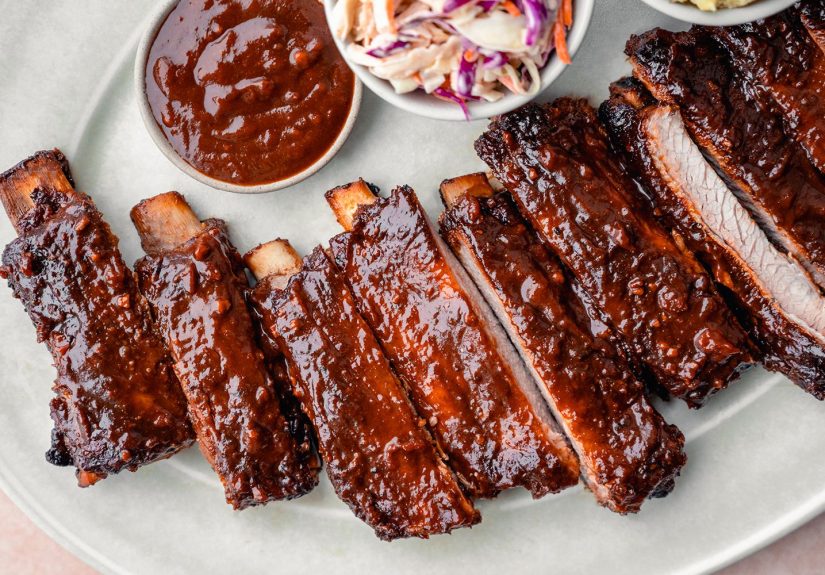
Delicious ribs are great. Delicious ribs that look delicious are how you end up hosting every cookout forever.
- Rest first: cleaner slices, juicier texture.
- Slice from the back: bone structure is easier to see, so you cut straight between bones.
- Clean platter strategy: wipe sauce smears, then place ribs down like they’re posing for a magazine cover.
- Contrast helps: add pickles, slaw, lemon wedges, or herbs for color pop.
Conclusion: Your “Delicious + Gorgeous” Rib Game Plan
If you remember only three things, make them these: (1) prep matters (membrane off, surface dry), (2) tenderness needs time (don’t quit at “safe,” finish at “wow”), and (3) sauce is a finishing move, not a starting point. Choose oven, grill, or smoker based on your setupthen cook with intention and finish with style.
+: Real-World Rib Experiences (Lessons That Save Your Weekend)
Ribs are one of those foods that teach you quicklysometimes gently, sometimes like a cartoon anvil. Here are rib-making lessons that show up again and again in backyard cookouts, family dinners, and “I invited people over and now I’m emotionally invested” situations.
1) The moment you stop staring at the clock, ribs get better
Time estimates are helpful, but ribs don’t read recipes. Two racks that weigh the same can cook differently based on thickness, fat, bone structure, and even how steady your heat is. Cooks who get consistently great results tend to check tenderness with the bend and probe tests instead of announcing, “It’s been exactly 2 hours, so reality must comply.”
2) “Fall off the bone” is not the only definition of success
A lot of people think perfect ribs mean the meat slides off instantly. That texture can be delicious, but it can also mean the rack is so tender it loses structure and turns messy on the cutting board. Many pitmasters and serious home cooks aim for “clean bite” ribstender, juicy, but still holding together. If you’ve ever tried to serve ribs that collapse into a pile before they reach the platter, you know why this matters.
3) Wrapping is a texture dial, not a mandatory step
Wrapping in foil partway through (often with a splash of liquid) can make ribs softer and speed up tenderizing. That’s amazing when you want a more tender, almost braised result. But if you love a firmer bite and a drier bark, wrapping too long can push ribs into “too soft” territory. The practical takeaway: wrap if you want softer ribs, shorten the wrap if you want a cleaner bite, and skip it entirely if bark is your love language.
4) The best-looking ribs usually get a simple, controlled finish
People who nail that glossy, deep mahogany look typically do two things: they keep the surface dry enough early on to brown well, and they finish with sauce in thin layers (or a light mop) so it sets instead of puddling. Thick sauce dumped on too early can look dark but taste scorched. Thin layers late look shiny, intentional, and just a little bit unfair to everyone else at the table.
5) Your “rib personality” matterssweet, tangy, peppery, or smoky
One of the most fun parts of ribs is choosing a lane. Sweet Kansas City–style vibes? Go heavier on brown sugar and use a thicker sauce at the end. Prefer tang? Use a vinegar-forward mop and keep sauce light. Love pepper? Boost black pepper and chili powder and finish with a dry dusting of rub. The best ribs aren’t the ones that follow the loudest opinion onlinethey’re the ones that match what you actually want to eat.
6) The “rest” step is real, and it helps your slices look clean
Resting ribs for about 10 minutes after cooking makes them easier to slice and helps juices redistribute. This is how you get those neat, photogenic bones with meat that looks moist instead of ragged. The difference between “messy but tasty” and “messy AND tasty AND pretty” is often just a short rest.
7) The easiest confidence boost: cook one method until it’s automatic
If you want reliable results fast, pick one method (oven, grill, or smoker) and repeat it a few times before experimenting. Once you know how ribs behave in your exact setup, you can start tweaking rub heat, wood types, wrap time, and sauce styles. Master the base recipe first, then remix it like a DJ.
Bottom line: ribs reward calm, steady heat, smart finishing, and a willingness to cook until tendernot until the timer says you’re allowed to be happy. Do that, and your ribs won’t just taste delicious. They’ll look like the “after” photo everyone secretly wants.