Table of Contents >> Show >> Hide
- What Is Cold Urticaria?
- How to Deal with Cold Urticaria: 7 Steps
- Step 1: Confirm the Diagnosis with a Healthcare Professional
- Step 2: Learn Your Personal Cold Triggers
- Step 3: Avoid Sudden Full-Body Cold Exposure
- Step 4: Dress Strategically, Not Just Warmly
- Step 5: Use Antihistamines the Right Way
- Step 6: Know When You Need Emergency Medication
- Step 7: Build Cold Urticaria into Daily Life Without Letting It Run the Show
- Symptoms That Should Not Be Ignored
- Common Mistakes People Make with Cold Urticaria
- Experience-Based Tips for Living with Cold Urticaria
- Conclusion
Cold urticaria sounds like something a weather app would invent after too much coffee: “Congratulations, your skin is allergic to winter.” But for people who live with it, the condition is very real. Cold urticaria is a type of physical hives triggered by cold air, cold water, cold objects, icy drinks, or even rapid temperature changes. In plain English, your skin meets cold, your immune system overreacts, and suddenly you are starring in an itchy, red, bumpy drama nobody asked for.
The good news? Cold urticaria can often be managed with smart prevention, a clear action plan, and the right medical guidance. The not-so-fun news? It should not be brushed off as “just sensitive skin.” Some people only get localized hives. Others may develop swelling, dizziness, trouble breathing, or a serious whole-body allergic reaction called anaphylaxis, especially after swimming or sudden full-body cold exposure.
This guide breaks down how to deal with cold urticaria in seven practical steps. Think of it as a survival manual for your skin: part science, part common sense, and part “please do not cannonball into cold water just to see what happens.”
What Is Cold Urticaria?
Cold urticaria is a form of chronic inducible urticaria, meaning hives are triggered by a specific physical stimulusin this case, cold. Symptoms usually appear within minutes after exposure and may include itchy welts, redness, burning, swelling, or angioedema, which is deeper swelling under the skin. The reaction may happen on exposed skin, such as the hands and face, or become more widespread if a large area of the body is chilled.
Common triggers include winter air, cold rain, air conditioning, holding frozen groceries, drinking icy beverages, eating ice cream, swimming in cold water, cold showers, and medical settings where cold fluids or low temperatures are involved. For some people, even touching a cold metal railing can be enough to invite the hive parade.
Cold urticaria can affect children and adults, but it is often reported in teens and young adults. In many cases, the exact cause is unknown. Sometimes it may follow an infection or be associated with another condition, but many people never discover a single clear reason. That can be frustrating, but management does not require solving every mystery. It starts with knowing your triggers and reducing risk.
How to Deal with Cold Urticaria: 7 Steps
Step 1: Confirm the Diagnosis with a Healthcare Professional
If you suspect cold urticaria, the first step is not to test your bravery with an ice bucket challenge. It is to talk with a healthcare professional, preferably an allergist, dermatologist, or primary care clinician familiar with hives.
Doctors often diagnose cold urticaria by reviewing your symptoms and using a cold stimulation test, sometimes called the ice cube test or cold contact test. During this test, a cold object is placed on the skin for a short period. After it is removed, the clinician watches for a raised hive or red, swollen reaction. This test should be done carefully because some people react strongly.
Diagnosis matters because not every itchy winter rash is cold urticaria. Dry skin, eczema, contact dermatitis, Raynaud’s phenomenon, medication reactions, and other types of hives can look similar at first glance. A correct diagnosis helps you avoid the wrong treatment plan and gives you a better idea of your personal risk level.
Tell your clinician exactly what happens, how long symptoms last, what triggers them, and whether you have ever felt faint, short of breath, nauseated, or swollen around the lips, tongue, throat, or eyes. Those details are not small talk. They help determine whether you need emergency medication, additional testing, or stricter avoidance strategies.
Step 2: Learn Your Personal Cold Triggers
Cold urticaria is not the same for everyone. One person may react only to swimming in cold water. Another may break out after holding a smoothie cup. Someone else may be fine outdoors but react to air conditioning in a grocery store. Your skin has its own dramatic script.
Start tracking patterns. Keep a simple symptom diary for two to four weeks. Note the temperature, activity, exposed body part, food or drink consumed, symptoms, timing, medication taken, and how long the reaction lasted. You do not need a leather-bound medical journal. A notes app works beautifully.
Helpful questions include:
- Do symptoms happen with cold air, cold water, or both?
- Do icy drinks or frozen foods trigger lip, tongue, or throat symptoms?
- Do reactions happen while cooling down after exercise?
- Does swimming cause widespread hives, dizziness, or weakness?
- Do symptoms appear as your skin warms back up?
This information helps you make practical choices. For example, if cold drinks cause mouth swelling, skipping iced beverages becomes more than a preferenceit becomes part of your safety plan. If cold water is your worst trigger, swimming requires serious caution and medical advice.
Step 3: Avoid Sudden Full-Body Cold Exposure
The most important cold urticaria safety rule is simple: avoid sudden, large-area cold exposure. Cold water immersion is one of the biggest concerns because it can chill much of the body quickly. That may trigger widespread hives, low blood pressure, fainting, breathing trouble, or anaphylaxis. Also, fainting in water adds an obvious danger: drowning.
Before swimming, boating, cold plunging, snorkeling, or jumping into a lake because your friends said “it’s refreshing,” talk with your doctor. If you are cleared to swim, never swim alone. Test the water cautiously with a small area of skin first, avoid cold water, and leave immediately if symptoms appear. For many people with cold urticaria, cold plunges and polar bear swims are not wellness trends; they are bad ideas wearing cute marketing hats.
Cold showers and ice baths should also be avoided unless a clinician specifically guides you otherwise. If you need to cool down after exercise, do it gradually. Use lukewarm water rather than cold water, and avoid standing directly in front of a blasting air conditioner while sweaty.
In medical or dental settings, mention your condition before procedures. Operating rooms, cold IV fluids, cold packs, and chilled environments may matter. A quick warning gives healthcare teams a chance to keep you warm and monitor reactions.
Step 4: Dress Strategically, Not Just Warmly
“Wear warm clothes” is good advice, but for cold urticaria, strategy matters. You are not just dressing for comfort; you are dressing to reduce skin exposure and temperature shock.
In cold weather, layer clothing so you can adjust gradually. Start with a soft base layer, add insulation, and finish with a wind-resistant outer layer. Gloves, scarves, warm socks, hats, and face coverings can protect commonly exposed areas. If your hands react easily, insulated gloves are helpful when handling frozen foods, ice packs, or cold drinks.
Pay special attention to transitions. Many reactions happen when people move quickly from warm indoor spaces into cold air or from hot exercise into chilly wind. Give your body time to adapt. Warm up your car before driving if possible. Cover exposed skin before stepping outside. Avoid lingering in refrigerated sections at grocery stores if you know they trigger symptoms. Yes, the frozen pizza aisle may be delicious, but it is not worth leaving with forearms that look like a topographic map.
For children with cold urticaria, schools, sports coaches, and caregivers should understand the condition. A child may need permission to stay indoors during extreme cold, avoid cold-water activities, or carry prescribed medication. The goal is not to wrap anyone in bubble wrap. The goal is smart, normal life with fewer itchy surprises.
Step 5: Use Antihistamines the Right Way
Antihistamines are often the first medication used for cold urticaria. They work by blocking histamine, one of the chemicals involved in hives and itching. Many clinicians prefer second-generation, non-drowsy antihistamines such as cetirizine, loratadine, fexofenadine, or similar options because they are less likely to cause sleepiness than older antihistamines.
Some people use antihistamines daily during high-risk seasons. Others take them before planned cold exposure. The best schedule depends on your symptoms and should be discussed with your healthcare provider. Do not assume that “more is better” unless your clinician gives specific instructions. In some chronic urticaria cases, doctors may recommend higher-than-standard doses of certain non-sedating antihistamines, but that should be medically supervised.
Avoid relying only on topical anti-itch creams for cold urticaria. They may soothe mild skin discomfort, but they do not reliably prevent systemic reactions. Also, be careful with sedating antihistamines before driving, swimming, working, or caring for children. A medicine that makes you drowsy can create a different safety problem.
If symptoms continue despite antihistamines, your doctor may discuss other treatments. Omalizumab, an injectable medication used for certain forms of chronic hives, has shown benefit in some people with cold urticaria that does not respond well to antihistamines. This is not a do-it-yourself option. It requires a clinician’s evaluation and prescription.
Step 6: Know When You Need Emergency Medication
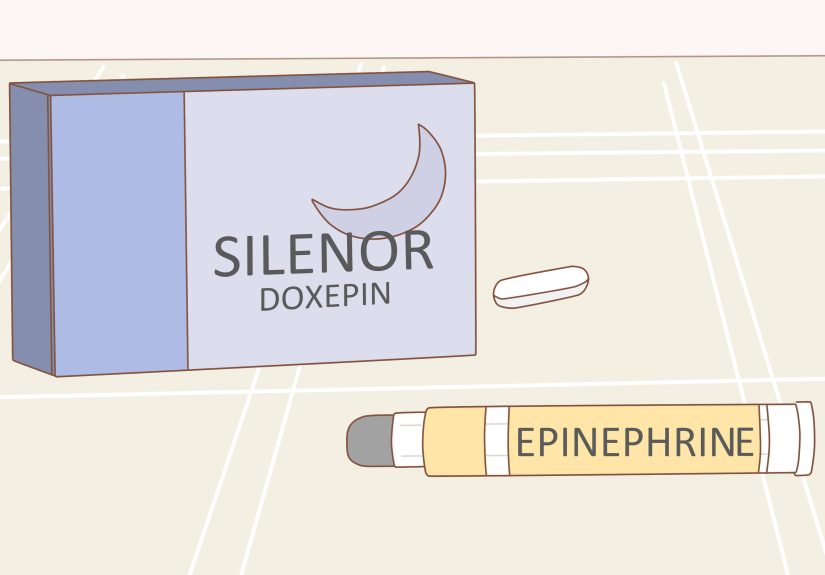
Cold urticaria can be mild, but it can also become serious. If you have had systemic symptomssuch as fainting, dizziness, wheezing, throat tightness, tongue swelling, widespread hives, vomiting, or a sudden weak feelingask your clinician whether you should carry an epinephrine auto-injector.
Epinephrine is used for anaphylaxis, a potentially life-threatening allergic reaction. People at higher risk may be instructed to carry it at all times, especially during travel, outdoor activities, or situations where cold exposure is possible. If prescribed, learn how to use it before you need it. The middle of an emergency is a terrible time to read instructions in tiny print while your hands shake.
Call emergency services right away if cold exposure causes trouble breathing, throat or tongue swelling, fainting, confusion, chest tightness, or symptoms involving multiple body systems. Do not wait to “see if it passes.” Anaphylaxis can progress quickly.
Make an action plan and share it with family, friends, coworkers, coaches, and travel companions. Include your triggers, medications, emergency steps, and doctor’s contact information. If you swim or exercise outdoors, make sure someone nearby knows what cold urticaria is and what to do. A little preparation can turn panic into action.
Step 7: Build Cold Urticaria into Daily Life Without Letting It Run the Show
Managing cold urticaria is not just about avoiding winter. It is about building habits that let you live fully while respecting your body’s limits.
At home, keep warm blankets, gloves, and a thermometer handy. Use lukewarm water for bathing. Avoid ice packs directly on the skin unless your doctor approves and you use protection. When cooking, handle frozen foods with gloves or utensils. Choose room-temperature drinks if icy beverages trigger symptoms.
At work, think about your environment. Air-conditioned offices, walk-in coolers, refrigerated warehouses, outdoor job sites, and food service roles may require adjustments. You might need layered clothing, gloves, modified tasks, or a conversation with a supervisor. You do not have to announce your medical history to everyone, but key people should know enough to help if needed.
For travel, plan ahead. Check weather conditions, pack warm layers, carry medication in your personal bag, and avoid placing antihistamines or epinephrine in checked luggage. If flying, remember that airports and planes can be chilly. If visiting a cold destination, do not wait until your teeth are chattering to discover your scarf is still at home living its best life in a closet.
Symptoms That Should Not Be Ignored
Mild cold urticaria symptoms may include itchy welts, redness, burning, or swelling limited to the exposed area. These symptoms often improve after warming up and taking recommended medication. Still, you should tell your clinician if symptoms are new, worsening, spreading, or interfering with daily activities.
Seek urgent help for symptoms such as trouble breathing, wheezing, throat tightness, swelling of the lips or tongue, dizziness, fainting, confusion, rapid heartbeat, severe abdominal symptoms, or widespread hives after cold exposure. These may signal a systemic reaction.
Also contact a healthcare professional if cold urticaria begins suddenly after an infection, if it appears with fever or joint pain, or if you have unusual bruising, persistent swelling, or symptoms that do not match typical hives. Most cases are manageable, but unusual patterns deserve medical attention.
Common Mistakes People Make with Cold Urticaria
Mistake 1: Treating It Like Ordinary Dry Winter Skin
Dry skin can itch, but cold urticaria produces raised hives or swelling after cold exposure. Moisturizer may help dry skin, but it will not prevent a true cold-triggered hive reaction.
Mistake 2: Testing Triggers Too Aggressively
Some people repeatedly expose themselves to cold to “check” whether they still react. This can be risky, especially with cold water or large skin areas. Testing should be done cautiously and ideally under medical guidance.
Mistake 3: Swimming Alone
Swimming alone is risky for anyone, but it is especially concerning for people with cold urticaria. A sudden systemic reaction in water can become dangerous very quickly.
Mistake 4: Forgetting About Food and Drinks
Cold urticaria is not only about weather. Icy drinks, frozen desserts, and cold foods may cause lip, tongue, throat, or stomach symptoms in some people. If this happens, bring it up with your doctor.
Mistake 5: Leaving Medication at Home
If your doctor recommends antihistamines or prescribes epinephrine, keep them accessible. Medication in a bathroom cabinet is not very useful when you are hiking, traveling, or standing outside in freezing rain questioning your life choices.
Experience-Based Tips for Living with Cold Urticaria
Living with cold urticaria often teaches people to become part weather forecaster, part detective, and part wardrobe strategist. The experience can feel annoying at first because cold is everywhere. It is in winter air, grocery freezers, drinks, swimming pools, office vents, and that one restaurant booth located directly under an air conditioner powerful enough to chill soup.
A useful mindset is to stop thinking of cold urticaria as a random enemy and start treating it as a condition with patterns. Many people find that once they identify their strongest triggers, daily life becomes much easier. For example, someone who reacts badly to cold water may still tolerate cool air if bundled properly. Someone who reacts to icy drinks may be fine outdoors with gloves and a scarf. The goal is not to fear every breeze. The goal is to know which breezes are rude.
One practical experience tip is to create a “cold kit.” This can include a warm hat, gloves, scarf, backup antihistamine if recommended, moisturizer for general skin comfort, and prescribed emergency medication if applicable. Keep one kit near the door and another in your bag or car. This habit reduces the chance of getting caught unprepared when weather changes or indoor air conditioning turns dramatic.
Another helpful strategy is planning transitions. Many flare-ups happen when the body goes from warm to cold too quickly. Before stepping outside, put on protective clothing indoors. After coming in from the cold, warm up gradually rather than blasting hot water on chilled skin. Extreme temperature swings can irritate sensitive skin, even when heat itself is not the trigger.
Social situations can be tricky. Friends may not understand why you avoid cold drinks, winter sports, or lake swimming. A simple explanation works better than a medical lecture: “I get hives and can have a serious reaction from cold exposure, so I have to be careful.” Most people respect clear boundaries. If they do not, congratulationsyou have identified a social allergen.
Eating out also becomes easier with small adjustments. Ask for drinks without ice. Be cautious with frozen desserts if they trigger mouth or throat symptoms. Sit away from direct air-conditioning vents when possible. Carry a light layer even in warm climates because restaurants, airplanes, and movie theaters sometimes believe “comfortable temperature” means “penguin habitat.”
Parents managing cold urticaria in children may need to communicate with schools, babysitters, coaches, and relatives. Children should know what symptoms feel like and when to ask for help. They should not be shamed for sitting out cold-water activities. Safety is not overreacting; it is smart parenting with fewer emergency surprises.
Emotionally, cold urticaria can be frustrating because it changes ordinary choices. But many people adapt well once they have a plan. The condition becomes less scary when you understand your triggers, take prevention seriously, and know what to do during a reaction. With the right approach, cold urticaria may still be inconvenient, but it does not have to run your calendar, your vacations, or your snack choicesunless your snack is a triple-scoop ice cream cone in January, in which case your skin may request a formal meeting.
Conclusion
Cold urticaria is more than a quirky reaction to chilly weather. It is a real medical condition that can cause hives, swelling, itching, and in some cases serious allergic reactions. The best way to deal with cold urticaria is to confirm the diagnosis, learn your triggers, avoid sudden full-body cold exposure, dress strategically, use antihistamines appropriately, prepare for emergencies, and build smart habits into daily life.
You do not need to live in fear of every refrigerator door or snowflake. But you do need a plan. With medical guidance, practical prevention, and a little humor, you can manage cold urticaria safelyand maybe even make peace with winter, as long as winter respects your personal boundaries.
Important note: This article is for educational purposes only and does not replace professional medical advice. If you suspect cold urticaria, have severe symptoms, or have ever experienced dizziness, breathing trouble, fainting, or swelling after cold exposure, contact a qualified healthcare professional promptly.