Table of Contents >> Show >> Hide
- Why a Pocket Napkin Fold Works So Well
- Before You Start: Tips for Better Napkin Folding
- Method 1: The Classic Flatware Pocket Fold
- Method 2: The Diagonal Pocket Fold
- Method 3: The Layered Pocket Fold
- How to Choose the Best Pocket Fold for Your Table
- Common Mistakes to Avoid
- Creative Ways to Use a Pocket Napkin Fold
- Final Thoughts
- Real-Life Experience and Practical Hosting Notes
If your table setting feels a little too “plate, fork, done,” a pocket napkin fold is the easiest way to make it look like you absolutely have your life together. Even if your dining room is five minutes away from becoming a homework station, a pocket-folded napkin can make dinner look polished, intentional, and just fancy enough to impress guests without making anyone nervous about touching the silverware.
The beauty of a napkin pocket fold is simple: it turns an ordinary napkin into both decor and function. You get a tidy place to tuck flatware, a menu card, a sprig of rosemary, or a name tag, and your table instantly looks more styled. Better yet, you do not need expert-level folding skills or the patience of an origami grandmaster. With a square napkin, a flat surface, and a few crisp creases, you can create a pocket fold that looks elegant and actually stays put.
In this guide, you will learn how to fold a napkin with a pocket in three easy and stylish ways: the classic flatware pocket, the diagonal pocket, and the layered pocket fold. Each style works for different occasions, from casual brunches to holiday dinners, and all of them are beginner-friendly. So grab a napkin and let’s make your table look like it belongs in a magazine, or at least like the host remembered to try.
Why a Pocket Napkin Fold Works So Well
A pocket napkin fold does more than sit there looking pretty. It helps organize each place setting, especially when you want a cleaner table or a more polished presentation. Instead of laying utensils around the plate and hoping the arrangement looks intentional, the napkin becomes part of the design.
This style is especially useful for:
- Holiday dinners where you want a more elegant tablescape
- Buffets or casual gatherings where guests need grab-and-go flatware
- Wedding showers, brunches, birthdays, and seasonal entertaining
- Small dining tables that benefit from a neat, compact place setting
- Adding decorative accents like herbs, flowers, menus, or place cards
It also gives even simple napkins a tailored look. A plain white cotton napkin can suddenly seem much more sophisticated with one clean fold and a tucked-in fork. That is the kind of low-effort magic most hosts can get behind.
Before You Start: Tips for Better Napkin Folding
Choose the Right Napkin
Square cloth napkins are usually the easiest to fold because they hold creases better and feel more structured. Cotton and linen are especially good choices. If you are using paper napkins, go for sturdy, high-quality ones rather than the flimsy kind that wave a white flag halfway through folding.
Ironing Helps More Than You Think
If you want crisp edges and a fold that actually looks intentional, start with a smooth napkin. Wrinkled napkins can make even a beautiful fold look tired. A quick press with an iron can make a huge difference, especially for formal dinners or photo-worthy table settings.
Work on a Flat Surface
Yes, folding a napkin in midair sounds efficient. No, it will not end well. Use a table or countertop so your corners line up and your creases stay clean.
Think About What Goes in the Pocket
Before choosing a fold, decide whether you want the pocket to hold utensils, a place card, a menu, or decorative greenery. A deep pocket works well for flatware, while a layered fold is perfect for a slim accent like a flower stem or printed menu card.
Method 1: The Classic Flatware Pocket Fold
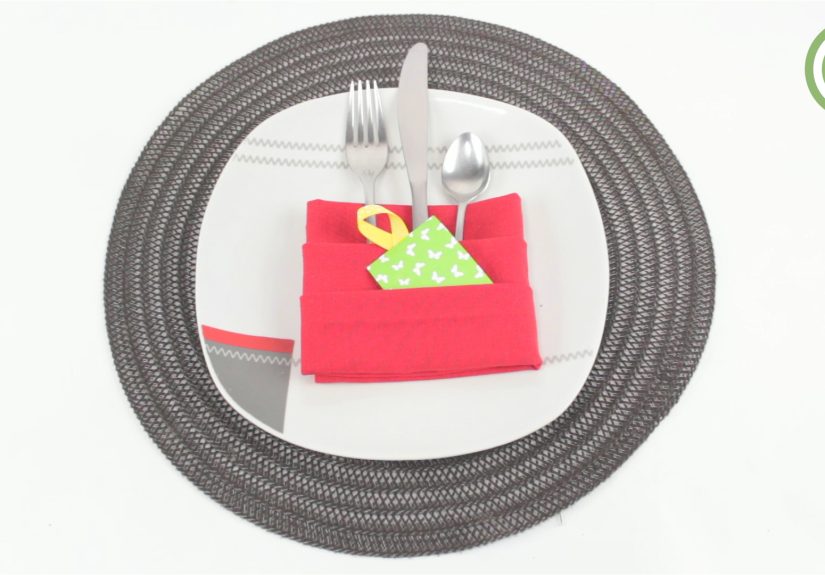
If you are learning how to fold a napkin with a pocket for the first time, start here. This is the easiest style, and it works for everyday dinners, holiday meals, and casual entertaining alike. It creates one clean front pocket that holds a fork, knife, and spoon without looking bulky.
Best for
Weeknight hosting, buffet tables, family gatherings, and casual dinner parties.
How to Fold It
- Lay the napkin flat with the front side facing down.
- Fold it in half from bottom to top to form a rectangle.
- Fold it in half again from left to right to create a square.
- Rotate the square so the open corners are at the top right.
- Take the top layer and fold it diagonally down toward the opposite bottom corner.
- Turn the napkin over carefully.
- Fold the right side inward about one-third of the way.
- Fold the left side inward over it, creating a neat rectangular shape.
- Flip it back over, and your pocket is ready for flatware.
Why It Looks Good
The classic flatware pocket fold is clean, symmetrical, and practical. It looks polished without shouting for attention, which makes it perfect for tables that already have patterned dishes, bold centerpieces, or colorful glassware.
Styling Idea
Tuck in matte black flatware for a modern look, or add a tied ribbon around the utensils for a wedding shower or holiday dinner. If you want an extra touch, slide in a small name card behind the utensils.
Method 2: The Diagonal Pocket Fold
This version has a slightly dressier look because the pocket sits on a diagonal. It creates a sleek front flap that feels more decorative and a little more restaurant-worthy. If the classic pocket fold is your dependable black blazer, this one is the same blazer with better lighting and expensive earrings.
Best for
Bridal showers, holiday dinners, anniversary meals, or anytime you want a more elegant place setting.
How to Fold It
- Lay the napkin flat with the finished side down.
- Fold it in half to make a rectangle.
- Fold it in half again to make a square.
- Position the square so the open corners are at the top right.
- Take the top layer and bring the top corner down diagonally to the bottom left corner.
- Press the crease firmly.
- Turn the napkin over.
- Fold the right side inward, then fold the left side inward over it.
- Turn it back over to reveal the diagonal pocket.
Why It Looks Good
The angled front instantly adds visual interest. It feels more styled than a simple rectangle but is still easy enough for beginners. The diagonal line also frames whatever you tuck into the pocket, so a menu card, herb sprig, or polished silverware stands out nicely.
Styling Idea
For a spring brunch, slide a stem of rosemary, thyme, or lavender into the diagonal pocket. For a formal dinner, add a handwritten place card on textured cardstock. For Thanksgiving, a wheat stem or tiny dried leaf makes the table feel warm and seasonal without trying too hard.
Method 3: The Layered Pocket Fold
If you want a fold that looks a little more impressive, the layered pocket fold is the show-off of the group. It creates multiple visible flaps on the front, which gives the napkin depth and detail. The result is elegant, structured, and surprisingly manageable once you get the rhythm.
Best for
Formal dinners, holiday tablescapes, weddings, and special occasions where presentation matters.
How to Fold It
- Start with the napkin flat and face down.
- Fold it in half, then in half again, creating a square.
- Place the square so the open corners face the top right.
- Take the top layer and fold the corner down diagonally.
- Take the second layer and fold it down diagonally as well, stopping slightly above the first fold to create a layered effect.
- Repeat with the third layer if your napkin is thick enough and large enough to handle it neatly.
- Turn the napkin over.
- Fold the right side inward and then the left side inward to secure the shape.
- Flip it back to the front and adjust the visible layers so they look even.
Why It Looks Good
The stacked layers create texture and make the napkin feel more custom and refined. Even when you use a plain solid-color napkin, this fold adds enough detail to elevate the whole setting.
Styling Idea
Use the top pocket for a menu or name card and tuck a polished fork into the main opening. This fold also pairs beautifully with linen napkins in muted tones like taupe, sage, dusty blue, or ivory.
How to Choose the Best Pocket Fold for Your Table
Not every table needs the same level of drama. Sometimes you want “effortlessly elegant,” and sometimes you just want dinner to look organized before someone asks where the forks are.
For Casual Meals
Go with the classic flatware pocket fold. It is neat, practical, and fast enough to make a whole stack before guests arrive.
For Seasonal Entertaining
Choose the diagonal pocket fold. It gives you room to add little seasonal accents like herbs, leaves, mini flowers, or themed place cards.
For Formal or Photo-Worthy Tables
Use the layered pocket fold. It adds more visual texture and looks especially good when paired with nicer dinnerware and cloth napkins.
Common Mistakes to Avoid
Using Napkins That Are Too Small
A tiny napkin can make the pocket too shallow to hold anything useful. Dinner-size napkins usually work best.
Skipping the Crease
Loose folds can collapse once you add utensils. Press each fold firmly as you go. Your future self will thank you.
Overstuffing the Pocket
A fork, knife, and spoon are fine. A full menu, breadstick, flower bouquet, and decorative tassel are a cry for help. Keep it balanced.
Ignoring the Rest of the Table
Your napkin fold should support the table design, not compete with it. If your dishes are busy, keep the fold simple. If the table is minimal, a more detailed fold can be the star.
Creative Ways to Use a Pocket Napkin Fold
Once you know how to fold a napkin with a pocket, you can use it for more than flatware. This is where hosting gets fun.
- Menu cards: Perfect for holidays, rehearsal dinners, or dinner parties.
- Place cards: Helpful for assigned seating and easy elegance.
- Herb sprigs: Rosemary, thyme, or lavender add natural fragrance and texture.
- Mini florals: A single bloom can make each place setting feel thoughtful.
- Buffet utensils: Pocket-folded napkins make self-serve setups look tidy and intentional.
- Seasonal accents: Think cinnamon sticks in winter, greenery in spring, or wheat stems in fall.
Final Thoughts
Learning how to fold a napkin with a pocket is one of those small hosting skills that pays off immediately. It is easy, useful, and stylish, which is honestly more than can be said for some centerpiece ideas that require hot glue, floral foam, and a level of emotional commitment nobody asked for.
The classic flatware pocket fold is perfect when you want something simple and polished. The diagonal pocket fold adds a little elegance and works beautifully with decorative accents. The layered pocket fold brings texture and sophistication when the occasion calls for something a little more special.
Whether you are setting the table for a holiday feast, a bridal brunch, or a Tuesday night dinner that simply deserves better vibes, a pocket napkin fold can make the whole table feel more complete. And once you do it a few times, you will wonder why you ever let your silverware just lie around looking unemployed.
Real-Life Experience and Practical Hosting Notes
One of the most useful things about a pocket napkin fold is that it works in real homes, not just in styled photos where nobody actually eats. In everyday hosting, that matters. A fold can be beautiful, but if it falls apart the moment someone picks it up, or if it takes fifteen minutes per place setting, it stops being charming and starts becoming a personal grudge against dinner.
In practice, the classic flatware pocket fold tends to be the most dependable for busy hosts. It is the one you can make while chatting, checking the oven, and pretending you definitely meant to leave the flowers in that mason jar. If you are setting a table for six to eight people, this fold is fast enough to repeat without losing your mind. It also works especially well for family meals because everyone instantly understands what it is for. There is no mystery. Fork goes in pocket. Meal begins. Civilization survives.
The diagonal pocket fold often gets the best reaction from guests because it looks more elaborate than it really is. That makes it a great choice for holidays and brunches when you want the table to feel elevated without adding a lot of extra decor. A simple white or neutral napkin folded on the diagonal with a tiny herb sprig tucked in can make the whole setting look thoughtful and seasonal. It is a quiet kind of pretty. Not loud. Not fussy. Just confident.
The layered pocket fold shines when the rest of the table is simple. If the dishes are plain and the centerpiece is low-key, the layered flaps give the place setting just enough detail to feel special. In real life, though, the trick is not to rush it. This fold is still easy, but it rewards patience. If one layer is crooked, your eye goes right to it. A quick adjustment at the end makes all the difference.
Another helpful lesson from actual entertaining: fabric matters. Linen and cotton napkins usually fold best because they have enough body to hold shape. Super silky or very thin napkins can slide around and make even a straightforward fold look floppy. On the other hand, sturdy paper napkins can absolutely work when you need convenience. They are especially practical for buffets, outdoor dinners, showers, and large gatherings where cleanup needs to be fast. The fold may not look quite as luxurious as pressed linen, but it can still look neat and stylish when the napkin has enough weight.
Color also changes the effect more than people expect. White napkins create a crisp, classic look that feels formal and clean. Earth tones like taupe, olive, rust, or warm gray feel softer and more modern. Pastels work beautifully for spring brunches and baby showers. Dark napkins, such as navy, charcoal, or forest green, can make gold or silver flatware pop. If the table already has patterned plates or busy runners, a solid napkin is often the smartest choice. The fold itself becomes the design detail.
There is also something very practical about using the pocket for more than silverware. A place card tucked into the fold helps guests find seats without a lot of awkward hovering. A printed menu makes even a simple meal feel intentional. A rosemary sprig or small stem can add color and texture without taking up precious table space. These details are small, but they create that feeling guests notice right away: this table was planned with care.
For anyone hosting children or a mixed crowd, the classic pocket fold is usually the safest bet. It is sturdy, familiar, and easy to pick up. For adults-only dinners or more decorative occasions, the diagonal and layered versions add just enough style to make the evening feel memorable. That is really the charm of learning a few pocket napkin folds. You do not need dozens. You just need two or three reliable ones that fit different moods and meals.
And perhaps the best part is this: once you get comfortable with these folds, setting the table stops feeling like a chore and starts feeling like the beginning of the event. It becomes a simple ritual that signals something special is about to happen, whether that is a holiday feast or a pasta night with better lighting. A folded napkin with a pocket is a small detail, but it has a surprising amount of personality. It says, “Welcome. Sit down. I thought this through.” Even if you folded them while hiding from the kitchen chaos for seven glorious minutes.