Table of Contents >> Show >> Hide
- Kidney Failure vs. Kidney Disease: What You’re Actually Diagnosing
- Early Clues at Home (Before Your Cat Files a Formal Complaint)
- The Vet’s Diagnostic Playbook
- 1) History + physical exam: the “context” that makes lab results meaningful
- 2) Bloodwork: what’s building up because the kidneys can’t clear it?
- 3) Urinalysis: the test that often whispers “kidney problem” before bloodwork shouts it
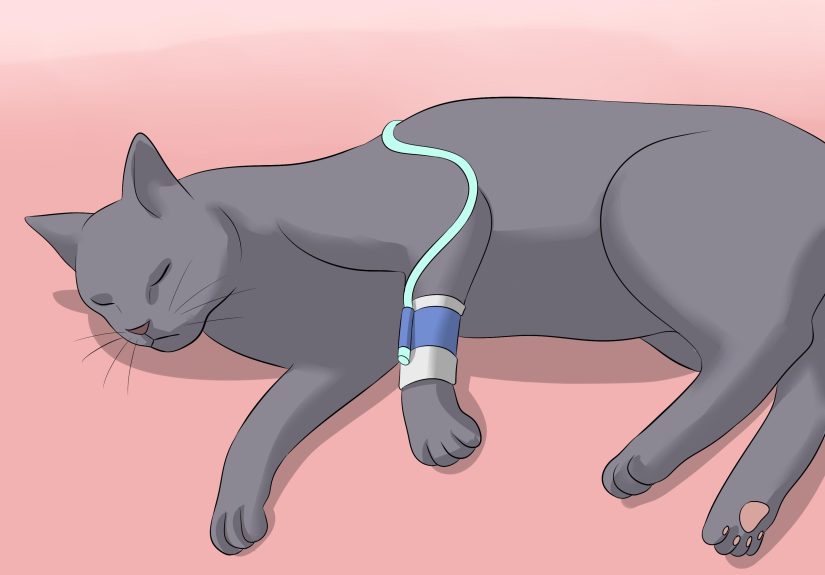
- 4) Blood pressure: because kidneys and blood pressure love to cause each other drama
- 5) Imaging: what the kidneys look like (and whether something is blocked)
- 6) “Bonus” tests that are often worth it
- Acute Kidney Injury (AKI): The “This Can’t Wait” Scenario
- Chronic Kidney Disease (CKD): The Long Game (and Why Trends Matter)
- Putting It All Together: A Practical Diagnostic Roadmap
- Example Scenario: “Mittens” and the Mystery of the Mega Litter Clumps
- FAQ: Quick Answers Cat Owners Actually Search For
- Real-World Experiences: What Diagnosing Kidney Failure in Cats Feels Like (and How to Make It Less Stressful)
- Conclusion
Cats are masters of subtlety. They can be wildly offended by a slightly different brand of kibble,
yet act totally normal while their kidneys quietly struggle in the background. (If cats ran the DMV,
the waiting room would be silentbut somehow you’d still feel judged.)
The good news: veterinarians have a pretty solid “kidney detective kit” for figuring out what’s going on.
The better news: the earlier you catch kidney trouble, the more options you typically have to help your cat
feel better and stay stable. This guide explains how kidney failure in cats is diagnosedwhat you can spot at home,
what your vet tests for, and how those test results get stitched into an actual diagnosis.
Quick note: This article is educational, not a substitute for veterinary care. If your cat is vomiting repeatedly, can’t keep water down, seems painful, or isn’t urinating, treat it as urgent.
Kidney Failure vs. Kidney Disease: What You’re Actually Diagnosing
“Kidney failure” is a phrase people use for a lot of different situations. Clinically, vets usually sort kidney problems into two big buckets:
- Acute kidney injury (AKI): sudden loss of kidney functionhours to days. This can be life-threatening and needs fast action.
- Chronic kidney disease (CKD): slow, progressive loss of kidney functionmonths to years. Common in older cats.
Both can cause a buildup of waste products in the bloodstream (think: the body’s “trash pickup” is delayed),
changes in hydration, appetite loss, nausea, and abnormal urination. The diagnostic goal is to figure out:
Is this acute or chronic? How severe is it? and what else is contributing?
Early Clues at Home (Before Your Cat Files a Formal Complaint)
You can’t diagnose kidney failure at home, but you can notice patterns that should prompt testingespecially in cats over 7–10 years old.
Many early signs are annoyingly nonspecific (classic cat move), but together they raise suspicion.
Common signs that deserve a vet visit
- Drinking more and/or peeing more (bigger clumps in the litter box)
- Weight loss even if food intake seems “normal-ish”
- Decreased appetite, picky eating, or walking away from favorite foods
- Vomiting or frequent nausea (lip-licking, drooling)
- Lethargy or less interest in play, jumping, or social time
- Bad breath that smells “chemical” or ammonia-like
- Dehydration (tacky gums, skin stays tented briefly)
- Dull coat or poor grooming
Red-flag signs (don’t wait)
- Not urinating or producing only tiny amounts
- Sudden collapse, profound weakness, or severe lethargy
- Repeated vomiting with inability to keep water down
- Known toxin exposure (especially lilies, antifreeze, certain human meds)
These signs can overlap with diabetes, hyperthyroidism, urinary obstruction, GI disease, and moreso the next step is lab testing.
The Vet’s Diagnostic Playbook
Diagnosing kidney failure in cats isn’t a single magic testit’s a combination of history, exam, and diagnostics interpreted together.
Major veterinary resources emphasize that you need the whole picture, not just one number on a lab report.
1) History + physical exam: the “context” that makes lab results meaningful
Your vet will ask about thirst, urination, appetite, weight changes, vomiting, medications, diet, and any possible toxin exposure.
On exam, they’ll assess hydration, body condition, oral health, heart rate, and sometimes kidney size/shape by abdominal palpation.
In CKD, kidneys may feel smaller or irregular; in some acute conditions they can feel enlarged or painful.
2) Bloodwork: what’s building up because the kidneys can’t clear it?
Blood tests commonly measure waste products and related chemistry changes. For cats, the “big three” kidney markers are often:
BUN (blood urea nitrogen), creatinine, and SDMA (symmetric dimethylarginine).
Elevations may indicate reduced kidney filtration, but they must be interpreted alongside hydration status and other findings.
SDMA is especially useful in some cats because it’s less tied to muscle mass than creatinine and may rise earlier as filtration declines.
That said, SDMA can still fluctuate and shouldn’t be used as a solo diagnosis without corroborating data.
A typical chemistry panel also checks:
- Phosphorus (often increases as CKD progresses)
- Electrolytes (potassium, sodium, chloride)
- Acid–base status clues (metabolic acidosis can occur)
- Complete blood count (CBC) for anemia (CKD cats may develop mild, nonregenerative anemia)
3) Urinalysis: the test that often whispers “kidney problem” before bloodwork shouts it
Urinalysis is a cornerstone of diagnosis because urine concentration can decline before BUN/creatinine rise.
The key measurement is urine specific gravity (USG), which reflects how well the kidneys concentrate urine.
A microscopic sediment exam also checks for inflammation, infection, crystals, casts, and blood.
In many diagnostic frameworks for cats, CKD is supported by the combination of renal azotemia (elevated kidney waste markers)
plus poorly concentrated urineoften cited as USG below about 1.035along with compatible history or exam findings.
(There are exceptions, and your vet will interpret USG in contextdiet moisture, hydration, and other diseases can influence it.)
If protein is detected, your vet may recommend a urine protein-to-creatinine ratio (UPC), which is more reliable than a dipstick alone.
Persistent proteinuria can affect prognosis and treatment decisions.
4) Blood pressure: because kidneys and blood pressure love to cause each other drama
Cats with CKD are at higher risk for hypertension (high blood pressure). Hypertension can damage organsespecially the eyes.
Sudden vision changes, dilated pupils, or retinal abnormalities on exam can be the first clue that blood pressure is elevated.
That’s why blood pressure measurement is often part of a kidney workup and ongoing monitoring.
5) Imaging: what the kidneys look like (and whether something is blocked)
Imaging helps differentiate chronic changes from acute emergencies and can reveal structural causes:
ultrasound or X-rays may identify kidney stones, ureteral obstruction, cysts (including polycystic kidney disease in predisposed breeds),
congenital issues, or masses. Imaging can also help interpret palpation findings (small kidneys vs. enlarged kidneys).
6) “Bonus” tests that are often worth it
- Urine culture if infection is suspected (especially with bacteria or lots of WBCs in sediment)
- Total T4 (thyroid) in older catshyperthyroidism can mask kidney disease by altering blood flow and lab values
- Repeat testing to confirm persistence and stability (very important for CKD staging)
- More specialized tests in complex cases (e.g., biopsy, advanced biomarkers) when the diagnosis is unclear or atypical
Acute Kidney Injury (AKI): The “This Can’t Wait” Scenario
Acute kidney injury is sudden and often severe. The diagnostic approach emphasizes speed: confirming impaired kidney function, identifying the cause,
and stabilizing the cat. Common causes include toxins (like lilies and ethylene glycol antifreeze), certain medications (notably some NSAIDs and antibiotics),
urinary obstruction, severe dehydration/shock, and systemic illness.
How AKI often looks in real life
- Sudden vomiting, nausea, drooling
- Marked lethargy, weakness, hiding
- Dehydration that seems to happen fast
- Little to no urine output (or straining)
- History of possible toxin exposure (flowers, garage liquids, human meds)
AKI testing: what your vet is looking for
Bloodwork may show rapidly rising kidney markers, electrolyte disturbances (including potassium abnormalities), and acid–base changes.
Urinalysis may reveal poor concentration and casts (which can indicate tubular injury), depending on timing and cause.
Imaging is especially valuable when obstruction is on the table because “post-renal” problems (blockage) require immediate intervention.
A special warning about lilies
True lilies and daylilies are famously dangerous to cats; even small exposures can trigger severe kidney injury.
Clinical signs may start with vomiting and lethargy within hours, and lab values can show marked increases in BUN and creatinine as injury progresses.
If lily exposure is suspected, the correct move is not “watch and wait.” It’s “call the vet now.”
Chronic Kidney Disease (CKD): The Long Game (and Why Trends Matter)
CKD is common in older cats and often starts quietly. Many cats compensate until a significant chunk of kidney function is lost,
so routine senior screening (bloodwork + urinalysis) can catch changes earlier.
Confirming CKD: you’re proving persistence, not a one-day fluke
For CKD, veterinarians aim to confirm that abnormal kidney values and urine concentration issues are persistent in a stable, hydrated patient.
Dehydration can temporarily worsen lab values (“pre-renal” azotemia), and urinary blockage can create “post-renal” azotemiaboth can mimic kidney failure.
That’s why repeat testing and context are essential.
Staging CKD (IRIS): translating numbers into a plan
Once CKD is diagnosed, staging helps guide monitoring and treatment decisions. The IRIS approach commonly uses stable creatinine and/or SDMA,
and then “substages” based on proteinuria (UPC) and systolic blood pressure.
Below is a simplified, cat-focused summary of commonly used cutoffs.
| CKD Stage (Cats) | Creatinine (mg/dL) | SDMA (µg/dL) | Proteinuria Substage (UPC) | Systolic BP Substage (mm Hg) |
|---|---|---|---|---|
| Stage 1 | < 1.6 | < 18 | Nonproteinuric < 0.2 | Normotensive < 140 |
| Stage 2 | 1.6–2.8 | 18–25 | Borderline 0.2–0.4 | Prehypertensive 140–159 |
| Stage 3 | 2.9–5.0 | 26–38 | Proteinuric > 0.4 | Hypertensive 160–179 |
| Stage 4 | > 5.0 | > 38 | Proteinuric > 0.4 | Severely hypertensive ≥ 180 |
Two important “don’t-get-tricked” notes:
- Numbers should be staged in a stable, hydrated cat. If your cat is dehydrated or acutely ill, your vet may recheck before staging.
- Trends beat snapshots. A single abnormal value can be meaningful, but repeat results over time tell the real story.
Putting It All Together: A Practical Diagnostic Roadmap
If you like checklists (or if your cat demands structure), here’s what diagnosis typically looks like from start to finish:
- Suspicion: increased thirst/urination, weight loss, vomiting, poor appetite, senior screening result.
- Baseline tests: chemistry panel (BUN/creatinine/SDMA, electrolytes, phosphorus), CBC, urinalysis with USG and sediment.
- Differentiate causes: assess hydration, look for obstruction, consider other diseases (e.g., hyperthyroidism, diabetes).
- Confirm persistence (CKD): repeat labs/urine in a stable, hydrated patient when needed.
- Stage + substage: use creatinine/SDMA plus UPC and blood pressure.
- Search for contributors: infection, stones, toxins, medication effects, high BP complications.
- Create a monitoring plan: rechecks, symptom tracking, and targeted interventions based on stage and substaging.
Example Scenario: “Mittens” and the Mystery of the Mega Litter Clumps
Let’s say Mittens is 12, charming, and recently started producing litter clumps the size of small meteorites.
Her appetite is “meh,” and she’s lost a little weight. At the vet:
- Exam suggests mild dehydration and muscle loss.
- Bloodwork shows mildly increased creatinine and SDMA, and phosphorus is creeping up.
- Urinalysis shows USG below the expected concentration for a healthy cat and mild protein in urine, confirmed with a UPC.
- Blood pressure is borderline high.
That cluster supports CKD, and substaging (UPC + blood pressure) helps the vet decide what to address first and how often to monitor.
If anything looks inconsistent (like dehydration explaining the numbers), the vet may correct hydration and recheck to confirm stability.
FAQ: Quick Answers Cat Owners Actually Search For
Can I diagnose kidney failure in my cat at home?
Nohome observations are important clues, but diagnosis requires bloodwork and urinalysis (and sometimes imaging/blood pressure).
If you’re seeing increased thirst/urination, weight loss, vomiting, or lethargy, schedule an exam and testing.
What’s the earliest test that shows kidney disease in cats?
Often, a drop in urine concentrating ability (USG) can appear before creatinine rises. SDMA may also increase earlier than creatinine in some cats,
but it still needs to be interpreted alongside urinalysis and the clinical picture.
Is kidney failure always permanent?
AKI can sometimes be reversible if treated quickly (especially when caused by toxins, dehydration, or obstruction), but it can also cause lasting damage.
CKD is typically progressive and managed rather than curedso the focus becomes slowing progression and improving quality of life.
Real-World Experiences: What Diagnosing Kidney Failure in Cats Feels Like (and How to Make It Less Stressful)
If you’ve ever tried to “casually observe” your cat’s bathroom habits, you already know the first stage of the diagnostic journey is
becoming a part-time litter box analyst. It’s not glamorous, but it’s useful. Many cat owners notice something small at first:
the water bowl emptying faster, the litter clumps getting bigger, or a slow, sneaky weight loss you only detect when you pick them up and think,
“Huh… you feel lighter. Are you dieting in secret?”
The next experience most people have is the symptom shuffle: your cat eats less for a few days, then acts normal,
then vomits, then seems fine, then gets picky again. This is where kidney disease can be extra frustratingCKD often doesn’t announce itself
with a single dramatic symptom. Instead, it sends vague emails like “Not feeling it today” and “Maybe later.” Owners commonly describe
a nagging sense that something is off but not obviously catastrophic, which is exactly why routine senior screening can be so helpful.
Then comes the vet visit, which often feels like speed-dating with a lab report. Bloodwork and urinalysis results can be emotional:
seeing elevated creatinine or SDMA can trigger instant worry, even when the elevation is mild. A helpful mindset is to treat the first set of numbers
as a starting point, not a final verdict. Vets often explain that hydration and stress can influence results, and that repeat testing
may be recommended to confirm persistenceespecially if SDMA is the only abnormality or if the cat was dehydrated that day.
One surprisingly common “experience moment” is the urine sample saga. Some cats refuse to cooperate like they’re defending
a classified government secret. Owners try non-absorbent litter, special collection kits, or the “hover nearby with the reflexes of a tennis champion”
approach. Many people eventually discover a truth: letting the clinic collect urine (often by cystocentesis when appropriate)
can be less stressful than turning your laundry room into a forensic lab. The upside is that urinalysis is incredibly informativeUSG, sediment,
and UPC can clarify whether the kidneys are concentrating properly and whether protein loss is a concern.
Another real-world wrinkle is learning to separate “acute panic” from “chronic planning.” If your cat seems suddenly very sick,
is vomiting repeatedly, or isn’t urinating, owners often describe a gut-level urgency that turns out to be correctthose signs can align with acute kidney injury
or obstruction and require fast care. On the other hand, when the diagnosis is CKD, the emotional shift is different:
people move from “fix it now” to “manage it smart.” That can include periodic rechecks, tracking appetite and weight,
and watching for complications like high blood pressure that can cause sudden vision issues.
Finally, most owners develop a new superpower: pattern recognition. They start noticing which foods the cat tolerates,
whether nausea seems worse in the morning, and what “normal” water intake looks like for their household.
The best part of this experience-driven learning is that it makes vet visits more productive. Instead of “She’s been weird,” you can say,
“Her appetite dropped for five days, water intake increased, and she lost 0.4 pounds since last month.” That kind of detail helps your vet
interpret labs, decide whether to repeat tests, and adjust the diagnostic and monitoring plan.
If there’s one comforting takeaway from the diagnostic experience, it’s this: you don’t have to solve the puzzle alone.
Your job is to notice changes and show up with observations. Your vet’s job is to translate those clues into labs, staging, and a plan.
And your cat’s job is to act like none of this is their faultwhich, honestly, is on brand.
Conclusion
Diagnosing kidney failure in cats is a process: recognize the warning signs, confirm changes with bloodwork and urinalysis,
and then determine whether the problem is acute (urgent) or chronic (managed over time). Vets rely on a combination of
BUN/creatinine/SDMA, urine specific gravity, UPC, blood pressure, and imagingbecause kidneys don’t fail in a neat, one-number way.
If your cat is older, acting “off,” drinking more, losing weight, or vomiting more than usual, early testing is one of the kindest things you can do.