Table of Contents >> Show >> Hide
- Why Avocados Change After Freezing (And Why It’s Not Personal)
- Before You Freeze: Choose the Right Avocados
- The Best Method for Flavor: Freeze Avocado as a Purée
- Method 2: Freeze Avocado Slices or Cubes (Best for Smoothies and Blending)
- Method 3: Freeze Halves (Fast, Convenient, Not the Highest Quality)
- Packaging Matters: How to Avoid Freezer Burn and Off Flavors
- How Long Can You Freeze Avocados?
- How to Thaw Frozen Avocado Without Ruining It
- Best (and Worst) Ways to Use Frozen Avocado
- Troubleshooting: Fix the Most Common Frozen Avocado Problems
- Food Safety Basics (Quick and Important)
- FAQ
- Real-Kitchen Experiences: What Freezing Avocados Is Like in the Wild
- Conclusion
- SEO Tags
Avocados have a special talent: they’re rock-hard on Monday, perfectly dreamy on Tuesday, and suspiciously
“artisan compost” by Wednesday. If you’ve ever bought a bag thinking you were being healthy and financially
responsibleonly to watch them all ripen at once like a synchronized swimming teamfreezing is your new best friend.
The catch? Avocados are divas. Freeze them the wrong way and you’ll thaw out something that looks like it lost a fight
with a beige paint sample. Freeze them the right way and you’ll have creamy, green-ish, flavorful avocado ready for
smoothies, guacamole, dressings, and emergency taco nights.
This guide breaks down the best methods (with the “why” behind them), plus real-world tips to keep flavor high, browning low,
and texture as close to fresh as frozen food physics allows.
Why Avocados Change After Freezing (And Why It’s Not Personal)
Two things try to ruin your avocado party: oxidation and texture damage.
1) Oxidation = Browning
When avocado flesh meets oxygen, enzymes kick off a browning reaction (similar to apples and bananas). This doesn’t automatically mean
“unsafe,” but it does mean “less appetizing” and sometimes “slightly off flavor.” Acid (like lemon or lime juice) helps slow that reaction.
2) Ice Crystals = Softer Texture
Freezing forms ice crystals that can rupture plant cells. When the avocado thaws, those damaged cells release moisture and the texture
turns softersometimes downright mushy. That’s why frozen avocado is usually best in recipes where you mash, blend, or mix rather
than slice and admire.
Translation: frozen avocado can still taste great, but it’s rarely a “pretty slice on toast” situation. Think creamy supporting actor,
not red-carpet lead.
Before You Freeze: Choose the Right Avocados
Freezing won’t improve qualityit only preserves what you start with. Aim for avocados that are:
- Ripe but not overripe: they should yield to gentle pressure but not feel hollow or squishy.
- Mostly blemish-free: avoid deep bruises or large dark spots under the skin.
- Good-smelling: a sour or “fermented” odor is a no.
If yours are still unripe, let them ripen at room temperature first. Freezing an unripe avocado often locks in “meh” flavor and a chalky finish.
The Best Method for Flavor: Freeze Avocado as a Purée
If your goal is the best flavor, least browning, and most flexibility, purée (or mash) is the gold standard.
It mixes the protective acid throughout the flesh and reduces air exposure.
Step-by-step: Freezing mashed/puréed avocado
- Wash and prep: Rinse the outside (yes, even though you won’t eat the peel) to reduce transfer of surface germs when cutting.
- Cut, pit, and scoop: Slice lengthwise, twist, remove the pit, and scoop the flesh into a bowl or food processor.
-
Add acid to slow browning:
- Use lemon or lime juice (classic and easy).
- Or use ascorbic acid (vitamin C powder) if you want minimal citrus flavor.
A practical kitchen ratio many home-preservation resources recommend is about 1 tablespoon of lemon juice per 2 avocados
(adjust to taste), or a small measured amount of ascorbic acid per batch if you use it regularly. - Mash or purée: Mash with a fork for slightly chunky texture, or blend for smooth.
-
Portion smartly:
- For guacamole nights: portion into 1/2-cup to 1-cup amounts.
- For smoothies: freeze in ice cube trays or small silicone molds.
- For sandwiches/wraps: portion into thin, spreadable layers.
-
Pack to remove air:
- Use freezer-safe zip-top bags and press the purée into a flat layer.
- Squeeze out as much air as possible before sealing (a straw can help “sip” out airjust don’t sip avocado).
- If using containers, leave a little headspace so the contents can expand.
- Label and freeze: Write the date and portion size. Freeze flat for faster freezing and easy stacking.
Should you freeze “guacamole” or just avocado?
For best results, freeze a simple guacamole base: avocado + citrus + salt (and maybe chopped cilantro). Ingredients like
tomatoes can release water and get weird after thawing, and onion/garlic flavors can intensify over time.
Pro move: freeze the base, then stir in fresh onion, tomato, and jalapeño after thawing. It tastes brighter and avoids the “watery salsa surprise.”
Method 2: Freeze Avocado Slices or Cubes (Best for Smoothies and Blending)
Want grab-and-go chunks for smoothies, dressings, or creamy sauces? Freezing pieces can workjust don’t expect perfect texture for salads.
How to freeze avocado pieces
- Cut and peel: Slice ripe avocados into cubes or wedges.
- Toss with citrus: Lightly coat pieces with lemon or lime juice to reduce browning.
-
Flash-freeze:
- Line a baking sheet with parchment paper.
- Spread pieces in a single layer so they don’t stick together.
- Freeze until firm (usually 1–2 hours, depending on your freezer).
- Transfer and seal: Move frozen pieces to a freezer bag, press out air, seal, and label.
This method is great when you want to toss frozen avocado straight into a blenderno thawing required, no drama required.
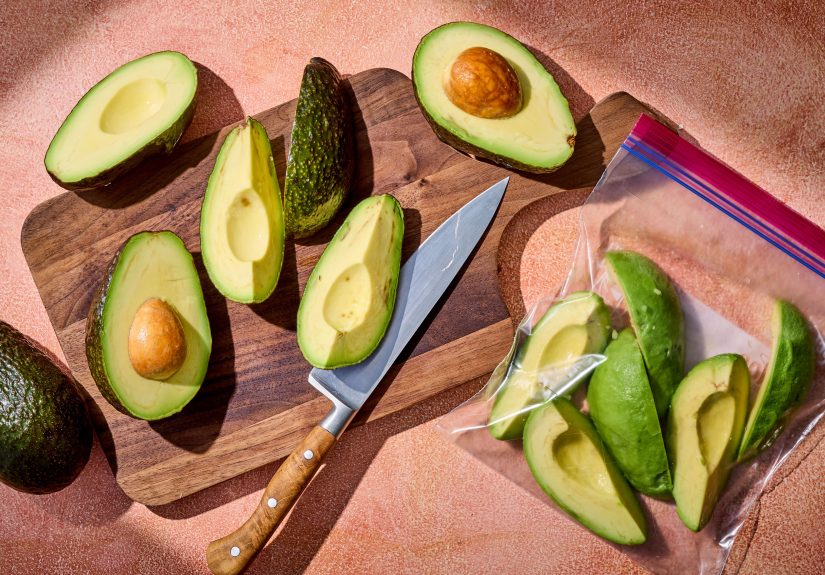
Method 3: Freeze Halves (Fast, Convenient, Not the Highest Quality)
Freezing halves is the “I’m busy and these avocados are plotting against me” approach. It can work, but expect softer texture and more browning risk
compared to purée.
How to freeze avocado halves
- Cut in half and remove the pit.
- Brush or sprinkle the flesh with lemon or lime juice.
- Wrap each half tightly in plastic wrap (direct contact helps reduce air exposure).
- Place wrapped halves in a freezer bag and squeeze out air before sealing.
- Label and freeze.
If you see social media hacks suggesting you can freeze whole avocados with no prep, consider it a “works for some uses” tricknot a best-quality method.
It’s usually fine if you plan to blend the thawed avocado, but less ideal if you want a clean, fresh taste and color.
Packaging Matters: How to Avoid Freezer Burn and Off Flavors
Avocados are rich in fats, and fats can pick up freezer odors over time. To protect flavor:
- Use true freezer bags (thicker plastic helps).
- Remove air aggressivelyair is the enemy of color and taste.
- Freeze flat so it chills quickly (smaller ice crystals = better texture).
- Consider double protection: small bag inside a larger bag for long storage.
- Keep away from strong-smelling items (fish sticks, I’m looking at you).
How Long Can You Freeze Avocados?
For best flavor and texture, most home cooks aim to use frozen avocado within 3 to 6 months. Longer storage can still be safe if kept
consistently frozen, but quality usually fadesmore browning, more “flat” flavor, more freezer taste.
- Purée/mash: often holds quality the longest (many people use it comfortably for months).
- Pieces: best used sooner for the nicest texture.
- Guacamole: quality is best if used within a few months, especially if it contains extra ingredients.
Bottom line: label your bags, rotate your stash, and treat your freezer like a libraryolder books (avocados) should get checked out first.
How to Thaw Frozen Avocado Without Ruining It
Thawing is where many “frozen avocado fails” happen. The goal is gentle thawing and minimal extra oxidation.
Best thawing methods
- Refrigerator thaw: place it in the fridge overnight (best overall).
- Cold-water thaw: for sealed bags, submerge in cold water for faster thawing.
- No-thaw option: toss frozen pieces straight into smoothies or blended soups.
What to avoid
- Microwaving as your first choice: it can turn edges warm and weird, and the texture may suffer. If you must, use short defrost bursts and stir often.
- Leaving it on the counter for hours: it increases browning and can raise food-safety concerns if it warms too much.
After thawing, give mashed avocado a quick stir. If it looks slightly watery, that’s normaljust mix it back in, or drain off a teaspoon if it’s excessive.
Best (and Worst) Ways to Use Frozen Avocado
Best uses (where frozen avocado shines)
- Smoothies: adds creaminess like banana, but with a more neutral flavor.
- Guacamole and dips: especially if you freeze a simple base and add fresh mix-ins later.
- Salad dressings: blend with lime, olive oil, herbs, and a little water for a creamy dressing.
- Spreads: mix thawed avocado with lemon, salt, and chili flakes for sandwiches or wraps.
- Cold soups and sauces: avocado crema, green goddess-ish blends, taco sauces.
- Baking: can replace some butter/oil in certain recipes where texture is masked (think brownies or quick breads).
Worst uses (where disappointment is likely)
- Avocado toast “centerpiece” slices: the texture usually won’t be as clean and fresh.
- Chunky salads: thawed cubes can be soft and less appealing.
- Anything that demands perfect green color: frozen avocado may darken slightly, even with acid.
Troubleshooting: Fix the Most Common Frozen Avocado Problems
“It turned brown!”
- Make sure you mixed citrus thoroughly throughout the mash.
- Remove more air from the bag or container.
- Press plastic wrap directly onto the surface before sealing (extra insurance).
“It tastes flat or freezer-y.”
- Use better packaging and remove more air next time.
- Store it away from strong odors.
- Use within 3–6 months for best flavor.
“It’s watery after thawing.”
- Stir welloften it reincorporates.
- If still watery, drain a small amount and adjust with salt, lime, or a spoonful of Greek yogurt (for dips).
Food Safety Basics (Quick and Important)
Freezing helps preserve food quality and slows microbial growth, but it doesn’t magically sterilize anything. Handle avocados with clean hands, clean tools,
and safe storage habits:
- Freeze foods promptly and keep your freezer at a consistently cold temperature.
- Thaw in the refrigerator or cold water (not warm water).
- If avocado has been fully thawed and warmed, don’t refreeze it repeatedlyquality and safety can decline.
FAQ
Can you freeze avocados whole?
You can, but it’s generally not the best method for quality. Whole avocados tend to thaw with more texture changes and can be messy to handle.
If you try it, plan to use the thawed avocado in blended recipes.
Does leaving the pit in help?
The pit can reduce the exposed surface area on a cut half, but it doesn’t stop browning on the exposed flesh. Acid and air removal do more of the heavy lifting.
Is lemon better than lime?
Both work. Lemon is slightly more neutral for some palates; lime can be perfect if you’re aiming for guacamole vibes. Choose based on what you plan to make.
Can you freeze guacamole?
Yesjust keep it simple for best results. Freeze a base (avocado + citrus + salt), then add fresh tomatoes, onions, and herbs after thawing.
Real-Kitchen Experiences: What Freezing Avocados Is Like in the Wild
Freezing avocados sounds straightforwarduntil you’re standing in your kitchen holding three perfectly ripe avocados and realizing you have exactly
12 minutes before they cross the line from “buttery” to “mystery pudding.” In real kitchens, most people learn a few lessons fast.
First: everyone underestimates air. The difference between “wow, this still tastes like avocado” and “why does this taste like the inside of my freezer?”
is often just how well you pressed out the air. A common experience is freezing mashed avocado in a container with a little empty space at the top,
then thawing it to find a browned surface and a faint freezer smell. The fix most home cooks end up loving: use a freezer bag, spread the avocado flat,
squeeze out the air like you’re sealing a life raft, and freeze it like a neat little green file folder.
Second: people get really attached to portioning once they try it. The first time, you might freeze one big bag of avocado mash,
feeling very prouduntil you thaw the whole thing for a single sandwich and realize you’ve created a “now we must eat avocado for every meal” weekend.
After that, many folks switch to small bags, silicone molds, or ice cube trays. Two cubes for a smoothie. A half-cup pouch for guac. A thin sheet for spreads.
Suddenly, frozen avocado stops being a compromise and starts being a convenience.
Third: there’s the great lemon juice debate. Some people add a tiny squeeze and still see browning; others add so much citrus the avocado tastes like it joined a lemonade stand.
The happy middle is usually: enough acid to slow browning, plus smart packing to limit oxygen. Many experienced avocado-freezers keep a bottle of lemon or lime juice
on hand for “avocado emergencies,” and they adjust based on the recipe. More lime for guacamole base, less for smoothies where fruit will cover it anyway.
Fourth: texture expectations get recalibrated. A very typical experience is thawing cubes for a salad and thinking, “Oh… you are soft.”
Frozen avocado often loses that clean, fresh bite, so people who love it long-term usually steer it into foods that welcome softness:
smoothies, dressings, dips, creamy sauces, or sandwich spreads. The most satisfied frozen-avocado fans are the ones who treat it like a “creaminess ingredient”
rather than a “sliced avocado moment.”
Finally: frozen avocado becomes a secret weapon for “surprise needs.” Someone texts, “We’re bringing chips, you bring guac,” and your countertop avocados are unripe.
But your freezer? Your freezer is ready for the assignment. Thaw a bag in the fridge, stir in fresh onion and jalapeño, squeeze in lime, add salt,
and suddenly you look like the kind of person who has their life together. (No one has to know you also have three bags of mystery freezer leftovers labeled “soup??”)
If you take anything from these real-life patterns, let it be this: the best frozen avocado systems are the simplest ones you’ll actually repeat.
Mash + citrus + airtight packing + sensible portions. Do that, and future-you will feel like past-you left a delicious little gift.
Conclusion
Freezing avocados is less about preserving a perfect fresh slice and more about saving flavor and creaminess for the dishes that matter:
smoothies, dips, dressings, sauces, and spreads. For the best results, freeze avocado as a purée with a little citrus (or ascorbic acid),
remove as much air as possible, and portion it in a way that matches how you really cook. Your freezer will become a tiny avocado safety net
and your future self will thank you the next time ripeness strikes all at once.