Table of Contents >> Show >> Hide
- The quick reality check: what “fast” really means
- The fastest path to healing: your 60-second action plan
- Prescription treatments that can shorten an outbreak
- Over-the-counter treatments that actually help
- Home remedies: what helps, what’s hype, and what to skip
- How to stop spreading it (and still live your life)
- When to call a clinician (don’t tough-guy this)
- FAQ
- Conclusion
- Real-world experiences: what people commonly notice (and what tends to work)
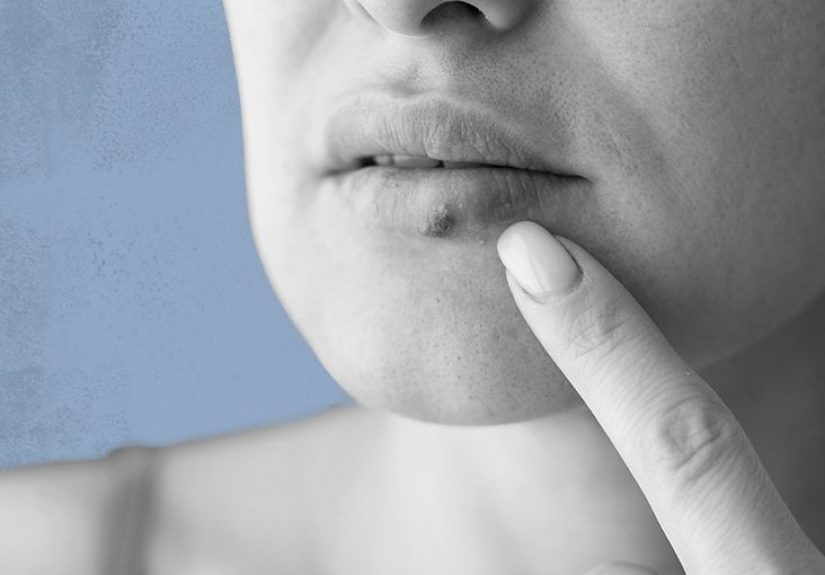
Cold sores have a special talent: they show up right before a big date, a job interview, or the one day you actually feel photogenic. They’re common, contagious, and annoyingly dramaticstarting as a tiny tingle and then auditioning for a close-up on your face. The good news: you can’t “erase” the virus overnight, but you can shorten an outbreak, ease pain, and lower the odds of spreading it.
This guide focuses on what actually helps you heal faster (and what’s mostly wishful thinking), with a simple “do this first” plan, plus practical home care that won’t sabotage your skin.
The quick reality check: what “fast” really means
A cold sore (also called herpes labialis) is typically caused by herpes simplex virus type 1 (HSV-1). Once HSV-1 is in your body, it can reactivateoften triggered by things like stress, illness, sun exposure, or lip irritation.
“Fast” depends on when you start treatment. The earliest phase (that first tingle, itch, or burning sensation) is your best chance to cut the outbreak short. Once you’re at the blister-and-scab stage, the goal shifts to comfort, protection, and letting your skin finish the job.
Also: cold sores are contagious during an outbreak. If you’re trying to heal quickly, you’re also trying not to share the experience with anyone else. (Your cold sore does not need friends.)
The fastest path to healing: your 60-second action plan
Step 1: Treat at the first tingle (the prodrome stage)
If you’ve had cold sores before, you probably know “the feeling.” The moment you notice it, move quickly: start an antiviral option (prescription if you have it, over-the-counter if you don’t), protect the area, and reduce irritation. Early treatment is where the biggest time-savings usually happens.
Step 2: Choose the right treatment lane
- Best speed option: prescription oral antivirals (especially when started early).
- Solid over-the-counter option: topical antiviral cream (docosanol 10%) used early and consistently.
- Supportive care: pain relief, moisture/protection, and avoiding triggers and trauma.
Step 3: Avoid “shortcuts” that slow healing
Picking, squeezing, scrubbing, “drying it out” aggressively, or experimenting with harsh acids/alcohols can irritate skin, crack the surface, and lengthen healing time. If your plan feels like something you’d do to a kitchen stain, don’t do it to your lip.
Prescription treatments that can shorten an outbreak
Oral antivirals (most effective for speed)
Oral antiviral medications (such as valacyclovir, acyclovir, or famciclovir) are commonly used to reduce the duration and severity of outbreaksespecially when taken at the earliest symptoms. Many clinicians prescribe “episodic therapy,” meaning you take medicine only when an outbreak starts. If you get frequent outbreaks, “suppressive therapy” (daily medication) may be an option.
One widely used episodic approach for adults is a short, high-dose regimen started immediately at the first symptom. The exact medication and dose depend on your age, kidney function, medical history, and clinician guidanceso follow your prescription label.
Topical prescription antivirals (helpful, but usually less punch than pills)
Some topical prescription antivirals (like penciclovir cream or topical acyclovir) can help, but in general, oral antivirals tend to work better for faster results. Topicals can still be useful if you can’t take oral medication or if your clinician recommends them as part of your plan.
Pro tip: keep a “cold sore kit” ready
Cold sores don’t wait for pharmacy hours. If your clinician can prescribe episodic antiviral medication in advance, you can start treatment the moment the tingling beginsoften the biggest difference-maker.
Over-the-counter treatments that actually help
Docosanol 10% cream (OTC antiviral)
Docosanol is an over-the-counter topical antiviral used for cold sores around the mouth. It won’t cure HSV-1, but when applied early and used as directed, it may help symptoms and shorten healing time. The key is consistency: apply at the first sign and keep up with the schedule.
Topical anesthetics (pain relief)
If your main problem is “this hurts and I can’t stop thinking about it,” topical anesthetics can reduce discomfort. Look for common OTC options intended for cold sore pain (and use them exactly as labeled). They don’t speed healing directly, but they can make you less likely to mess with the soreindirectly helping.
Oral pain relievers
Ibuprofen or acetaminophen can help with pain and inflammation. Choose the option that fits your health situation, and stick to package directions. If you have kidney disease, liver disease, ulcers, are pregnant, or take blood thinners, it’s smart to check with a clinician or pharmacist first.
Barrier protection: keep it comfortably protected
A simple protective barrier (like plain petroleum jelly) can reduce cracking and irritation, especially once the sore starts drying/scabbing. The goal is to prevent the “scab splits open every time I smile” problembecause that is the opposite of fast healing.
Home remedies: what helps, what’s hype, and what to skip
Cold compress (good for pain)
A cool compress can reduce discomfort and swelling. Keep it gentle: wrap ice in a clean cloth rather than pressing ice directly on skin. Do short sessions and stop if your skin feels numb or irritated.
Keep it clean (but don’t over-clean)
Gently washing with mild soap and water is fine. Avoid harsh scrubs, strong antiseptics, or repeated alcohol-based swabbing. Over-drying and irritation can delay healing.
Lip SPF and trigger control (more prevention than cure)
Sun exposure can trigger outbreaks for some people. Using a lip balm with broad-spectrum SPF can reduce recurrences, and it’s a habit that pays off long-termcold sore or not.
Supplements like lysine or zinc (mixed evidence)
You’ll see lysine and zinc mentioned often. The research is mixed, and results vary by dose and population. If you’re considering supplements, treat them like real medication: check for interactions, avoid megadoses, and talk to a clinician if you’re pregnant, have kidney disease, or take other regular meds. If you try a supplement, measure it by outcomes (fewer outbreaks, shorter duration) rather than hope.
What to avoid
- Picking or popping: increases irritation and can spread virus to fingers/other skin.
- Harsh “dry it out” hacks: strong acids, hydrogen peroxide, or alcohol can damage skin and slow healing.
- Topical steroids unless prescribed: steroids can worsen some infections; don’t self-experiment here.
How to stop spreading it (and still live your life)
Cold sores spread through close contact and shared items, especially when a sore is active. During an outbreak:
- Avoid kissing and oral sex until fully healed.
- Don’t share drinks, utensils, lip balm, razors, towels, or anything that touches your mouth.
- Wash hands after touching your face or applying any product to the area.
- Be extra cautious around babies, pregnant people, and anyone immunocompromised.
- Avoid touching your eyeseye infections from HSV can be serious.
If you use skincare or makeup to cover a sore, use disposable applicators and don’t double-dip. The cold sore does not deserve to become a permanent resident in your concealer.
When to call a clinician (don’t tough-guy this)
Most cold sores are self-limited, but it’s worth getting medical advice if:
- The sore is near your eye, or you have eye pain/redness/vision changes.
- You have a weakened immune system (or take immune-suppressing medications).
- Outbreaks are frequent, severe, or not improving.
- You have fever, widespread lesions, or intense pain.
- You’re unsure whether it’s a cold sore (canker sores and other conditions can look similar).
If you get cold sores often, ask about having an advance prescription for episodic treatment (or whether suppressive therapy makes sense for you).
FAQ
How fast can a cold sore go away?
With early antiviral treatment, some people shorten an outbreak noticeably. Without treatment, a cold sore often runs its course over days to a couple of weeks. The earlier you start, the better your odds.
What’s the single best OTC product?
If you can start early (tingle stage) and follow directions closely, docosanol 10% cream is a common OTC antiviral option. Pair it with gentle protection and pain control.
Should I cover it with a patch?
Some people like protective patches because they reduce friction and remind you not to touch the sore. If you try one, make sure it’s designed for lip use and follow instructions to avoid irritation.
Is it safe to use toothpaste or rubbing alcohol on it?
These are popular internet “tips,” but they can irritate skin and make healing slower (and more painful). Gentle care beats aggressive experiments.
Conclusion
If you want a cold sore gone fast, your best strategy is simple: start early, use an antiviral option you can actually stick with, protect the skin, and avoid anything that turns a small sore into a cracked, angry mess. Prescription oral antivirals are typically the fastest route when started at the first tingle. Over-the-counter docosanol is a solid backup if you move quickly and apply it consistently.
And remember: the goal isn’t just speedit’s also comfort and not spreading HSV to someone else (or to your own eyes). Be kind to your skin, be boringly consistent with treatment, and let your immune system do the rest.
Real-world experiences: what people commonly notice (and what tends to work)
People who get cold sores repeatedly often describe the outbreak as a predictable mini-drama with the same opening scene: a tiny tingling spot that feels “hot,” “itchy,” or weirdly tightalmost like your lip is warning you it’s about to start a project without asking for permission. The folks who feel like they “beat” a cold sore fastest usually have one thing in common: they treat that first tingle like a fire alarm, not background noise.
A common experience is that waiting even half a day changes the whole vibe. Early on, many people can keep the outbreak smaller, less painful, and shorter by starting an antiviral plan immediately. Once blisters form, the mood shifts from “prevent” to “manage.” That’s when comfort measurescold compresses, pain relief, and protecting the skinmatter most. People also report that the biggest setback is accidental: mindlessly touching the area, testing whether it “feels raised,” or picking at a scab because it looks like it’s “almost done.” (It’s rarely almost done when you poke it.)
Another frequent theme is cracking. Lips move constantlytalking, eating, smiling, yawningso when a sore dries out, it can split open and restart the healing clock. Many people find that using a simple barrier (a thin layer of petroleum jelly) makes the day-to-day less miserable and helps avoid that “it tore again” cycle. It’s not glamorous, but neither is bleeding on your bagel.
Socially, cold sores can feel louder than they look. People describe changing how they drink from a cup, skipping spicy foods, and becoming extremely aware of their hands. Those who live with kids (or work in close-contact settings) often become extra strict: separate cups, separate towels, and frequent handwashingbecause once you’ve accidentally shared a straw during the contagious phase, you never forget the guilt.
Triggers are personal, but many people notice patterns over time: a week of poor sleep, a stressful event, winter wind chapping, or a sunny day without lip SPF. The “experienced” crowd tends to keep a small kitlip SPF, gentle barrier ointment, and their chosen antiviral optionso they’re not improvising at the worst moment. It’s less “panic purchase” and more “I know my face’s habits.”
Finally, people who get frequent outbreaks often say the biggest quality-of-life change came from talking to a clinician about a proactive planeither having medication ready for episodic treatment or discussing prevention strategies. It’s not about being dramatic; it’s about being efficient. Cold sores are persistent, but you can get better at outsmarting them.