Table of Contents >> Show >> Hide
- What Are Dog Lice?
- Signs Your Dog May Have Lice
- How to Get Rid of Dog Lice: 11 Steps
- 1. Confirm That It Is Really Dog Lice
- 2. Call Your Veterinarian Before Choosing Medication
- 3. Separate the Infested Dog from Other Dogs
- 4. Treat Every Dog That May Have Been Exposed
- 5. Apply the Vet-Recommended Product Correctly
- 6. Repeat Treatment on Schedule
- 7. Comb Out Nits and Dead Lice
- 8. Wash Bedding, Blankets, and Soft Items
- 9. Clean Collars, Leashes, Brushes, Crates, and Grooming Tools
- 10. Watch for Skin Infections and Complications
- 11. Prevent Dog Lice from Coming Back
- What Not to Do When Treating Dog Lice
- How Long Does It Take to Get Rid of Dog Lice?
- Can Humans Get Lice from Dogs?
- When to See a Veterinarian Immediately
- Real-Life Experience: What Dog Owners Learn While Fighting Lice
- Conclusion
If your dog is scratching like they are auditioning for a percussion band, dog lice may be one possible culprit. Lice on dogs are not as common as fleas, but when they show up, they bring the full drama: itching, dry coat, flaky skin, hair loss, and a general “why is my couch suddenly a scratching post?” situation.
The good news is that dog lice are treatable. The even better news is that they are species-specific, meaning dog lice prefer dogs and do not set up a luxury condo on humans. Still, they can spread from dog to dog through close contact, shared bedding, grooming tools, collars, crates, or crowded environments. That means treating the dog is only half the mission. The other half is cleaning the dog’s world like you are preparing for a very tiny, very unwelcome inspection team.
This guide explains how to get rid of dog lice in 11 practical steps, how to recognize the signs, what treatments usually work, when to call the veterinarian, and how to prevent a repeat infestation. Think of it as pest control with a wagging tail involved.
What Are Dog Lice?
Dog lice are small, wingless parasites that live on a dog’s skin and coat. Unlike fleas, they do not jump. Unlike ticks, they do not wait dramatically on tall grass with villain energy. Lice crawl slowly and spend their lives close to the hair shafts, where they feed, lay eggs, and irritate the skin.
There are two main categories of lice that affect dogs:
Chewing Lice
Chewing lice feed on skin debris, oils, and secretions. They can cause intense itching, dandruff-like flakes, coat damage, and irritation. One important chewing louse species, Trichodectes canis, may also be associated with tapeworm transmission, which is one reason a veterinarian may recommend checking for intestinal parasites after a lice infestation.
Sucking Lice
Sucking lice feed on blood. These can be more concerning in puppies, senior dogs, small dogs, or dogs already weakened by illness because heavy infestations may contribute to anemia. If your dog seems weak, pale, lethargic, or unusually tired along with itching, do not wait. Call your veterinarian.
Signs Your Dog May Have Lice
Dog lice are small, but the symptoms can be surprisingly loud. Common signs include:
- Frequent scratching, biting, rubbing, or licking
- Dry, rough, or dull-looking coat
- White flakes or specks attached to hair shafts
- Hair loss, especially around the neck, ears, shoulders, groin, or tail area
- Red, irritated, or scabbed skin
- Restlessness or trouble sleeping
- Matted fur in heavily infested dogs
- Visible crawling insects in the coat
- Pale gums or weakness in severe sucking lice infestations
The tricky part is that dog lice symptoms can look like flea allergies, mites, dry skin, skin infections, or environmental allergies. In other words, your dog’s skin has a limited vocabulary, and “itchy” is its favorite word. That is why proper identification matters before you start throwing random products at the problem.
How to Get Rid of Dog Lice: 11 Steps
1. Confirm That It Is Really Dog Lice
Before starting dog lice treatment, confirm what you are dealing with. Part your dog’s fur in several places, especially around the ears, neck, shoulders, groin, and tail base. Look for small insects crawling near the skin or tiny white-to-tan eggs, called nits, attached firmly to hair shafts.
Lice are usually slower than fleas. Fleas may dart away quickly or leave behind dark “flea dirt” that turns reddish-brown when wet. Lice tend to cling close to the coat and move more slowly. Nits are not loose dandruff; they are stuck to the hair like they signed a lease.
If you are unsure, collect a sample on clear tape, in a small plastic bag, or on a fine-tooth comb and contact your veterinarian. A quick professional identification can save you from treating the wrong pest and prolonging your dog’s misery.
2. Call Your Veterinarian Before Choosing Medication
Many flea and tick products also work against lice, but not every product is right for every dog. Age, weight, pregnancy status, medical history, breed sensitivity, skin condition, and other medications all matter. Puppies, senior dogs, pregnant dogs, nursing dogs, and dogs with seizures or neurologic history need special caution.
Your veterinarian may recommend a topical spot-on, oral parasite preventive, medicated shampoo, spray, or another product labeled for dogs. In severe cases, your vet may also check for anemia, skin infection, or tapeworm exposure.
Do not use livestock products, old pesticides from the garage, homemade chemical mixes, or medications intended for another species. Also, never use a dog-only flea or tick product on a cat. Some ingredients, especially concentrated permethrin products, can be dangerous or fatal to cats.
3. Separate the Infested Dog from Other Dogs
Dog lice spread mainly through direct contact. If one dog in the household has lice, keep that dog separated from other dogs until treatment is underway and your veterinarian says contact is safe again. This does not mean your dog is “dirty” or has done something wrong. Dogs do not make lifestyle choices about parasites. They simply investigate the world face-first.
Use separate bedding, bowls, brushes, collars, leashes, sweaters, and crates during treatment. If your dog recently visited a groomer, boarding kennel, dog daycare, shelter, dog park, training class, or another multi-dog setting, let the facility know politely. This helps prevent reinfestation and protects other dogs.
4. Treat Every Dog That May Have Been Exposed
If you have multiple dogs, ask your veterinarian whether all dogs in the home should be treated. Because lice can move from dog to dog, treating only the itchiest dog may create a revolving-door infestation. One dog gets better, another dog becomes the parasite taxi, and suddenly everyone is back at step one.
Do not automatically treat cats, rabbits, or other pets with dog products. Dog lice usually do not infest cats, and dog medications may not be safe for other animals. Instead, ask your veterinarian what each pet needs based on species and exposure risk.
5. Apply the Vet-Recommended Product Correctly
Follow the label and your veterinarian’s instructions exactly. More product does not mean faster success. It can mean toxicity, skin burns, vomiting, tremors, or an emergency trip you absolutely did not put on your calendar.
For topical treatments, apply the product to the skin, not just the fur. Part the hair and place it where directed, often along the neck or back where the dog cannot lick it easily. Keep treated dogs from swimming or bathing until the product has had enough time to work. For oral medications, give the correct dose based on your dog’s weight and follow food instructions if listed.
If using a medicated shampoo or dip recommended by your veterinarian, protect your dog’s eyes, ears, nose, and mouth. Rinse thoroughly if instructed. Dry your dog in a warm, safe area, especially if they are small, young, or thin-coated.
6. Repeat Treatment on Schedule
One of the biggest mistakes in getting rid of dog lice is stopping too soon. Many treatments kill adult lice more easily than eggs. When eggs hatch, a second wave can appear unless repeat treatment is done at the correct interval.
Your veterinarian may recommend repeating treatment in about two to four weeks, depending on the product and infestation severity. Some modern preventives have longer activity and may simplify the schedule, but you still need to follow veterinary instructions.
Set reminders. Write it on the fridge. Tell your phone. Tell your dog if you want, although they will mostly hear “treat” and become emotionally invested for the wrong reason.
7. Comb Out Nits and Dead Lice
A fine-tooth flea comb can help remove adult lice, dead lice, and nits from the coat. Comb slowly in sections, especially around the ears, neck, shoulders, tail base, and belly. Dip the comb in warm soapy water after each pass to remove debris and prevent anything from crawling back onto your dog.
Combing is especially helpful for long-haired dogs, dogs with thick undercoats, and dogs with visible nits. It also gives you a daily progress check. If you are still seeing lots of live lice after treatment, call your veterinarian instead of switching products on your own.
For badly matted coats, professional clipping may be necessary. Mats can hide parasites, trap moisture, and make medication less effective. Never cut mats close to the skin with scissors unless you are trained; dog skin can tent up into the mat, and accidental cuts happen fast.
8. Wash Bedding, Blankets, and Soft Items
Environmental cleaning is essential. Wash your dog’s bedding, blankets, washable crate pads, sweaters, towels, and soft toys in hot, soapy water, then dry them thoroughly on high heat if the fabric allows. Heat and cleaning help remove lice and nits that may have fallen off the dog.
Repeat washing during the treatment period, especially if your dog sleeps in multiple places. If an item cannot be washed and is heavily contaminated, consider sealing it in a plastic bag for a period recommended by your veterinarian or replacing it.
Do not forget the “secret beds” your dog has claimed, such as the guest-room rug, the pile of laundry, your favorite chair, or the exact center of your pillow because apparently that is premium real estate.
9. Clean Collars, Leashes, Brushes, Crates, and Grooming Tools
Lice and nits can hitchhike on grooming tools and dog gear. Wash collars, harnesses, leashes, combs, brushes, crate trays, and hard toys with hot soapy water when safe for the material. Replace old brushes or fabric collars if they are difficult to clean thoroughly.
If your dog recently went to a groomer, wash or replace any personal grooming tools you brought home. Do not share brushes between dogs until the infestation is fully controlled.
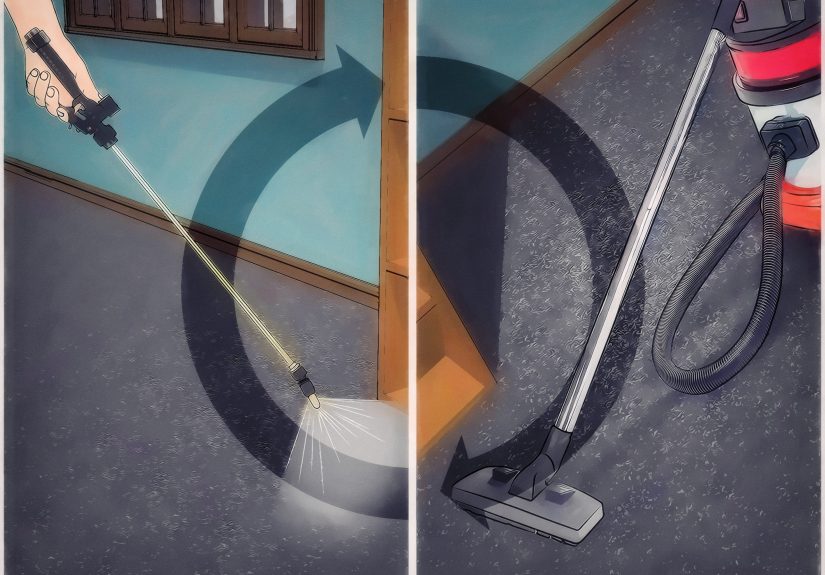
Vacuum rugs, carpets, upholstered furniture, car seats, and areas where your dog rests. Empty the vacuum canister or dispose of the bag promptly. Lice do not live in the environment as successfully as fleas, but cleaning removes stray insects, eggs, hair, skin flakes, and the general evidence that your dog has been redecorating with fur.
10. Watch for Skin Infections and Complications
Scratching can damage the skin. Once the skin barrier is broken, bacteria or yeast may take advantage. Call your veterinarian if you notice swelling, pus, foul odor, hot spots, bleeding, thick scabs, painful areas, or your dog crying when touched.
Also watch for signs of anemia in severe infestations, especially in puppies or small dogs. Pale gums, weakness, rapid breathing, collapse, or unusual tiredness require urgent veterinary attention.
If chewing lice were found, your veterinarian may discuss tapeworm control. Signs of tapeworms can include small rice-like segments near the anus, in stool, or on bedding. Do not panic, but do not ignore it either. Parasites love multitasking, and that is rude.
11. Prevent Dog Lice from Coming Back
Once the infestation is gone, prevention becomes the goal. Keep your dog on a veterinarian-approved parasite prevention plan. Groom regularly so you can spot problems early. Avoid sharing brushes, bedding, collars, or costumes between unfamiliar dogs. Inspect dogs after boarding, grooming, daycare, shelter stays, or close contact with dogs whose parasite prevention status is unknown.
Healthy skin and good overall care also matter. Dogs who are undernourished, very young, elderly, ill, neglected, or living in crowded conditions may be more vulnerable to lice. Regular veterinary exams, good nutrition, clean bedding, and proper grooming all help reduce risk.
If you adopt or foster a dog, schedule a veterinary checkup promptly and keep the new dog separate from resident pets until parasites and contagious conditions are ruled out. A little caution early can prevent a household-wide scratching festival later.
What Not to Do When Treating Dog Lice
When people discover parasites, the understandable first instinct is to launch a full-scale battle. Unfortunately, panic can lead to unsafe choices. Avoid these common mistakes:
- Do not use human lice shampoo on dogs unless your veterinarian specifically approves it.
- Do not use cat products on dogs or dog products on cats.
- Do not mix multiple flea, tick, or lice medications without veterinary guidance.
- Do not use essential oils as a primary treatment; many can irritate skin or be toxic to pets.
- Do not shave a severely matted dog with scissors at home.
- Do not stop treatment just because scratching improves after a day or two.
- Do not assume every itchy dog has lice; allergies, fleas, mites, and infections are common look-alikes.
The safest dog lice treatment plan is targeted, measured, and supervised by a veterinarian. Your dog does not need a chemical storm. Your dog needs the right product, the right dose, the right timing, and a clean environment.
How Long Does It Take to Get Rid of Dog Lice?
Many dogs begin to feel better within a few days after effective treatment, but complete control may take several weeks. The timeline depends on how heavy the infestation is, whether eggs are present, whether repeat treatment is done correctly, and whether the environment is cleaned thoroughly.
If live lice are still visible after the treatment should have worked, or if symptoms worsen, call your veterinarian. Possible reasons include incorrect product use, missed repeat treatment, reinfestation from another dog, resistance concerns, or a different skin condition that was present all along.
Can Humans Get Lice from Dogs?
Dog lice are species-specific. They are adapted to dogs and do not typically infest humans. Human head lice prefer humans; dog lice prefer dogs. Apparently even lice have boundaries.
That said, people can still feel itchy from handling an infested dog, from seeing tiny bugs, or from unrelated skin irritation. Wash your hands after handling your dog, clean fabrics, and avoid letting an infested dog sleep in your bed until treatment is underway. The main concern is not that dog lice will colonize your family; it is that they may spread to other dogs.
When to See a Veterinarian Immediately
Some cases can be managed with routine veterinary guidance, but certain symptoms deserve faster attention. Contact your veterinarian promptly if your dog has:
- Severe scratching with bleeding or open sores
- Pale gums, weakness, or collapse
- Signs of infection, such as pus, odor, swelling, or painful skin
- Heavy infestation in a puppy, senior dog, or sick dog
- Neurologic symptoms after parasite medication, such as tremors, wobbliness, or seizures
- Vomiting, drooling, lethargy, or breathing problems after treatment
- A household with cats where dog flea or tick products have been used incorrectly
Veterinary help is not just for emergencies. A quick exam can confirm the parasite, choose a safe treatment, and rule out other causes of itching. That can save time, money, and your dog’s remaining patience.
Real-Life Experience: What Dog Owners Learn While Fighting Lice
Most dog owners do not expect lice. Fleas, sure. Ticks, unfortunately. But lice? That feels like a plot twist written by a very itchy screenwriter. The first experience many owners describe is confusion. They see white specks in the coat and assume it is dandruff. Then the dog keeps scratching, the coat starts looking rough, and the mystery becomes harder to ignore.
One of the biggest lessons is that looking closely matters. A quick glance at a dog’s back may not reveal much. But when you part the fur near the ears, neck, tail base, and belly, the evidence becomes clearer. Nits attached to hair shafts are different from flakes that brush away easily. Live lice may be slow, but once you spot one moving, the case becomes less mysterious and much more motivating.
Another common experience is underestimating the cleaning. Owners may treat the dog and expect the problem to vanish instantly. Then they realize the dog has five favorite sleeping spots, three blankets, a crate pad, a car hammock, a plush toy shaped like a taco, and a suspicious attachment to the laundry basket. Treating lice successfully means thinking like the dog: Where do they sleep? Where do they rub? What touches their coat every day?
Many owners also learn that repeat treatment is not optional. The dog may look better after the first dose, but eggs can hatch later. Skipping the second treatment can turn a nearly solved problem into a frustrating comeback tour. Setting calendar reminders is a simple but powerful move.
Combing is another underrated part of the process. It is not glamorous, and most dogs do not file it under “spa day,” but it helps remove debris and lets you monitor progress. Short sessions with treats, praise, and breaks usually work better than one marathon grooming battle. A calm approach matters because dogs can sense when their person is stressed. If you act like the world is ending, your dog may decide the comb is also evil.
The experience also teaches owners to be careful with products. In the panic of finding parasites, it is tempting to buy the strongest-looking bottle on the shelf. But dogs vary by size, age, health, and medication tolerance. A product that is safe for one dog may not be right for another, and products labeled for dogs can be dangerous for cats. The smartest move is boring but effective: call the vet, follow directions, and do not improvise with chemicals.
Finally, dog lice remind owners that parasites are not a moral failure. A loved, clean, well-cared-for dog can still pick up unwanted passengers through contact with another dog or contaminated items. The goal is not embarrassment; it is action. Confirm the problem, treat safely, clean thoroughly, repeat as directed, and keep prevention in place. Your dog will forgive the extra baths. Eventually.
Conclusion
Learning how to get rid of dog lice comes down to a clear plan: identify the parasite, contact your veterinarian, treat your dog safely, clean the environment, repeat treatment on schedule, and prevent future exposure. Dog lice can be uncomfortable and stubborn, but they are manageable when you combine the right medication with consistent home care.
Do not rely on guesswork, harsh home remedies, or products meant for other animals. Your veterinarian can help you choose a treatment that fits your dog’s age, weight, health, and risk level. With patience and proper follow-through, your dog can get back to more important hobbies, such as napping dramatically, guarding the kitchen floor, and pretending they have never been fed.
Note: This article is for educational purposes only and is not a substitute for veterinary diagnosis or treatment. If your dog has severe itching, open sores, weakness, pale gums, or a reaction after parasite medication, contact a veterinarian immediately.