Table of Contents >> Show >> Hide
- Japanese Cedar in One Minute
- Pick the Right Cultivar: Your Future Self Will Thank You
- Site Conditions: Light, Heat, and Wind
- Soil: Moist Yes, Soggy No
- How to Plant Japanese Cedar
- Watering: Establishment Is Everything
- Fertilizer: Less “Energy Drink,” More “Balanced Breakfast”
- Pruning: Light Touch, Better Airflow
- Containers and Small-Space Growing
- Propagation (Optional, but Fun)
- Pests and Diseases: Prevention Beats Panic
- Troubleshooting: Quick Clues
- Field Notes: Real-World Experiences With Japanese Cedar (About )
- 1) The first-year “sulk” is normal
- 2) Clay soil is workable when you plant slightly high
- 3) Winter bronzing becomes less scary once you read the pattern
- 4) Screening plantings fail when “instant privacy” beats physics
- 5) Container dwarfs succeed when drainage is perfect
- 6) Pale foliage often turns out to be a soil issue, not a “feed me” request
- Conclusion: The Three Rules That Keep Japanese Cedar Happy
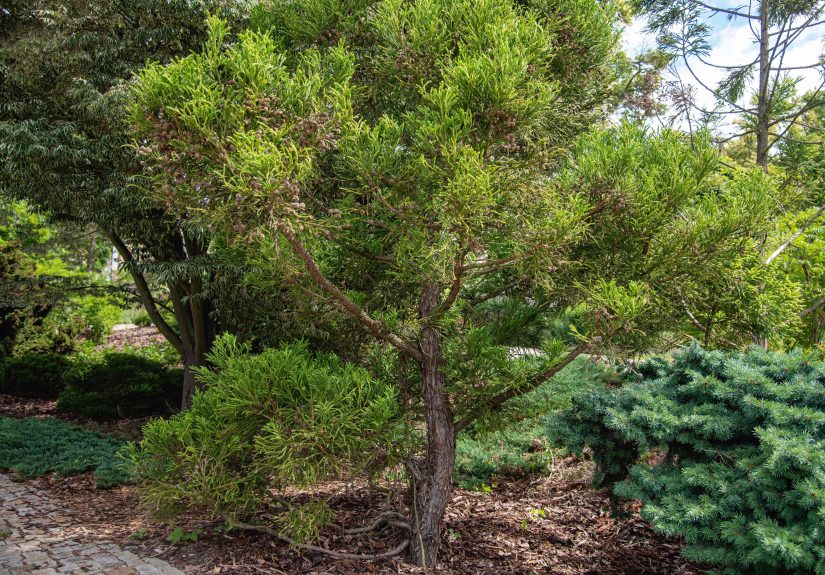
Japanese cedar (also called Japanese cryptomeria) is the evergreen that makes a yard look “designed” without requiring you to become a full-time hedge barber. It’s Cryptomeria japonicanot a true cedar, but a cypress relativewith soft, plume-like foliage and bark that peels in attractive strips. Give it the right spot and it’s a long-lived, low-drama specimen, screen, or dwarf accent.
Japanese Cedar in One Minute
- Hardiness: commonly grown in USDA Zones 5–9 (cultivar and siting matter)
- Light: full sun is best; tolerates partial shade
- Soil: moist, acidic to neutral, and well-drained (drainage is the deal-breaker)
- Size: tree forms often reach 50–60 feet in U.S. landscapes; many cultivars stay much smaller
Pick the Right Cultivar: Your Future Self Will Thank You
The biggest mistake with Japanese cedar is buying it for today’s size instead of tomorrow’s. Before you plant, decide what you want: a tall screen, a single “statement” tree, or a compact evergreen you’ll never have to argue with.
Size classes (rough guide)
- Large trees: can reach 30–60+ feet; great for screens and large properties.
- Medium forms: often 8–15 feet; ideal as specimens in smaller landscapes.
- Dwarf shrubs: typically 2–4 feet (sometimes a bit more with age); excellent for beds and containers.
Common landscape roles
- Privacy screen: upright or columnar forms (space for mature width, not “instant hedge”)
- Specimen tree: medium-to-large forms with graceful texture and bark
- Small garden accent: dwarf mounds or compact pyramids
- Containers/bonsai: true dwarfs with dense juvenile foliage
Example: A narrow side yard often does better with a naturally narrow cultivar than with repeated shearing. Shearing can make the outside look tidy while the inside turns into a brown, airless tangle (not the vibe).
Site Conditions: Light, Heat, and Wind
Light
Aim for 6+ hours of sun for the best density and color. In warmer climates, morning sun with afternoon shade can reduce heat stress while still keeping foliage full. In deeper shade, expect looser growth and thinner “privacy.”
Temperature and regional tweaks
In colder areas, winter bronzing is common and can be harmless. In hotter, more humid regions, foliage diseases are more likely if plants are crowded or stuck in still air. The practical takeaway: choose a site that gets sun, but also gives the plant breathing room.
Wind
Japanese cedar likes airflow (fewer fungal issues) but dislikes dry, cold winter wind. A bright, sheltered location is often the sweet spotespecially for young plants. If your yard is a wind tunnel, a temporary burlap windbreak for the first winter can prevent that “crispy evergreen” look.
Winter bronzing: normal vs. warning
Even, whole-plant bronzing can be a seasonal color shift. Severe browning concentrated on the windward side often points to drought + wind exposure, not “sudden death.” Watering before the ground freezes and mulching the root zone helps young plants ride out winter better.
Soil: Moist Yes, Soggy No
Japanese cedar thrives in rich, consistently moist soil that still drains well. If water sits in the planting area after rain, fix drainage or pick a different plant. Constantly wet roots invite root rot and slow decline.
pH and nutrition (why some trees look “pale”)
Cryptomeria generally prefers acidic to neutral soil. In alkaline conditions, needles can look washed-out or yellowish because nutrients become harder to access. If you suspect pH issues, a simple soil test is more useful than guesswork. If pH is high, gardeners often improve conditions over time with organic matter and acidifying mulches (like pine bark), rather than trying to “fix” the entire yard overnight.
Quick soil rules that save trees
- Drainage first: avoid low spots and heavy, waterlogged sites.
- Keep it evenly moist: consistent moisture beats extreme wet/dry swings.
- Improve structure: compost helps, but don’t create a “bathtub” by heavily amending only the hole.
How to Plant Japanese Cedar
Planting correctly prevents most long-term issues. The goal is simple: keep the root flare at the right height and give roots oxygen.
Step-by-step
- Dig wide, not deep: 2–3× the root ball width; depth equals root ball height.
- Set the root flare: trunk flare at or slightly above soil line.
- Loosen circling roots: tease them outward so roots can expand into the site.
- Backfill and water: use mostly native soil, then water deeply to settle.
- Mulch: 2–3 inches, pulled back from the trunk.
Pro tip: Avoid staking unless the tree truly wobbles in wind. A little movement helps trunks strengthen. If you do stake, remove supports after the first growing season.
Watering: Establishment Is Everything
New Japanese cedars need steady moisture while roots expand. After establishment, many become moderately drought-tolerant, but they still look best with irrigation during long dry spells.
A simple watering plan
- First month: deep water 2–3 times weekly (less with rain, more with heat).
- Remainder of year one: deep water weekly; don’t let the root ball dry out.
- After year one: water during droughtespecially in summer and before hard freezes.
How to know when to water: Stick a finger or trowel into the soil a few inches down. If it’s dry at that depth, water slowly and deeply. If it’s damp, wait. This simple check prevents both underwatering and the “I loved it to death” overwatering problem.
Fertilizer: Less “Energy Drink,” More “Balanced Breakfast”
If growth is steady and foliage color is good, skip the extra feeding. If you do fertilize, a slow-release tree-and-shrub fertilizer in late winter or early spring is usually enough. Always follow label rates and avoid heavy late-season nitrogen.
For gardeners who prefer a gentler approach, top-dressing with compost and refreshing mulch annually can improve soil structure and nutrition graduallyoften the most sustainable way to help long-lived evergreens.
Pruning: Light Touch, Better Airflow
Japanese cedar typically needs little pruning. Focus on removing dead or rubbing branches and opening the interior slightly for airflow. Light pruning is often best in mid-spring through summer. Pinching soft new tips can encourage a fuller look on some cultivarsthink “tidy up,” not “topiary makeover.”
Spacing and airflow (the invisible care step)
If you’re planting a screen, give each tree enough space that sunlight and air can reach the sides. Tight spacing creates a humid wall where inner foliage browns and fungi feel invited. If you inherited an overcrowded row, selectively thinning a few branches (or even removing every other plant) can dramatically improve health and appearance.
Containers and Small-Space Growing
Dwarf cryptomerias can do great in pots if drainage is excellent. Use a fast-draining mix, water thoroughly when the top inch dries, and repot every couple of years while the plant is young. In colder regions, protect containers from freeze-thaw stress because potted roots freeze faster than in-ground roots.
Propagation (Optional, but Fun)
If you like plant projects, Japanese cedar is commonly propagated from semi-hardwood cuttings in late summer. Seeds can work too, but they typically benefit from a cold period before germination. For most gardeners, propagation is “nice to know,” not necessarynursery-grown cultivars are the easiest path to predictable size and form.
Pests and Diseases: Prevention Beats Panic
Most serious problems trace back to stress: poor drainage, drought, crowding, or low airflow. Fix the cause and the symptoms often fade.
Common pests
- Bagworms: hand-pick bags in fall/winter/early spring; treatments work best when larvae are small in late spring.
- Spider mites: can cause stippling and bronzing; many conifer mites peak in cooler spring/fall weather.
- Scale: more likely on stressed plants; identify before treating to protect beneficial insects.
Common diseases
- Root rot: a wet-soil problemimprove drainage and avoid overwatering.
- Needle/leaf blight and leaf spot: more common with crowding and shade; improve airflow and favor morning sun.
Troubleshooting: Quick Clues
- Even winter bronzing: often normal; reassess in spring.
- Patchy bronzing + tiny specks on white paper test: suspect mites; confirm and treat early.
- Decline with persistently wet soil: suspect drainage/root issues first, not fertilizer.
- Interior browning in a crowded screen: often low light + low airflow; thin and/or increase spacing.
Field Notes: Real-World Experiences With Japanese Cedar (About )
Japanese cedar usually earns its “easy-care” reputationafter you match it to the right site. Most real-life stories from gardeners and landscapers boil down to a few repeat themes. Here’s what people commonly experience, plus the small tweaks that turn frustration into success.
1) The first-year “sulk” is normal
New plants often stall while roots adjust. The wins come from boring consistency: deep watering, a mulch ring, and resisting the urge to fertilize your way out of a root problem. Many trees look noticeably better by midseason once roots start exploring beyond the original potting mix.
2) Clay soil is workable when you plant slightly high
In heavier soils, frequent shallow watering is a common misstepit keeps the surface wet and the lower zone airless. Successful growers in clay tend to plant slightly above grade (a gentle mound), water slowly, and let the top inch dry between soakings. If the site stays wet after storms, that’s a drainage project, not a watering schedule.
3) Winter bronzing becomes less scary once you read the pattern
Even, whole-plant bronzing can be a seasonal color change. Trouble looks different: browning mainly on the windward side, crispy tips, or dieback on young plants. Those cases often improve with wind protection (temporary burlap works), watering before deep freezes, and avoiding exposed corners that act like wind tunnels.
4) Screening plantings fail when “instant privacy” beats physics
Planting too close may look great for one year, then you get a humid wall with brown interior growth and more fungal pressure. Landscapes that age well give each tree enough width to hold foliage all the way down, and they thin lightly for airflow instead of shearing the outside into a green crust.
Spacing reality check: if you’re using cryptomeria as a screen, plan the mature width first, then space accordingly (often farther apart than your impatient brain wants). A staggered, two-row planting can provide privacy without turning into a mildew-friendly wall. It also lets light hit the lower branches, which helps keep that nice green skirt instead of a bare-legged screen.
5) Container dwarfs succeed when drainage is perfect
Dwarf cryptomerias in pots can be stunning year-round, especially near entryways. The most common learning curve is watering: pots dry fast in summer and stay wet longer in winter. People who do well use fast-draining mix, water thoroughly, and protect containers from freeze-thaw cycles. The plant doesn’t need dramajust steady moisture and lots of drainage.
6) Pale foliage often turns out to be a soil issue, not a “feed me” request
When needles look faded in alkaline soils, many gardeners reach for fertilizer first. The more effective move is checking pH and improving the soil environment over time: organic matter, appropriate mulches, and watering practices that keep roots healthy. Healthy roots fix more “color problems” than any quick-fix product.
The biggest “aha” most growers report is simple: Japanese cedar wants roots that stay moist and oxygenated, plus foliage that dries between waterings. Provide those basics and you’ll get a refined evergreen that looks expensive for decades.
Conclusion: The Three Rules That Keep Japanese Cedar Happy
To grow and care for Japanese cedar successfully, prioritize drainage, keep moisture steady during the first year, and protect young plants from harsh, drying wind. Choose a cultivar sized for your space, prune lightly for airflow, and address pests early (bagworms and mites are easiest when small). Do that, and Cryptomeria japonica becomes one of the most elegant, versatile evergreens you can plant.