Table of Contents >> Show >> Hide
- What Is Lamb’s Ear, Exactly?
- Best Growing Conditions for Lamb’s Ear
- How to Plant Lamb’s Ear
- How to Care for Lamb’s Ear Through the Seasons
- Pruning, Deadheading, and Dividing
- Common Problems and How to Fix Them
- Best Lamb’s Ear Varieties to Grow
- Landscape Uses and Companion Plants
- Extra Experience from the Garden: What Growing Lamb’s Ear Really Teaches You
- Final Thoughts
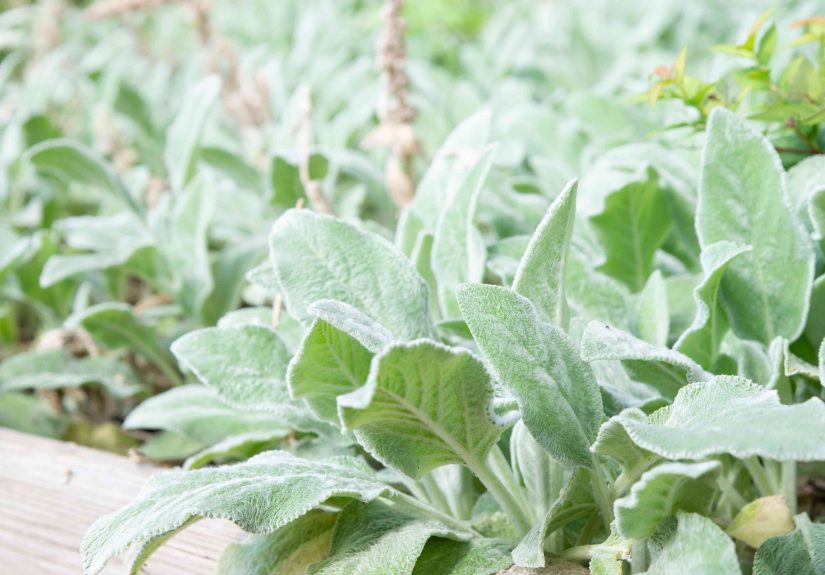
If plants had a petting zoo, lamb’s ear would be the undisputed headliner. Soft, silvery, fuzzy, and just dramatic enough to make nearby flowers look like they forgot to accessorize, lamb’s ear is one of those plants gardeners fall for at first touch. Officially known as Stachys byzantina, this classic perennial is grown mostly for its velvety foliage, though its flower spikes can also add charm when the plant is happy and not busy judging your watering habits.
The good news is that growing lamb’s ear is not complicated. The better news is that it actually prefers a little neglect over too much love. Give it sun, well-drained soil, and a break from soggy conditions, and it usually rewards you with a handsome carpet of silver leaves that softens pathways, brightens borders, and makes dry spots look intentional. If you have ever wanted a drought-tolerant ground cover that looks fancy without demanding daily emotional support, this might be your plant.
In this guide, you will learn exactly how to grow and care for lamb’s ear, from planting and watering to pruning, dividing, and solving common problems before your fuzzy foliage turns into a fuzzy tragedy.
What Is Lamb’s Ear, Exactly?
Lamb’s ear is a low-growing perennial in the mint family, prized for its thick, woolly leaves that range from silver to gray-green. It forms spreading clumps or mats, which makes it popular as an edging plant, a perennial ground cover, and a texture booster in sunny garden beds. In warmer climates it may stay evergreen, while in colder regions it often dies back and returns in spring like nothing happened.
The foliage is the star of the show. The flowers, usually pinkish-purple on upright spikes, are more like supporting actors. Some gardeners love the bloom stalks because they attract pollinators and add height. Others snip them off because they prefer a tighter, tidier carpet of leaves. Both camps can coexist peacefully, ideally with pruners.
Lamb’s ear is especially popular in sensory gardens because the leaves are irresistibly soft. It is also often used in rock gardens, cottage gardens, Mediterranean-style plantings, and low-water landscapes where silver foliage helps cool the visual temperature of the bed.
Best Growing Conditions for Lamb’s Ear
Light: Give It Sun, but Use Common Sense in Hot Climates
For the best color and the strongest growth, lamb’s ear prefers full sun. That means at least six hours of direct sunlight a day. In cooler regions, more sun usually means better silver color and a tighter growth habit. In hotter Southern or desert climates, however, some afternoon shade can help prevent leaf scorch and reduce stress.
Too much shade is where the trouble often starts. Shadier conditions can make the plant greener, looser, and more vulnerable to moisture problems because the leaves stay damp longer. Lamb’s ear likes bright conditions, not a gloomy spa retreat.
Soil: Drainage Matters More Than Richness
If there is one thing to remember about lamb’s ear plant care, it is this: the soil must drain well. This perennial is surprisingly tolerant of poor soil, sandy soil, rocky soil, and even average garden beds, but it does not want wet feet. Heavy, soggy, or constantly saturated soil can lead to crown rot, root rot, and leaf problems faster than you can say, “But I was just trying to help.”
In fact, overly rich soil can make lamb’s ear spread aggressively or get a little floppy. This is one plant that does not need a luxury condo. A humble, well-drained spot is often perfect.
Water: Less Is Usually More
Once established, lamb’s ear is fairly drought tolerant. Newly planted divisions or nursery starts need regular moisture while they root in, but after that, you should water only when the soil is dry. A general rule is about 1 inch of water per week during dry spells, though mature plants may need less depending on your soil and climate.
The leaves should be kept as dry as possible. Avoid overhead watering whenever you can. Water at the base of the plant early in the day so excess moisture can evaporate. Wet, fuzzy leaves are basically a welcome mat for fungal issues.
Temperature and Humidity: Dry Air Wins
Lamb’s ear handles cold surprisingly well and returns faithfully in many U.S. gardens, but high humidity is where it gets cranky. Hot, humid summers can cause rot, leaf spots, or a general “I am done with this season” appearance. In humid areas, choose a site with excellent air circulation, avoid overcrowding, and consider more rot-resistant cultivars such as Big Ears or Helene von Stein.
How to Plant Lamb’s Ear
The best time to plant lamb’s ear is in spring after the danger of hard frost has passed. You can also plant it in early fall in many regions, as long as the roots have time to establish before severe winter weather arrives.
- Choose a sunny or partly sunny location with fast-draining soil.
- If the soil is compacted or slow to drain, improve it before planting. Compost can help structure, but do not turn the bed into a fertility festival.
- Dig a hole as deep as the nursery pot and slightly wider.
- Set the plant at the same depth it was growing in the container.
- Space plants about 12 to 18 inches apart, depending on the variety and how quickly you want a ground cover effect.
- Water thoroughly after planting, then keep the soil lightly moist for the first week or two.
If you are planting lamb’s ear as an edging plant, give it a little room to spill over the edge. That soft, mounding habit is part of its charm. If you are using it in a mixed perennial bed, pair it with plants that appreciate similar conditions, such as lavender, salvia, catmint, yarrow, coreopsis, sedum, coneflower, or thyme.
How to Care for Lamb’s Ear Through the Seasons
Spring Care
Spring is cleanup season. Remove any winter-damaged leaves, mushy bits, or dead growth so new foliage can emerge cleanly. This is also the best time to divide overcrowded clumps or replant rooted sections that have wandered into places where they were not invited.
If you want a small boost, a thin layer of compost is plenty. Skip heavy fertilizer. Lamb’s ear generally performs better without rich feeding.
Summer Care
Summer is when lamb’s ear looks either wonderfully sculptural or slightly offended by the weather. In dry, sunny conditions, it usually thrives with minimal attention. In humid weather, keep an eye out for browning leaves or collapsing centers. Remove damaged foliage promptly to improve airflow and appearance.
Flower spikes appear in late spring to summer, depending on the variety and your climate. You can leave them for texture and pollinator activity, or deadhead them to keep the plant focused on foliage. If the plant self-seeds where you do not want it, cutting flower stalks before seed set is the polite thing to do.
Fall and Winter Care
In fall, you can lightly tidy the plant, but avoid turning it into a buzz cut unless it truly looks rough. In colder climates, some foliage may die back naturally. In milder climates, lamb’s ear may stay attractive through winter. The main winter goal is avoiding waterlogged soil, not fussing over every leaf like it is a tiny silver heirloom.
Pruning, Deadheading, and Dividing
Pruning
Lamb’s ear benefits from simple, strategic pruning. Remove dead, spotted, or mushy leaves whenever you see them. If the plant becomes ragged after flowering or after a humid stretch, cut it back lightly to refresh growth. Harsh pruning is usually tolerated, but moderation keeps the plant looking natural.
Deadheading
Deadheading flower spikes can improve appearance, reduce unwanted reseeding, and encourage the plant to put more energy into fresh foliage. This is especially useful if you are growing lamb’s ear mainly for its silver leaves rather than the flowers.
Division
Divide lamb’s ear every 2 to 3 years, especially if the center of the clump starts thinning out or dying back. Spring and early fall are the best times. Lift the clump, discard weak or dead centers, and replant the healthy outer sections. Division is the fastest and easiest way to propagate most lamb’s ear varieties, and it helps keep the plant vigorous instead of sprawling into a tired silver pancake.
Common Problems and How to Fix Them
Rot and Fungal Disease
This is the big one. If lamb’s ear is failing, excess moisture is usually the prime suspect. Symptoms include mushy crowns, spotted leaves, and collapsing stems. The fix is not magical. Improve drainage, reduce watering, remove damaged growth, and thin crowded plants.
Too Much Shade
Plants grown in too much shade often look greener, looser, and less compact. Move divisions to a sunnier spot if the plant never seems to dry properly or loses its signature silver look.
Overcrowding
A mature patch can become dense, especially in rich soil. Divide it, thin it, or pull out wandering stems. Thankfully, lamb’s ear is much easier to manage than some ground covers that behave like they are training for world domination.
Floppy Flower Stalks
Some varieties naturally flower more than others, and tall flower stems may flop in rich soil or part shade. If you do not love the look, cut them off. Nobody will call the plant police.
Best Lamb’s Ear Varieties to Grow
- ‘Big Ears’ or ‘Helene von Stein’: Known for extra-large leaves, improved tolerance of heat and humidity, and fewer flowers. Excellent if you want bold foliage with less deadheading.
- ‘Silver Carpet’: Rarely blooms and stays relatively low, which makes it a strong choice for a tidy ground cover.
- ‘Cotton Boll’: Produces distinctive fuzzy flower clusters and is often favored by gardeners who want something a little quirky.
- ‘Little Lamb’: A more compact option with a neat habit that works nicely in smaller spaces.
When choosing a cultivar, think about your climate and your patience level. If you garden in a humid region and hate cleanup, a variety that flowers less and resists summer slump is often the smart pick.
Landscape Uses and Companion Plants
Lamb’s ear shines where texture matters. Use it along pathways, at the front of borders, in gravel gardens, around stepping stones, or in dry slopes where softer foliage makes a hard edge feel more welcoming. It also looks excellent beside plants with darker leaves or brighter flowers because silver foliage acts like a visual spotlight.
Great companions include lavender, salvia, nepeta, yarrow, echinacea, black-eyed Susan, thyme, sedum, and ornamental grasses. The formula is simple: pair lamb’s ear with sun-loving, well-drained-soil neighbors and everyone gets along beautifully.
It is also a smart choice in deer-resistant planting schemes. While nothing is completely deer-proof in a desperate season, the fuzzy leaves tend to be less appealing than softer, juicier options. Rabbits are also often less interested, which is good news if your neighborhood wildlife runs a midnight salad bar.
Extra Experience from the Garden: What Growing Lamb’s Ear Really Teaches You
After a few seasons with lamb’s ear, most gardeners discover that the plant is less high-maintenance diva and more dry-humored minimalist. It does not ask for fancy fertilizer, daily pampering, or a handwritten apology when the weather changes. What it does ask for is restraint. That, oddly enough, is the lesson many people struggle with most.
One of the first real-life experiences gardeners report is that lamb’s ear looks almost too perfect when newly planted. The leaves are plush, silver, and charming enough to make you check whether they are secretly made of velvet craft fabric. Then comes the temptation to “help” it grow faster by watering more often, tucking it into rich soil, or surrounding it with thirstier plants. That is usually when the trouble begins. Lamb’s ear is one of those plants that rewards a lighter touch. The gardeners who succeed with it are usually the ones who step back and let the plant behave like the drought-tolerant perennial it is.
Another common experience is the difference between dry climates and humid ones. In a cooler or drier garden, lamb’s ear can look almost effortless. It forms a silky border, softens stone paths, and keeps its silver tone with very little intervention. In a humid summer, however, the same plant can turn moody. Leaves may spot, centers may thin out, and a patch that looked magical in May can look slightly exhausted by July. That does not mean you failed. It usually means the site needs better airflow, less overhead watering, or a cultivar better suited to your conditions.
Gardeners also learn quickly that lamb’s ear is a tactile plant in the truest sense. Children reach for it. Visitors comment on it. Even people who know absolutely nothing about perennials tend to understand it instantly. They may not remember the botanical name, but they remember the plant that felt like a tiny stuffed animal growing next to the walkway. That makes lamb’s ear especially useful in family gardens, sensory gardens, and spaces where you want plants to invite interaction rather than just sit there looking decorative and emotionally unavailable.
There is also a design lesson hidden in this plant. Lamb’s ear teaches you that foliage matters just as much as flowers. In many gardens, people chase bloom after bloom and forget that structure, color contrast, and leaf texture carry the landscape between flowering seasons. A patch of lamb’s ear beside purple salvia or yellow coreopsis can make the whole bed look more polished. It acts like a visual pause, a cool-toned cushion between louder colors. In other words, it is the friend who wears one excellent neutral outfit and somehow makes everyone else look more stylish.
Finally, long-term growers of lamb’s ear become surprisingly good editors. They learn to divide clumps before they get tired, trim flower stalks when they look messy, and remove damaged leaves without overreacting. The plant does not need perfection. It needs occasional smart decisions. That is probably why so many gardeners keep growing it year after year. Lamb’s ear is soft to the touch, but it quietly teaches sturdy habits: plant for the site, respect drainage, avoid overdoing it, and trust that not every beautiful thing needs constant interference.
Final Thoughts
If you want a plant that brings softness, texture, and silver color to the garden without demanding endless chores, lamb’s ear is a standout choice. Grow it in full sun or light afternoon shade, plant it in well-drained soil, water sparingly once established, and divide it every few years to keep it fresh. Most of the problems associated with lamb’s ear come from one issue: too much moisture. Get the drainage right, and the rest becomes refreshingly simple.
Whether you use it as a perennial ground cover, a border plant, a sensory garden favorite, or a foil for brighter flowers, lamb’s ear has a way of making a garden feel both polished and relaxed. And honestly, any plant that looks this soft while surviving a bit of neglect deserves some respect.