Table of Contents >> Show >> Hide
- What Are Ramps?
- Why Gardeners Love Growing Ramps
- Best Growing Conditions for Ramps
- Where to Plant Ramps
- How to Plant Ramps
- How Long Do Ramps Take to Grow?
- Ramp Care Through the Seasons
- Fertilizer, Mulch, and Maintenance
- Common Problems When Growing Ramps
- How to Harvest Ramps Responsibly
- Can You Grow Ramps in a Backyard Shade Garden?
- of Real-World Experience: What Growing Ramps Feels Like
- Final Thoughts
Ramps are the kind of plant that make gardeners act a little dramatic. One minute you are calmly planning your shade garden, and the next you are whispering reverently about a woodland onion like it is a celebrity chef with dirt on its shoes. Also called wild leeks, ramps are one of the most beloved spring edibles in eastern North America, prized for their bold flavor that lands somewhere between garlic, onion, and pure seasonal excitement.
But here is the catch: ramps are not a fast, easy, plant-it-and-forget-it crop. They are slow. Really slow. These are woodland perennials with their own schedule, their own preferences, and absolutely no interest in becoming the radishes of the shade garden. If you want to grow ramps successfully, you need to think less like a vegetable gardener and more like a forest floor manager.
The good news is that once you understand how ramps live in the wild, caring for them starts to make sense. Give them the right light, moisture, organic matter, and patience, and you can build a healthy patch that returns each spring like an old friend who smells faintly of onions.
What Are Ramps?
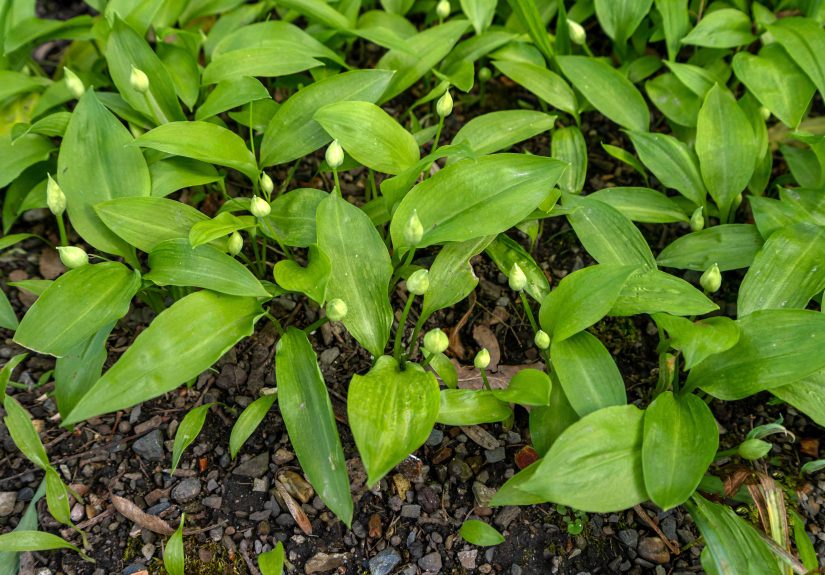
Ramps are native perennial alliums, usually identified as Allium tricoccum, and they naturally grow in rich deciduous woodlands. They emerge very early in spring, send up broad green leaves, and then begin to fade back as the tree canopy fills in overhead. Later, a leafless stalk appears with a globe of white flowers, followed by black seeds. In other words, ramps put on a brief spring show, disappear for summer, and then quietly prepare for next year behind the scenes.
This growth pattern is the first thing to understand if you want to grow ramps well. They are a spring ephemeral, which means they take advantage of the sunlight that reaches the forest floor before deciduous trees leaf out. They are not interested in baking in a sunny raised bed in July. Put them in the wrong place and they will not complain loudly. They will simply sulk, weaken, and fail to build a strong colony.
Why Gardeners Love Growing Ramps
Ramps bring together three things gardeners love: flavor, seasonality, and bragging rights. The flavor is rich and savory, stronger than a scallion but sweeter than raw garlic. The season is short, which makes harvest feel special. And the bragging rights are real, because a thriving ramp patch tells visitors that you understand shade gardening on a deeper level than someone who just tossed a fern under a maple and hoped for the best.
They also fit beautifully into woodland gardens, edible landscapes, forest farming systems, and native plantings. A well-grown patch can look ornamental in spring, especially when paired with other woodland species like bloodroot, trout lily, wild ginger, black cohosh, or mayapple.
Best Growing Conditions for Ramps
Light
Ramps grow best in partial to full shade, especially beneath deciduous trees. The ideal location gets bright spring light before the canopy fills in, then turns shaded as weather warms. This mimics the plant’s native habitat and helps protect leaves from drying out too quickly.
Soil
The best soil for ramps is rich in organic matter, loose, moisture-retentive, and covered with decomposing leaf litter. Think forest floor, not tidy vegetable bed. They appreciate soil that stays cool and humusy, with good drainage but dependable moisture. Near-neutral soil is often described as ideal, though ramps are also found in mildly acidic woodland soils. If your garden soil looks thin, compacted, or lifeless, ramps will probably file a silent complaint.
Moisture
Consistent moisture is critical. Not soggy, swampy misery, but steady moisture through the year. Many failed ramp plantings happen because the site seems fine in spring and then turns bone-dry in summer. Even though the leaves are gone by then, the bulbs still need a habitat that does not swing wildly between wet and dusty.
Temperature and Hardiness
Ramps are hardy woodland plants that handle cold winters just fine. In fact, cold is part of the story, especially for seed germination. They are much better suited to temperate climates with a real winter than to hot, dry landscapes where shade alone cannot make up for lack of moisture.
Where to Plant Ramps
The classic place to grow ramps is under hardwood trees such as maple, beech, oak, birch, basswood, hickory, or poplar. North- or east-facing woodland edges are especially good because they tend to stay cooler and moister. A naturalized shade bed can also work if you build the soil generously with composted leaves and mimic woodland conditions.
If you do not have a wooded property, you can still grow ramps in a shade garden. Choose a bed protected from harsh afternoon sun, add lots of leaf mold or compost, mulch heavily with shredded hardwood leaves, and make sure the area does not dry out in summer. It may not be a perfect forest, but ramps are willing to compromise if you get the essentials right.
How to Plant Ramps
Growing Ramps from Seed
Growing ramps from seed is the most economical way to start a large patch, but it requires patience bordering on sainthood. Ramp seeds have a built-in dormancy cycle. They usually need a warm, moist period followed by cold before they germinate properly. That is why fresh seed is often sown in late summer or fall.
To sow ramp seed, pull back the leaf litter, loosen the soil surface lightly, press the seed onto or just into the soil, and cover it with a generous layer of leaves. Keep the bed moist and resist the urge to dig around every other weekend to see whether life is happening. With ramps, curiosity is not always rewarded.
Seed germination can take many months, and visible top growth may not appear until the following spring or even later, depending on conditions. Once seedlings emerge, the plants still need years to size up. Seed-grown ramps are for gardeners who enjoy the long game.
Growing Ramps from Bulbs or Transplants
If you want a faster start, plant bulbs, divisions, or nursery-grown transplants. This is the most practical option for home gardeners who want a realistic shot at harvest within a few seasons. Plant bulbs about 3 inches deep and roughly 4 to 6 inches apart. Add 2 to 3 inches of leaf mulch after planting to protect moisture and moderate temperature swings.
Early spring and fall are both commonly used for planting, though timing depends on your climate and on what type of planting stock you have. Whatever you do, buy from reputable growers or nurseries. Digging wild ramps to create a backyard patch may feel rustic, but it is a terrible conservation strategy and a great way to weaken native populations.
How Long Do Ramps Take to Grow?
This is where ramps separate the committed gardeners from the people who want dinner ingredients by next Tuesday. Seed-grown ramps may take several years before you should even think about serious harvest. Many extension and agroforestry sources place leaf harvest at roughly four years from seed under good conditions, while full bulb harvest can take five to seven years or more. Some sources note that seed-grown plants may take even longer to reach real maturity.
Bulb-planted ramps move faster, often reaching a useful harvestable size in about two to three years. Still, “faster” is relative here. Ramps are woodland perennials, not salad greens. If you need instant gratification, grow chives. If you want a patch with character, stay the course.
Ramp Care Through the Seasons
Spring
Spring is the active season. Leaves emerge, photosynthesis happens fast, and the plant gathers energy for the year. Keep the bed evenly moist, protect young growth from aggressive weeds, and enjoy the show. This is also the moment when the garden feels briefly magical, because ramps arrive when much of the rest of the yard still looks half asleep.
Summer
By early summer, the leaves will yellow and disappear. Do not panic and do not dig them up in a fit of concern. This is normal. Flower stalks may appear after leaf dieback, and the bulbs remain alive underground. Continue to protect the site from drying out, trampling, and heavy disturbance.
Fall
Fall is a smart time to top-dress the patch with composted leaves or leaf mold. It is also a good time for seed sowing in many regions. Let natural leaf drop work in your favor. A ramp bed should not look overly manicured; it should look like a happy little corner of forest.
Winter
Winter care is mostly about leaving the patch alone. The mulch layer helps insulate the soil, protect bulbs, and preserve structure. Your job in winter is mainly to be patient and not “improve” things into disaster.
Fertilizer, Mulch, and Maintenance
Ramps are not heavy feeders in the way many vegetable crops are, but they do appreciate a steady supply of organic matter. The best maintenance routine is simple: add composted hardwood leaves, leaf mold, or similar woodland-style organic material and keep the soil covered. Hardwood leaf mulch is especially valuable because it helps hold moisture, moderates soil temperature, slowly contributes nutrients, and preserves the forest-floor texture ramps prefer.
Avoid piling on flashy synthetic fertilizers in hopes of speeding them up. Ramps are not lazy. They are just biologically committed to taking their time.
Common Problems When Growing Ramps
Dry Soil
The biggest problem is summer dryness. If the soil goes crisp after the leaves vanish, the bulbs still suffer. Mulch deeply and choose your site wisely.
Bulb Rot
Too much standing water can cause bulb problems. Moist is good. Waterlogged is not. Good drainage matters, especially in compacted or heavy soils.
Impatience
This is not technically a plant disease, but it wipes out a lot of ramp dreams. Harvesting too soon, digging too many bulbs, or assuming a one-year-old planting should look like a wild Appalachian colony are all classic errors.
Misidentification
If you forage or compare plants in the wild, be careful. Some lookalikes are poisonous. A true ramp smells distinctly like onion or garlic when bruised. If a plant does not have that smell, do not treat it like a ramp.
How to Harvest Ramps Responsibly
Responsible harvesting is the difference between stewardship and looting with a garden trowel. Because ramps are slow-growing and whole-plant harvest removes the bulb, careless digging can wipe out a patch for years. The most conservative approach is to harvest leaves only, and even then, lightly. Taking a single leaf from a plant is often recommended as a gentler way to enjoy the crop while allowing the bulb to keep growing.
If you are growing ramps specifically for bulbs, wait until the patch is well established and reproductive. Even then, harvest sparingly and rotate your harvest area. Some agroforestry recommendations suggest limiting harvest from a plot to a small percentage of plants and using multi-year rotation rather than repeatedly hitting the same section. Translation: do not treat one nice patch like an all-you-can-eat buffet.
Can You Grow Ramps in a Backyard Shade Garden?
Yes, absolutely, as long as you respect what the plant needs. A suburban yard can support ramps if you have deciduous shade, rich organic soil, and decent moisture. They are especially well suited to the edges of wooded lots, under mature trees, or in naturalized beds where fallen leaves are allowed to play a starring role.
If your site is hot, sunny, and dry, ramps are not impossible, but they are far less forgiving. In that case, you may need to create artificial shade, improve the soil heavily, and monitor moisture much more closely. It can be done, but ramps prefer being courted in the language of woodland conditions.
of Real-World Experience: What Growing Ramps Feels Like
Growing ramps is one of those gardening experiences that quietly changes your relationship with time. At first, you approach them like any other edible crop. You ask practical questions. How soon will they sprout? When can I harvest? Why are they not doing much? Then ramps gently retrain your expectations and remind you that not every worthwhile plant is in a hurry.
The first experience most growers have is surprise at how subtle the whole thing is. You do not get a loud, flashy payoff. Instead, you get a small spring emergence that feels deeply satisfying precisely because it is brief. After a winter of bare soil and gray skies, those smooth green leaves look almost theatrical, like nature has decided to reopen the season with a limited engagement performance.
Another common experience is learning to love leaf litter. People who once treated fallen leaves like a nuisance suddenly become protective of them. You start noticing which leaves break down nicely, how mulch holds moisture, and how a patch under maples behaves differently from a patch near the drier edge of the yard. Ramps make gardeners better observers because the plant responds to habitat details that many faster crops ignore.
There is also a strange emotional phase that happens after leaf dieback. New ramp growers often assume something has gone wrong. The leaves fade, the patch looks empty, and the temptation to poke, dig, and interfere becomes almost comical. But with experience comes trust. You learn that absence is part of the rhythm. The plant is not gone. It is simply working underground, which is honestly a pretty advanced life strategy.
People who stick with ramps also talk about the pleasure of restraint. Most edible gardening rewards harvesting more. Ramps reward harvesting less. That changes your mindset. Instead of asking, “How much can I take?” you start asking, “How can I keep this patch thriving for years?” That shift feels less like crop production and more like partnership. You stop treating the plant as inventory and start treating it like a colony you are helping to establish.
Then there is the culinary side. The first homegrown ramp harvest, even if it is just a few leaves, feels ridiculously luxurious for such a humble plant. A little chopped into eggs, potatoes, butter, or soup tastes like spring with opinions. Because the harvest is modest, you tend to use it more thoughtfully, and that makes the experience even better.
Perhaps the most meaningful experience, though, is watching a patch slowly improve over time. One year becomes three, then five, and suddenly the planting starts to look settled, natural, and self-assured. It no longer seems like something you installed. It feels like something that belongs. In a gardening world obsessed with instant transformation, ramps offer a quieter reward: the satisfaction of building something durable, beautiful, and delicious at the pace of a forest rather than the pace of a shopping cart.
Final Thoughts
If you want to grow ramps successfully, the secret is simple: imitate the woods, respect the plant’s slow pace, and harvest with a conscience. Give ramps shade, moisture, rich organic soil, and years instead of months. In return, they offer one of spring’s most distinctive flavors and one of gardening’s most satisfying long-term projects.
So yes, ramps are a little demanding. They want a woodland setting, a soft leafy blanket, and a gardener with self-control. But really, after tasting a healthy homegrown patch in early spring, that starts to sound less like a burden and more like a fair trade.