Table of Contents >> Show >> Hide
- What Makes Vanilla Strawberry™ Hydrangea So Special?
- Best Growing Conditions for Vanilla Strawberry™ Hydrangea
- How to Plant Vanilla Strawberry™ Hydrangea
- Watering and Feeding
- How and When to Prune Vanilla Strawberry™ Hydrangea
- Why the Flowers Change Color
- Common Problems and How to Fix Them
- Landscape Uses for Vanilla Strawberry™ Hydrangea
- Can You Grow Vanilla Strawberry™ Hydrangea in a Container?
- Season-by-Season Care Checklist
- What Gardeners Commonly Experience With Vanilla Strawberry™ Hydrangea
- Conclusion
Some shrubs are pretty. Some are reliable. And then there is Vanilla Strawberry™ hydrangea, the garden drama queen that somehow earns the title in the best possible way. This panicle hydrangea starts the season in creamy vanilla white, then blushes pink, then deepens into a rich strawberry red that makes nearby plants look like they forgot to dress up. If you want a shrub that delivers a long bloom season, a big visual payoff, and a care routine that does not require a PhD in plant psychology, this one deserves a spot on your list.
Officially known as Hydrangea paniculata ‘Renhy,’ Vanilla Strawberry™ is loved for its large cone-shaped flower heads, sturdy red-tinged stems, and reliable blooming habit. Because it is a panicle hydrangea, it blooms on new wood, which means pruning is refreshingly low-stress compared with older hydrangea types that sulk when trimmed at the wrong time. In plain English: you do not have to tiptoe around it like it is holding a grudge.
This guide covers everything you need to know about how to grow and care for Vanilla Strawberry™ hydrangea, from planting and watering to pruning, troubleshooting, and getting the best color show possible. Whether you are building a cottage-style border, dressing up a foundation bed, or just trying to make your backyard look suspiciously expensive, this shrub is an excellent place to start.
What Makes Vanilla Strawberry™ Hydrangea So Special?
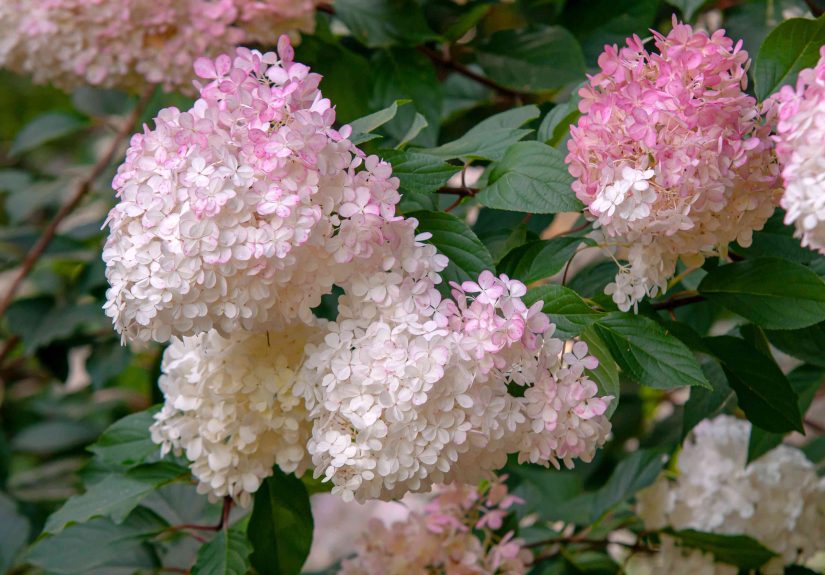
Vanilla Strawberry™ is a large panicle hydrangea with a showy, upright-to-arching habit. Mature plants commonly reach about 6 to 8 feet tall and 4 to 5 feet wide, though growing conditions and pruning style can influence the final size. Flower panicles appear from midsummer into fall, opening white before shifting to pink and then pinkish-red. Because fresh flowers continue to open while older blooms deepen in color, the plant often displays multiple shades at once. That two-tone and even three-tone effect is the whole magic trick.
It is also one of the more cold-hardy hydrangeas, making it a practical choice in many climates. Gardeners love it as a specimen shrub, a flowering hedge, or the anchor plant in a mixed border. Florists and backyard clippers also appreciate the blooms for fresh and dried arrangements. So yes, it is glamorous, but it also pulls its weight.
Best Growing Conditions for Vanilla Strawberry™ Hydrangea
Sunlight
If you want the strongest stems and the best flower show, give this shrub a sunny spot. Vanilla Strawberry™ hydrangea grows best in full sun to part shade. In cooler regions, six or more hours of sun usually produces the best performance. In hotter areas, some afternoon shade helps prevent stress during intense summer heat. Think of it as wanting a bright beach vacation, not a desert survival challenge.
Too much shade is one of the fastest ways to end up with weak growth and disappointing bloom production. If your plant looks leafy but stingy with flowers, light is one of the first things to evaluate. Hydrangeas are often treated like shade plants by default, but panicle hydrangeas are the sun-lovers of the family.
Soil
The ideal soil for Vanilla Strawberry™ is moist, well-drained, organically rich soil. The key phrase there is “well-drained.” This hydrangea likes moisture, but it does not want soggy roots. If your planting area stays wet for days after rain, improve drainage or choose another location. Wet feet are charming only on ducks.
One pleasant surprise with panicle hydrangeas is that they are not overly fussy about soil pH. Unlike blue-and-pink bigleaf hydrangeas, Vanilla Strawberry™ does not change flower color based on soil pH. Its color transition from white to pink to red is genetic, not something you manipulate with coffee grounds, aluminum sulfate, or garden folklore passed down by a well-meaning uncle.
Hardiness and Climate
This shrub is generally hardy in USDA Zones 3 to 8, which gives it an impressively broad range. It handles cold winters better than many hydrangeas, and it also tolerates summer heat better than the fussier types. That makes it especially useful for gardeners who love hydrangeas but do not love heartbreak.
How to Plant Vanilla Strawberry™ Hydrangea
The best times to plant are early spring or early fall. These seasons give the roots time to settle in before the most stressful weather arrives. Spring planting is great in colder climates, while fall planting can work beautifully in milder areas.
When planting in the ground, choose a site with room for mature size. Do not cram this shrub into a tiny corner and hope for the best. Vanilla Strawberry™ is not a compact patio plant pretending to be small. It wants elbow room.
Here is the simple planting method that works:
- Dig a hole about twice as wide as the root ball and no deeper than the plant is currently growing in its nursery pot.
- Set the plant so the top of the root ball sits level with or slightly above the surrounding soil.
- Backfill with your native soil rather than creating a heavily amended pocket.
- Water thoroughly to settle the soil around the roots.
- Add 2 to 3 inches of mulch, keeping it a few inches away from the stems.
That last part matters. Mulch helps keep roots cool, holds moisture, and reduces weed competition. Just do not pile it against the base like a volcano. Mulch volcanoes are one of gardening’s least attractive bad habits.
Watering and Feeding
Water Needs
Newly planted Vanilla Strawberry™ hydrangeas need consistent watering during the first year or two. The goal is to help the roots establish deeply. Once established, the shrub is more tolerant of short dry spells than some other hydrangeas, but it still performs best with regular moisture, especially during hot weather and bloom season.
A good rule of thumb is to water deeply when the top few inches of soil begin to dry out. During stretches of extreme heat, you may need to water more often. During cool or rainy periods, back off. Overwatering can be just as harmful as underwatering.
Watch the plant. If leaves droop in hot afternoon sun but recover by evening, that can be normal temporary stress. If the plant stays wilted, the soil may be too dry, too wet, or the roots may be struggling with poor drainage.
Fertilizer
Vanilla Strawberry™ is not a heavy feeder. In many garden soils, it can do very well with a spring application of compost or a slow-release shrub fertilizer. If you fertilize, do it in early spring as growth begins. Avoid overdoing nitrogen, which can push lots of leafy growth at the expense of flowers and may also lead to weaker stems.
Skip late-season fertilizing. Tender new growth produced too late in the year is more vulnerable to winter damage. The plant should be winding down, not training for a marathon in October.
How and When to Prune Vanilla Strawberry™ Hydrangea
Here is the beautiful part: Vanilla Strawberry™ blooms on new wood. That means flower buds form on the current season’s growth, so you can prune in late winter or early spring without sacrificing that year’s blooms. This is one of the biggest reasons panicle hydrangeas are so beginner-friendly.
There are a few different ways to prune, depending on your goals:
For Strong Structure and Good Blooming
Remove dead, damaged, or crossing branches first. Then shorten stems lightly to just above a healthy bud. This keeps the plant tidy while encouraging sturdy new growth.
For Bigger, Fewer Flower Heads
You can prune more firmly and thin the plant so it keeps a smaller number of strong primary shoots. This often results in fewer flower heads, but they tend to be larger and showier.
For More Flowers and a Larger Shrub
Prune more lightly. The plant will usually produce a fuller framework and a greater number of somewhat smaller blooms.
On older, oversized shrubs, rejuvenation pruning can help. Remove some of the oldest stems near the base in late winter or early spring. Do not scalp the whole thing recklessly unless your goal is to frighten the neighbors.
Why the Flowers Change Color
The flower show on Vanilla Strawberry™ is one of its biggest selling points. Blooms usually open creamy white, shift to blush pink, and then deepen to strawberry red as the season progresses and temperatures cool. Fresh white flowers may continue opening at the tips while older lower florets darken, creating that layered, ombré look gardeners adore.
It is important to understand that this color progression is not controlled by soil chemistry the way it is with blue or pink bigleaf hydrangeas. If someone recommends kitchen tricks to “make it redder,” smile politely and continue living your life. Sun exposure, plant maturity, and weather can influence how strong the color becomes, but the basic color shift is built into the plant itself.
Common Problems and How to Fix Them
Floppy Branches
This is common on large panicle hydrangeas with heavy blooms, especially after rain. If the shrub becomes too floppy, prune for stronger branch structure in late winter and avoid high-nitrogen fertilizer. More sun can also help strengthen stems.
Few or No Flowers
Check light first. Too much shade is a common cause. Next, look at pruning. Although this hydrangea tolerates pruning well, cutting too late after new growth has already pushed can reduce performance. Finally, avoid overfertilizing.
Leaf Spot or Powdery Mildew
Hydrangeas can develop fungal issues, especially when air circulation is poor and foliage stays wet. Space plants properly, water at the base, and avoid splashing the leaves late in the day. Remove badly affected foliage if needed, and keep the area around the plant clean.
Aphids, Spider Mites, or Japanese Beetles
These pests may appear from time to time. A strong spray of water can help with aphids and mites, while Japanese beetles often need handpicking or targeted control if the population becomes serious. Healthy, unstressed plants usually handle minor pest pressure better than thirsty, crowded ones.
Landscape Uses for Vanilla Strawberry™ Hydrangea
This shrub is versatile enough to play several roles in the landscape. Use it as a:
- specimen plant near an entry, patio, or lawn edge
- flowering hedge for a long, colorful summer screen
- back-of-border anchor in mixed perennial beds
- cut flower source for fresh or dried indoor arrangements
It pairs beautifully with ornamental grasses, catmint, salvia, coneflowers, and dark-leaved shrubs. For a polished look, try it behind lower mounding perennials so the dramatic flower heads rise above a softer foreground. It is also excellent in cottage gardens, transitional landscapes, and updated foundation plantings that need something with height and season-long interest.
Can You Grow Vanilla Strawberry™ Hydrangea in a Container?
Yes, but choose a large container with excellent drainage. Because this hydrangea becomes a sizable shrub, it is better suited to roomy planters than decorative pots that look adorable for two weeks and miserable by July. Container-grown plants also dry out faster, so expect more frequent watering.
Use a high-quality potting mix, keep the soil evenly moist, and protect the roots in winter if you garden in a very cold region. Long term, this shrub is happiest in the ground, but a container can work if you are willing to stay attentive.
Season-by-Season Care Checklist
Spring
- Plant new shrubs.
- Prune before or as buds begin to swell.
- Apply compost or a slow-release fertilizer if needed.
- Refresh mulch.
Summer
- Water deeply during hot, dry spells.
- Watch for drooping, pests, or fungal issues.
- Enjoy the white-to-pink color transition without taking 700 photos. Or do. No judgment.
Fall
- Keep watering during dry weather until the ground freezes in colder climates.
- Enjoy peak strawberry-red tones.
- Leave dried blooms for winter interest if you like.
Winter
- Do not worry about flower bud loss from cold the way you would with old-wood hydrangeas.
- Plan structural pruning for late winter or very early spring.
What Gardeners Commonly Experience With Vanilla Strawberry™ Hydrangea
One of the most common experiences gardeners report with Vanilla Strawberry™ hydrangea is surprise at just how fast it becomes a real presence in the landscape. It often starts as a nice shrub and quickly turns into the shrub everyone notices first. In the first season, many growers are mostly focused on helping it establish, watering regularly and waiting for signs that it has settled in. Then, by the second or third year, the plant seems to say, “Thank you for the snacks, I will now become fabulous.”
Another very relatable experience is underestimating the mature size. People see the nursery pot, imagine a polite little flowering bush, and place it somewhere that would be perfect for a plant half its eventual width. A few seasons later, it is leaning over a walkway like it owns the property taxes. That does not make it a bad plant. It just means spacing matters. Gardeners who give it the room it deserves usually end up much happier than those who try to squeeze it into a too-small bed.
Many growers also discover that the color show is more nuanced than they expected. Photos online often capture the deepest strawberry tones at their peak, but in real gardens the fun is watching the transition. One week the flowers are mostly vanilla white, then suddenly there is blush pink, and then by late summer you get this layered mix of white, rose, and deep berry shades on the same plant. It feels less like a one-time bloom event and more like a slow-motion performance.
Heat is another learning experience. In cooler climates, gardeners often report that full sun produces excellent flowering and stronger stems. In hotter regions, however, the same plant may appreciate afternoon shade and a little extra irrigation in midsummer. New growers sometimes panic when leaves droop on a blazing afternoon, only to find the plant perked back up by evening. That pattern teaches an important lesson: observe before overreacting. Sometimes a plant is sending a memo, not filing for divorce.
Pruning is where many gardeners breathe a sigh of relief. People who have struggled with bigleaf hydrangeas often approach Vanilla Strawberry™ with a kind of horticultural trauma. They are used to wondering whether one wrong snip will erase the entire bloom season. Then they learn this is a panicle hydrangea that blooms on new wood, and suddenly pruning feels much less like defusing a bomb. Over time, gardeners get confident adjusting the shape, thinning older stems, and experimenting with how much pruning gives them the look they want.
There is also the very real experience of dealing with heavy blooms after rain. The flower heads can become large enough to arch branches downward, especially on mature plants. Some people love the soft, romantic look; others decide to prune for sturdier structure the following spring. Either way, the plant teaches you what it wants to be, and part of success is working with that habit rather than expecting it to behave like a rigid evergreen.
Perhaps the best long-term experience with Vanilla Strawberry™ hydrangea is that it becomes more rewarding as it ages. Once established in the right spot with decent drainage, enough light, and sensible pruning, it settles into a dependable rhythm. Every summer it comes back ready to perform, and every fall it leaves the garden looking richer than it did before. That kind of reliability is not just pleasant. In gardening, it is pure luxury.
Conclusion
If you want a hydrangea that looks extravagant but behaves sensibly, Vanilla Strawberry™ hydrangea is a winner. Give it sun, well-drained soil, consistent moisture while it establishes, and pruning in late winter or early spring. In return, it rewards you with large panicles, months of changing color, and a shrub that feels both dramatic and dependable. That is a rare combination in the garden world, where some plants are all performance and no work ethic.
For gardeners who want long-lasting summer beauty without constant fussing, this is one of the smartest flowering shrubs you can grow. Plant it where it has space to mature, keep the soil evenly moist but never swampy, and let the seasonal color shift do its thing. Your landscape will look more polished, your bouquets will get better, and your neighbors may suddenly become a little too interested in what you are planting.