Table of Contents >> Show >> Hide
- Why a Pacifier Corsage Is Such a Popular Baby Shower DIY
- What You Need to Make a Baby Shower Corsage Out of a Pacifier
- Before You Start: Choose Your Style
- How to Make a Baby Shower Corsage Out of a Pacifier: Step-by-Step
- How to Make It Look More Expensive Than It Is
- Common Mistakes to Avoid
- Can the Pacifier Be Used After the Shower?
- Creative Design Ideas
- What the Experience of Making One Is Really Like
- Final Thoughts
- SEO Tags
If you want a baby shower craft that is equal parts adorable, memorable, and just a little extra in the best possible way, a pacifier corsage is hard to beat. It is cute, playful, photo-friendly, and wonderfully on theme. It also has that magical baby-shower quality of making people say, “Wait, you made that?” while you casually pretend this masterpiece did not involve a dining table covered in ribbon scraps and one suspiciously sticky pair of scissors.
The good news is that making a baby shower corsage out of a pacifier is not difficult. You do not need professional florist skills, a secret crafting license, or the patience of a saint. What you do need is a pacifier, some ribbon or tulle, a few decorative accents, and a plan that keeps the finished piece looking festive instead of like a craft store exploded on a lapel.
In this guide, you will learn exactly how to make a baby shower corsage out of a pacifier, what supplies work best, how to choose between a pin-on and wrist style, how to avoid the most common DIY mistakes, and how to make the corsage look polished enough for photos, games, gift opening, and all the “aww” moments in between. At the end, you will also find a longer section on real-life crafting experiences so you know what this project actually feels like when you make it at home instead of in some magical internet universe where no one ever burns a finger with glue.
Why a Pacifier Corsage Is Such a Popular Baby Shower DIY
A pacifier corsage works because it checks all the right boxes. First, it is instantly recognizable as baby themed. Nobody sees one and thinks, “Ah yes, a formal gardening award.” Second, it is lightweight enough to wear through most of the shower. Third, it is easy to customize for a boy shower, girl shower, gender-neutral shower, twins shower, or a shower with a very specific theme such as safari, storybook, little pumpkin, or “we own way too much pastel ribbon and we are not afraid to use it.”
Pacifier corsages are especially popular for the guest of honor, but they can also be made for grandmothers-to-be, sisters, hosts, or even dads-to-be if you want to coordinate the celebration. Some are made as pin-on corsages, while others are attached to a wristlet, clip, or sash. The basic structure stays the same: a decorative base, a pacifier centerpiece, soft ribbon or tulle for fullness, and small embellishments to tie the design together.
What You Need to Make a Baby Shower Corsage Out of a Pacifier
Core Supplies
- 1 new pacifier
- Tulle, mesh, or wide ribbon for the backing
- Decorative ribbon in one or two coordinating widths
- Small silk flowers, baby’s breath-style florals, or faux greenery
- A diaper pin, corsage pin, brooch pin back, clip, or wrist corsage band
- Low-temperature glue gun and glue sticks
- Scissors
Optional Embellishments
- Mini baby charms such as rattles, bottles, or blocks
- Printed “Mom-to-Be,” “Grandma-to-Be,” or themed tags
- Pearl sprays or faux gem accents
- Curly ribbon tails
- Small bows or rosettes
The secret to a pretty corsage is balance. You want enough texture and fullness to make it look intentional, but not so much that the pacifier disappears into a mountain of ribbon drama. Think “sweet and festive,” not “formalwear meets arts-and-crafts hurricane.”
Before You Start: Choose Your Style
Before any glue comes out, decide what kind of look you want. This will save you from the classic DIY mistake of building the whole piece and then realizing you accidentally made something that belongs at a prom in 1987.
Classic Pin-On Corsage
This is the easiest style. It pins to a dress, blouse, cardigan, or sash and usually has a fan or rosette-shaped backing made from ribbon or tulle.
Wrist Corsage
This version attaches to an elastic or bracelet-style wristband. It feels more modern and is often more comfortable for guests who do not want pinholes in clothing.
Statement Corsage
This is the big, bold baby shower version with extra ribbon tails, curly accents, flowers, and a title tag. It is perfect for the guest of honor and excellent for photos.
If this is your first time making one, start with a pin-on design. It is easier to assemble, easier to balance, and easier to adjust if the layers shift.
How to Make a Baby Shower Corsage Out of a Pacifier: Step-by-Step
Step 1: Pick a Color Palette
Choose two or three colors max. That is the sweet spot. More than that, and things can get chaotic fast. Soft pink and white, blue and silver, sage and cream, yellow and white, or lilac and mint all work beautifully. You can also go gender-neutral with beige, butter yellow, peach, dusty blue, or eucalyptus green.
Match your ribbon, flowers, and optional charms to that palette. A simple color story makes even a budget-friendly corsage look more polished.
Step 2: Build the Backing
Cut a strip of tulle or wide ribbon long enough to gather into a fan or puff shape. If you are using tulle, fold it back and forth accordion-style, then pinch the base tightly in the center. If you are using wide ribbon, create layered loops or a rosette shape. This backing is what gives the corsage body and makes the pacifier stand out instead of floating there like it missed its ride.
Secure the pinched center with hot glue or by wrapping with a narrow ribbon. You want a stable center point because the pacifier and embellishments will sit on top of it.
Step 3: Attach the Pacifier
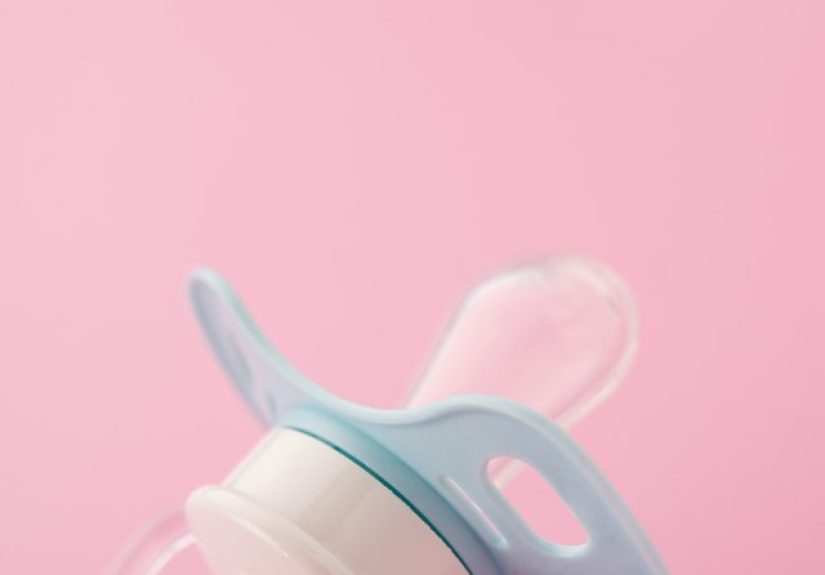
Place the pacifier at the center of your backing. In many designs, the ribbon is threaded through the holes in the pacifier guard or tied around the base so the pacifier is anchored decoratively. If needed, add a small amount of glue to stabilize it, but avoid slathering glue directly over parts that would be hard to clean later.
The pacifier should sit upright and be visually centered. Take a step back and check it. A slightly crooked pacifier might not sound like a big deal until you notice it in every photo forever.
Step 4: Add Ribbon Loops and Tails
Now add the pretty stuff. Make small loops from coordinating ribbon and glue them behind or around the pacifier. Then add a few tails that hang down or flare outward. Mix widths for dimension. A wider ribbon creates structure, while a thinner satin ribbon softens the look.
If you want a more florist-style finish, make a small bow separately and add it near the pacifier instead of trying to tie it directly on the corsage. This gives you more control and prevents the center from getting bulky.
Step 5: Add Small Flowers or Greenery
Use a few tiny silk flowers, baby’s breath-style filler, or faux greenery to frame the pacifier. You do not need a full bouquet here. Just enough floral detail to soften the craft elements and give the corsage a layered look.
Place the florals asymmetrically if you want a more natural design, or evenly on both sides if you prefer a traditional, balanced look. Keep the flowers small so they support the pacifier rather than competing with it.
Step 6: Add Charms or a Title Tag
This is the stage where the corsage starts feeling truly shower-specific. Add a tiny rattle charm, mini block, baby bottle charm, or printed “Mom-to-Be” tag. One or two accents are enough. Three is pushing it. Four is a cry for help.
If you are making corsages for multiple people, use different labels or color accents so everyone feels included without looking identical.
Step 7: Attach the Backing Hardware
Flip the corsage over and attach the pin back, diaper pin, clip, or wristband. If you are using a pin-on back, glue it securely and let it cool completely before moving the corsage. If you are using a wristband, attach the finished decorative top to the center of the band and test the balance so it does not spin around the wrist.
This part matters more than people think. A beautiful corsage that flops face-down all afternoon is not a success story.
Step 8: Finish and Fluff
Trim any uneven ribbon ends, curl narrow ribbon if desired, fluff the loops, and gently spread the tulle or mesh so the shape looks full. Check for visible glue strings and remove them. Hot glue has a way of leaving behind wispy little threads that make a project look like it has been living in an attic.
Once everything is balanced and secure, set the corsage aside so the adhesive can fully cool before wearing or packaging it.
How to Make It Look More Expensive Than It Is
You do not need luxury supplies to make a pretty baby shower corsage. You just need a few smart choices.
- Stick to a tight color palette.
- Use one structured ribbon and one soft ribbon.
- Choose tiny floral accents instead of oversized blooms.
- Keep the pacifier centered and visible.
- Use clean-cut ribbon tails, and notch the ends for a finished look.
- Do a final glue-string inspection before the shower.
A well-edited design almost always looks nicer than one with every possible embellishment attached out of pure enthusiasm.
Common Mistakes to Avoid
Using Too Much Glue
Glue should secure, not flood. Too much glue makes the corsage stiff, messy, and oddly shiny in all the wrong places.
Choosing Heavy Embellishments
Large charms, thick bows, and bulky flower clusters can pull the corsage forward. Keep the decorative elements lightweight.
Ignoring Wearability
A corsage should be cute, but it should also survive sitting, hugging, eating, and walking around. Make sure nothing pokes, scratches, or catches easily on clothing.
Making It Too Late
Make it at least a day before the shower. That gives you time to fix anything crooked, detached, or unexpectedly tragic.
Gluing the Pacifier in a Way That Ruins It
If the pacifier might later be kept for the baby, do not glue over the parts that would be difficult to clean thoroughly. It is smarter to anchor with ribbon where possible and use glue only as support.
Can the Pacifier Be Used After the Shower?
Sometimes, yes, but only if you keep the design sanitary and do not damage the pacifier with excessive glue or decorations. If there is any doubt, treat it as a decorative keepsake only and use a separate pacifier for the baby later. That is often the easiest and least stressful option.
If the pacifier will be used after the shower, keep glue away from areas that go into the baby’s mouth and follow the manufacturer’s cleaning instructions before use. In other words, “cute for the party” and “ready for a newborn” are not automatically the same thing.
Creative Design Ideas
For a Baby Girl Shower
Try blush pink tulle, white satin ribbon, mini pearl accents, and tiny silk roses. A soft gold charm can add warmth without overpowering the design.
For a Baby Boy Shower
Use light blue ribbon, white mesh, a silver bow, and small eucalyptus-style greenery for a clean, classic look.
For a Gender-Neutral Shower
Go with sage, cream, butter yellow, terracotta, or soft rainbow pastels. Add a simple “Mom-to-Be” tag and keep the design airy rather than over-decorated.
For a Themed Shower
Use themed tags, ribbon prints, or one tiny charm to echo the theme. For example, add a moon and star for a bedtime theme, a leaf for a woodland theme, or a little bee for a honey-bee shower. One detail goes a long way.
What the Experience of Making One Is Really Like
Here is the honest part that most short tutorials skip: making a baby shower corsage out of a pacifier is not hard, but it is a project with personality. It is the kind of craft that looks simple when you read the supply list and then suddenly becomes a small emotional journey the minute ribbon starts sliding around your table.
The first experience most people have is surprise at how much the backing matters. The pacifier is the star, sure, but the backing is the stage, the lighting, and the backup dancers. If the tulle is too flat, the corsage looks unfinished. If the ribbon is too big, the pacifier gets swallowed. There is a funny little learning curve where you realize that “more ribbon” is not always the answer. Sometimes the best fix is not adding another loop but taking one away and breathing like a reasonable adult.
The second thing people notice is that color coordination does a lot of heavy lifting. Even inexpensive materials can look polished when the palette is tight. A simple combination like white, blush, and gold can look elegant. Blue, white, and silver feels crisp and classic. But once you start mixing pink satin, polka dots, glitter tulle, cartoon stickers, curly ribbon, faux flowers, and three random charms from the bottom of a craft drawer, the corsage can turn into a tiny identity crisis. Most crafters learn this after building one overly enthusiastic version and then quietly removing half the embellishments.
Another real experience is that placement makes or breaks the final result. Moving the pacifier half an inch upward can suddenly make the whole corsage look balanced. Tucking the small flowers slightly behind the guard instead of beside it can make the design feel softer. Shifting the tag lower can stop the piece from looking top-heavy. This is why the smartest move is to lay everything out before gluing. Dry-fitting may sound boring, but it is dramatically less boring than peeling off a crooked bow while hot glue cools into an uncooperative little fossil.
Then there is the social side of this project, which is honestly one of its best parts. Pacifier corsages are surprisingly fun to make with a sibling, friend, co-host, or very opinionated aunt. One person cuts ribbon, one person handles glue, and someone else inevitably says, “It needs something,” five times in a row. That collaborative energy is part of the baby shower experience itself. The corsage becomes more than a decoration; it becomes a tiny pre-party ritual full of excitement, jokes, and the kind of cheerful chaos that feels right before welcoming a baby.
Finally, there is the payoff. Once the corsage is pinned on the guest of honor and people start smiling at it, the project suddenly makes sense. It photographs well, sparks conversation, and gives the shower a handmade, personal touch that store-bought decor often lacks. No one at the party sees the glue strings you had to remove twice or the ribbon you trimmed three separate times. They just see a sweet little baby-themed piece that makes the day feel special. And really, that is the whole goal. Not perfection. Not craft-world fame. Just one lovely corsage that says, “This day matters,” with a pacifier front and center.
Final Thoughts
If you have been wondering how to make a baby shower corsage out of a pacifier, the answer is refreshingly simple: build a soft backing, center the pacifier, layer in ribbon and tiny florals, attach secure hardware, and keep the design balanced enough to be wearable. That is the formula. Everything else is style.
The best pacifier corsages are not necessarily the biggest or the fanciest. They are the ones that feel thoughtful, look neat in photos, and make the guest of honor smile before the first cupcake is even served. So gather your ribbon, warm up the glue gun, and make something sweet. Just maybe keep a damp cloth nearby for the glue strings and avoid crafting on your nicest tablecloth. Consider that your bonus baby shower survival tip.