Table of Contents >> Show >> Hide
- Why an Indoor Christmas Archway Is Worth Making
- Choose the Best Location for Your DIY Christmas Archway
- Supplies You’ll Need
- Pick Your Archway Method
- Step-by-Step: How to Make an Indoor DIY Christmas Archway
- Indoor Christmas Archway Style Ideas
- Safety Tips for Indoor Holiday Archways
- Budget-Friendly Ways to Make the Arch Look Expensive
- Common Mistakes to Avoid
- How to Store Your Christmas Archway Decorations
- Real-Life Experience: What Actually Makes a DIY Christmas Archway Work
- Conclusion
An indoor DIY Christmas archway is one of those holiday projects that looks expensive, photographs beautifully, and makes guests say, “Wait, did you hire someone?” The answer, of course, is no. You simply gathered some garland, lights, ornaments, and enough holiday spirit to briefly believe zip ties are a personality trait.
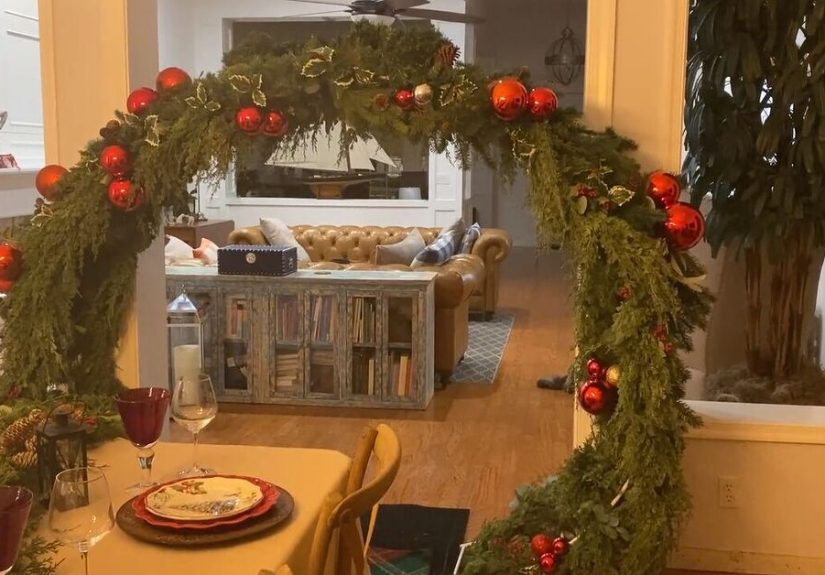
The beauty of a Christmas archway is that it transforms an ordinary doorway, hallway, or room opening into a festive focal point. It frames your home like a holiday movie scene, adds vertical drama, and gives your decorations that “finished” designer look without requiring a contractor, a ladder taller than your confidence, or a bank account with North Pole funding.
Whether you want a lush evergreen arch, a candy-cane-inspired doorway, a snowy winter wonderland, or a cozy farmhouse-style garland display, this guide walks you through everything: planning, supplies, building methods, lighting, decorating, safety, and real-life tips from the “I learned this the hard way” school of crafting.
Why an Indoor Christmas Archway Is Worth Making
A DIY Christmas archway gives your holiday decor height, structure, and instant atmosphere. While trees, mantels, and tabletops usually get all the attention, archways help connect rooms and create a sense of flow. A decorated doorway can make your living room feel more intentional, your entryway more welcoming, and your hallway less like a tunnel where laundry mysteriously disappears.
Indoor Christmas archways are also surprisingly flexible. You can build one around a doorway, create a freestanding arch with PVC pipe, use a tension rod for a renter-friendly setup, or simply attach garland around existing trim. The best method depends on your space, budget, wall surface, and how dramatic you want the final look to be.
Choose the Best Location for Your DIY Christmas Archway
Before buying supplies, walk through your home and look for a spot that naturally frames activity. Good locations include the entryway, the opening between the living room and dining room, a hallway arch, a kitchen doorway, or the area leading to your Christmas tree. The best archway should be visible, safe to walk through, and near a power source if you plan to use plug-in lights.
Measure the height and width of the opening. Add extra length if you want the garland to drape down both sides or puddle slightly at the floor. For a full look, plan on using more garland than you think you need. Holiday garland has a sneaky talent for looking massive in the store and then mysteriously shrinking when placed over a doorway.
Supplies You’ll Need
Your supply list depends on the style of archway you want, but most indoor DIY Christmas archways use a few basic materials. Start with artificial garland, because it is reusable, lightweight, and easier to shape indoors than fresh greenery. You can mix in fresh cedar, eucalyptus, pine, or fir clippings later if you want a natural scent and texture.
Basic Materials
- Artificial Christmas garland, preferably 9 to 18 feet depending on the doorway
- Battery-operated or plug-in LED string lights
- Zip ties, floral wire, or green twist ties
- Adhesive hooks, cable clips, a tension rod, or a doorway garland hanger
- Ornaments, ribbon, bows, pinecones, berries, bells, or faux snow accents
- Scissors or wire cutters
- Measuring tape
- Step stool
Optional Materials for a Freestanding Arch
- PVC pipe or lightweight plastic conduit
- PVC elbow connectors
- Two weighted bases, buckets, or planter pots
- Sand, gravel, or concrete blocks for stability
- Foam pipe insulation or pool noodles for padding and fullness
Pick Your Archway Method
There is no single “right” way to make an indoor Christmas archway. The best approach is the one that stays up, looks beautiful, and does not make your landlord, spouse, or future self sigh dramatically in January.
Method 1: The No-Damage Doorway Garland Arch
This is the easiest method for renters or anyone who wants a temporary holiday display. Use adhesive hooks or cable bundlers around the door frame, spacing them every 8 to 12 inches. Clean the surface first so the adhesive can grip properly. Let the hooks set according to the package directions before adding weight.
Start at the center top of the doorway and attach the garland with floral wire or zip ties. Then work outward and downward, securing the garland to each hook. Fluff the greenery as you go so it hides the hooks. If your garland is heavy, use more hooks than you think you need. Gravity has no respect for Christmas magic.
Method 2: The Tension Rod Christmas Archway
A tension rod is a clever option for interior doorways and hall openings. Choose a rod that expands snugly across the opening. Place it near the top of the doorway, then wrap garland around the rod or attach it with zip ties. This method avoids nails and works especially well if you want a thick, layered garland that sits across the top like a festive crown.
For extra fullness, use two garlands: one wrapped around the rod and one attached in front. Add lights before ornaments so the glow is tucked into the greenery rather than floating awkwardly on top like a confused firefly.
Method 3: The Freestanding PVC Christmas Arch
If you do not have a doorway in the right spot, build a freestanding indoor Christmas archway with PVC pipe. Use two vertical pipes, one horizontal pipe across the top, and elbow connectors to form a squared arch. Secure the bottom of each vertical pipe in a weighted planter, bucket, or decorative basket filled with sand or gravel.
Wrap the frame with garland, securing it with zip ties. Add foam pipe insulation or pool noodles underneath the garland if you want a thicker, rounded look. This method works beautifully for photo corners, holiday parties, Christmas morning entrances, or a dramatic path leading to the tree.
Step-by-Step: How to Make an Indoor DIY Christmas Archway
Step 1: Measure and Plan the Shape
Measure the full outline of the space you want to decorate: up one side, across the top, and down the other side. Add at least 2 extra feet for fullness, draping, and adjustments. If you are creating a freestanding arch, measure the height and width you want before cutting or assembling the PVC frame.
Step 2: Install Your Support System
Set up adhesive hooks, a tension rod, a garland hanger, or a PVC frame before adding decorations. Test the support with plain garland first. If anything slips, tilts, or makes a tiny cracking sound that causes your soul to leave your body, fix the support before continuing.
Step 3: Attach the Garland
Begin at the top center of the arch and work outward. This keeps the design balanced. Use floral wire or zip ties to secure the garland tightly at key points. Avoid relying on one hook or one tie to carry the entire weight. A beautiful archway is really just a team-building exercise for fasteners.
Step 4: Fluff the Greenery
Artificial garland usually comes packed flat, so spend time shaping each branch. Pull tips forward, upward, and outward. Bend some pieces toward the wall and others toward the room to create depth. This step may feel minor, but fluffing is the difference between “luxury holiday arch” and “sad green rope.”
Step 5: Add Lights Safely
LED lights are a smart choice because they stay cooler and use less energy than older incandescent strands. Inspect every strand before using it. Do not use lights with frayed wires, broken sockets, loose connections, or damaged plugs. If using plug-in lights, keep cords tucked along the wall and out of walking paths. Battery-operated lights are excellent for doorways where outlets are inconvenient.
Wrap lights loosely through the garland rather than tightly binding them. This makes the glow look natural and prevents the wires from pulling. Use a timer or smart plug so the archway turns off automatically at night or when you leave home.
Step 6: Layer in Ribbon
Ribbon adds movement and polish. Wired ribbon is easiest to shape because it holds loops and curls. Weave it through the garland in loose waves rather than wrapping it like a candy cane unless that is the look you want. For a designer feel, use two ribbons: one wide solid ribbon and one narrower patterned ribbon.
Step 7: Add Ornaments and Accents
Place larger ornaments first, spacing them evenly across the archway. Then fill gaps with smaller ornaments, pinecones, berries, bells, faux snow picks, or velvet bows. Use floral wire instead of ornament hooks so pieces stay secure. For a family-friendly version, choose shatterproof ornaments, especially if kids or pets treat doorways like obstacle courses.
Step 8: Finish the Base
The bottom of the archway should look intentional. Let the garland taper naturally, or place wrapped gift boxes, lanterns with flameless candles, small tabletop trees, baskets of pinecones, or nutcracker figures at the base. This hides cords, weights, and structural supports while making the arch feel anchored.
Indoor Christmas Archway Style Ideas
Classic Red and Green
Use evergreen garland, warm white lights, red velvet bows, gold ornaments, and berry picks. This style is timeless, cheerful, and perfect if your holiday decor leans traditional.
Winter Wonderland
Choose flocked garland, white ornaments, silver ribbon, pearl accents, snowflake picks, and soft white lights. This look is elegant and bright, especially in rooms with neutral walls.
Rustic Farmhouse
Combine pine garland with burlap ribbon, wooden ornaments, dried orange slices, cinnamon sticks, pinecones, and warm lights. It feels cozy, natural, and slightly like your house might serve homemade pie at any moment.
Candy Cane Christmas
Use red and white ribbon, peppermint ornaments, striped bows, and playful oversized accents. This is a fun option for homes with children or anyone who believes Christmas decor should have the energy of a gingerbread house.
Elegant Metallic
Layer champagne, gold, bronze, or silver ornaments with satin ribbon and warm micro lights. Keep the palette tight for a refined look. Metallics are especially beautiful in dining rooms and formal entryways.
Safety Tips for Indoor Holiday Archways
Holiday decor should sparkle, not spark. Keep your archway away from heat sources such as fireplaces, radiators, space heaters, heating vents, and candles. If you want candlelight near the arch, use flameless LED candles. They still glow beautifully and will not attempt to turn your garland into a cautionary tale.
Do not overload outlets or extension cords. Follow the instructions on your light packaging, and never connect more strands than recommended. Turn off lights before going to bed or leaving home. A timer is one of the simplest ways to enjoy the glow without relying on memory during the busiest season of the year.
Make sure cords do not cross walkways. If a cord must travel along the floor, use a cord cover and place it against the wall. Keep decorations high enough that people can pass through comfortably. Also consider pets. Cats see dangling ribbon as a personal invitation, and dogs may assume low ornaments are seasonal snacks.
Budget-Friendly Ways to Make the Arch Look Expensive
You do not need luxury decor to create a high-end indoor Christmas archway. The secret is layering. Start with inexpensive basic garland, then add a second thinner garland, ribbon, lights, and a few oversized ornaments. Large accents create impact faster than dozens of tiny pieces.
Shop your own holiday bins before buying new items. Old ornaments can be wired into clusters. Extra ribbon can become bows. Broken ornament tops can be hidden inside greenery. Even plain pinecones from a craft store look charming when grouped with berries and warm lights.
Another trick is to concentrate decorations at the top corners and center of the arch. These areas naturally draw the eye, so you can use fewer accents while still creating a lush effect. Let the sides be simpler, then build drama where people look first.
Common Mistakes to Avoid
The first mistake is underestimating weight. Garland, lights, ornaments, and ribbon can become heavy quickly. Use strong supports and distribute weight across several points. The second mistake is skipping measurements. Guessing may work for cookie sprinkles, but it rarely works for doorway garland.
The third mistake is decorating in the wrong order. Always install the support first, then garland, then lights, then ribbon, then ornaments. If you add ornaments before lights, you will spend twenty minutes trying to thread wires around fragile baubles while questioning your life choices.
The fourth mistake is making the arch too bulky for the opening. Leave enough clearance for people to walk through comfortably. A Christmas archway should feel magical, not like guests are entering a festive car wash.
How to Store Your Christmas Archway Decorations
When the holidays are over, remove ornaments and ribbon first. Label bags or containers by theme so next year’s setup is easier. Wrap lights around a piece of cardboard or a cord reel to prevent tangles. Store garland in a large bin without crushing it too tightly. If you used a PVC frame, disassemble it and label each piece.
Take a quick photo before dismantling the archway. Next year, you can recreate the same look or improve it without starting from zero. Future you will be grateful, especially when December arrives with its usual schedule of parties, shopping, baking, and wondering where the tape went.
Real-Life Experience: What Actually Makes a DIY Christmas Archway Work
The first time you make an indoor DIY Christmas archway, you may assume the project is mostly about garland. It is not. It is mostly about structure. The prettiest decorations in the world will not save an arch that sags in the middle or slowly slides down the wall like it has given up on the holidays. The biggest lesson is to build a strong foundation before adding anything decorative.
One practical experience is to lay everything on the floor first. Arrange the garland, ribbon, lights, and ornaments in the rough shape of the arch before attaching them. This gives you a preview of the final design and helps you spot gaps. It also prevents the classic problem of using all your best ornaments on one side and leaving the other side looking like it arrived late to Christmas.
Another helpful trick is to step back often. When you are standing two inches from the garland, every branch looks important. From across the room, you can see whether the arch is balanced. Take photos as you go because a camera catches uneven spots that your eyes may miss. This is especially useful when working with lights. A strand may look evenly placed up close, then appear oddly clumped once glowing.
If you have children or pets, design with reality in mind. Put delicate ornaments higher and use soft, shatterproof decorations lower down. Avoid long dangling ribbon near the floor. It may look beautiful for exactly four minutes before a cat, toddler, or robotic vacuum decides to become part of the installation.
For small spaces, avoid oversized decorations on the sides of the arch. Keep the bulk at the top and upper corners so the doorway remains usable. In apartments, a tension rod or adhesive hooks are often better than a freestanding frame because they take up less floor space. Battery-operated lights also reduce cord clutter and make the setup cleaner.
One of the best design lessons is to mix textures rather than colors. A simple green garland becomes much more expensive-looking when you add cedar-style branches, pinecones, velvet ribbon, matte ornaments, glossy ornaments, and soft lights. Even if everything is green, gold, and white, the texture creates depth.
Finally, give yourself permission to adjust. DIY holiday decorating is not surgery; no one is grading your garland symmetry. If a bow looks odd, move it. If the lights feel too bright, tuck them deeper. If the arch looks too thin, add ribbon loops or greenery picks. The goal is not perfection. The goal is to create a warm, joyful entrance that makes your home feel festive every time you walk through it.
Conclusion
An indoor DIY Christmas archway is one of the most rewarding holiday projects because it delivers a big visual payoff without requiring complicated skills. With the right support system, layered garland, safe lighting, and a few thoughtful accents, you can turn a plain doorway into a magical holiday moment.
Start simple, measure carefully, secure everything well, and build the design in layers. Whether your style is classic, rustic, snowy, playful, or elegant, your Christmas archway can become the centerpiece that ties your seasonal decor together. And when guests ask where you bought it, you can smile modestly and say, “Oh, I made it,” while pretending zip ties were not involved in 80 percent of the miracle.