Table of Contents >> Show >> Hide
- What Is Polenta, Exactly?
- Choose Your Polenta: Stone-Ground, Quick-Cooking, or Pre-Cooked
- The Core Formula: Liquid-to-Polenta Ratio
- How to Make Polenta on the Stovetop (Foolproof Method)
- No-Stir(ish) Oven Polenta Method
- How to Make Polenta Taste Amazing (Without Overcomplicating Life)
- Common Polenta Problems and Fixes
- What to Serve With Polenta
- Leftover Polenta: Meal Prep Gold
- Beginner-Friendly Polenta Game Plan (One-Page Version)
- Conclusion
- Experience-Based Lessons from Real Home Kitchens (Added )
If mashed potatoes had an Italian cousin who dressed better, hosted better dinner parties, and somehow still worked on a random Tuesday, that cousin would be polenta.
Polenta is warm, creamy, comforting, and wildly flexible. It can be soft and spoonable under a rich ragù, chilled and sliced into crispy fries, grilled for summer dinners,
or topped with a fried egg when your refrigerator looks like a “before” photo. Better yet, it’s made from a short list of pantry staples.
In this guide, you’ll learn exactly how to make polenta that is smooth (not gritty), rich (without becoming glue), and flavorful (without hiding under a mountain of cheese).
We’ll cover the classic stovetop method, a low-effort oven method, quick-cooking shortcuts, and all the rescue moves for common mistakes. You’ll also get practical serving ideas,
make-ahead strategies, and real-kitchen experience notes at the end so you can cook with confidence instead of guessing by vibes alone.
What Is Polenta, Exactly?
Polenta is a dish made by cooking ground cornmeal in liquid until thick and tender. Depending on the grind and cooking style, it can be silky, rustic, or somewhere in between.
Traditionally, it’s associated with Northern Italy, but modern American kitchens have fully adopted it as a weeknight staple and dinner-party sidekick.
Freshly cooked polenta is creamy and soft. As it cools, it firms up into a sliceable block. That means one batch can become two meals: creamy tonight, crispy tomorrow.
Few foods work this hard without asking for applause.
Polenta vs. Grits vs. Cornmeal
- Polenta: Usually yellow corn, often medium or coarse grind, cooked until creamy or set.
- Grits: Typically from dent corn (often white), common in Southern U.S. cooking, texture and flavor can differ.
- Cornmeal: Broad category of ground corn. Polenta can be made from cornmeal, but grind size matters a lot.
Translation: the label on the package helps, but the grind and cooking instructions matter even more.
Choose Your Polenta: Stone-Ground, Quick-Cooking, or Pre-Cooked
1) Stone-Ground (Traditional)
Best flavor and texture. Usually needs the most time (often 30–45 minutes, sometimes more), but rewards you with a deeper corn taste and satisfying body.
Ideal for weekend cooking or when polenta is the star.
2) Quick-Cooking or Instant
Faster, often done in 5–15 minutes. Great for busy nights, but texture can be smoother and less layered in flavor. A little butter, good stock, and finishing cheese help.
3) Pre-Cooked Polenta (Tube)
Fully cooked and ready to slice. Perfect for pan-frying, grilling, baking, or quick “heat-and-mash” shortcuts. Not a replacement for slow-cooked creamy polenta in every dish,
but a practical tool when time is tight.
The Core Formula: Liquid-to-Polenta Ratio
This is where most people either win dinner or accidentally produce edible drywall.
| Texture Goal | Ratio (Liquid : Polenta) | Notes |
|---|---|---|
| Very creamy, spoonable | 5:1 | Great for bowls, braises, and saucy mains. |
| Classic creamy | 4:1 | Most common starting point for home cooks. |
| Thicker, sliceable after cooling | 3.5:1 to 4:1 | Useful when you plan to chill and fry/grill later. |
For beginners, start at 4 cups liquid per 1 cup polenta. If it gets too thick before fully tender, add hot water or hot stock in small splashes.
The goal is tenderness first, thickness second.
How to Make Polenta on the Stovetop (Foolproof Method)
Ingredients (Serves 4)
- 1 cup polenta (medium or coarse grind)
- 4 cups water, stock, milk, or a mix (try 3 cups water + 1 cup milk)
- 1 to 1 1/2 teaspoons kosher salt (adjust to taste)
- 2 tablespoons unsalted butter or olive oil
- 1/3 to 1/2 cup finely grated Parmesan (optional but delightful)
- Fresh black pepper, to taste
Step-by-Step
- Boil your liquid. Use a heavy pot. Bring liquid and salt to a gentle boil over medium-high heat.
- Rain in the polenta slowly. Whisk continuously while pouring in a thin stream. This is your anti-lump insurance policy.
- Lower heat to a calm simmer. Reduce to low or medium-low. You want tiny bubbles, not a volcanic event.
- Stir on a schedule. First 5 minutes: stir frequently. After that: every few minutes, scraping the bottom and corners so nothing catches.
- Cook until tender. Depending on grind, this can take 20 to 45 minutes. Taste for doneness: grains should be soft, not sandy.
- Finish with fat and flavor. Turn off heat. Stir in butter/olive oil, then cheese if using.
- Adjust consistency. Too thick? Add hot liquid. Too loose? Simmer a few extra minutes.
- Serve immediately. Polenta thickens as it cools, so get bowls ready first.
Pro move: If your pot starts “blorp-ing” like a mini geyser, partially cover it and lower heat. Polenta splatters are bold, stubborn, and emotionally unnecessary.
No-Stir(ish) Oven Polenta Method
Want creamy results with less stovetop babysitting? Use the oven.
How to Do It
- Heat oven to 350°F (175°C).
- In a baking dish, whisk together 1 cup polenta, 4 cups liquid, 1 teaspoon salt, and a little pepper.
- Bake uncovered for about 40 minutes.
- Stir in butter and Parmesan.
- Return to oven for 10 more minutes until creamy and fully tender.
- Whisk briefly before serving.
This method is a lifesaver for hosting. You can focus on the main dish while the oven handles the corn-based diplomacy.
How to Make Polenta Taste Amazing (Without Overcomplicating Life)
Upgrade the Liquid
Water gives a clean corn flavor. Stock adds depth. Milk adds richness. A mix (like half stock, half water) is often the sweet spot for savory meals.
Finish Strong
- Butter or olive oil: improves mouthfeel and sheen.
- Cheese: Parmesan, Pecorino, fontina, goat cheese, mascarpone, or cream cheese depending on style.
- Acid: A tiny squeeze of lemon can wake up heavy flavors.
- Herbs: Thyme, sage, rosemary, parsley, or chives.
Season in Layers
Salt the cooking liquid, then taste again at the end. Underseasoned polenta tastes flat no matter what you put on top.
Common Polenta Problems and Fixes
Problem: Lumps
Cause: Polenta dumped in too fast.
Fix: Whisk vigorously, break lumps against the side of the pot. Next time, add in a slow rain while whisking.
Problem: Gritty Texture
Cause: Not fully hydrated/cooked.
Fix: Add a bit more hot liquid and cook longer over low heat. Taste every few minutes.
Problem: Too Thick
Cause: Evaporation or too little liquid.
Fix: Whisk in hot water or stock until it loosens.
Problem: Too Loose
Cause: Too much liquid or under-reduction.
Fix: Simmer a little longer, stirring frequently.
Problem: Bland Flavor
Cause: Weak seasoning.
Fix: Add salt, pepper, butter, cheese, or a flavorful topping such as mushroom ragù or braised greens.
What to Serve With Polenta
Polenta is a base, a side dish, or a full meal depending on what lands on top. Here are reliable pairings:
- Comfort classic: beef short ribs + creamy Parmesan polenta.
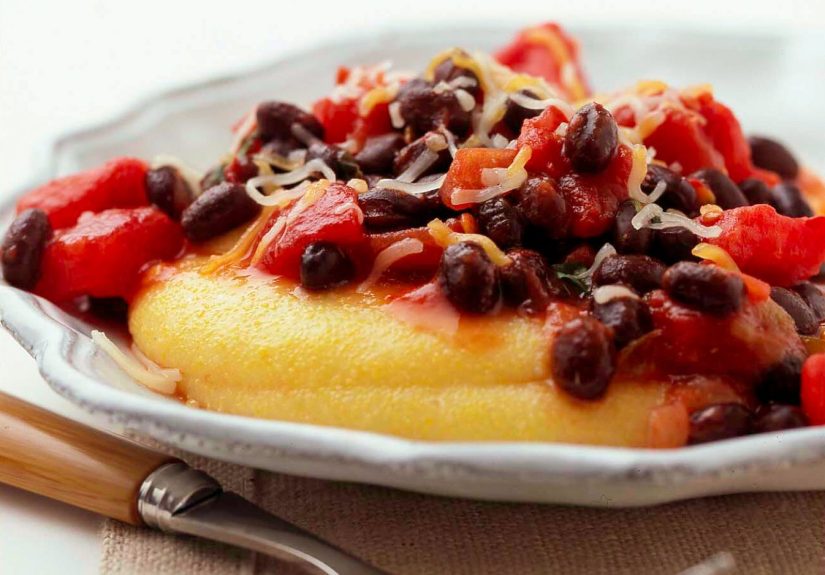
- Weeknight fast: sautéed mushrooms, garlic, and spinach over soft polenta.
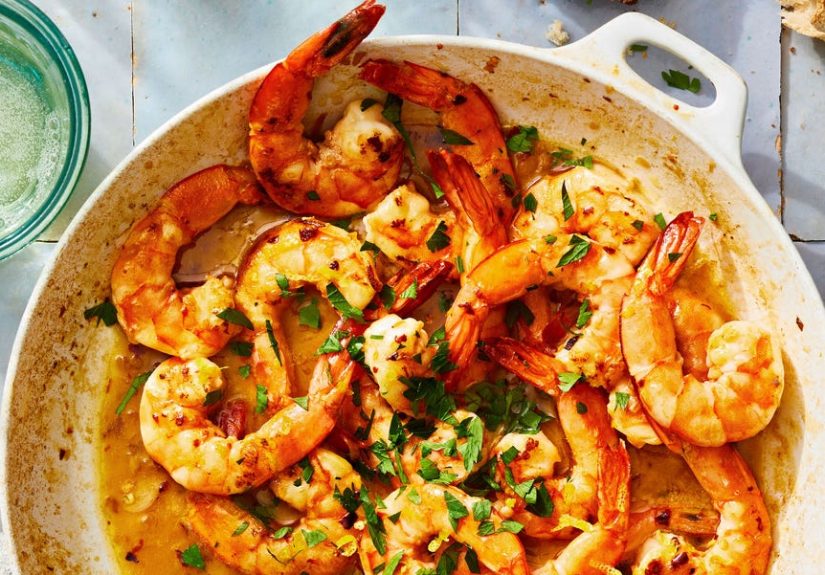
- Seafood: shrimp with lemon, chili flakes, and herbs over buttery polenta.
- Vegetarian: roasted vegetables + goat cheese polenta + toasted walnuts.
- Breakfast: soft polenta + fried egg + crispy bacon (or crispy shallots).
Leftover Polenta: Meal Prep Gold
Let leftover polenta cool in a greased dish. Cover and chill until firm. Then:
- Slice into squares and pan-fry in olive oil.
- Cut into sticks for polenta fries.
- Grill slices and top with tomato sauce and basil.
- Broil slabs until crisp on the edges.
Reheating creamy polenta? Add a splash of milk, water, or stock and warm gently while whisking.
Polenta always tightens up in the fridge; liquid is how you bring it back to life.
Beginner-Friendly Polenta Game Plan (One-Page Version)
- Start with 1 cup polenta + 4 cups liquid.
- Salt the liquid first.
- Whisk in polenta slowly.
- Simmer low and stir often.
- Taste for tenderness before deciding it’s done.
- Finish with butter/olive oil and optional cheese.
- Serve now, or chill for crispy leftovers tomorrow.
Conclusion
Learning how to make polenta is less about memorizing a “perfect” recipe and more about understanding the rhythm:
right ratio, slow addition, gentle heat, patient cooking, and final seasoning. Once you’ve done it once or twice, you’ll stop seeing polenta as a special-occasion side
and start treating it like the flexible pantry MVP it is.
On busy nights, use quick-cooking or pre-cooked options and lean on smart toppings. On slower evenings, make the traditional version and enjoy the deeper corn flavor.
Either way, polenta gives you comfort-food energy with surprisingly little fuss. And if you do get a splash on the stovetop? Congratulations. You’re cooking it correctly.
Experience-Based Lessons from Real Home Kitchens (Added )
The most useful polenta lessons usually come from lived kitchen moments, not just recipe cards. Below are five composite home-cook experiences that reflect common patterns.
They’re practical, honest, and exactly the kind of details people wish they had before attempt number one.
Experience 1: The “I Followed the Recipe Exactly” Surprise
A home cook made polenta with the printed 4:1 ratio and still got a pot that seemed too thick at minute 20. Instead of panicking, they added hot water in small splashes and kept cooking.
Result: creamy, tender polenta by minute 30. Lesson: package and recipe timing are estimates because grind size varies by brand. A slightly coarser grind needs more time and sometimes more liquid.
Polenta isn’t a strict math equation; it’s more like rice in that you verify doneness with taste, not with a stopwatch. If the grains still feel sandy, keep going. Consistency can always be adjusted.
Experience 2: The “Lumps Happened Anyway” Recovery
Another cook poured in polenta too confidently (read: too fast), and lumps appeared instantly. Instead of dumping the batch, they grabbed a whisk, lowered heat, and worked the lumps against the pot wall.
After several minutes, most lumps dissolved and the rest softened as cooking continued. Final dish was still excellent. Lesson: small lumps are recoverable. The real danger is high heat and impatience,
which can scorch the bottom while you’re trying to rescue texture. Keep the simmer calm and stir methodically. Also, this is why “rain it in slowly” is not culinary dramait’s engineering.
Experience 3: The Weeknight Shortcut Win
A busy parent used tube polenta for a Tuesday dinner. They sliced it, pan-seared until crisp, and served it under garlicky mushrooms and spinach.
Everyone assumed it took an hour. It took about 20 minutes. Lesson: traditional and shortcut versions can coexist in the same kitchen.
Fresh-cooked polenta has unmatched softness, but pre-cooked polenta wins on speed and still tastes great with strong toppings.
A useful system is “fresh on weekends, shortcut on weekdays.” You’ll cook polenta more often when you match method to schedule instead of forcing one ideal approach.
Experience 4: The Make-Ahead Dinner Party Save
A host prepared oven polenta before guests arrived, then reheated gently with a splash of stock while mains rested. No frantic stirring during appetizer hour, no one abandoned in the kitchen,
and dinner landed on time. Lesson: oven polenta is excellent for entertaining because it reduces active labor. Another smart move was serving toppings separatelybraised beef, roasted vegetables,
and gremolataso guests customized their bowls. Polenta works beautifully in this format because it behaves like a neutral, comforting canvas. Hosting gets easier when the base is stable
and the finishing choices are modular.
Experience 5: Leftovers Became the Best Part
One cook started making extra polenta on purpose after discovering day-two polenta fries. They chilled leftovers in a square pan, cut batons, brushed with oil, and roasted until crisp.
Paired with marinara and a lemony yogurt dip, they disappeared faster than the original dinner. Lesson: leftovers are not an afterthought; they’re a strategy.
If you plan for both creamy polenta tonight and crispy polenta tomorrow, you get higher value from one cooking session. The experience also solved “food boredom,” because texture changes dramatically:
soft and spoonable one day, crunchy and snackable the next. That’s not repetitionthat’s range.
Across all these experiences, one theme repeats: great polenta is less about perfection and more about control pointsheat, hydration, texture checks, and seasoning.
Once cooks learn those four levers, polenta becomes one of the most forgiving and creative dishes in the kitchen.