Table of Contents >> Show >> Hide
- Why Fainting Couches Are Worth the Effort
- Step 1: Evaluate Your Fainting Couch
- Step 2: Choose Fabric, Foam, and Trim
- Step 3: Tear-Down Removing Old Upholstery Without Regrets
- Step 4: Repair and Refinish the Wood
- Step 5: Rebuild the Seat and Back
- Step 6: Cut and Install Your New Fabric
- Step 7: Finish Like a Pro
- Ongoing Care and Cost Considerations
- Real-Life Makeover Experiences & Lessons Learned
That dramatic swoop of the back. The carved wood. The mysterious name. A fainting couch is basically the drama queen of the furniture world and if you’ve rescued one from Facebook Marketplace, Grandma’s attic, or a yard sale, you’ve scored a piece with serious potential.
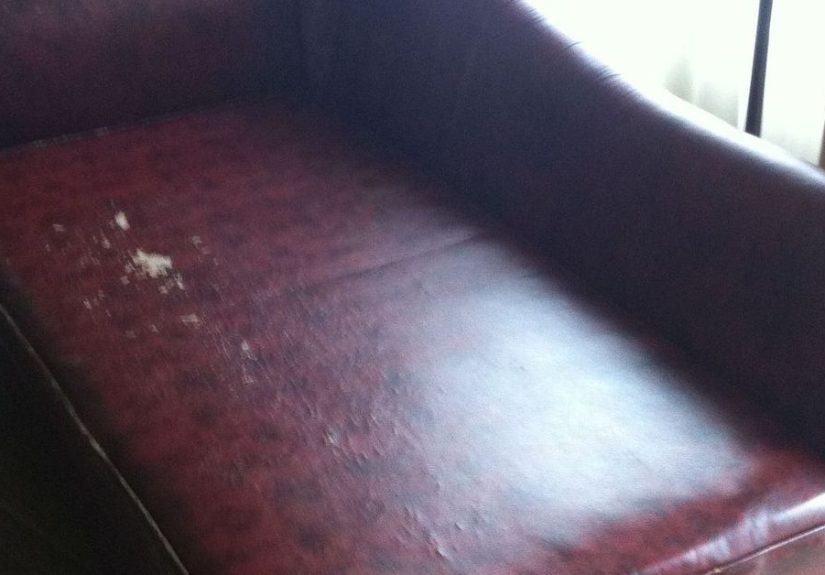
The problem? Most fainting couches are covered in crushed, faded fabric and suspicious stains, with saggy springs that feel like they’re one nap away from collapse. Before you drag it back to the curb, take a breath (no fainting!) with some DIY love, you can turn that sad chaise into a showstopper worthy of any Hometalk feed.
In this guide, you’ll learn how to makeover an old fainting couch step by step: from assessing the frame and choosing fabric to tearing it down, rebuilding the seat, and finishing with gorgeous details like tufting and trim. We’ll mix solid upholstery advice with real-life tips from antique restoration and DIY upholstery pros, so you get a makeover that looks custom, not crafty.
Why Fainting Couches Are Worth the Effort
A fainting couch is essentially a chaise lounge with one raised end and a long seat meant for reclining. Many are Victorian or Edwardian pieces with solid hardwood frames, hand-tied springs, and carved details the kind of quality that’s expensive to buy new today.
Reupholstering an antique couch can cost more than buying a budget new sofa, especially if you hire a pro, but you’re paying for craftsmanship, sustainability, and a one-of-a-kind look. Designers often choose to reupholster heirloom-quality pieces because they last longer and can be customized with modern fabrics.
Doing some or all of the work yourself lets you save money while keeping that character. Think of it as furniture surgery with a side of art project: a little intimidating, yes, but wildly satisfying when you’re done.
Step 1: Evaluate Your Fainting Couch
Check the structure first
Before you pick fabric, make sure the piece is actually worth saving. Flip the fainting couch over and check:
- Frame: Look for cracks, loose joints, or signs of water or insect damage. If the wood is soft, crumbly, or chewed away, it may be beyond a simple DIY fix.
- Springs & webbing: Sit and gently bounce. If you hear creaks, feel sagging, or see springs sticking out, you’ll need to repair or replace them.
- Odor & mildew: Persistent odors or mold inside the padding may require a full tear-out and rebuild.
If the frame is solid and the shape makes your heart happy, it’s a keeper. If it’s wobbly but not rotten, wood glue, clamps, screws, or new corner blocks can usually tighten things up.
Decide: reupholster or just recover?
You’ll see two terms tossed around:
- Recover: Remove the old fabric (or cover over it) but leave the padding and springs as-is.
- Reupholster: The full makeover: repair frame, replace or retie springs, add new webbing, padding, and fabric.
If your fainting couch is only a little tired, recovering with new fabric might be enough. If it’s saggy, lumpy, or ancient, go for a full reupholstery so you’re not just putting lipstick on a very uncomfortable pig.
Step 2: Choose Fabric, Foam, and Trim
This is the fun, dreamy part but it’s also where smart choices pay off for years.
Pick upholstery-grade fabric
Look for heavyweight upholstery fabric that can handle regular use. Popular options include:
- Woven chenille or jacquard for a vintage look
- Performance velvet for a glam, stain-resistant finish
- Tightly woven linen or linen-blend for a modern, airy vibe
Upholstery guides recommend choosing fabric that’s durable enough for seating, not just drapery, and checking the rub count or durability rating where available.
Upgrade the comfort
While you’re at it, refresh:
- Foam: Use high-density foam for the seat and arm to prevent sagging.
- Batting: Wrap foam in cotton or polyester batting for a softer, rounded look.
- Dust cover: Replace the thin fabric under the couch to keep the interior clean.
Plan your details
Fainting couches love drama. Consider:
- Button tufting on the back for a classic Victorian feel
- Nailhead trim along the base or arm
- Cording or gimp trim to hide staples and edge seams
Gather all materials before you start: fabric, foam, batting, webbing, upholstery tacks or staples, staple gun, pliers, seam ripper, scissors, and a dust mask.
Step 3: Tear-Down Removing Old Upholstery Without Regrets
The tear-down looks chaotic, but it’s where you secretly create your pattern for the new fabric.
Work in reverse
Most upholstery tutorials recommend removing fabric in the reverse order of how it was installed: dust cover first, then back, arms, sides, and finally the seat. Use a staple remover or pliers to carefully pull staples and tacks without gouging the wood.
As you go:
- Take photos from every angle.
- Label each fabric piece with painter’s tape (“inside arm,” “seat front,” etc.).
- Save the fabric pieces to use as templates for cutting your new fabric.
Assess the padding and springs
Once the fabric comes off, you’ll reveal the layers beneath: burlap, webbing, springs, old foam, and possibly natural stuffing like horsehair or straw in very old pieces. Experts suggest replacing deteriorated or crumbly materials, especially if they’re dusty, moldy, or broken down.
If the springs are loose but intact, they can often be retied or re-webbed instead of replaced entirely, which preserves the original feel of the couch.
Step 4: Repair and Refinish the Wood
With the upholstery off, you can really see the frame and this is your moment to give it a glow-up.
Tighten and repair
Common fixes include:
- Re-gluing loose joints and clamping until dry
- Adding new corner blocks inside the frame for strength
- Replacing broken screws or nails with proper wood screws
Antique restoration pros emphasize doing these repairs now, before you add new fabric it’s almost impossible later without undoing your hard work.
Clean and refinish carved details
Use a soft brush and mild cleaner to remove dust from intricate carving. If you want a new finish, lightly sand, stain or paint, and seal the wood before reupholstering. Many DIYers love the contrast of dark wood with bright, modern fabric.
Step 5: Rebuild the Seat and Back
Replace webbing and springs
Under the seat, you’ll typically find jute webbing woven in a crisscross pattern. If it’s loose or brittle, replace it with new webbing, stretched tight and secured with tacks or staples. This creates a supportive base for the springs and padding.
Springs can be:
- Retied: If they’re in decent shape but saggy, hand-tie them with upholstery twine.
- Replaced: If they’re broken, rusted, or hopelessly bent, swap them for new ones.
Add padding layers
Once the support structure is solid, add:
- Burlap over the springs to hold them in place.
- Foam cut to fit the seat and back, slightly larger than the frame to create soft edges.
- Batting wrapped over foam to smooth lumps and give a rounded, plush look.
Step 6: Cut and Install Your New Fabric
Use the old fabric as a pattern
Lay the old fabric pieces on your new upholstery fabric and trace around them, adding a bit of extra allowance (about an inch) where the old fabric was short or where you want more wiggle room. Many antique upholstery guides highlight this as the easiest way to get accurate pieces without complicated pattern drafting.
Work from inside out
Start with the inside back and seat the surfaces you sit and recline on then move to arms, sides, and the outside back. Pull the fabric snug but not so tight that it distorts the padding or pattern. Staple in the center, then work out toward the corners, smoothing as you go.
For curves and corners, make small relief cuts in the seam allowance so the fabric can bend smoothly without puckering. Keep checking that your pattern (stripes, florals, etc.) stays straight along the seat and back a crooked pattern will bug you forever.
Tufting and special details
If your fainting couch originally had button tufting, you can:
- Reuse the original button layout by marking their locations on the new fabric.
- Drill small pilot holes through the frame where needed and use upholstery needles and twine to pull buttons through and tie them off.
Tufting adds a luxurious look but takes patience. Many DIYers recommend practicing on a scrap cushion first before committing to the full backrest.
Step 7: Finish Like a Pro
Add trim to hide staples
Once everything is stapled, you’ll have neat but visible rows of staples along edges and seams. This is where trim saves the day. Use:
- Gimp or flat decorative trim, glued over staples
- Double welt cord made from your upholstery fabric
- Nailhead trim for a more tailored, traditional finish
Upholstery guides often highlight this final step as the difference between “DIY attempt” and “did you have this professionally done?” so don’t skip it.
Replace the dust cover
Flip the fainting couch over and staple on a new dust cover (cambric) to the underside. This hides the webbing, keeps out dust bunnies, and makes the whole piece look finished.
Ongoing Care and Cost Considerations
Once your fainting couch is reborn, a little maintenance keeps it looking fresh:
- Vacuum the fabric regularly using a brush attachment.
- Blot spills immediately with a clean, white cloth.
- Rotate decorative pillows and swap throws seasonally to spread wear.
Cost-wise, DIY reupholstery materials for a fainting couch can range from under $200 (thrifted fabric, minimal spring work) to over $500 for premium foam, performance fabric, and new springs. Hiring a professional can run into four figures, which is why many homeowners opt to DIY when the frame is solid and they’re ready for a challenge.
Real-Life Makeover Experiences & Lessons Learned
If you scroll through Hometalk-style projects and DIY blogs, a few themes pop up again and again when people makeover old fainting couches and chaises. These experiences can save you headaches and maybe a few Band-Aids.
Experience 1: “I underestimated the tear-down”
Many first-time upholsterers say the most time-consuming part isn’t stapling on the pretty new fabric it’s getting the old stuff off. Hundreds (sometimes thousands) of tacks and staples can hide in an antique fainting couch, especially if it’s been recovered before. DIYers often report spending entire weekends just removing staples and trying not to destroy their fingertips.
The lesson: go slow and document everything. Take photos from every angle before and during tear-down, label pieces, and don’t rush. That extra hour of labeling and organizing saves you from guessing later which mysterious scrap went where.
Experience 2: The surprise inside the cushions
Antique upholstery can hide some wild things: horsehair, straw, cotton waste, or crumbling foam from the mid-20th century. Some DIYers love the history and choose to preserve elements like horsehair padding, while others pull everything out and start fresh for comfort and hygiene.
A common regret from people who rushed this step: not replacing tired padding. Their fainting couch looked beautiful, but still felt lumpy or saggy. If you’re already doing this much work, it’s usually worth upgrading the foam and batting.
Experience 3: Fabric choices that make or break the project
Another frequent “wish I’d known” comes from fabric choices. Several DIYers and writers who reupholstered antique sofas say they picked a gorgeous but impractical fabric something too light, too thin, or impossible to clean and regretted it as soon as their first coffee spill or pet hair invasion.
The happy stories usually involve performance fabrics or tightly woven textiles that can handle real life. Neutrals with interesting texture, deep jewel tones in velvet, and classic patterns like stripes or small florals tend to age gracefully. If your home is busy with kids or pets, treat your fainting couch like a main sofa, not a delicate museum piece.
Experience 4: Mixing old bones with modern style
One of the coolest things about fainting couch makeovers is the contrast between antique frames and modern fabrics. DIYers have paired ornate Victorian frames with bold tropical prints, graphic black-and-white stripes, or blush performance velvet. That mix of old and new feels intentional and chic more “boutique hotel lounge” than “grandma’s parlor.”
If you’re nervous about going too bold, try a classic neutral upholstery and let pillows and throws bring the drama. Those are easier to swap as your style evolves.
Experience 5: Knowing when to call in a pro
Not every fainting couch is a good candidate for a full DIY reupholstery. Extremely intricate tufting, serious frame damage, or historically significant antiques may deserve professional attention. Upholstery experts note that some repairs like retieing complex spring systems or restoring heavily carved, damaged wood can quickly exceed most beginners’ comfort level.
A realistic hybrid approach that many homeowners take:
- Do the tear-down, basic frame cleaning, and refinishing yourself.
- Hire a pro for spring work and core padding.
- Finish with your own fabric, trim, and final stapling if you’re confident.
This can still save money while ensuring the “bones” of the fainting couch are solid.
Experience 6: The emotional payoff
Beyond the technical wins, people who makeover fainting couches often talk about the emotional side. There’s pride in saving a piece from the landfill, in bringing back a family heirloom, or in transforming a $40 thrift-store find into the focal point of the living room.
A restored fainting couch has presence. It invites you to slow down, read a book, sip something fancy, or dramatically throw yourself onto it after a long day purely for historical accuracy, of course. And every time you do, you’ll remember that you rebuilt it with your own hands.
So if you’re debating whether to tackle that old fainting couch, consider this your gentle push: with patience, the right tools, and this step-by-step approach, you can absolutely pull off a Hometalk-worthy transformation that feels both luxurious and personal.