Table of Contents >> Show >> Hide
- Why Skin Cancer Prevention Matters
- Tip 1: Make Shade Your Default Setting
- Tip 2: Use Sunscreen Correctly, Not Optimistically
- Tip 3: Wear Clothes That Actually Protect You
- Tip 4: Skip Tanning Beds and Stop Believing in the “Base Tan” Myth
- Tip 5: Practice Sun Safety Every Day, Not Just on Vacation
- Tip 6: Check Your Skin and Take Changes Seriously
- Common Sun Safety Mistakes That Sneak Up on People
- Final Thoughts
- Experiences From Real Life: What These 6 Tips Look Like Day to Day
- SEO Tags
Skin cancer prevention is one of those topics that sounds simple until real life shows up wearing flip-flops and holding an iced coffee. You mean well. You own sunscreen. You probably even know where it is. But then a quick dog walk becomes an hour in direct sun, a “harmless” tan shows up after vacation, and suddenly your skin has been collecting UV damage like it is building a loyalty program you never signed up for.
If you want to know how to prevent skin cancer, the good news is that the basics really do work. The not-so-fun news is that you need to do them consistently, not just on beach days. Skin cancer prevention is mostly about reducing ultraviolet exposure from the sun and artificial sources, making smarter daily habits, and noticing changes in your skin early.
This guide breaks down 6 practical tips to prevent skin cancer in a way that is easy to follow, realistic for busy people, and not dressed up in scary jargon. Think of it as a sun-safety playbook for normal humans who occasionally forget that cloudy weather still counts as outside.
Why Skin Cancer Prevention Matters
Most skin cancers are linked to too much exposure to UV rays, whether that exposure comes from sunlight or indoor tanning devices. That means prevention is not some vague wellness dream. It is a real, everyday strategy. The goal is not to become a cave-dwelling legend who fears daylight. The goal is to enjoy life outdoors without letting your skin take the hit every single time.
Another important point: anyone can get skin cancer. Fair skin can raise risk, but people of every skin tone can develop it. That is why sun protection should not be treated like an optional accessory for certain people. It is basic maintenance, right up there with brushing your teeth and pretending you will not check your phone before bed.
Tip 1: Make Shade Your Default Setting
Use timing to your advantage
One of the easiest ways to reduce UV exposure is to spend less time in direct sun when rays are strongest. In much of the United States, that usually means late morning through mid-afternoon. If you can schedule outdoor workouts, errands, or kids’ activities earlier or later, your skin will thank you quietly and without drama.
Shade is not cheating. It is strategy.
People sometimes treat shade like the boring cousin of sunscreen, but it is actually one of the smartest tools you have. Trees, umbrellas, canopies, porches, and covered seating can all reduce direct sun exposure. If you are at a baseball game, a park, or a pool, choosing the shady side is not being dramatic. It is being efficient.
Here is a practical example: if you walk every day for exercise, shift that walk from 1 p.m. to 8 a.m. or near sunset when possible. Same steps, same playlist, less UV stress. And remember that surfaces like water, sand, and concrete can bounce light around, so shade helps, but it is not a permission slip to skip the rest of your protection.
Tip 2: Use Sunscreen Correctly, Not Optimistically
Pick the right sunscreen
A lot of sunscreen failure starts in the shopping aisle. Look for a broad-spectrum sunscreen with SPF 30 or higher. “Broad-spectrum” means it helps protect against both UVA and UVB rays. Water-resistant formulas are especially useful if you sweat, swim, jog, coach Little League, or simply exist outdoors in summer.
Application matters more than most people think
Putting on sunscreen once at 9 a.m. and assuming it is still doing heroic work at 3 p.m. is wishful thinking. Apply it before you head out, cover all exposed skin, and reapply at least every two hours. Reapply sooner if you are swimming or sweating. Commonly missed spots include the ears, neck, tops of feet, scalp part, and the back of the hands, which apparently are expected to fend for themselves in many households.
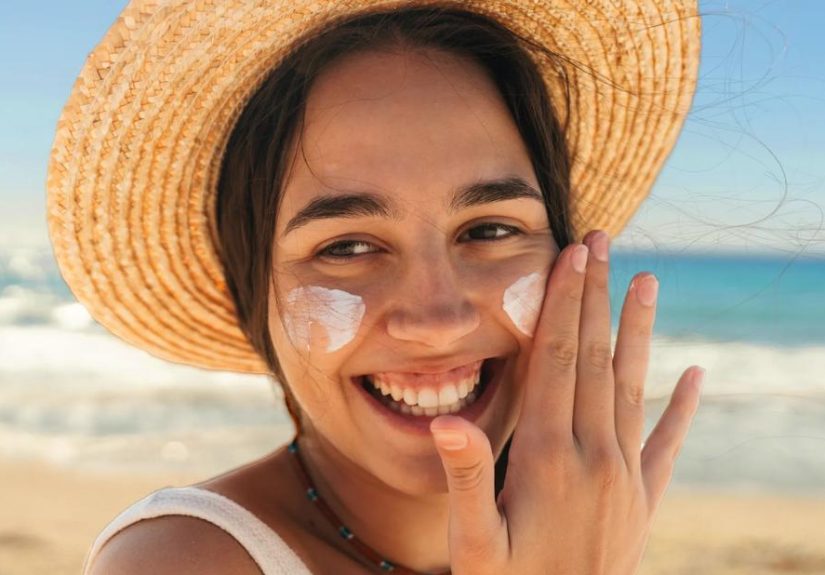
Also, sunscreen is not just for beach vacations. Daily exposure adds up when you drive, walk the dog, sit at outdoor lunch, or watch your child’s soccer practice from a folding chair that has seen things. Make sunscreen a habit on regular days, not just sunny “event” days.
Tip 3: Wear Clothes That Actually Protect You
Your T-shirt is helpful, but it is not magic
Protective clothing for sun exposure is one of the most underrated ways to lower risk. Long sleeves, pants, tightly woven fabrics, wide-brimmed hats, and UV-blocking sunglasses do a lot of heavy lifting. Clothing with a UPF label can offer even more reliable protection, especially for runners, golfers, gardeners, lifeguards, and anyone who spends long stretches outside.
Dress for the sun without dressing for a snowstorm
You do not need to wear a turtleneck to buy tomatoes at the farmers market. Lightweight long sleeves, airy linen blends, rash guards, and breathable sun shirts exist for a reason. A wide-brimmed hat protects the face, ears, and neck better than a baseball cap alone, which tends to guard your forehead while leaving the rest of your head in an awkward UV hostage situation.
Sunglasses matter too. Choose a pair labeled to block UVA and UVB rays or marked with 100% UV protection. That protects the eyes and the delicate skin around them. In other words, sun-protective gear is not just fashion. It is equipment.
Tip 4: Skip Tanning Beds and Stop Believing in the “Base Tan” Myth
A tan is not a health badge
One of the clearest answers to the question of how to reduce skin cancer risk is this: avoid tanning beds. Indoor tanning exposes skin to ultraviolet radiation, and that damage is not somehow upgraded because it happened indoors next to a tiny bottle of expensive lotion.
The “base tan” idea is also wildly overrated. A tan is a sign that your skin has already been injured by UV exposure. It is not protective armor. It is your body responding to damage. That golden glow may look vacation-ready, but your skin cells are not on holiday.
What to do instead
If you like the look of tanned skin, sunless self-tanners are the safer option. They can give color without requiring UV exposure. You still need sunscreen, though, because cosmetic color is not the same thing as protection. Think of it as makeup for your skin tone, not a force field.
Tip 5: Practice Sun Safety Every Day, Not Just on Vacation
Clouds do not cancel UV rays
People often get serious about sun protection at the beach and then completely forget about it during errands, school pickup, lunch on the patio, or a cloudy spring afternoon. But daily sun protection matters because UV exposure accumulates over time. That “just 15 minutes” here and there becomes a lot of skin stress over years.
Build routines that are hard to forget. Keep sunscreen by the door, in the car, or next to your toothbrush if you enjoy strange but effective life hacks. Toss a hat in your bag. Choose a moisturizer with SPF for normal workdays, then add more dedicated sunscreen when you will be outside longer.
Protect kids early
Sun-safe habits are especially important for children and teens. Severe sunburns early in life can have long-term consequences, so teaching good habits early matters. Family rule ideas include “no pool without sunscreen,” “hats for all-day games,” and “shade break before anyone turns pink.” Kids may not adore these rules, but future skin will be less likely to file a complaint.
Tip 6: Check Your Skin and Take Changes Seriously
Prevention is not only about blocking UV
Strictly speaking, finding a suspicious spot early is not the same as preventing it from forming. But in real life, it is one of the smartest things you can do to protect your health. Regular skin checks help you catch changes sooner, when treatment is often simpler and outcomes are better.
Know the ABCDE rule
When you look at moles or spots, remember the ABCDEs of melanoma:
- A for Asymmetry
- B for Border irregularity
- C for Color variation
- D for Diameter, especially larger spots
- E for Evolving, meaning a spot changes over time
You do not need to panic over every freckle with personality. But you should know your skin well enough to notice when something is new, changing, bleeding, itching, or not healing. If you see a concerning spot, get it checked by a healthcare professional. A monthly skin self-exam using a full-length mirror and a hand mirror can help you notice changes in places you rarely inspect, such as the scalp, back, soles of the feet, and behind the ears.
Common Sun Safety Mistakes That Sneak Up on People
- Only using sunscreen at the beach
- Forgetting to reapply after sweating or swimming
- Ignoring ears, lips, scalp part, and feet
- Assuming darker skin means zero risk
- Thinking cloudy weather is protective enough
- Trusting a baseball cap to do the job of a wide-brimmed hat
- Believing one tan is harmless because it happened “naturally”
Final Thoughts
If you came here looking for the shortest possible answer to how to prevent skin cancer, here it is: get less UV on your skin, more often, for the rest of your life. That sounds annoyingly simple because it is. The challenge is not understanding the tips. The challenge is turning them into habits you do on a random Tuesday, not just during a tropical vacation when your sunscreen smells like coconut and good intentions.
Start small. Pick one upgrade today. Maybe it is buying a better hat, setting a sunscreen reminder, moving your afternoon walk, or finally throwing away that expired bottle rolling around in the trunk. Then add the next habit. Over time, those ordinary choices create real protection.
And if your skin is trying to tell you something with a new or changing spot, listen. Your skin may be the largest organ in your body, but it is still surprisingly bad at sending calendar invites.
Experiences From Real Life: What These 6 Tips Look Like Day to Day
The most useful thing about sun safety is seeing how it works in normal life, not just in medical brochures where everyone somehow remembers to reapply sunscreen on time. Take the example of a dad who coaches youth baseball on weekends. At first, he thought sunscreen was mainly for the kids because they were out in the sun longer. Meanwhile, he stood at third base in a cap, short sleeves, and confidence. By midsummer, the back of his neck looked permanently annoyed. Once he switched to a wide-brimmed hat, kept sunscreen in the equipment bag, and started claiming the shady side of the dugout, the routine became automatic. The biggest surprise for him was not that it worked. It was how little effort it took once he stopped treating sun protection like a special event.
Another common story comes from office workers who think they are “basically indoors” and therefore exempt from daily protection. Then they realize they commute, eat lunch outside, walk to meetings, or sit near windows all day. One woman started applying broad-spectrum SPF every morning because she noticed uneven dark spots on one side of her face. She was not sunbathing. She was just living her life. A few months into the habit, sunscreen had become as normal as brushing her hair. She also kept a backup tube in her tote bag, which is the sort of boring decision that turns out to be genius during surprise outdoor lunches.
Parents often describe the same pattern with kids: resistance first, routine later. At the beginning of summer, sunscreen application can feel like negotiating a peace treaty with tiny, slippery diplomats. But after a few weeks of consistency, children start expecting hats, shade breaks, and sunscreen before the pool. That matters because early habits tend to stick. A family that normalizes sun protection raises kids who see it as standard behavior, not punishment.
Then there are people who once believed in the “base tan” myth. Many describe the same realization: the tan they thought looked healthy was actually their skin reacting to damage. After learning that, they switched to sunless tanners and became more deliberate about clothing, shade, and reapplication. Most say the shift was less about fear and more about finally understanding what their skin had been dealing with all along.
The final experience that comes up again and again is the power of noticing change early. People who regularly glance over their skin often catch a mole or spot that looks different before it turns into a bigger problem. That habit is not dramatic, expensive, or complicated. It is just awareness. And in skin health, awareness is one of the most practical tools you can have.