Table of Contents >> Show >> Hide
- Why Proper Tooth Brushing Matters
- The Golden Rule: Brush Twice a Day for Two Minutes
- Choose the Right Toothbrush
- Use Fluoride Toothpaste
- How to Properly Brush Your Teeth Step by Step
- When Should You Brush: Before or After Breakfast?
- Common Tooth Brushing Mistakes
- Should You Use Mouthwash?
- How to Brush With Braces, Retainers, or Dental Work
- How to Help Kids Brush Properly
- Signs You May Need to Improve Your Brushing Technique
- A Simple Daily Oral Care Routine
- Extra Experience-Based Tips for Better Brushing
- Conclusion
Brushing your teeth sounds like one of those life skills nobody should need to explainright up there with tying shoes, closing the refrigerator door, and not microwaving a fork. Yet many people brush every day and still miss plaque, irritate their gums, rush the job, or rinse away the protective benefits of fluoride toothpaste before it has a chance to shine. The truth is simple: brushing is easy, but brushing well is a technique.
This guide breaks down how to properly brush your teeth using practical, dentist-approved habits that fit real life. You will learn how long to brush, what kind of toothbrush to use, how much toothpaste you need, how to angle the brush, what mistakes to avoid, and how to build a brushing routine that does not feel like a tiny household chore with mint flavor.
Why Proper Tooth Brushing Matters
Proper tooth brushing removes plaque, a sticky film of bacteria that forms on teeth and along the gumline. When plaque hangs around too long, it can contribute to cavities, gum irritation, tartar buildup, bad breath, and dental visits that begin with the phrase, “So… how often are we flossing?” Nobody wants that energy.
Brushing also helps fluoride toothpaste stay in contact with enamel. Fluoride supports remineralization, which means it helps strengthen areas of enamel weakened by acids from bacteria, snacks, soda, juice, sports drinks, and that innocent-looking cookie that somehow became three cookies. A consistent brushing routine is one of the simplest ways to protect your teeth for the long run.
The Golden Rule: Brush Twice a Day for Two Minutes
The standard recommendation is to brush your teeth twice a day for two full minutes each time using fluoride toothpaste. Morning brushing helps clean away overnight buildup and freshens breath. Night brushing is especially important because it removes food particles and plaque before sleep, when saliva flow naturally slows down.
Two minutes may sound short, but in bathroom time it can feel like waiting for a slow elevator. A timer helps. So does dividing your mouth into four sections: upper right, upper left, lower right, and lower left. Spend about 30 seconds on each area. That way, every tooth gets invited to the cleaning party, not just the front teeth that show up in selfies.
Choose the Right Toothbrush
Use Soft Bristles
A soft-bristled toothbrush is the best choice for most people. Hard bristles can be too rough on enamel and gums, especially if you brush with the determination of someone scrubbing a grill. Plaque is soft. You do not need a power-washing personality to remove it.
Pick a Brush That Fits Your Mouth
The toothbrush head should be small enough to reach the back teeth comfortably. If the brush feels like you are trying to park a truck in a compact garage, it is probably too large. A smaller head can make it easier to clean behind molars, along the gumline, and around dental work such as crowns, fillings, retainers, or braces.
Manual vs. Electric Toothbrush
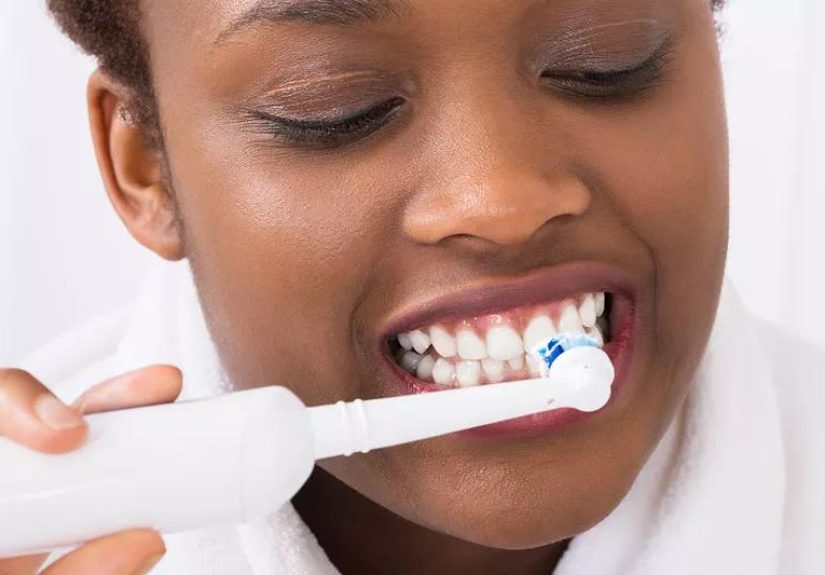
Both manual and electric toothbrushes can clean well when used correctly. A manual toothbrush gives you control and costs less. An electric toothbrush may help people who brush too hard, have limited hand movement, wear braces, or simply like a built-in timer. The best toothbrush is the one you use consistently and correctlynot the one that looks most futuristic sitting by the sink.
Use Fluoride Toothpaste
Fluoride toothpaste is recommended because it helps protect enamel against tooth decay. For adults and older children who can spit reliably, a pea-sized amount is usually enough. More toothpaste does not mean cleaner teeth; it just creates extra foam and makes your bathroom sink look like a minty science experiment.
For young children, toothpaste amounts should be smaller. Children under 3 generally need only a smear about the size of a grain of rice. Children ages 3 to 6 usually need a pea-sized amount, with adult supervision to make sure they spit rather than swallow. When in doubt, parents should ask a dentist or pediatrician for guidance.
How to Properly Brush Your Teeth Step by Step
Step 1: Wet the Toothbrush Lightly
You can wet the toothbrush before applying toothpaste, after applying toothpaste, or barely at all. This part is not the main event. The goal is simply to make brushing comfortable without washing away the toothpaste before it reaches your teeth.
Step 2: Apply the Right Amount of Toothpaste
Use a pea-sized amount of fluoride toothpaste for most adults and older children. Spread it across the brush instead of piling it into a dramatic toothpaste mountain. Your enamel needs fluoride contact, not a bubble bath.
Step 3: Hold the Brush at a 45-Degree Angle
Place the toothbrush at about a 45-degree angle toward the gumline. This angle helps the bristles reach the area where plaque likes to collect: right where the teeth and gums meet. That gumline zone is small, sneaky, and extremely popular with bacteria.
Step 4: Use Gentle, Short Strokes
Move the brush gently using short back-and-forth strokes or small circular motions. Focus on one or two teeth at a time. Avoid long, aggressive horizontal scrubbing, especially along the gums. Brushing harder does not make teeth healthier; it can irritate gums and wear down tooth surfaces over time.
Step 5: Clean Every Surface
Brush the outer surfaces, inner surfaces, and chewing surfaces of every tooth. The front teeth often get plenty of attention because they are easy to see. The back teeth, however, do the heavy chewing and often collect more food particles. Do not let your molars become the forgotten basement of your mouth.
Step 6: Brush Behind the Front Teeth
To clean the inside surfaces of your front teeth, tilt the brush vertically and use gentle up-and-down strokes with the tip of the brush. This area is easy to miss and can collect tartar, especially behind the lower front teeth.
Step 7: Brush Your Tongue Gently
The tongue can hold bacteria that contribute to bad breath. After brushing your teeth, gently brush your tongue from back to front or use a tongue scraper if you prefer. Be gentle. Your tongue is not a carpet.
Step 8: Spit, But Do Not Over-Rinse
After brushing, spit out the excess toothpaste. Many dental professionals suggest avoiding a big rinse with water immediately afterward because rinsing can wash away fluoride left on the teeth. If you strongly prefer rinsing, use only a small amount of water or ask your dentist what is best for your cavity risk, toothpaste type, and oral health needs.
When Should You Brush: Before or After Breakfast?
Many people wonder whether to brush before or after breakfast. The practical answer is this: brush twice daily, and be thoughtful about acidic foods and drinks. If breakfast includes orange juice, citrus fruit, soda, or other acidic items, brushing immediately afterward may not be ideal because acids can temporarily soften enamel. Waiting about 30 minutes after acidic foods or drinks gives saliva time to help neutralize the mouth.
If waiting is unrealistic, brush before breakfast, then rinse with water after eating. This routine protects your teeth, freshens your mouth, and keeps your morning from turning into a dental scheduling seminar.
Common Tooth Brushing Mistakes
Brushing Too Hard
Force is not the secret ingredient. Gentle pressure is enough. If your toothbrush bristles flatten quickly, your gums feel sore, or your teeth feel sensitive near the gumline, you may be brushing too hard. Try holding the brush with a lighter grip, almost like holding a pencil instead of a hammer.
Brushing Too Fast
A 20-second brush may make your mouth taste minty, but it does not give you enough time to clean all surfaces properly. Use a timer, play a two-minute song, or choose an electric toothbrush with a built-in timer. Your teeth deserve the full show, not the trailer.
Skipping the Gumline
The gumline is where plaque loves to hide. Aim the bristles gently toward the gums and move slowly. Healthy brushing should clean the edge of the gums without scraping or causing pain.
Using an Old Toothbrush
Replace your toothbrush or electric brush head every three to four months, or sooner if the bristles are frayed. A worn toothbrush cleans less effectively. If your toothbrush looks like it has survived a windstorm, thank it for its service and retire it.
Forgetting to Clean Between Teeth
Brushing cleans tooth surfaces, but toothbrush bristles cannot fully clean between teeth. That is where floss, floss picks, interdental brushes, or water flossers can help. Cleaning between teeth once a day removes plaque and food particles from places your toothbrush cannot reach.
Should You Use Mouthwash?
Mouthwash can be useful, but it should not replace brushing or cleaning between teeth. A fluoride mouthwash may help some people reduce cavity risk, while other rinses may be recommended for gum health or dry mouth. If you use mouthwash, read the label and ask your dentist when to use it. Some people prefer using mouthwash at a different time of day so they do not immediately rinse away fluoride from toothpaste.
How to Brush With Braces, Retainers, or Dental Work
If you have braces, brush carefully around brackets and wires. Angle the brush above and below each bracket, and take extra time around the gumline. Food particles can get trapped easily, so patience matters. Interdental brushes or a water flosser may make cleaning easier.
If you wear a removable retainer, clean it as directed by your orthodontist. Do not simply toss it into a case and hope for the best. A retainer can collect bacteria, plaque, and odors. Teeth and retainers are a team, and both need cleaning.
If you have crowns, bridges, implants, veneers, or fillings, continue brushing gently and thoroughly. Dental work still needs daily care because plaque can collect around margins and nearby gums. Your dentist may recommend special tools for cleaning around bridges or implants.
How to Help Kids Brush Properly
Children need help learning how to brush. Many kids do not have the hand skills to brush thoroughly on their own until they are older. Parents can let children practice first, then “finish the job” by brushing the areas they missed. Think of it as teamwork, not betrayal.
Use a child-sized soft toothbrush and the correct amount of fluoride toothpaste. Encourage kids to spit out toothpaste. Make brushing more fun with songs, sticker charts, colorful timers, or a silly “tooth inspector” routine. The goal is to build a habit that feels normal, not like a nightly negotiation hosted by tiny lawyers.
Signs You May Need to Improve Your Brushing Technique
You may need to adjust your brushing habits if you notice bleeding gums, persistent bad breath, visible plaque near the gumline, frequent cavities, tooth sensitivity, or tartar buildup. Bleeding gums can happen when plaque irritates the gums, but it can also signal gum disease or other issues. If bleeding continues after improving your routine, schedule a dental visit.
Bad breath that does not improve with brushing, flossing, and tongue cleaning may also deserve professional attention. Sometimes it is related to dry mouth, gum disease, cavities, tonsil stones, diet, medications, or other health factors.
A Simple Daily Oral Care Routine
Here is a realistic routine that works for many people:
- Brush in the morning for two minutes with fluoride toothpaste.
- Clean between teeth once a day using floss or another interdental tool.
- Brush before bed for two minutes, paying close attention to the gumline.
- Spit out toothpaste after brushing and avoid heavy rinsing right away.
- Replace your toothbrush every three to four months or sooner if worn.
- Visit your dentist regularly for cleanings and personalized advice.
Extra Experience-Based Tips for Better Brushing
One of the most useful experiences people have when improving their brushing routine is realizing that “clean feeling” and “clean technique” are not always the same thing. A mouth can feel minty after 30 seconds, but plaque may still be sitting quietly near the gumline like it pays rent. The first upgrade is awareness. Instead of brushing randomly, follow a pattern every time. Start in the upper right, move to the upper left, then lower left, then lower right. This prevents the classic mistake of brushing the same easy front teeth repeatedly while the back molars wonder if they have been abandoned.
Another practical lesson: bathroom mirrors are underrated. Watch yourself brush for a few days. You may notice that you skip the inside surfaces, rush the lower teeth, or brush one side better than the other. Many right-handed people naturally spend more time on the left side of the mouth and less on the right, while left-handed people may do the opposite. A mirror helps you catch those habits before your dentist does.
Pressure is another area where experience teaches quickly. If your toothbrush looks flattened after a month, you are probably pressing too hard. A helpful trick is to brush with your non-dominant hand once in a while. It slows you down and naturally reduces force. You do not need to do this forever, but it can teach your hand what gentle brushing feels like. Some electric toothbrushes also have pressure sensors, which are basically tiny bathroom coaches that say, “Relax, champion.”
Timing matters, too. Many people brush at night while exhausted, which leads to lazy brushing. If bedtime brushing always gets rushed, move it earlier. Brush after your final snack or drink, then avoid eating again. This small change can improve consistency because you are brushing while still awake enough to behave like a responsible adult, even if your pajamas say otherwise.
For people who dislike toothpaste foam, switching to a different flavor or formula can make a huge difference. Some toothpastes foam more than others. Some taste intensely minty, while others are mild. The best toothpaste is a fluoride toothpaste you will actually use twice a day. If a product makes you gag, burn, or avoid brushing, ask your dentist about alternatives.
Travel is another routine-breaker. Keep a spare toothbrush, mini fluoride toothpaste, and floss in your bag. This is especially useful for students, shift workers, frequent travelers, or anyone whose life occasionally becomes a calendar-shaped tornado. Having supplies nearby makes brushing feel easy instead of optional.
Finally, do not wait for pain to care about technique. Cavities and gum problems can develop quietly. Proper brushing is not about chasing perfection; it is about small, repeatable actions. Two minutes in the morning, two minutes at night, gentle strokes, fluoride toothpaste, and daily cleaning between teeth can protect your smile without turning your bathroom into a dental school classroom.
Conclusion
Learning how to properly brush your teeth is not complicated, but it does require attention. Use a soft-bristled toothbrush, fluoride toothpaste, gentle pressure, and a 45-degree angle toward the gumline. Brush twice a day for two minutes, clean every surface, replace worn brushes, and do not forget the spaces between teeth. Small improvements in technique can make your daily routine much more effective.
The goal is not to brush like a perfectionist robot. The goal is to brush with a plan. Your teeth work hard every day, handling coffee, snacks, meals, late-night cravings, and the occasional “just one more bite.” Give them two focused minutes twice a day, and they will be much better prepared to return the favor with a healthier smile.
Note: This article is for general educational purposes and does not replace professional dental advice. For tooth pain, bleeding gums, sensitivity, braces, implants, gum disease, or frequent cavities, consult a licensed dentist for personalized care.