Table of Contents >> Show >> Hide
- Quick-Start Checklist (Because Your Brain Has Enough Tabs Open)
- What Shingles Is (and Why It Loves Surprise Appearances)
- The #1 Defense: Get Vaccinated With Shingrix
- Lower Your Risk If You’re Higher-Risk
- Protect Other People If Shingles Shows Up
- Spot It Early, Treat It Fast (Yes, the Clock Matters)
- Reduce the Odds of Long-Lasting Pain (Postherpetic Neuralgia)
- Common Myths, Quickly Debunked
- Frequently Asked Questions
- Real-World Experiences: What People Commonly Learn the Hard Way (About )
- Conclusion: Your Best Shingles Protection Plan
Educational content only not personal medical advice. If you think you have shingles or you’re immunocompromised, check in with a licensed clinician.
Shingles is the ultimate unwanted “throwback.” It’s caused by the same virus that leads to chickenpox (varicella-zoster virus). After chickenpox, the virus can go dormant for years then later decide it’s time to rebrand as a painful, blistering rash. Rude. The good news: you can stack the odds heavily in your favor with a few smart moves, especially vaccination.
Quick-Start Checklist (Because Your Brain Has Enough Tabs Open)
- If you’re eligible, get the shingles vaccine (Shingrix). It’s the strongest proven protection.
- Don’t ignore early symptoms. Fast treatment can shorten the illness and may reduce complications.
- Cover any shingles rash and wash hands often. Protect people who could get seriously ill.
- Know your risk level. Age 50+ and immune system changes raise the odds.
- Plan for the second dose. The “two-dose era” is where the real protection lives.
What Shingles Is (and Why It Loves Surprise Appearances)
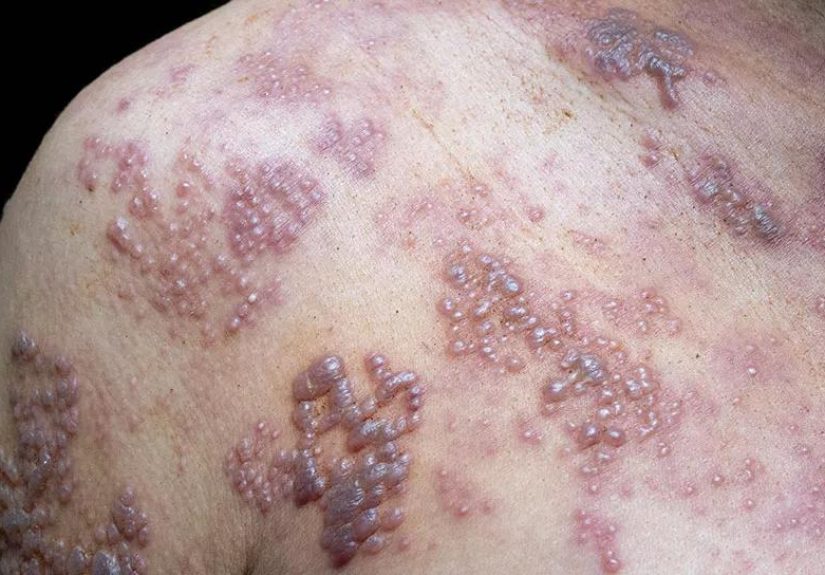
Shingles (herpes zoster) happens when varicella-zoster virus wakes up in nerve tissue and travels along a nerve to the skin, causing pain, tingling, and a rash that typically shows up on one side of the body. Many people describe the pain as burning, stabbing, or “my shirt hurts” levels of sensitivity. And because shingles is nerve-related, the discomfort can start before you see anything on your skin.
Risk increases with age because the immune response that keeps the virus quiet tends to weaken over time. Certain medical conditions and treatments that affect the immune system can also raise risk. Translation: shingles is not a “bad luck only” situation there are predictable patterns, which means there are predictable ways to reduce risk.
The #1 Defense: Get Vaccinated With Shingrix
If shingles prevention had a leaderboard, Shingrix would be sitting at the top, drinking a smoothie, and not even breaking a sweat. Vaccination is the most effective way to protect yourself against shingles and its most notorious complication: postherpetic neuralgia (PHN), a lingering nerve pain that can last months (or longer).
Who should get the shingles vaccine?
- Most adults ages 50 and older should get Shingrix.
- Adults 19 and older with weakened immune systems may also be recommended to get Shingrix (ask your clinician timing can matter).
- You can still get Shingrix even if you’ve had shingles before or received an older shingles vaccine in the past.
The schedule: two doses, one mission
Shingrix is given in two doses, typically 2 to 6 months apart. Put the second dose on your calendar immediately right next to “change smoke detector batteries” and “finally organize the junk drawer.” If more than six months pass, you generally don’t restart the series; you just get the second dose as soon as you can.
Practical tip: Pick your second-dose date when you schedule the first. Many people feel achy or tired for a day or two afterward, so some choose a Friday afternoon appointment so they can be a couch burrito over the weekend.
How well does Shingrix work?
In healthy adults, Shingrix has shown very high effectiveness at preventing shingles and PHN. Think of it as training your immune system to recognize the virus’s “greatest hits” before it tries to go on tour again. Real-world research also suggests protection remains strong for years, though effectiveness can gradually decline over time still leaving vaccination as a major net win for most eligible people.
Side effects and safety: what’s normal vs. what’s “call someone”
Common side effects are usually short-lived and can include soreness where you got the shot, fatigue, muscle aches, headache, fever, shivering, or an upset stomach. In other words, your immune system may act like it just finished leg day. This typically improves within a couple of days.
As with any vaccine, rare serious reactions can occur. That’s why clinics are equipped to handle allergic reactions, and why you should tell your healthcare provider about any history of severe allergies or major reactions to vaccines. If you ever have symptoms that feel urgent (like trouble breathing or swelling of the face/throat), treat it as an emergency.
Cost and where to get it
Shingrix is commonly available at doctor’s offices and pharmacies. Coverage varies, but many insurance plans cover recommended vaccines. For people with Medicare Part D, shingles vaccination may have no out-of-pocket cost under current rules. If you’re unsure, call your pharmacy or insurer it’s a two-minute question that can save you a lot of money and hassle.
Lower Your Risk If You’re Higher-Risk
Vaccination is the headline, but it’s not the only chapter. Shingles risk rises when the immune system is under strain and not just from illness. Lifestyle factors can’t “guarantee” you’ll avoid shingles, but they can support immune function and help you recover better if you ever do get sick.
Know the risk boosters
- Age (risk increases notably after 50)
- Weakened immune system (certain cancers, HIV, transplant history, immune-suppressing medications, etc.)
- High stress and poor sleep (not the sole cause, but can be a contributing load on the body)
Support your immune system with boring-but-powerful basics
- Sleep: Aim for consistent sleep. Your immune system does maintenance work while you’re out.
- Stress management: Even small daily habits help (walks, breathing exercises, journaling, therapy, faith/community practices).
- Chronic condition management: Keep up with care plans for diabetes, heart disease, lung disease, and other long-term conditions.
- Nutrition: A balanced diet supports recovery and resilience. (No, you don’t have to marry kale.)
Protect Other People If Shingles Shows Up
Shingles itself isn’t something you “catch” from someone else but the virus in shingles blisters can spread to people who’ve never had chickenpox (or the chickenpox vaccine), causing them to develop chickenpox, not shingles. The key is direct contact with fluid from the rash.
Simple rules that make a big difference
- Cover the rash (loose clothing or an appropriate dressing).
- Don’t scratch or pick (easier said than done keep nails short).
- Wash hands often and avoid touching the rash.
-
Avoid close contact with people at higher risk until blisters crust over, including:
- Pregnant people who haven’t had chickenpox or the chickenpox vaccine
- Newborns or premature infants
- People with weakened immune systems
Spot It Early, Treat It Fast (Yes, the Clock Matters)
Shingles often starts with pain, tingling, itching, or sensitivity in a specific area then a rash appears, usually within days. If you suspect shingles, contacting a healthcare professional quickly is worth it because prescription antiviral medicines work best when started early.
The “first 72 hours” rule of thumb
Many clinical resources recommend seeking care within 72 hours of rash onset if shingles is suspected. Early treatment can shorten the course of illness and may reduce the risk of long-lasting nerve pain. If you’re older, immunocompromised, or the rash is near the eye, it’s especially important not to wait.
If it’s on your face or near your eye, take it seriously
Shingles on the face can involve the eye and may lead to vision problems. If the rash is near the eye, or you have eye pain, vision changes, or light sensitivity, seek urgent medical evaluation.
Reduce the Odds of Long-Lasting Pain (Postherpetic Neuralgia)
PHN is the complication people fear most persistent nerve pain after the rash clears. Risk increases with age, and it can significantly affect sleep, mood, and daily functioning. The best prevention is vaccination. If shingles happens anyway, early medical care and good pain control can make the experience more manageable.
If you’re dealing with shingles pain, clinicians may recommend a mix of approaches from over-the-counter options to prescription therapies tailored to your age, health history, and symptom severity. Don’t “tough it out” in silence; pain control is part of proper care.
Common Myths, Quickly Debunked
- Myth: “I had chickenpox as a kid, so shingles won’t happen to me.”
Reality: Prior chickenpox is exactly why shingles can happen later. - Myth: “Shingles is just a rash.”
Reality: It’s a nerve infection that can cause significant pain and complications. - Myth: “If I missed my second Shingrix shot, the whole thing is ruined.”
Reality: You typically don’t restart; you get the second dose when possible. - Myth: “The vaccine always makes people really sick.”
Reality: Many people have mild-to-moderate short-term symptoms; serious reactions are rare.
Frequently Asked Questions
Can you get shingles more than once?
Yes. While a prior episode may boost immunity for a time, recurrence can happen. That’s one reason guidelines still recommend vaccination for many eligible people, even if they’ve had shingles before.
Should you get Shingrix if you’re sick right now?
If you have shingles currently, or you’re moderately/severely ill, vaccination is usually postponed until you recover. For special circumstances (pregnancy, breastfeeding, immune-suppressing therapy), a clinician can help you plan timing safely.
What if you’re under 50?
Most healthy people under 50 aren’t routinely advised to get Shingrix. The big protective moves are: stay up-to-date on recommended vaccines, avoid direct contact with shingles blisters, and seek care quickly if symptoms develop especially if you have a condition or treatment that affects immunity.
Real-World Experiences: What People Commonly Learn the Hard Way (About )
The facts are important, but the lived experience is what makes prevention “stick.” Below are composite examples based on commonly reported patient situations (details changed and generalized). Think of these as practical lessons, not medical case files.
1) “I kept putting off the vaccine because I felt fine.”
A common story: someone turns 50, sees Shingrix recommended, and decides to handle it “later.” Months turn into years. Then shingles shows up at the worst possible time during a busy season at work, right before a trip, or while caring for family. The takeaway people often share afterward is simple: prevention feels optional until it suddenly doesn’t. Scheduling the first dose on the same day as a routine checkup (or at a pharmacy) is often the easiest way to stop procrastination from winning.
2) “The pain started before the rash, and I didn’t connect the dots.”
Many people describe early shingles as “a weird burning stripe” or tenderness that makes clothing uncomfortable. Because the rash hasn’t appeared yet, they assume it’s a pulled muscle, a detergent reaction, or just stress. When the rash finally shows up, they realize time matters. The lesson: if you’re in a higher-risk group (especially 50+ or immunocompromised) and you develop new, one-sided, localized pain or tingling don’t wait for it to “get dramatic.” A quick call to a clinician can be the difference between early treatment and playing catch-up.
3) “I didn’t realize shingles could affect the eye.”
Facial shingles can be scary. People often report they assumed it would stay on the torso because that’s the classic image then they notice symptoms near the forehead or around the eye. The lesson shared again and again: anything near the eye deserves urgent attention. Even if it turns out to be something else, getting evaluated is worth it for peace of mind and safety.
4) “I worried I’d infect my family.”
When shingles hits, many people panic about spreading it especially around babies, pregnant relatives, or family members on chemo or immune-suppressing medications. The practical habit that helps most: cover the rash, wash hands often, and avoid direct contact with the blister fluid. People often say having a clear plan reduced their anxiety as much as it reduced risk.
5) “I underestimated how draining it could be.”
Beyond the rash, fatigue is a frequent complaint. People commonly describe feeling run-down and irritable, partly from pain and partly from poor sleep. Helpful takeaways include building a “recovery kit” (loose clothing, simple foods, entertainment, and a plan for work coverage) and taking pain management seriously instead of trying to power through. The big message: shingles can be more than a skin problem it’s okay to rest and ask for help.
Conclusion: Your Best Shingles Protection Plan
If you want the strongest strategy to protect yourself against shingles, start with the shingles vaccine (Shingrix) if you’re eligible. Add quick action if symptoms appear, and use simple precautions to protect people around you. Shingles may be common, but it doesn’t have to be inevitable and it definitely doesn’t deserve a spot on your calendar.