Table of Contents >> Show >> Hide
- 1. Understand How House Fires Really Start
- 2. Build a Strong First Line of Defense
- 3. Everyday Habits That Make Your Home Safer
- 4. Fire-Safe Upgrades for an Older or “This Old House” Home
- 5. Plan for the People in Your Home
- 6. What To Do If a Fire Starts
- 7. Real-Life Experiences: Lessons from Close Calls and Smart Moves
- Conclusion
Picture this: You’re finally on the couch, pajamas on, a snack in hand… and then the smoke alarm shrieks.
In a real fire, you may have less than two minutes to get everyone out once that alarm goes off, and a home can be overwhelmed by flames in just a few minutes.
House fires aren’t rare “it only happens to other people” events. In the United States, there are an estimated
hundreds of thousands of residential building fires every year, with cooking the leading cause of home fires.
The good news? Most of these disasters are preventable with some smart upgrades, better habits, and a plan your whole household actually knows.
In true This Old House spirit, this guide walks you through practical ways to reduce your risk of a house fire, from what you cook on the stove to how you maintain that charming 1920s wiring, plus what to do if a wildfire or a neighbor’s fire threatens your home.
1. Understand How House Fires Really Start
To prevent a fire, it helps to know the usual suspects. National data and safety organizations point to the same top causes again and again: cooking, heating equipment, electrical issues, smoking materials, and open flames like candles.
1.1 Cooking: The Number One Troublemaker
Unattended cooking is the leading cause of home fires in the U.S. That quick step away to answer a text, fold laundry, or check the game? That’s when pans overheat, grease ignites, or a dishtowel edges a little too close to a burner.
- Stay in the kitchen when frying, broiling, or grilling. If you leave, turn the burner off.
- Keep a “kid-free zone” of at least 3 feet (about an arm and a half) around the stove.
- Turn pot handles toward the back so curious hands or bumping hips don’t send hot food flying.
- Keep combustibles oven mitts, paper towels, wooden utensils away from the cooktop.
If you do have a small grease fire, never throw water on it. Turn off the heat, slide a metal lid over the pan, or use a class B or multi-purpose fire extinguisher if you can do it safely.
1.2 Heating Equipment and Fireplaces
Space heaters, fireplaces, and woodstoves are cozy and a major winter fire hazard. Heating equipment is one of the top causes of home fires, especially when things that burn are too close.
- Keep anything that can burn at least 3 feet away from heaters, fireplaces, and woodstoves.
- Use only heaters with automatic shutoff if they tip over.
- Have chimneys and woodstoves inspected and cleaned yearly by a professional.
- Use a sturdy screen in front of fireplaces to catch popping embers.
Recently, several house fires have been linked to the improper disposal of fireplace and woodstove ashes embers can stay hot for days.
Always place ashes in a metal container with a tight lid, set on bare earth or concrete away from any buildings, and let them cool for several days before disposal.
1.3 Electrical and Appliances
Hidden behind your walls and under your furniture, your electrical system quietly works hard. When it’s overloaded, outdated, or damaged, it can spark a fire.
- Don’t overload outlets or rely on daisy-chained power strips.
- Replace cords that are frayed, cracked, or warm to the touch.
- Never run extension cords under rugs or through doorways.
- If lights flicker, breakers trip often, or outlets buzz, call a licensed electrician.
In older homes, original wiring may not be designed for modern loads like multiple computers, gaming systems, and high-wattage appliances. Arc-fault circuit interrupter (AFCI) and ground-fault circuit interrupter (GFCI) breakers can add crucial protection.
1.4 Smoking, Candles, and Open Flames
Careless smoking is still a leading cause of fatal home fires, especially when people smoke in bed or doze off on the couch.
Candles also cause thousands of fires each year.
- Smoke outdoors only, and use deep, sturdy ashtrays on nonflammable surfaces.
- Never smoke in bed or when you’re drowsy, medicated, or have been drinking.
- Blow out candles before leaving the room or going to sleep or switch to flameless LED candles.
- Keep matches and lighters locked away from kids.
2. Build a Strong First Line of Defense
2.1 Smoke Alarms: Small Disks, Huge Impact
Working smoke alarms more than double your chances of surviving a home fire.
Yet a surprising number of homes have missing, dead, or outdated alarms.
- Install smoke alarms on every level, in every bedroom, and outside sleeping areas.
- Test alarms monthly using the test button.
- Replace batteries once a year (or as directed for 10-year sealed units).
- Replace smoke alarms entirely every 10 years; combo smoke/CO units often need replacement after 7 years.
- For best protection, use interconnected alarms so when one sounds, they all sound.
If anyone in your home is hard of hearing, consider strobe alarms or bed-shaker devices that vibrate during an alarm.
2.2 Fire Extinguishers and Sprinklers
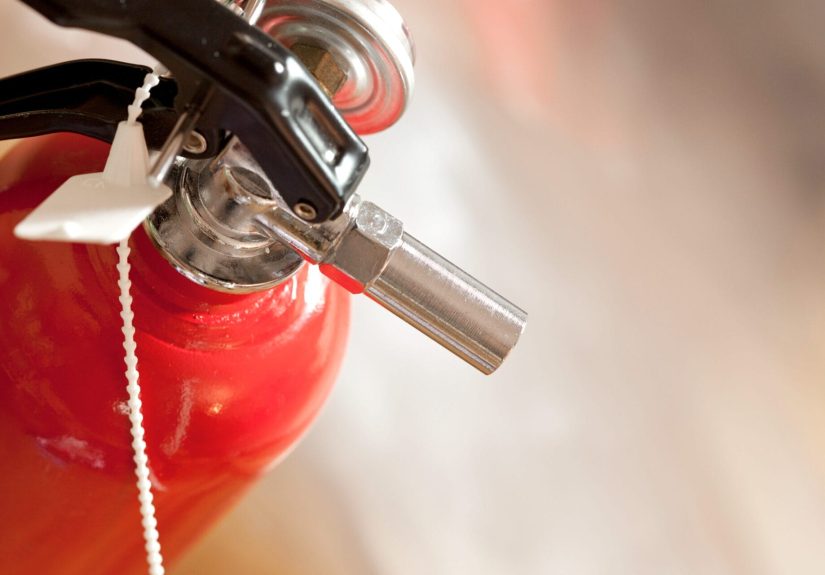
Portable fire extinguishers are there to tackle small, contained fires like a wastebasket or a tiny stovetop flare-up as long as it’s safe to do so and you have a clear exit behind you.
- Keep at least one multi-purpose (ABC) extinguisher on each level of your home.
- Mount one near (but not directly over) the kitchen and another near the garage or workshop.
- Remember PASS: Pull the pin, Aim low, Squeeze the handle, Sweep side to side.
In new builds or major renovations, consider a residential sprinkler system. Combined with smoke alarms, sprinklers greatly reduce the risk of dying in a home fire.
2.3 Make and Practice a Fire Escape Plan
In a fire, you won’t have time to debate which door to use. Everyone in the household kids, grandparents, guests, and even your teenager with headphones permanently attached needs to know exactly what to do.
- Draw a simple map showing two ways out of every room, if possible.
- Choose a meeting place outside, like a tree or mailbox.
- Practice the plan at least twice a year, including at night.
- Teach everyone: Get out, stay out, and call 911 from outside.
For older adults or anyone with mobility challenges, customize the plan around their abilities and make sure needed items like glasses, canes, or walkers are easy to grab.
3. Everyday Habits That Make Your Home Safer
3.1 In the Kitchen
Kitchens are basically fire playgrounds: open flames, hot oil, electrical appliances, and distractions everywhere. Build these habits:
- Use a timer whenever you’re baking, simmering, or roasting.
- Stay off your phone for “just a second” while cooking on high heat.
- Keep the cooking area clean and free of grease buildup.
- Turn off small appliances (toasters, air fryers, coffee makers) after use.
3.2 Around Heat Sources
Think of a 3-foot “no junk zone” around any heat source: space heaters, radiators, fireplaces, furnaces.
- Don’t use space heaters as clothes dryers no draping socks or towels.
- Plug space heaters directly into wall outlets, not power strips.
- Have furnaces and boilers serviced annually.
- Store firewood and outdoor furniture away from exterior walls, especially in wildfire-prone areas.
3.3 With Electricity and Devices
Our homes are stuffed with chargers, laptops, tablets, and battery-powered gadgets. Modern advice increasingly highlights the fire risks of overcharging and damaged batteries.
- Use chargers and batteries that are certified and designed for the device.
- Avoid charging phones and laptops under pillows or on soft bedding.
- Replace swollen, damaged, or overheating batteries immediately.
- Recycle lithium-ion batteries at proper collection points never toss them loose into the trash.
4. Fire-Safe Upgrades for an Older or “This Old House” Home
Older homes come with character, charm, and occasionally very sketchy wiring. But with careful upgrades, you can honor the original architecture while giving your house modern fire safety.
4.1 Have the Electrical System Evaluated
If your home predates modern codes, schedule an inspection with a licensed electrician. They can identify overloaded circuits, outdated panels, and unsafe DIY “improvements” from previous owners.
- Replace knob-and-tube or cloth-insulated wiring where recommended.
- Add AFCI breakers to protect against dangerous arcing faults.
- Install GFCI protection in kitchens, bathrooms, basements, garages, and outdoor areas.
4.2 Respect Historic Features Safely
Wood trim, wainscoting, and original doors are beautiful but combustible. Avoid placing candles, plug-in heaters, or overloaded outlets directly against old wood surfaces. If you’re renovating, consider adding fire-rated drywall or fire-blocking materials in concealed spaces like attics or wall cavities where it doesn’t impact historical appearance.
4.3 Create Defensible Space Outside
Many homeowners now face wildfire risks, even in suburbs that once felt safely urban. Researchers estimate that tens of millions of Americans live in areas that could see catastrophic wildfires.
To reduce your risk, use recommendations similar to those in This Old House wildfire guidance and wildfire research:
- Maintain at least 5 feet of nonflammable material (gravel, pavers, bare soil) around your foundation.
- Clear dry leaves, pine needles, and debris from gutters, roofs, decks, and along fence lines.
- Trim tree branches away from roofs and chimneys.
- Store firewood and propane tanks away from the house.
- Consider ember-resistant vents and fire-resistant roofing and siding where feasible.
5. Plan for the People in Your Home
Fire safety isn’t one-size-fits-all. Kids, older adults, and people with disabilities may need extra help to get out quickly.
- Teach children how to recognize the smoke alarm and how to crawl low under smoke.
- For older adults, plan routes with minimal stairs and keep mobility aids close to the bed.
- Assign “helpers” in the family to assist those who need more time.
- Make sure everyone knows how to unlock doors and windows quickly.
6. What To Do If a Fire Starts
Prevention is the goal, but knowing how to react if a fire breaks out can save lives.
- If the smoke alarm sounds or you see/smell smoke, get everyone out immediately.
- Crawl low under smoke toward the nearest exit.
- If a door is hot, don’t open it; use an alternate route.
- Once outside, go to your meeting place and call 911. Don’t go back in for people, pets, or possessions.
In wildfire-prone areas, evacuation plans should also include “go bags,” multiple routes, and leaving early when danger is near not waiting until conditions are chaotic.
7. Real-Life Experiences: Lessons from Close Calls and Smart Moves
Statistics are helpful, but stories are what really stick. Here are a few common real-world scenarios that show how everyday choices can turn the tide between a near-miss and a full-blown disaster.
7.1 The “I Just Stepped Outside” Grease Fire
One homeowner started dinner, cranked the burner to high, and stepped out back to let the dog out. A phone notification pulled them into a quick scroll, and within minutes, smoke alarms began screaming. Thankfully, the pan hadn’t fully ignited yet, and they were able to shut off the burner and cover it with a lid.
The lesson: unattended cooking doesn’t mean “leaving the house.” It can be walking to another room, stepping outside, or getting stuck in a text thread. The fix is simple but strict: if the stove is on, you stay in the kitchen. If you must leave, turn it off. That one rule alone prevents a huge share of home fires.
7.2 The “Ashes Were Cold… I Think” Porch Fire
Another family cleaned out their woodstove on a Sunday night, putting ashes into a cardboard box on the screened porch. They were sure the ashes were cold after all, the fire had gone out that morning. Around 3 a.m., a neighbor noticed flames and called 911. Smoldering embers had slowly ignited the box and then the porch.
Firefighters saved the house, but the porch was destroyed. This is almost a textbook example of what fire officials warn about: ashes can hide live embers for days, and anything combustible nearby can go up in flames without anyone noticing until it’s too late.
The better habit: always use a metal container with a tight-fitting lid, put it on bare soil or concrete away from any structures, and cool ashes for several days. It’s not dramatic, it’s not high-tech but it works.
7.3 The Outdated Smoke Alarms That Didn’t Chirp
In another home, the alarms weren’t beeping, so everyone assumed they were fine. After a small electrical fire in the basement filled the house with smoke, none of the alarms went off. Later, the family learned the devices were more than 15 years old, and the sensors had simply aged out.
Many people think “if it chirps, it needs batteries; if it’s quiet, it’s fine.” In reality, smoke alarms silently expire after about ten years and combo smoke/CO units sooner.
The only way to know is to check the manufacture date printed on the back, test monthly, and replace alarms on schedule.
7.4 The Neighborhood That Prepared for Wildfire
In a wildfire-prone community, one neighborhood worked together to clear dead vegetation, swap out flammable mulch next to foundations for gravel, and install metal mesh on attic vents. When a fast-moving fire swept through the region, some homes in nearby areas were severely damaged.
In this neighborhood, though, embers had less fuel to ignite, and most of the homes remained standing. Research and real-world demonstrations show that fire-resistant roofing and siding, ember-resistant vents, and that crucial five-foot “noncombustible zone” around the home can dramatically improve survival odds especially when most homes on a street participate.
The takeaway here isn’t that some people are “lucky.” It’s that whole-block participation in defensible space and fire-safe materials turns luck into strategy.
7.5 Putting It All Together at Home
As you walk through your own house, borrow from these experiences:
- Do a five-minute “fire walk” through each room, looking for overloaded outlets, loose cords, or combustibles too close to heat.
- Check the date on your smoke and CO alarms and log replacement dates in your phone.
- Review your escape plan and practice it with everyone yes, even the surly teenager and the very confused cat.
- Step outside and look at the first 5 feet around your house. Is it mostly mulch and debris, or nonflammable materials?
None of these steps are glamorous. You won’t go viral on social media for installing a new smoke alarm or sweeping dry leaves off your roof. But they’re exactly the kind of quiet, practical projects that keep your “old house” feeling like a safe, solid home for decades to come.
Conclusion
Reducing your risk of a house fire doesn’t require turning your home into a bunker. It’s about layering sensible protections: understanding how fires start, upgrading alarms and wiring, changing a few daily habits, creating defensible space outside, and having a realistic plan for when things go wrong.
If you treat fire safety like any other home improvement project a weekend checklist here, a small upgrade there you’ll steadily make your home safer without feeling overwhelmed. And that might be the most important remodel you ever do.