Table of Contents >> Show >> Hide
- 1) Start With a Quick Reality Check (So You Don’t Hate It)
- 2) Get the Right Gear (You Only Need a Few Things)
- 3) Learn the Golden Rule: Run Easy Most of the Time
- 4) Warm Up and Cool Down (Future You Will Thank You)
- 5) The Best Beginner Method: Run-Walk Intervals
- 6) A Practical 4-Week Beginner Running Plan (No Drama, Just Progress)
- 7) Simple Running Form Tips (That Actually Help)
- 8) Strength Training for Beginners Who Run (Yes, Really)
- 9) Hydration and Fueling (Keep It Simple)
- 10) How to Avoid Common Beginner Injuries
- 11) Motivation That Works in Real Life (Not Just on Posters)
- 12) A Quick FAQ for Brand-New Runners
- Conclusion
- Beginner Running: What It Really Feels Like (Experience Notes)
You’ve decided to start running. Welcome! You’ve just joined a club where people pay money to run in circles, brag about waking up at 5 a.m., and develop strong opinions about socks. But here’s the truth: you don’t need fancy gear, a “runner body,” or a dramatic Rocky montage to begin. You need a plan that’s simple, realistic, and kind to your joints.
This guide walks you through exactly how to start running as a beginnerstep by stepwithout burning out, getting injured, or deciding that running is a conspiracy invented by treadmills. Let’s do it the smart way.
1) Start With a Quick Reality Check (So You Don’t Hate It)
Make sure your body is ready for “impact cardio”
Running is fantastic, but it’s also higher impact than walking, cycling, or swimming. If you’ve been mostly sedentary, have ongoing pain, or have a medical condition, it’s a good idea to get medical guidance before you begin. Think of it like checking the weather before a road trip: it doesn’t ruin the adventureit prevents a bad day.
Pick a beginner goal that’s actually helpful
Good beginner goals are based on consistency, not speed. Try one of these:
- Run/walk for 20 minutes, 3 days a week
- Finish a comfortable 5K (even if you walk parts of it)
- Build a habit: “I run on Tuesday, Thursday, and Saturday”
Notice what’s missing? “Run a 7-minute mile in two weeks.” That goal is a fast track to disappointment and dramatic calf cramping.
2) Get the Right Gear (You Only Need a Few Things)
Running shoes: comfort first, not internet debates
If there’s one purchase worth caring about, it’s shoes. The best running shoes for beginners are the ones that fit well and feel comfortable. You don’t need to “force” a certain foot strike or copy someone else’s styleyour body will usually find what feels natural.
Beginner shoe checklist:
- Enough room in the toe box (toes shouldn’t feel squished)
- Heel feels secure (no slipping)
- Comfortable from the first step (don’t “break in” pain)
- Matched to where you’ll run (road vs. trail)
When to replace shoes (yes, they expire)
Over time, shoes lose cushioning and support. A common guideline is to replace running shoes after roughly a few hundred miles of use. If your feet, knees, or shins start complaining in a way they didn’t beforeand nothing else changedyour shoes may be the culprit.
Clothes: pick “not annoying” over “elite”
Wear breathable, comfortable clothing you can move in. Avoid cotton if it gets soggy and rubby for you. If something chafes on a walk, it will absolutely chafe more when you’re bouncing.
3) Learn the Golden Rule: Run Easy Most of the Time
Use the talk test to find the right pace
Most beginner runners go too fastbecause “running” feels like it should be intense. But the easiest pace is where you build fitness safely.
- Easy pace: You can talk in full sentences.
- Moderate: You can talk, but singing would be… ambitious.
- Hard: You can only get out a few words before needing a breath.
For beginners, most running should feel easy to moderate. If you’re gasping in the first two minutes, you’re not failingyou’re just sprinting by accident.
4) Warm Up and Cool Down (Future You Will Thank You)
A simple warm-up (5–10 minutes)
Warming up means gradually raising your heart rate and getting blood flowing to the muscles you’re about to use. Do this before every run:
- Walk briskly for 3–5 minutes
- Add gentle dynamic moves (leg swings, high-knee marching, easy lunges)
- Start your first run interval slower than you think you need
Cool down (3–5 minutes) + optional stretching
After your last interval, walk for a few minutes to bring your heart rate down gradually. If you like stretching, do it when you’re warm (after the run), not cold (before the run). Keep it gentle and focused on tight areas.
5) The Best Beginner Method: Run-Walk Intervals
If you’re new, the run-walk method is your best friend. It builds endurance without frying your legs or your motivation. You alternate short running segments with walking breaks. This approach is beginner-friendly, joint-friendly, and confidence-friendly.
How it should feel
Your running intervals should feel controlledlike you could keep going if you had to. If your running interval feels like a dramatic escape scene, slow down.
6) A Practical 4-Week Beginner Running Plan (No Drama, Just Progress)
This plan assumes you can walk comfortably for 20–30 minutes. If that feels like a stretch, start with walking workouts for 1–2 weeks first, then come back here.
Schedule: 3 days per week
Try Tuesday/Thursday/Saturday (or any pattern with rest days in between). Rest days are training. Your body adapts during recovery.
Week 1: “Hello, Running”
- Warm up: 5 minutes brisk walk
- Main set: 1 minute easy run + 2 minutes walk (repeat 7 times = 21 minutes)
- Cool down: 3–5 minutes walk
Week 2: “Okay, I Can Do This”
- Warm up: 5 minutes brisk walk
- Main set: 90 seconds easy run + 2 minutes walk (repeat 6 times = 21 minutes)
- Cool down: 3–5 minutes walk
Week 3: “More Running, Still Chill”
- Warm up: 5 minutes brisk walk
- Main set: 2 minutes easy run + 90 seconds walk (repeat 7 times ≈ 24.5 minutes)
- Cool down: 3–5 minutes walk
Week 4: “Building the Base”
- Warm up: 5 minutes brisk walk
- Main set: 3 minutes easy run + 90 seconds walk (repeat 6 times = 27 minutes)
- Cool down: 3–5 minutes walk
How to progress after Week 4: Keep one thing steady while you change one thing. For example, keep your three weekly runs the same, and only increase total running time gradually. Many runners use a “small weekly increase” rule of thumbslow growth beats heroic leaps.
7) Simple Running Form Tips (That Actually Help)
Shorter steps, softer landings
Instead of reaching your foot way out in front (which can feel like “big strides = fast”), aim for shorter, quicker steps. This often reduces stress on your joints and helps you stay balanced.
Try a gentle cadence boost (optional, not obsessive)
Some clinics suggest that a small increase in step ratewithout increasing speedcan reduce overstriding. This isn’t about chasing a magic number; it’s about moving a little more lightly. If it feels awkward, ignore it and focus on comfort.
Posture cues that won’t make you overthink
- Stand tall (imagine a string lifting the top of your head)
- Relax your shoulders (no “turtle neck sprint mode”)
- Arms swing by your sides, not across your body
- Look ahead, not down at your feet
8) Strength Training for Beginners Who Run (Yes, Really)
You don’t need to become a gym superhero. But doing strength work a couple of times per week can help your body handle running better.
A simple twice-a-week routine (15–20 minutes)
- Bodyweight squats or sit-to-stands (2 sets of 8–12)
- Glute bridges (2 sets of 10–15)
- Calf raises (2 sets of 10–15)
- Step-ups (2 sets of 8–10 each leg)
- Plank (2 rounds of 20–40 seconds)
Do this on non-running days or after an easy run. Keep it “challenging but controlled.” The goal is durability, not wobbling into the kitchen like a baby giraffe.
9) Hydration and Fueling (Keep It Simple)
Hydration basics
For most easy runs under an hour, water is enough. If it’s hot, humid, or you sweat a lot, drink a bit beforehand and bring water if needed. For longer runs, some guidance suggests adding electrolytes and carbohydrates.
What to eat before a run (so your stomach doesn’t file a complaint)
If you run first thing in the morning, a small snack can helplike a banana, toast, or a handful of cereal. If you’re running later, try to avoid huge heavy meals right before. Keep it light and familiar. “New pre-run burrito experiments” are best saved for a day when you don’t have plans.
10) How to Avoid Common Beginner Injuries
Respect soreness vs. pain
Normal: mild muscle soreness, stiffness that improves as you warm up, general “I used my legs” feelings.
Not normal: sharp pain, pain that changes your stride, swelling, pain that gets worse each run, or pain that lingers and escalates.
Shin splints, runner’s knee, and other usual suspects
Many running aches come from doing too much too soon. If shin pain shows up, back off intensity and volume, focus on recovery, and check your shoes. If pain persists, it’s worth getting professional guidance.
Beginner-friendly prevention habits
- Keep most runs easy (use the talk test)
- Increase total running gradually
- Prioritize rest days
- Add strength work twice weekly
- Run on forgiving surfaces sometimes (track, packed dirt, treadmill)
11) Motivation That Works in Real Life (Not Just on Posters)
Make it stupidly easy to start
Lay out your clothes the night before. Choose a route you don’t hate. Commit to “10 minutes, then I can stop.” Most days you’ll keep goingbecause starting is the hard part.
Track the right wins
- “I showed up”
- “I ran slower and felt better”
- “I recovered faster than last week”
- “I didn’t quit when it got uncomfortable”
Speed comes later. Consistency comes first.
Use a beginner running playlist or a podcast trick
A fun hack: only listen to your favorite podcast while running. Your brain will start associating runs with something you enjoylike bribing yourself, but with science-y vibes.
12) A Quick FAQ for Brand-New Runners
How many days a week should a beginner run?
Three days per week is a sweet spot for many beginners. It’s enough to build fitness, but still leaves recovery time.
Should I run for time or distance?
Time is usually easier at first. “Run 1 minute” is clearer than “run 0.12 miles,” which sounds like a math quiz wearing athletic shoes.
Is walking allowed?
Not only allowedrecommended. Walking breaks are a tool, not a weakness. Plenty of experienced runners use run-walk strategies for long distances.
Conclusion
Starting running doesn’t require talent, toughness, or a sudden desire to become a “morning person.” It requires a beginner running plan that grows gradually, an easy pace you can sustain, and the patience to let your body adapt. Warm up, run-walk, rest when you need it, and keep most runs comfortable. If you do that for a month, you won’t just “try running”you’ll become someone who runs.
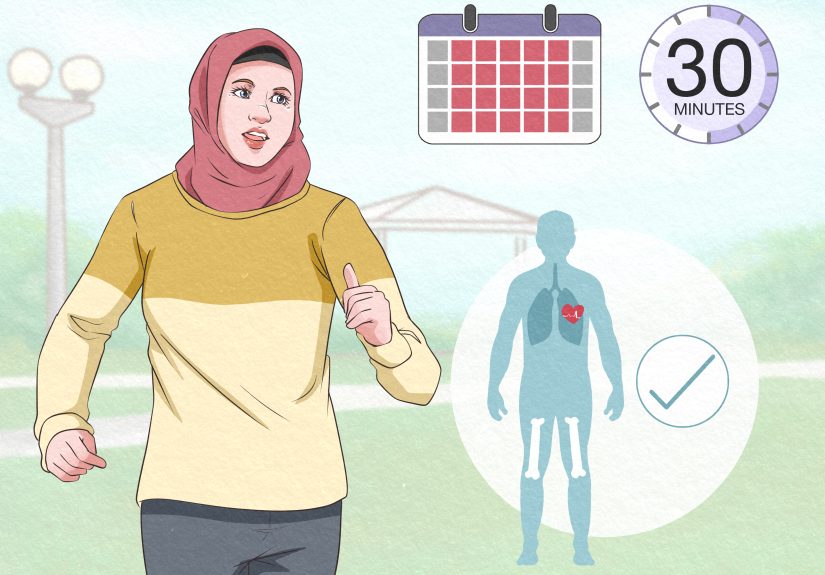
And the best part? Your early wins happen fast: better breathing, better mood, better stamina, and that oddly satisfying moment when the run that once felt impossible becomes your warm-up. Keep it simple. Keep it consistent. Keep it kind to your knees.
Beginner Running: What It Really Feels Like (Experience Notes)
Most people imagine that “starting running” is one dramatic moment where you lace up, sprint into the sunset, and immediately become a fitness montage. In reality, beginner running feels more like a series of tiny discoveriessome hilarious, some frustrating, and many surprisingly encouraging.
The first surprise: running easy is harder than running hard. A lot of beginners accidentally jog too fast, get winded, and assume they’re “bad at running.” But when you slow down enough to pass the talk test, it feels almost sillylike you’re pretending to run. That’s the point. Easy running is how you build endurance without turning every workout into a battle scene. Many new runners report that the moment they give themselves permission to go slower, running stops feeling like punishment and starts feeling like something they can repeat.
The second surprise: progress shows up in weird places first. You might not feel “faster” for a while, but you’ll notice that you recover quicker after intervals, or your breathing settles sooner, or you can run the same route without needing as many walking breaks. Beginners often say the first win is mental: they stop negotiating with themselves every five seconds. The run becomes “a thing I do,” not “a thing I fear.”
The third surprise: your body talks backpolitely at first, then louder if you ignore it. Mild soreness can feel like proof you did something new. But many beginners learn the difference between normal stiffness and pain that changes how you move. When they back off early, they stay consistent. When they push through sharp pain, they tend to lose weeks. A common lesson is that rest days aren’t “skipping”they’re part of training. New runners who treat recovery like a skill (sleep, easy walks, strength work, hydration) often build momentum faster than the all-or-nothing crowd.
The fourth surprise: confidence often arrives mid-run, not after. There’s a momentsometimes in week two, sometimes week fivewhen you realize you’re not counting every second anymore. You’re just moving. Beginners describe it as a quiet “oh… I can do this.” Not every run feels great, but the bad runs become less dramatic. You learn that a rough day doesn’t mean the plan is broken. It just means you’re human.
The final surprise: identity shifts before the stopwatch does. Many beginners start saying “I’m trying to run,” then later say “I run sometimes,” and eventually just say “I’m a runner”even if they’re still using walk breaks. That’s the real finish line: a habit that fits your life, not a pace that impresses strangers.