Table of Contents >> Show >> Hide
- What Eczema Looks Like on Dark Skin
- Why Treating Eczema Quickly Matters More Than You Think
- The Best Daily Routine for Eczema on Dark Skin
- How To Reduce Itching Without Making Skin Worse
- Common Triggers for Eczema on Dark Skin
- How To Manage Dark Spots and Light Patches After a Flare
- When Eczema Needs Medical Treatment Beyond Moisturizer
- Face, Scalp, and Body Folds Need Extra Care
- What Not To Do
- A Simple Treatment Plan You Can Actually Follow
- Experiences People Commonly Have With Eczema on Dark Skin
- Final Thoughts
- SEO Tags
Eczema is already rude enough without also being confusing. On dark skin, it does not always show up as the classic “red rash” people expect. Instead, it may look purple, gray, ash-brown, or deeper brown than the surrounding skin. That difference matters, because eczema can be missed, underestimated, or brushed off as “just dry skin” when it is actually inflamed and itching like crazy. The good news is that eczema on dark skin can absolutely be treated. The even better news is that a smart routine can help calm the itch, protect the skin barrier, and reduce the lingering dark or light marks that sometimes hang around after a flare.
If you are trying to figure out how to treat eczema on dark skin, the short answer is this: control inflammation early, moisturize like it is your part-time job, avoid triggers, and get medical help when over-the-counter care is not enough. The longer answer is a lot more helpful, so let’s get into it.
What Eczema Looks Like on Dark Skin
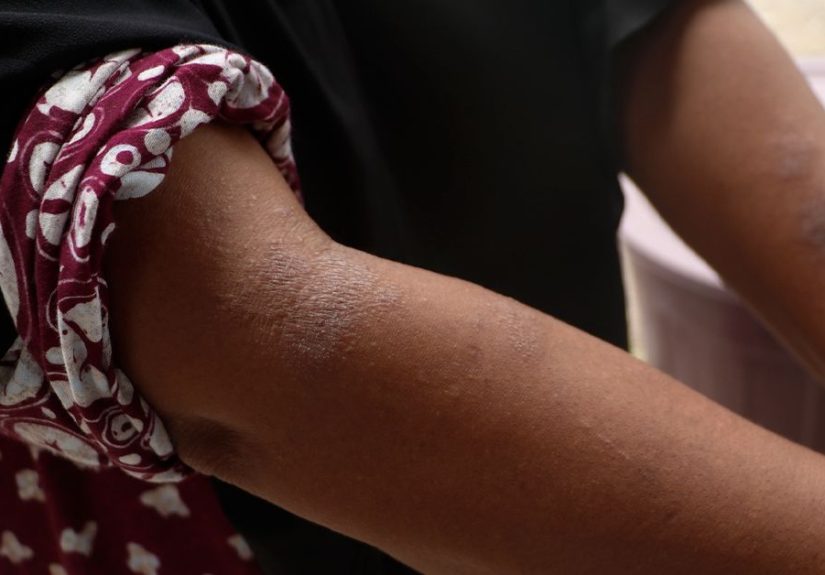
On lighter skin, eczema often appears pink or red. On dark skin, the color can be much less obvious. A flare may look:
- Purple, violet, or gray
- Dark brown or ashy patches
- Small rough bumps
- Thickened skin from repeated scratching
- Areas that become lighter or darker after the rash improves
This last part is important. On dark skin, eczema often leaves behind pigment changes called post-inflammatory hyperpigmentation or hypopigmentation. In plain English, the skin may look darker or lighter for weeks or even months after the itching settles down. That can make people feel like the eczema is still “there” even when the active inflammation is better. Sometimes it is. Sometimes it is the leftover skin discoloration. A dermatologist can help tell the difference.
Why Treating Eczema Quickly Matters More Than You Think
When eczema lingers, scratching and inflammation do more than make you miserable. They can damage the skin barrier, invite infection, and increase the odds of noticeable color changes afterward. On dark skin, those pigment changes can be especially frustrating because they are often more visible and slower to fade.
That is why the goal is not just “stop the itch eventually.” The real goal is to calm the flare early, keep the skin moisturized daily, and prevent the next flare from barging in like it pays rent.
The Best Daily Routine for Eczema on Dark Skin
1. Cleanse Gently, Not Aggressively
Use a fragrance-free, gentle cleanser or a non-soap wash. Avoid harsh scrubs, exfoliating acids, and strongly scented body washes. If a product makes your skin feel squeaky clean, your skin barrier is probably not applauding. It is filing a complaint.
Take short baths or showers with lukewarm water instead of hot water. Hot water feels glorious for about six minutes and then steals moisture from your skin like a tiny, steaming thief.
2. Moisturize Immediately After Bathing
The golden rule: moisturize within a few minutes after bathing while the skin is still slightly damp. This helps trap water in the skin. Thick creams and ointments usually work better than thin lotions for eczema-prone skin. Look for fragrance-free products with ingredients such as:
- Ceramides
- Petrolatum
- Glycerin
- Mineral oil
- Colloidal oatmeal
If your eczema is moderate to severe, you may need to moisturize more than once a day. Morning and night is a solid start. During flares, some people do best with spot-moisturizing throughout the day.
3. Use Prescription Treatments Correctly
If your clinician prescribes a medicated cream or ointment, use it exactly as directed. Common treatments include topical corticosteroids and nonsteroidal anti-inflammatory creams or ointments. These medicines help calm inflammation, reduce itching, and allow the skin to heal.
A lot of people worry about steroid creams, and that concern is understandable. The trick is not to fear them or freestyle them. Use the right strength, on the right body area, for the right amount of time. Too little may not control the flare. Too much or too long can irritate the skin or cause side effects. This is one situation where “a tiny dab of guesswork” is not the best skin-care strategy.
4. Protect the Skin Barrier Between Flares
Even when your skin looks calm, keep up the gentle routine. Eczema-prone skin has a barrier problem, which means it loses moisture more easily and gets irritated faster. Consistent skin care between flares often reduces how often severe flares happen.
How To Reduce Itching Without Making Skin Worse
Scratching feels satisfying for about eight seconds and then makes everything worse. It deepens inflammation, thickens the skin, and increases the chance of infection and discoloration. To reduce itching:
- Apply a thick moisturizer frequently
- Use cool compresses on especially itchy spots
- Keep fingernails short
- Wear soft, breathable fabrics like cotton
- Avoid wool or scratchy seams that irritate skin
- Ask a clinician whether antihistamines or other itch-relief strategies make sense for you
At night, eczema tends to become extra dramatic. If nighttime scratching is a problem, consider wearing soft gloves or keeping the bedroom cool. Your sheets should feel like a supportive friend, not like sandpaper with opinions.
Common Triggers for Eczema on Dark Skin
The triggers are not unique to dark skin, but identifying them is still a big part of treatment. Common eczema triggers include:
- Fragranced skin-care products
- Harsh soaps and detergents
- Heat and sweating
- Dry air and cold weather
- Stress
- Dust, pollen, and pet dander
- Certain fabrics
Try keeping a simple flare journal. Note the weather, products used, clothing worn, stress level, and what you ate only if food is a suspected trigger recommended by your doctor to track. Do not turn your life into a detective show with a corkboard wall unless you enjoy that kind of thing. A few practical notes in your phone can be enough to spot patterns.
How To Manage Dark Spots and Light Patches After a Flare
One of the most frustrating parts of eczema on dark skin is that the rash may improve, but the color changes stick around. This is common. The most important treatment is to control the eczema itself so new pigment changes do not keep forming.
To support more even-looking skin:
- Treat flares early and consistently
- Do not scratch or pick at healing skin
- Keep moisturizing daily
- Use sunscreen on exposed areas to help prevent dark marks from becoming more noticeable
- Talk to a dermatologist before using brightening acids, scrubs, or fading creams on eczema-prone skin
That last point deserves a spotlight. Products marketed for “dark spots” can sting, dry out, or trigger more irritation if used on skin that is still inflamed or fragile. When eczema is involved, aggressive DIY fading plans often backfire.
When Eczema Needs Medical Treatment Beyond Moisturizer
Sometimes eczema laughs in the face of drugstore creams. If that is happening, it is time to bring in backup. See a healthcare professional if:
- Your rash is painful, cracked, or oozing
- The itching is affecting sleep or school or work
- Over-the-counter care is not helping after a week or two
- You notice signs of infection, such as pus, crusting, warmth, or fever
- You keep getting flares in the same areas
- You are unsure whether it is eczema, psoriasis, seborrheic dermatitis, or something else
A dermatologist may recommend prescription topicals, wet-wrap therapy, phototherapy, or systemic treatments for more severe eczema. Some people with persistent atopic dermatitis also benefit from newer targeted treatments. In other words, if moisturizer alone is not cutting it, the story does not end there.
Face, Scalp, and Body Folds Need Extra Care
Face
Facial skin is thinner and more sensitive, so use only gentle products and ask a clinician before using strong steroid creams there. Nonsteroidal prescription treatments are sometimes preferred for delicate areas.
Scalp
Eczema on the scalp can overlap with dandruff or seborrheic dermatitis. If the scalp is flaky, itchy, and inflamed, medicated shampoos or prescription scalp treatments may help. Hair-care products with heavy fragrance or irritating ingredients can make things worse.
Body Folds
Behind the knees, inside elbows, under breasts, and around the neck often flare because of sweat and friction. Keep these areas moisturized, dry after sweating, and free of irritating perfumes or tight fabrics.
What Not To Do
- Do not use harsh scrubs to remove “ashy” or flaky skin during a flare
- Do not overuse essential oils or heavily fragranced natural products
- Do not apply someone else’s prescription cream just because it worked for them
- Do not keep trying products that burn, sting, or make skin tighter
- Do not ignore recurring pigment changes without checking whether active eczema is still present
And yes, social media may swear that some mystery butter from the internet cured everything overnight. Your skin, however, deserves better than a viral experiment.
A Simple Treatment Plan You Can Actually Follow
Here is a practical daily plan for many people with eczema on dark skin:
- Take a short lukewarm shower or bath.
- Use a gentle, fragrance-free cleanser only where needed.
- Pat dry, leaving skin slightly damp.
- Apply prescription medicine to active eczema if prescribed.
- Seal everything in with a thick cream or ointment.
- Reapply moisturizer to dry areas later in the day.
- Avoid known triggers and irritating fabrics.
- Use sunscreen on exposed areas, especially if you are dealing with dark marks after flares.
This routine is not flashy, but eczema usually responds better to boring consistency than to exciting chaos.
Experiences People Commonly Have With Eczema on Dark Skin
Many people with dark skin describe a similar experience before they ever get the right treatment: they know something is wrong, but the rash does not look like the textbook pictures. It may not appear red. It may look grayish, purple, dark brown, or simply “off.” Some say family members assume it is plain dryness and tell them to put on a random lotion and keep it moving. Others are told it is an allergy, heat rash, or just sensitive skin. That delay can be incredibly frustrating, especially when the itching is intense and the skin starts thickening or changing color.
Another common experience is feeling like the rash has two phases. First comes the active flare with itching, roughness, and inflammation. Then comes the second act: the marks left behind. For people with dark skin, those marks can be just as upsetting as the flare itself. A patch may stay darker or lighter long after the itching improves. That can affect confidence, clothing choices, and even whether someone wants to wear short sleeves, go swimming, or post photos without a filter doing overtime.
People also talk a lot about product trial and error. Some moisturizers feel too thin. Some sting. Some smell like a perfume counter exploded. Many eventually learn that thick, bland, fragrance-free products are often the most dependable. Not glamorous, not trendy, not “clinically infused with moonlight,” just effective. They also learn that consistency beats the occasional heroic effort. A moisturizer used every day usually works better than an expensive cream used whenever someone remembers it between emails, errands, and existential dread.
Hair and scalp care come up often too, especially for people who use oils, edge products, fragranced hair sprays, or styles that make scalp treatment harder to apply. Neck and hairline eczema can become a guessing game: is it the weather, the shampoo, the bonnet detergent, or the styling gel? Sometimes the answer is annoyingly “a little bit of all of the above.”
Many people with eczema on dark skin also describe relief when they finally see images and advice that reflect their skin tone. Recognition matters. It is easier to seek care early when you know what eczema can actually look like on brown and Black skin. And once treatment starts working, there is often a shift from panic to planning. People learn their triggers, keep a trusted moisturizer nearby, and stop chasing miracle cures. The experience becomes less about fighting their skin every day and more about supporting it with routines that are gentle, realistic, and sustainable.
Final Thoughts
Knowing how to treat eczema on dark skin is not about finding some secret “special skin” formula. It is about recognizing that eczema can look different on deeper skin tones and that pigment changes deserve attention right alongside itch control and barrier repair. Start with gentle cleansing, thick fragrance-free moisturizers, trigger avoidance, and proper use of prescribed medication. If symptoms keep coming back or the diagnosis is unclear, see a dermatologist. The earlier you control the inflammation, the better your skin can heal.
In other words: be kind to your skin, be boringly consistent, and do not let a purple-gray rash convince you it is not eczema just because it skipped the color red.