Table of Contents >> Show >> Hide
- What Is the Ivy Lee Method?
- Why the Ivy Lee Method Still Works
- How to Use the Ivy Lee Method Step by Step
- A Real-World Example of the Ivy Lee Method
- How to Adapt the Ivy Lee Method for Modern Work
- Common Mistakes That Make the Method Fail
- Who Should Use the Ivy Lee Method?
- Ivy Lee Method vs. Other Productivity Systems
- What Results Can You Expect?
- Experiences People Commonly Have When Using the Ivy Lee Method
- Final Thoughts
- SEO Tags
Modern productivity advice often sounds like it was written by a robot who drinks espresso for breakfast and schedules joy for 4:17 p.m. The Ivy Lee Method is refreshingly different. It is simple, low-tech, and blessedly free of color-coded chaos. No fancy app is required. No seventeen-step morning ritual is necessary. No one needs to tell your planner that it is “doing amazing, sweetie.”
If your workday feels like a pinball machine of emails, tabs, alerts, meetings, and tiny emergency fires, the Ivy Lee Method offers a calmer way forward. At its core, this method asks you to do something radical in a distracted world: choose a short list of truly important tasks, rank them, and work through them one at a time.
That is the magic. Not glamorous magic. More like “boring but weirdly effective” magic.
In this guide, you will learn what the Ivy Lee Method is, why it still works more than a century later, how to use it in a modern workflow, what mistakes to avoid, and how to adapt it whether you are a student, freelancer, manager, entrepreneur, or someone who simply wants to stop ending the day with 43 open browser tabs and a vague sense of betrayal.
What Is the Ivy Lee Method?
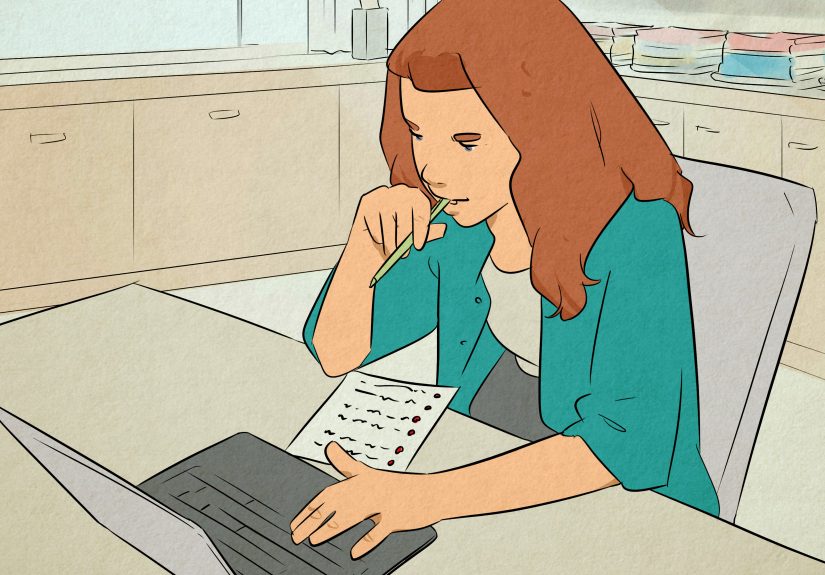
The Ivy Lee Method is a daily productivity system built around six tasks and one very important rule: do the first task before touching the second. At the end of each workday, you write down the six most important things you need to accomplish tomorrow. Then you rank them in order of priority. The next day, you start with task one and stay with it until it is done before moving to the next item.
That is it. No smoke. No lasers. No titanium productivity dashboard.
The classic six-step version
- At the end of your workday, write down the six most important tasks for tomorrow.
- Do not write down more than six.
- Rank those six tasks in order of true importance.
- When the new day begins, start with task number one only.
- Work on it until it is finished, then move to task number two.
- Carry unfinished tasks forward to the next day and repeat the process.
The method is often linked to productivity consultant Ivy Lee and a famous story involving business executive Charles Schwab. Whether you focus on the legend or the logistics, the lasting takeaway is the same: productivity improves when attention has a clear target and fewer places to wander off like a distracted golden retriever.
Why the Ivy Lee Method Still Works
The Ivy Lee Method has survived for one reason: it solves a timeless problem. Most people do not struggle because they have nothing to do. They struggle because they have too much to do, too little clarity, and a brain that gets tired every time it has to decide what matters most.
When your task list looks like a grocery receipt from the world’s most anxious supermarket, your attention gets split. You bounce between shallow tasks, react to what feels urgent, and confuse movement with progress. The Ivy Lee Method fights that in several useful ways.
It reduces decision fatigue
Instead of negotiating with yourself all day, you make key decisions in advance. Tomorrow’s priorities are chosen before tomorrow becomes a circus. That reduces mental friction in the morning and helps you begin faster.
It encourages monotasking
Working one task at a time improves focus and lowers the cognitive drag that comes from constant switching. Every time you jump from a report to Slack to email to a spreadsheet to “just one quick thing,” your brain pays a tax. The Ivy Lee Method keeps those taxes from bankrupting your attention.
It forces prioritization
Many people do not have a productivity problem as much as a priority problem. The method makes you decide what matters most before the day begins. That means you are less likely to spend your best energy answering low-value messages while your meaningful work stares at you like a disappointed gym trainer.
It creates visible progress
Crossing off one important task feels different from crossing off five trivial ones. The method nudges you toward high-impact work, so your progress is not just decorative. It is real.
How to Use the Ivy Lee Method Step by Step
Step 1: Make your list at the end of the day
Do not wait until the next morning. Build your list before you shut down for the day. This matters because your brain gets a clean handoff. You already know where to start tomorrow, which makes it easier to begin instead of drifting into inbox quicksand.
Keep the list short. Six tasks is the traditional limit, and that limit is not random. It forces restraint. You cannot pretend that twelve things are all equally urgent. Six is enough to create momentum without turning the list into a guilt museum.
Step 2: Choose important tasks, not merely loud ones
This is where many people wobble. Your list should not be six random errands. It should reflect meaningful work. Ask yourself:
- What will move a project forward?
- What creates real value?
- What requires my best attention?
- What will make tomorrow feel successful even if surprises happen?
Replying to a routine email may need to happen, but it should not outrank work that actually changes outcomes. The Ivy Lee Method is about importance, not noise.
Step 3: Rank ruthlessly
Now put the six tasks in order. Not “kind of important.” Not “they all matter in their own beautiful way.” In order. One through six.
If you struggle to rank tasks, start with this question: “If I could finish only one thing tomorrow, which one would matter most?” That is your number one. Repeat the process for the rest.
Step 4: Start with task one and stay there
This is the heart of the system. Begin with your top priority and work on it until it is complete or until you reach a meaningful stopping point. Do not peek at task two just because task one became annoying. Of course it became annoying. Important work usually does that right before it becomes rewarding.
If interruptions hit, return to task one as quickly as possible. The goal is not a fantasy world with perfect silence. The goal is to keep re-centering on the highest priority instead of surrendering the day to randomness.
Step 5: Move unfinished items forward
You will not finish everything every day. That is normal. The method is not a machine for turning humans into office forklifts. Unfinished tasks get reviewed and either rolled over, re-ranked, broken into smaller pieces, or deleted if they were never truly important in the first place.
Step 6: Repeat long enough to see the payoff
The Ivy Lee Method works best when used consistently. Try it for two weeks. One day is a test. Two weeks is a pattern. By then, you will start noticing where your priorities are realistic, where they are fantasy fiction, and how much time you were losing to indecision.
A Real-World Example of the Ivy Lee Method
Imagine a marketing manager named Elena. Her normal day starts with email, gets hijacked by meetings, and ends with the unsettling realization that she was “busy” for nine hours but moved nothing important forward.
Using the Ivy Lee Method, her list for tomorrow might look like this:
- Finish Q2 campaign brief
- Review ad copy revisions
- Prepare slides for Friday leadership meeting
- Reply to agency questions
- Approve social media calendar
- Organize notes from customer interviews
The next morning, Elena starts with the campaign brief before opening her inbox. She completes the first draft by 10:15 a.m. That one move changes the day. She has already advanced her biggest priority before meetings and messages begin to nibble at her focus. Even if the afternoon gets messy, the day still contains a meaningful win.
That is the difference between productivity and activity. Activity feels full. Productivity creates progress.
How to Adapt the Ivy Lee Method for Modern Work
The original method is charmingly old-school, but it works beautifully in modern settings with a few adjustments.
Use project-based wording
Do not write vague tasks like “work on presentation.” Write specific next actions like “draft opening slide,” “finalize three charts,” or “send deck for review.” Vague tasks create vague effort.
Pair it with calendar blocking
If your day gets crowded, put your top one or two Ivy Lee tasks on your calendar. A priority without time attached can become a very inspiring fantasy.
Break giant tasks into meaningful chunks
“Write website copy” is too big for one line item. Instead, break it into “outline homepage,” “draft hero section,” and “revise product page copy.” The method works best when tasks are clear enough to start without dramatic internal speeches.
Protect your peak energy hours
Use your sharpest mental time for the hardest task. If your brain works best at 9 a.m., do not donate that golden hour to email triage and administrative confetti.
Keep a separate parking lot for everything else
The Ivy Lee list should not hold every idea, follow-up, and maybe-someday task in your universe. Keep a master list elsewhere. Your Ivy Lee list is the daily shortlist, not the entire contents of your soul.
Common Mistakes That Make the Method Fail
Writing six giant monsters
If every item takes four hours, the list becomes discouraging. Make tasks concrete and finishable.
Confusing urgency with importance
The loudest task is not always the most valuable one. A ringing phone is urgent. Strategic work is often quieter.
Letting task one get replaced by email
This is the classic trap. Many people say they use the Ivy Lee Method, but what they really do is write a lovely list and then spend the morning answering messages from Chad about a spreadsheet font. Respectfully, Chad can wait five minutes.
Carrying over too much every day
If the same unfinished tasks keep rolling over, your planning is off. Either the tasks are too large, the priorities are wrong, or your day is overloaded. Adjust the system. Do not just collect tomorrow after tomorrow like productivity groundhog day.
Who Should Use the Ivy Lee Method?
This method works especially well for knowledge workers, students, writers, managers, freelancers, and business owners. It is ideal for people whose days are shaped by mental work rather than repetitive routines.
It is also useful if you:
- Feel overwhelmed by long to-do lists
- Start many things but finish too few
- Spend your day reacting instead of leading
- Need a simple productivity method that does not require an app addiction
- Want better focus without turning into a monk with Wi-Fi
If your job involves constant emergencies, you may need a modified version with fewer planned tasks and more buffer time. The method is flexible. It is a compass, not handcuffs.
Ivy Lee Method vs. Other Productivity Systems
The Ivy Lee Method is not the only productivity method out there, but its strength is simplicity.
Compared with time blocking, it is lighter and easier to start. Compared with massive task management systems, it is less detailed but more approachable. Compared with “eat the frog,” it gives you a full ranked list instead of focusing only on the hardest task.
In practice, many people combine methods. You can use the Ivy Lee Method to choose your six priorities, then use calendar blocking to protect time for the top two. That combination is especially helpful in modern work environments full of interruptions and meeting confetti.
What Results Can You Expect?
If you use the Ivy Lee Method consistently, the first result is usually not “I became a superhuman productivity wizard by Thursday.” The first result is clarity. You stop wasting so much time deciding what to do next.
Then you begin noticing something even better: more important work gets finished earlier in the day. You feel less scattered. Your to-do list becomes less theatrical. And your stress often drops because the day has shape.
Will it eliminate every distraction? No. Will it stop meetings from reproducing like rabbits? Also no. But it can help you approach the day with intention, finish more meaningful work, and stop mistaking frantic motion for results.
Experiences People Commonly Have When Using the Ivy Lee Method
One of the most interesting things about the Ivy Lee Method is how quickly people notice a difference in their workday, even when the change seems tiny on paper. At first, the method can feel almost too simple. Many people assume six tasks and a ranked list could not possibly compete with modern chaos. Then they try it for a week and realize the chaos was being fed by indecision more than by workload.
A common early experience is discomfort. That sounds negative, but it is actually revealing. When you sit down and commit to task number one, you suddenly notice how badly your brain wants to run away. You remember an email. You think of a snack. You become deeply interested in whether your desk plant is thriving emotionally. This is not failure. It is awareness. The method shines a flashlight on habits that were already stealing your focus.
Another common experience is relief. People often say the biggest benefit is not doing more tasks, but feeling less mentally crowded. A long unranked list creates low-grade stress because everything feels unfinished at once. A short, prioritized list creates order. Even if the day gets interrupted, you know what matters most. That sense of direction is surprisingly calming.
Many users also discover that they were overestimating what could fit into one day. This is humbling, occasionally annoying, and incredibly useful. The Ivy Lee Method acts like a truth serum for unrealistic planning. If the same type of task keeps rolling over, that is data. Maybe the task is too large. Maybe your calendar is too fragmented. Maybe your “quick project” is actually three separate pieces wearing a trench coat.
There is also a confidence effect. Finishing the first item on a prioritized list tends to create momentum. It is easier to keep going when the day already contains one meaningful win. That feeling is very different from knocking out a pile of easy tasks and still avoiding the one thing that actually matters. The Ivy Lee Method helps people build trust in their own follow-through because they can see progress in the right places.
Over time, people often become better at choosing better tasks. That may sound obvious, but it is a real skill. The method teaches discernment. You start asking smarter questions: What moves the needle? What can wait? What requires deep focus? What am I putting on this list just because it is emotionally easier than the real work?
Some people report that the method improves not just productivity, but work satisfaction. Days feel less random. Priorities feel more intentional. Finishing meaningful work feels energizing in a way that endless reactive busyness never does. It is not that the method makes work effortless. It makes effort more directed.
Perhaps the most honest experience is this: the Ivy Lee Method does not transform you into a productivity machine. It turns you into a better editor of your own attention. And in a world that constantly asks you to split your focus into tiny pieces, that is not a small improvement. That is a competitive advantage with better manners.
Final Thoughts
The Ivy Lee Method endures because it respects a basic truth about human attention: you will do better work when you decide what matters, narrow your focus, and follow through one task at a time.
It is not flashy. It will not impress anyone on social media. No one will gasp when they hear that your productivity system involves six tasks and a pencil. But it works because it removes friction, sharpens priorities, and makes progress easier to see.
If you are tired of feeling busy but unproductive, this method is worth trying. Make tomorrow’s list today. Choose six tasks. Rank them honestly. Start with number one. Repeat. Sometimes the best productivity upgrade is not a new tool. It is a better decision about what deserves your attention first.