Table of Contents >> Show >> Hide
- What Is Hypertrophic Cardiomyopathy?
- Why HCM Symptoms Can Be So Sneaky
- The Most Common Hypertrophic Cardiomyopathy Symptoms
- Red-Flag Symptoms: When to Seek Urgent Care
- How Symptoms Differ by Age and Activity Level
- What Triggers HCM Symptoms?
- How Doctors Evaluate Symptoms Suspicious for HCM
- Living With HCM Symptoms Day to Day
- Real-Life Experiences With Hypertrophic Cardiomyopathy Symptoms
- The Bottom Line
Hypertrophic cardiomyopathy (HCM) sounds like something you’d need a PhD in Latin to understand,
but at its core it’s a very human story: your heart muscle gets thicker than it should, and that
extra muscle can cause some very real symptoms. Sometimes those symptoms are loud and dramatic;
other times they’re so subtle you might blame them on being “out of shape” or “just stressed.”
In this guide, we’ll walk through the most important hypertrophic cardiomyopathy symptoms,
what they feel like in everyday life, and which red flags mean you should see a doctor
(or head straight to the emergency department). We’ll keep things clear, practical, and
just light enough that it’s not terrifying to read about the heart in your chest.
Important note: This article is for general education only and is not a substitute
for personal medical advice. If you’re worried about your symptoms, talk with a healthcare professional
as soon as possible.
What Is Hypertrophic Cardiomyopathy?
Hypertrophic cardiomyopathy is a heart condition in which the muscle wall of the heart
usually the main pumping chamber (the left ventricle) becomes abnormally thick. This thickening
isn’t from working out at the gym; it’s usually related to genetic changes that affect how heart
muscle cells grow and arrange themselves.
That extra muscle can make the heart stiffer and sometimes block blood flow out of the heart.
In some people, the thickened tissue narrows the path where blood leaves the heart this is called
obstructive HCM. In others, the heart is thick but blood flow isn’t blocked
non-obstructive HCM. Both can cause symptoms, but in slightly different ways.
HCM can show up at almost any age, from childhood to older adulthood. Some people have clear
symptoms; others are completely asymptomatic and only find out because of a routine exam,
an abnormal EKG, or a screening test after a relative is diagnosed.
Why HCM Symptoms Can Be So Sneaky
One of the most frustrating things about hypertrophic cardiomyopathy is how inconsistent the
symptoms can be. Two people with the same underlying genetic change can have very different
experiences: one might struggle to climb a flight of stairs, while the other runs 5Ks and barely
notices a problem.
Several factors influence how symptoms show up:
- How thick the heart muscle is and where the thickening occurs
- Whether blood flow out of the heart is blocked (obstructive HCM)
- Heart rhythm issues, like atrial fibrillation or other arrhythmias
- Activity level symptoms often show up first during exercise
- Hydration status and blood pressure dehydration and low blood pressure can worsen symptoms
Because symptoms can creep in slowly, people sometimes adapt without realizing it
taking the elevator instead of stairs, skipping sports, or needing longer breaks and only
later recognize how limited they’ve become.
The Most Common Hypertrophic Cardiomyopathy Symptoms
1. Shortness of Breath and Exercise Intolerance
Shortness of breath is one of the hallmark hypertrophic cardiomyopathy symptoms. As the heart
muscle thickens and stiffens, it doesn’t relax and fill with blood as easily. Pressure can back up
toward the lungs, making it harder to breathe especially when you’re active.
People often describe it as:
- “I get winded walking up one flight of stairs.”
- “I used to jog around the block; now I’m breathless halfway down the street.”
- “I feel like I can’t take a deep breath when I exert myself.”
Shortness of breath at rest, or waking up gasping at night, can be a sign that the heart is
struggling more seriously and may indicate fluid buildup in the lungs.
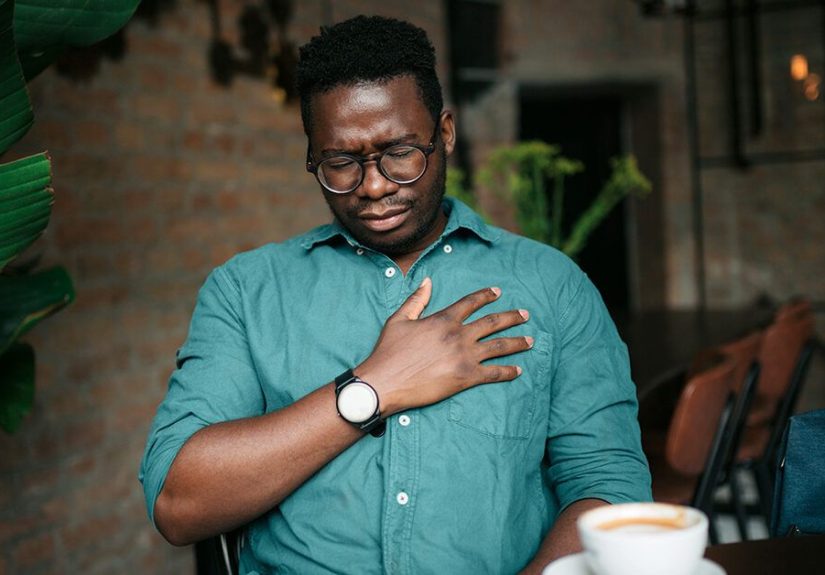
2. Chest Pain or Chest Pressure
Chest pain in HCM is often triggered by exercise or emotional stress. The thickened heart muscle
needs more oxygen, but the blood supply doesn’t always keep up. This can cause angina-like pain
pressure, tightness, or squeezing in the chest.
Some people feel:
- A heavy weight on the chest during exertion
- Burning or squeezing that eases with rest
- Discomfort that may spread to the arm, neck, jaw, or back
Chest pain always deserves serious attention. If it’s severe, sudden, or comes with nausea,
sweating, or shortness of breath, call emergency services immediately heart attacks and
dangerous rhythms can happen even in younger people.
3. Heart Palpitations and Abnormal Heart Rhythms
Many people with HCM notice palpitations a feeling that the heart is beating too hard,
too fast, skipping, or fluttering. These can be caused by arrhythmias such as atrial fibrillation
or other abnormal rhythms that are more common when the heart muscle is thickened.
Palpitations might feel like:
- “My heart is flip-flopping or fluttering in my chest.”
- “It suddenly races for no reason.”
- “I can feel my heartbeat pounding in my neck or ears.”
When palpitations come with dizziness, chest pain, or fainting, that’s an urgent sign that
you need medical attention.
4. Dizziness, Lightheadedness, or Fainting
Dizziness and fainting (syncope) can happen when the thickened heart muscle blocks blood flow
or when an abnormal rhythm disrupts the heart’s ability to pump effectively. You might feel like
the room is spinning, your vision is dimming, or you’re about to pass out or you may lose
consciousness entirely.
These episodes are especially concerning when they happen:
- During or right after exercise
- With strong emotions or sudden exertion
- In a person with a family history of HCM or sudden cardiac death
Fainting is never something to ignore it’s a signal that your brain isn’t getting enough
blood and oxygen, and with HCM it can be a warning sign of serious rhythm problems.
5. Fatigue and Reduced Stamina
HCM can leave you feeling unusually tired. When the heart can’t pump efficiently, less oxygen-rich
blood reaches your muscles and organs, so activities that used to feel easy start to feel like a
workout.
Fatigue in HCM often looks like:
- Needing frequent breaks during routine tasks
- Feeling wiped out after mild exercise
- Struggling to keep up with coworkers, classmates, or teammates
Fatigue is nonspecific lots of conditions can cause it but in combination with shortness
of breath, chest discomfort, or palpitations, it’s an important clue.
6. Swelling in Legs, Ankles, Feet, or Abdomen
When HCM progresses, it can lead to heart failure. One visible sign is swelling (edema) in the
lower legs, ankles, feet, or even the abdomen. Clothing or shoes may feel tighter; socks might
leave deep marks; the scale creeps up even if your eating habits haven’t changed.
Swelling usually indicates that fluid is backing up because the heart is not pumping efficiently.
This is a reason to see a healthcare professional promptly, especially if it appears along with
breathlessness or fatigue.
7. Cough While Lying Down or Needing Extra Pillows
Some people with HCM-related heart failure notice a nagging cough when lying flat, or they
can’t sleep without several pillows because breathing feels easier when they’re propped up.
These are classic signs of fluid backup toward the lungs.
Red-Flag Symptoms: When to Seek Urgent Care
With hypertrophic cardiomyopathy, certain symptoms are especially concerning. Call emergency
services (such as 911 in the United States) right away if you or someone else with known or
suspected HCM experiences:
- Sudden, severe chest pain or pressure
- Shortness of breath that worsens rapidly or comes on suddenly
- Fainting or near-fainting, especially during exercise
- Fast, pounding, or irregular heartbeat with dizziness or chest pain
- Confusion, extreme weakness, or trouble staying awake
These can signal dangerous arrhythmias, severe obstruction, or other life-threatening problems
that need immediate treatment.
How Symptoms Differ by Age and Activity Level
HCM doesn’t look the same in everyone. A teenager who plays competitive sports, a middle-aged
parent, and a grandparent in their seventies might all have HCM but their symptoms can be
quite different.
In Teens and Young Adults
In younger people, HCM sometimes first shows up during intense exercise. A young athlete might:
- Get unusually winded during training
- Feel chest pain, lightheadedness, or palpitations while playing
- Faint or nearly faint on the field or court
HCM is a leading cause of sudden cardiac death in young athletes, which is why any collapse,
chest pain, or unexplained fainting during sports should always be taken seriously.
In Adults and Older Adults
In adults, symptoms may creep in gradually a little more breathless here, a little more tired
there and get written off as “getting older” or “being out of shape.” Others may discover HCM
after an abnormal EKG or heart murmur is found during a routine exam.
Older adults may be more likely to have overlapping conditions like high blood pressure, coronary
artery disease, or valve problems, which can blend with or worsen HCM symptoms.
What Triggers HCM Symptoms?
Even if you have the same underlying condition from day to day, symptoms can vary based on
what’s happening in your body and environment. Common triggers include:
- Physical exertion, especially sudden intense bursts
- Dehydration, which can lower blood volume and worsen obstruction
- Large or heavy meals, which can shift blood flow and increase symptoms
- Fever, illness, or severe stress
- Alcohol or certain medications that affect blood pressure or heart rhythm
If you already have an HCM diagnosis, your cardiology team can help you identify and manage
your personal triggers, including what level of activity is safe for you.
How Doctors Evaluate Symptoms Suspicious for HCM
If you come in with symptoms like shortness of breath, chest pain, palpitations, or fainting
especially with a family history of HCM or sudden cardiac death your clinician may want to
evaluate you for hypertrophic cardiomyopathy.
Typical steps include:
- Detailed history – questions about symptoms, exercise tolerance, fainting episodes, and family history
- Physical exam – listening for heart murmurs that change with position or exertion
- Electrocardiogram (EKG/ECG) – to check heart rhythm and electrical patterns
- Echocardiogram – ultrasound of the heart that can show thickened walls and obstruction
- Exercise or stress testing, sometimes with imaging
- Cardiac MRI – for detailed views and tissue characteristics
- Genetic testing – often considered when there’s a strong family history
If HCM is confirmed, your care team will discuss treatment options such as medications, lifestyle
adjustments, procedures to relieve obstruction, or devices like an implantable cardioverter-defibrillator
(ICD) for those at higher risk of dangerous rhythms.
Living With HCM Symptoms Day to Day
While the diagnosis can feel overwhelming, many people with hypertrophic cardiomyopathy live
active, fulfilling lives especially when symptoms are recognized early and managed well.
Depending on your situation, your healthcare team may recommend:
- Adjusting activity levels or avoiding high-intensity competitive sports
- Taking prescribed medications consistently
- Staying well hydrated, within the limits your doctor suggests
- Tracking symptoms like breathlessness, chest pain, palpitations, or fainting episodes
- Regular follow-up visits, including EKGs and echocardiograms
- Screening for close relatives, since HCM often runs in families
The goal isn’t to make you afraid of your own heart; it’s to recognize symptoms early, treat them
appropriately, and lower the risk of complications.
Real-Life Experiences With Hypertrophic Cardiomyopathy Symptoms
Because HCM symptoms can be so varied and subtle, real-world stories help bring them to life.
The following are composite examples based on typical experiences; they don’t describe any one
real person, but they mirror what many patients report.
Case 1: “I Thought I Was Just Out of Shape”
Alex is a 32-year-old office worker who used to play soccer in college. Over the last few years,
he’s noticed that climbing stairs leaves him short of breath. When his kids want to play in the
yard, he tires out quickly and lets them keep playing while he sits down “to check email.”
At first, he blames it on working too many hours and not exercising enough. But then he starts
noticing a heavy feeling in his chest when he carries groceries up the stairs. One afternoon,
after jogging across a parking lot to catch a meeting, he feels his heart racing and fluttering in
a way that doesn’t feel normal.
A routine physical exam reveals a murmur, and his doctor orders an echocardiogram. It shows
thickening of the heart muscle consistent with hypertrophic cardiomyopathy. Looking back, Alex
realizes that his “getting older” story was actually his heart asking for help.
Case 2: The Teen Athlete Who Keeps Pushing Through
Maya is a 17-year-old basketball player who prides herself on being the hardest worker on the
team. Over a season or two, she notices that while her teammates recover after sprints, she feels
unusually breathless and sometimes a little dizzy. There’s a brief moment during a game when her
vision blurs and she has to grab the bench to steady herself.
Her coach assumes she’s dehydrated and tells her to drink more water. But at home, Maya’s
parents notice that she complains of “weird heart pounding” after practice and sometimes feels
chest tightness. They remember that a distant cousin died suddenly in his twenties while running.
They bring Maya to a cardiologist, who orders an EKG and echocardiogram. The tests show HCM.
With guidance from her care team, she steps back from intense competitive sports but continues
to be active in safer ways. Early diagnosis helps her understand her symptoms and avoid pushing
through warning signs that could have put her at risk.
Case 3: The Slow Creep of Fatigue and Swelling
Sam is 61 and has always been “slightly tired,” but in the last year he’s begun napping every
afternoon. His ankles swell by evening, and his shoes feel tighter. He props himself on extra
pillows at night because lying flat makes his breathing feel heavy and uncomfortable.
He chalks it up to aging and a busy schedule until a friend insists he see a doctor. The exam
reveals leg swelling and a heart murmur. Further testing shows hypertrophic cardiomyopathy with
signs of heart failure.
With medication, careful fluid management, and follow-up, Sam’s symptoms improve. He still
needs to pace himself, but he can walk farther, sleep better, and enjoy time with his family without
feeling constantly worn out.
Case 4: Learning to Listen to Your Body
Across these stories, a common theme appears: symptoms often arrive slowly and can be easy to
dismiss. People with HCM frequently say, “I just thought I was tired,” or “I assumed I wasn’t fit
anymore,” or “I didn’t want to make a big deal out of it.”
Paying attention to patterns shortness of breath, chest discomfort, palpitations, dizziness,
fainting, or swelling can make a huge difference. Sharing those patterns honestly with a
healthcare professional can be the first step toward diagnosis, treatment, and better quality of
life. Your heart doesn’t have to be perfect to be worth protecting.
The Bottom Line
Hypertrophic cardiomyopathy symptoms range from subtle breathlessness and fatigue to serious
chest pain, fainting, and sudden collapse. Because they can mimic everyday issues being out of
shape, stressed, or just “getting older” they’re easy to overlook.
If you notice persistent shortness of breath, chest pain with activity, palpitations, dizziness,
fainting episodes, or unexplained swelling especially with a family history of heart disease or
sudden death it’s worth having a conversation with your doctor. Modern guidelines and
treatments have dramatically improved outcomes for people with HCM, but recognizing the signs
is the crucial first step.